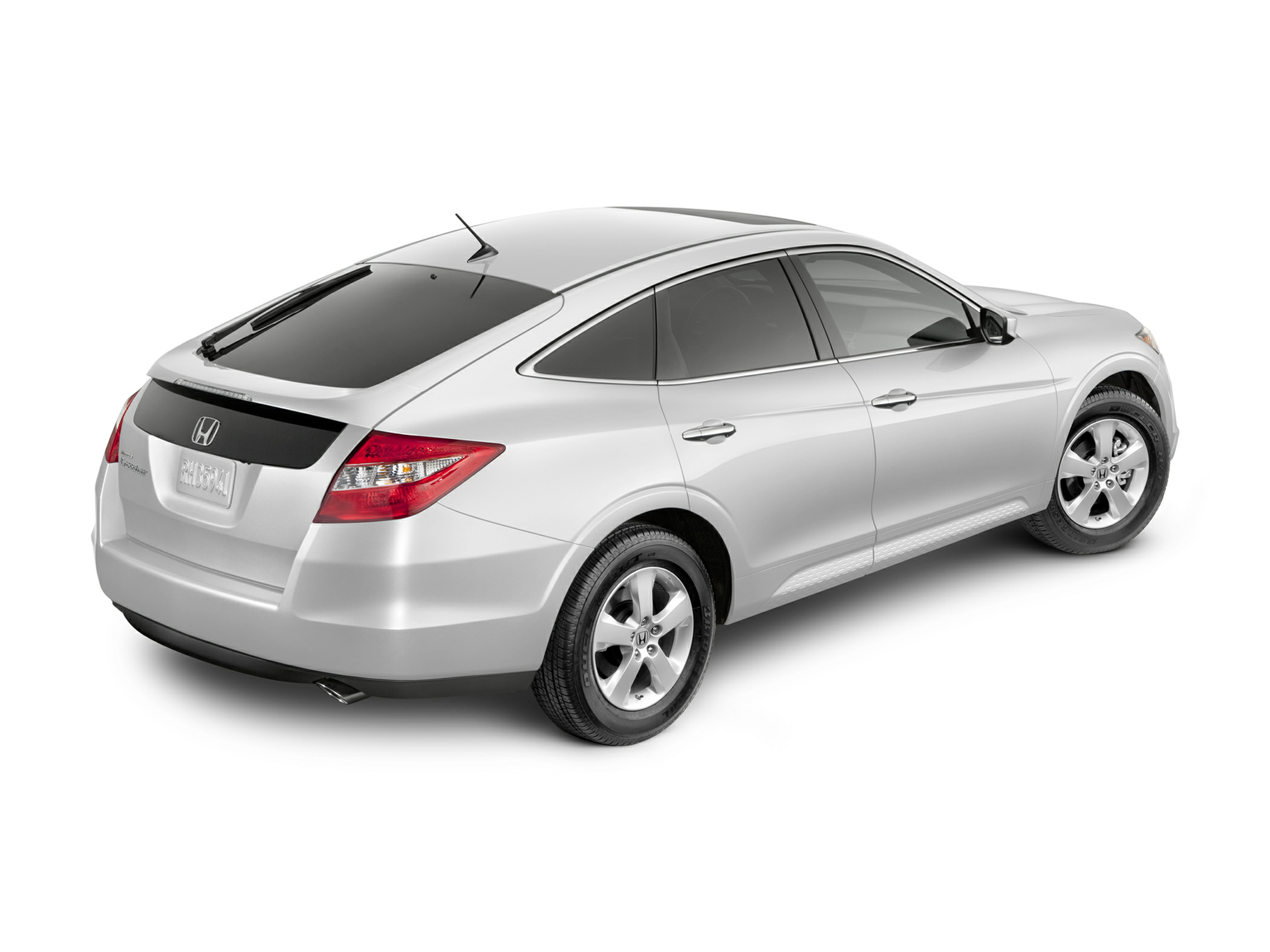
The 2010 Honda Crosstour represents a distinct chapter in automotive design, blending sedan-like driving dynamics with the elevated stance and cargo flexibility of a crossover utility vehicle. Originally launched as an offshoot of the eighth-generation Accord lineup, this fastback-styled vehicle combined robust V6 powertrain engineering, substantial exterior dimensions, and a comprehensive package of standard amenities, establishing a specialized niche for buyers seeking utility without traditional SUV proportions.
Introduction to the 2010 Honda Crosstour
When Honda introduced the Crosstour for the 2010 model year—initially badged as the Accord Crosstour—the Japanese automaker targeted buyers who appreciated the ride and handling of a midsize sedan but desired extra cargo versatility and all-weather capability. Built on a modified platform shared with the Accord, the Crosstour departed from conventional boxy SUV shapes, adopting a sloping roofline and a fastback tailgate.
This design choice created a polarizing aesthetic upon release, drawing both praise for its unique silhouette and scrutiny for its cargo-capacity trade-offs compared to traditional two-box SUVs. Despite these debates, the vehicle offered a refined cabin, high-end mechanical components, and a premium positioning within the Honda lineup. Understanding the 2010 Honda Crosstour requires examining its core specifications, physical footprint, engine and transmission options, and original market pricing structure.
Exterior and Interior Dimensions
The footprint of the 2010 Honda Crosstour is substantially larger than that of its sedan counterpart, particularly in length and total height, which directly influences its interior packaging and road presence.
Exterior Measurements
Measuring 199.6 inches in length, the Crosstour is longer than the Accord sedan from the same model year. Its width spans 78.1 inches, and it rides on a 110.3-inch wheelbase. The vehicle's ground clearance sits at 6.1 inches, providing a slight elevation over a standard passenger car, though lower than dedicated sport utility vehicles of that era. This modest lift aids in clearing minor road debris while preserving a low center of gravity.
Interior Volume and Cargo Capacity
Inside, the cabin provides generous space for front and rear occupants. Headroom measures 39.6 inches in the front and 37.5 inches in the rear (without the optional moonroof), while legroom spans 42.2 inches up front and 37.4 inches in the back.
The rear cargo area is the vehicle's defining feature. Behind the second-row seats, the Crosstour offers 25.7 cubic feet of storage space. Folding the 60/40 split-folding rear seats flat expands the cargo capacity to 51.3 cubic feet. Honda engineered hidden under-floor storage compartments within the cargo area, including a removable, waterproof utility box that enhances practicality for wet or muddy gear.
Powertrain Specifications and Performance
For its inaugural 2010 model year, Honda equipped the Crosstour exclusively with a high-output V6 engine and an automatic transmission, emphasizing smooth highway cruising and responsive acceleration.
Engine Architecture
The powerplant is a 3.5-liter V6 featuring a 24-valve SOHC VTEC (Variable Valve Timing and Lift Electronic Control) design. This engine incorporates Honda's Variable Cylinder Management (VCM) system, which can deactivate cylinders—running on three, four, or all six cylinders depending on power demands—to optimize fuel economy during cruising conditions. The engine produces 271 horsepower at 6,200 rpm and 254 pound-feet of torque at 5,000 rpm.
Transmission and Drivetrain
Power is routed to the wheels via a five-speed automatic transmission equipped with Grade Logic Control, which helps prevent unwanted gear hunting when driving on hills. Buyers could select between front-wheel drive (FWD) and Honda's Real Time 4WD system. The Real Time 4WD setup is an automatic, reactive system that engages the rear wheels via a dual-pump hydraulic system only when front-wheel slippage is detected, providing added traction in slippery weather conditions.
Fuel Economy and Performance Metrics
Fuel economy estimates varied slightly depending on the drivetrain. Front-wheel-drive models achieved EPA ratings of approximately 18 mpg city, 27 mpg highway, and 21 mpg combined. Four-wheel-drive variants adjusted those figures slightly to 17 mpg city, 25 mpg highway, and 20 mpg combined. Acceleration from zero to 60 miles per hour took approximately 7.0 seconds, making the Crosstour a capable performer during highway passing maneuvers.
Trims, Equipment Levels, and Standard Features
Honda offered the 2010 Crosstour in two primary trim levels: EX and EX-L. Each tier included an extensive array of comfort, convenience, and safety technologies.
Crosstour EX
The entry-level EX trim was comprehensively equipped. Standard features included:
- 17-inch alloy wheels
- Automatic dual-zone climate control
- Premium 360-watt audio system with a 6-disc in-dash CD changer, seven speakers, and a subwoofer
- USB audio interface and auxiliary input jack
- Power driver's seat with manual lumbar support
- One-touch power moonroof
- Tilt and telescopic steering column
Crosstour EX-L
Stepping up to the EX-L (Luxury) trim added leather-trimmed seating surfaces, heated front seats, a power passenger seat, driver's seat memory functions, an auto-dimming rearview mirror, and Bluetooth HandsFreeLink connectivity. Optional equipment packages on the EX-L included a voice-activated satellite navigation system paired with a rearview camera and a rear entertainment system.
Original Pricing Structure
When new in the autumn of 2009 for the 2010 model year, the Honda Crosstour occupied a pricing tier positioned above the standard Accord sedan and wagon variants offered in other global markets. Manufacturer's Suggested Retail Prices (MSRP) at launch spanned from the upper $20,000s to mid-$30,000s, varying by trim and drivetrain selection.
| Trim Level | Drivetrain | Original Starting MSRP (USD) |
|---|---|---|
| EX | Front-Wheel Drive (FWD) | $29,670 |
| EX | Real Time 4WD | $31,120 |
| EX-L | Front-Wheel Drive (FWD) | $32,690 |
| EX-L | Real Time 4WD | $34,140 |
Note: Destination and handling charges were additional at the time of purchase. Actual transaction prices varied based on dealer incentives, optional packages such as navigation, and regional taxes.
Safety Ratings and Equipment
Safety formed a core pillar of the Crosstour's design, utilizing Honda’s Advanced Compatibility Engineering (ACE) body structure to help absorb and disperse crash energy away from the passenger compartment.
Standard Safety Technologies
Every 2010 Crosstour rolled off the assembly line with a robust suite of safety equipment, including:
- Anti-lock Braking System (ABS) with Electronic Brake Distribution (EBD) and Brake Assist
- Vehicle Stability Assist (VSA) with traction control
- Dual-stage, multiple-threshold front airbags, front-side airbags, and side-curtain airbags spanning both rows
- Active front head restraints designed to reduce whiplash injuries in rear-end collisions
- Tire Pressure Monitoring System (TPMS)
Crash Test Performance
During testing conducted by the Insurance Institute for Highway Safety (IIHS), the vehicle achieved strong marks, earning the "Top Safety Pick" designation for its model year with "Good" ratings in frontal-offset, side-impact, and roof-strength evaluations. The National Highway Traffic Safety Administration (NHTSA) also awarded the Crosstour high ratings under its testing protocols of that era.
Frequently Asked Questions
What engine options were available on the 2010 Honda Crosstour?
The 2010 Crosstour came with a single engine option: a 3.5-liter V6 engine producing 271 horsepower and 254 pound-feet of torque. It featured Variable Cylinder Management to shut down cylinders during light-load cruising for improved efficiency.
Does the 2010 Honda Crosstour have all-wheel drive?
Yes, Honda offered an all-wheel-drive system known as Real Time 4WD as an option on both EX and EX-L trim levels. Front-wheel drive was standard across the lineup for buyers who did not require winter traction assistance.
How much cargo space does the Crosstour provide?
The vehicle offers 25.7 cubic feet of cargo room behind the rear seats. Folding the rear seatbacks flat expands the total cargo volume to 51.3 cubic feet, complemented by under-floor storage compartments and a waterproof utility box.
What is the difference between the EX and EX-L trims?
The EX serves as the well-equipped base model, while the EX-L adds luxury appointments such as leather seating upholstery, heated front seats, driver's seat memory settings, dual-zone automatic climate control enhancements, and available upgrades like satellite navigation and Bluetooth integration.
How does the Crosstour's fuel economy compare to standard SUVs?
With EPA ratings of 17 to 18 mpg in the city and 25 to 27 mpg on the highway, the Crosstour generally matched or exceeded the fuel efficiency of midsize body-on-frame or unibody SUVs from 2010, largely due to its lower aerodynamic profile and V6 cylinder-deactivation technology.
Conclusion and Practical Buying Guidance
The 2010 Honda Crosstour remains a unique alternative for drivers seeking the mechanical reliability and cabin comfort of a Honda Accord combined with elevated seating and hatchback utility. While its fastback styling remains a subject of personal preference, its core specifications—ranging from its V6 power output to its versatile cargo management solutions—offer a functional package for daily commuting and road trips. Prospective buyers examining pre-owned examples should verify maintenance records, specifically regarding regular oil changes due to the Variable Cylinder Management system, and inspect the suspension components for wear consistent with high-mileage vehicle ownership.