A two-day auto insurance lapse in South Carolina can trigger state-mandated penalties under the Department of Motor Vehicles (SCDMV), including a $200 reinstatement fee and potential suspension of vehicle registration, even though the brief window reduces the likelihood of immediate high-risk carrier surcharges or claim complications.
Vehicle ownership in the Palmetto State requires strict adherence to mandatory liability insurance laws. When an auto insurance policy terminates, lapses, or is canceled—even for a brief 48-hour period—it intersects directly with state regulatory oversight and insurance industry underwriting standards. Understanding the consequences of a brief coverage gap requires looking closely at how South Carolina statutory law treats uninsured motor vehicles, how insurance carriers evaluate historical continuity, and what proactive steps vehicle owners must take to restore their compliance.
Legal Framework of Auto Insurance in South Carolina
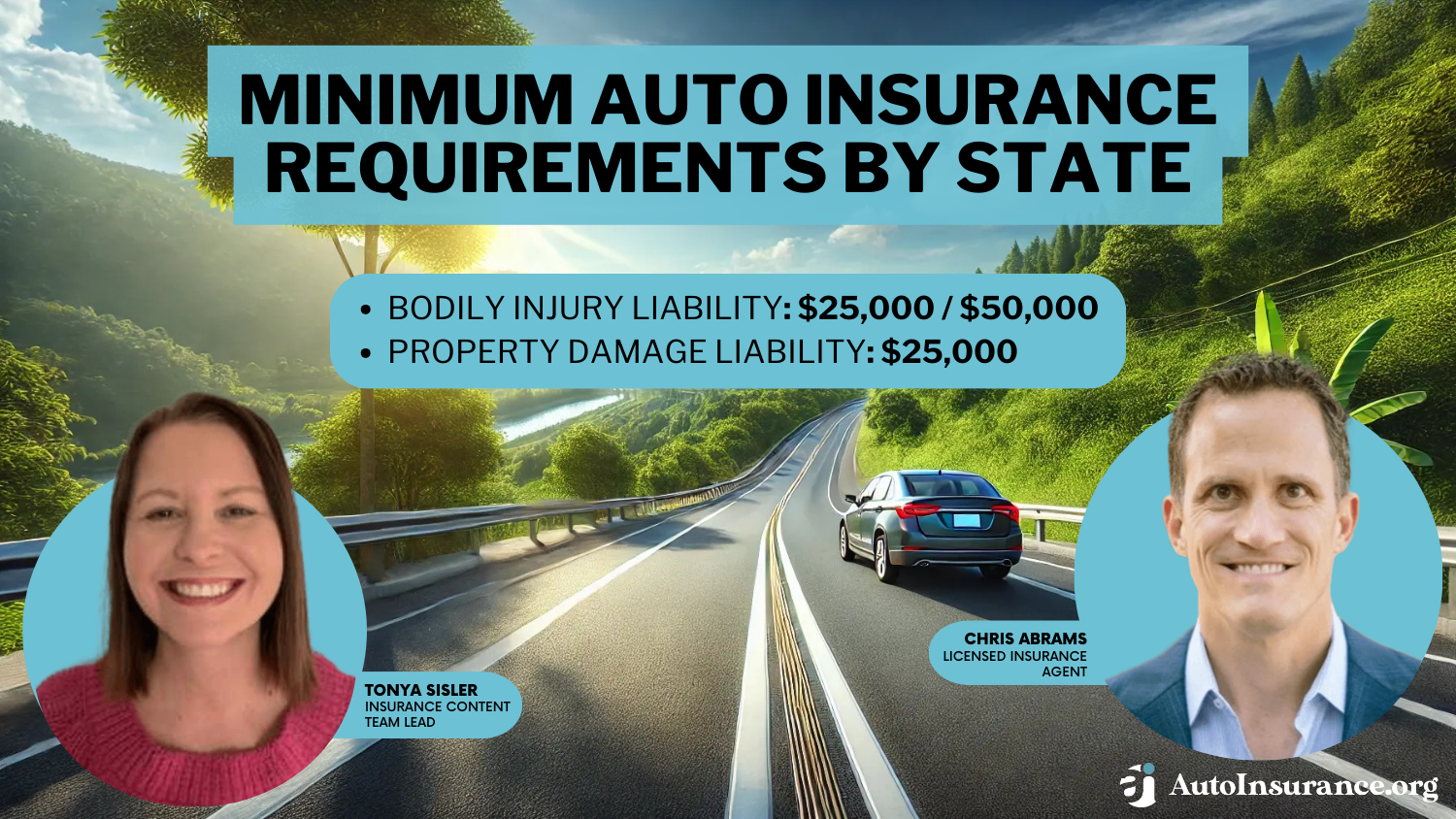
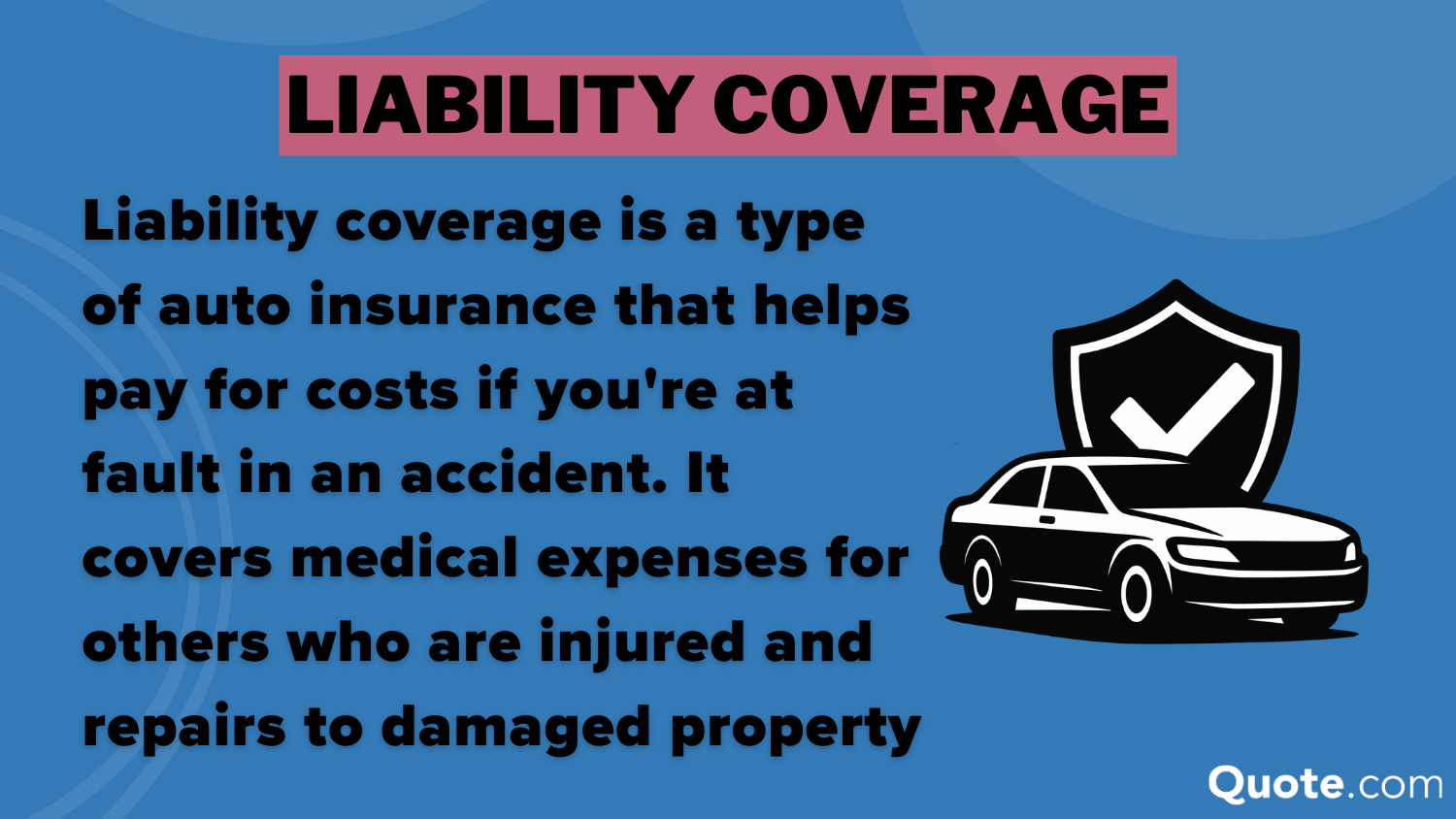
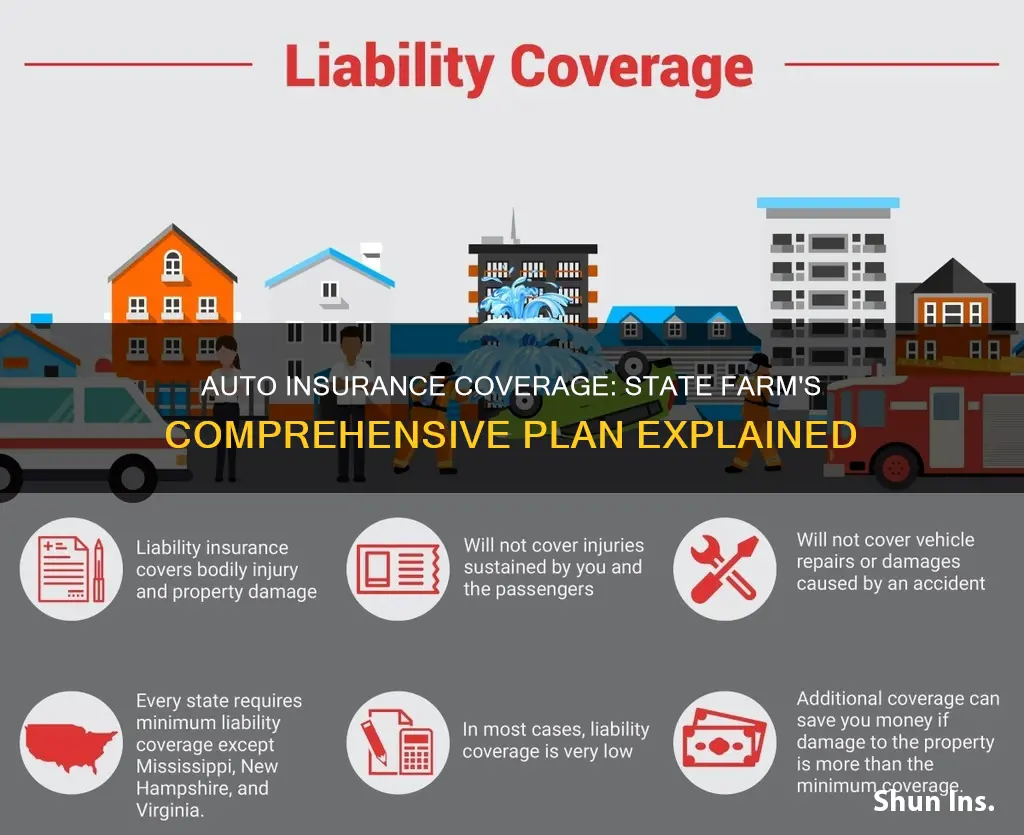
South Carolina operates under a mandatory liability insurance system regulated by the South Carolina Department of Motor Vehicles and the South Carolina Department of Insurance. Under state law, every registered motor vehicle must be continuously insured by a licensed carrier authorized to do business in the state. The minimum mandatory liability coverage limits—commonly referred to as 25/50/25 coverage—include:
- $25,000 for injury or death of one person in an accident.
- $50,000 for total injury or death liability per accident.
- $25,000 for property damage per accident.
The SCDMV utilizes advanced electronic verification systems to monitor insurance status continuously. Insurance companies operating within the state are legally required to report policy issuances, cancellations, and lapses directly to the state database. When a policy terminates, the carrier transmits an electronic notice to the SCDMV. Even if the policy is reinstated or replaced within 48 hours, the initial cancellation transaction frequently triggers an automated inquiry from the state, demanding proof of continuous coverage or proof that the vehicle was not operated during the gap.
Immediate Consequences of a 48-Hour Coverage Gap
While a two-day lapse is exceptionally short, its legal and financial ramifications depend heavily on whether the vehicle was driven on public roads during those 48 hours and how quickly the gap is resolved.
SCDMV Notice and Reinsurance Requirements
If the SCDMV electronic system flags a vehicle for an insurance cancellation, the registered owner receives a formal inquiry notice. If the owner cannot demonstrate that continuous coverage existed or that alternative valid coverage was active concurrently, the state imposes statutory penalties. Under South Carolina law, failing to maintain continuous liability insurance can lead to:
- Suspension of the vehicle's license plate and registration.
- A mandatory uninsured motorist fee or reinstatement fee (typically starting at $200 for a first offense).
- Requirement to submit an SR-22 certificate of financial responsibility in certain escalated enforcement scenarios, though minor administrative lapses corrected within days are often handled through standard reinstatement fees rather than long-term high-risk filings.
Risk Exposure During the Gap
Operating a motor vehicle without active insurance during a two-day lapse creates severe financial exposure. If the driver is involved in a traffic collision during this window, they are personally liable for all damages, injuries, and legal defense costs. Furthermore, South Carolina applies the "No Pay, No Play" statute (South Carolina Code of Laws Section 38-77-350), which restricts uninsured motorists from recovering non-economic damages (such as pain and suffering) from an at-fault driver, even if the uninsured driver was entirely blameless in the crash.
| Lapse Duration & Scenario | SCDMV Status | Financial Risk | Insurance Underwriting Impact |
|---|---|---|---|
| 2-Day Lapse (No Driving) | Flagged via electronic reporting; notice triggered. | Minimal if corrected immediately; potential administrative fee. | Minor; may affect continuous coverage discounts. |
| 2-Day Lapse (Vehicle Driven) | High risk of registration suspension if detected. | Catastrophic personal liability in case of an accident; "No Pay, No Play" restrictions apply. | High likelihood of loss of preferred tier pricing; rate increase. |
| 2-Day Lapse (Seamless Reinstatement) | May be cleared automatically if new policy backdates or starts immediately. | Limited if no incident occurred during the gap window. | Varies by carrier grace period policies. |
Insurance Industry Underwriting and Premium Impacts
Beyond state penalties, insurance carriers evaluate coverage continuity when determining pricing tiers and risk profiles. A lapse in coverage—even a brief one—signals to underwriters that the consumer has experienced an interruption in financial risk management.
Loss of Continuous Coverage Discounts
Many auto insurance companies offer substantial discounts for policyholders who maintain uninterrupted coverage for multi-year periods (typically 12 to 36 months). A two-day lapse, regardless of the reason, frequently breaks the streak required for these longevity-based discounts. Consequently, when the policy is renewed or rewritten, the removal of these discounts can result in higher monthly premiums.
Carrier Underwriting Rules and Grace Periods
Insurance companies handle late payments and policy expirations differently. Most carriers provide a short grace period (often 10 to 30 days) for non-payment of premium, meaning that if the premium is paid within that window, coverage is retroactively maintained without a lapse. However, if a policy formally lapses due to non-renewal, cancellation by the insured, or carrier underwriting decisions, establishing a new policy requires running a new motor vehicle report (MVR) and insurance tracking history.
Common Causes of Short Auto Insurance Lapses
Understanding why a two-day lapse occurs helps vehicle owners prevent future administrative errors. Most short-term gaps are entirely preventable and stem from procedural friction during policy transitions.
- Payment Processing Delays: Automatic debit failures, expired credit cards on file, or bank processing holidays can cause a scheduled payment to clear two days late, triggering a temporary carrier cancellation notice before the payment posts.
- Switching Providers Inefficiently: When changing insurance companies, consumers sometimes set the new policy to begin after the old policy officially terminates, creating a deliberate or accidental 24- to 48-hour window where no active policy is on the books.
- Renewal Notice Miscommunication: Delays in receiving electronic or paper renewal bills can cause policyholders to miss payment deadlines temporarily until a reminder notice prompts urgent action.
Step-by-Step Resolution Guide for a South Carolina Coverage Lapse
If you discover a two-day lapse in your auto insurance coverage in South Carolina, executing a structured recovery plan minimizes regulatory penalties and restores legal compliance quickly.
- Verify Policy Status Immediately: Contact your current insurance provider or check your online portal to determine whether the policy can be reinstated with zero lapse (using a payment grace period) or if a new policy must be bound.
- Secure Immediate Coverage: If reinstatement is impossible, purchase a new auto insurance policy meeting or exceeding South Carolina minimum limits immediately. Ensure the effective date and exact timestamp are documented.
- Confirm Electronic Reporting: Verify that your insurance carrier has transmitted the updated proof of insurance (Form FR-10 or electronic equivalent) to the SCDMV database to clear any pending suspension flags.
- Respond to SCDMV Inquiries: If you receive a notice of insurance inquiry from the SCDMV, respond promptly by submitting the new insurance binder or verification code within the specified timeframe to prevent registration suspension.
- Pay Administrative Fees if Assessed: If the SCDMV issues a formal penalty notice for the uninsured period, pay the required reinstatement fee promptly to keep your vehicle registration and driver's license in good standing.
Comparative Overview: Reinstatement vs. New Policy Binding
When addressing a brief coverage gap, vehicle owners typically face a choice between reinstating their previous policy or starting fresh with a new carrier.
| Evaluation Criteria | Policy Reinstatement | Purchasing a New Policy |
|---|---|---|
| Gaps in History | May preserve historical continuity depending on carrier rules. | Officially records a documented coverage lapse in industry databases. |
| Fees | Usually involves a nominal reinstatement fee or back-pay of premium. | Involves new down payments, processing fees, and potential rate adjustments. |
| Discount Preservation | High likelihood of keeping tenure and continuous coverage discounts. | Often resets tenure clocks, eliminating multi-year loyalty discounts. |
| Speed of Resolution | Immediate if payment clears outstanding balances. | Requires underwriting approval and new document generation. |
Practical Prevention and Risk Management Strategies
To protect against unexpected insurance lapses and SCDMV enforcement actions in South Carolina, drivers should implement robust administrative safeguards.
- Enroll in Automatic Payments: Set up recurring electronic fund transfers (EFT) or credit card billing with your insurance provider, and ensure notification alerts are enabled for card expiration updates.
- Overlap Policy Effective Dates: When switching insurance companies, always arrange for the new policy to start at least one day before the old policy expires, eliminating any chance of a midday scheduling gap.
- Monitor SCDMV Correspondence: Keep your mailing address and contact information updated with the SCDMV so that insurance inquiry notices or suspension warnings are received and addressed immediately.
- Understand Form FR-10 Requirements: Familiarize yourself with South Carolina insurance verification protocols, ensuring you can quickly provide policy numbers, NAIC codes, and effective dates upon request.
Disclaimer: Insurance regulations and statutory penalties are subject to legislative changes and individual policy contract terms. Vehicle owners facing complex or escalated administrative actions from the SCDMV should consult directly with a licensed South Carolina insurance agent or legal professional.