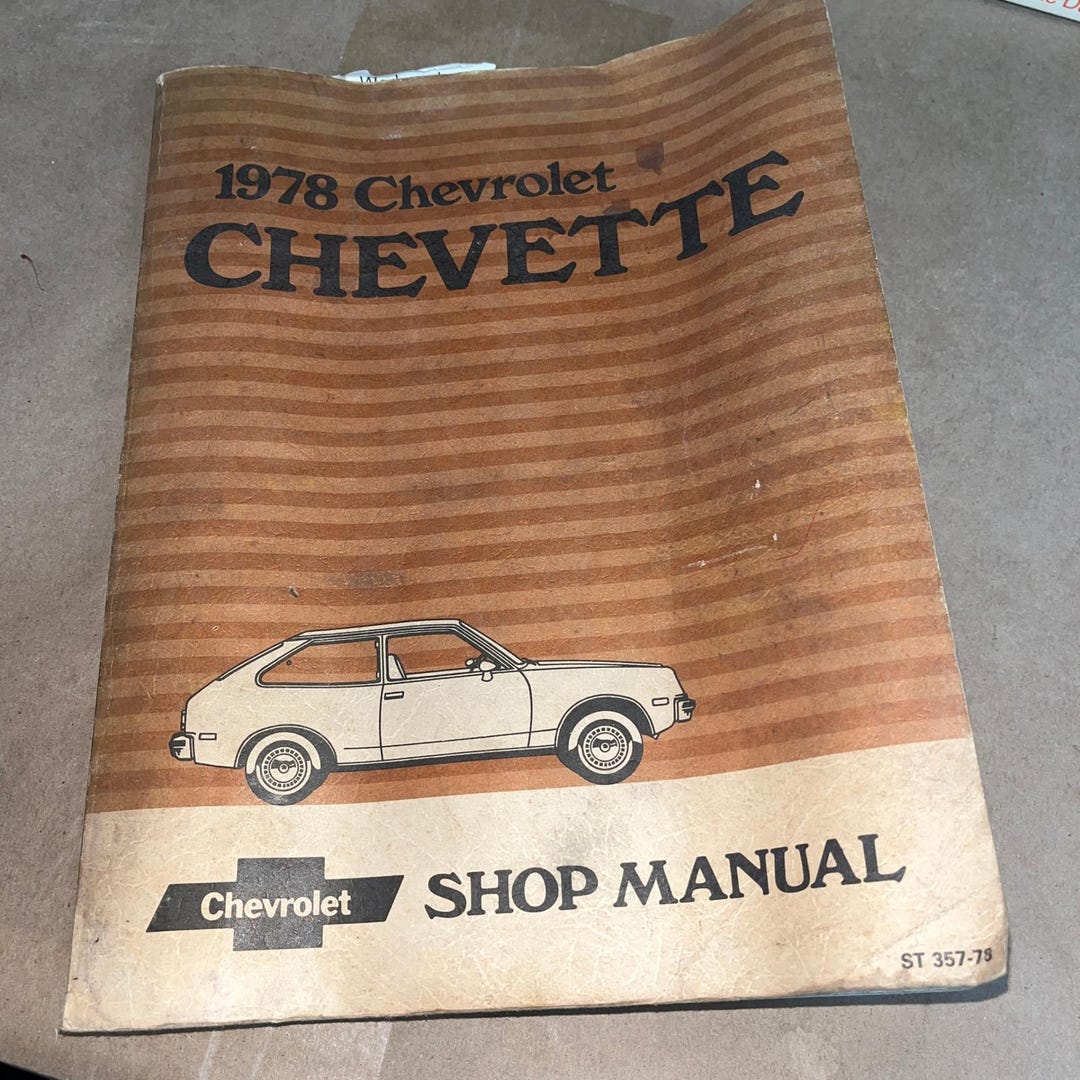
The 1978 Chevrolet Chevette represents a critical juncture in the evolution of American automotive engineering, marking a period when General Motors pivoted to prioritize fuel efficiency and global platform sharing. As a rear-wheel-drive subcompact designed to combat the rising tide of imported competitors, the 1978 model solidified the vehicle’s role in the domestic market, offering a pragmatic balance of affordability, compact dimensions, and specialized mechanical simplicity that defined the era’s response to fuel crises.
Origins and Development of the Chevette Platform
The history of the Chevette is inextricably linked to the "T-car" platform, a global project spearheaded by General Motors to create a universal small car that could be adapted for diverse markets including Europe, South America, and North America. Before its introduction to the United States in 1976, the vehicle had already established a footprint as the Opel Kadett in Germany and the Vauxhall Chevette in the United Kingdom.
By the 1978 model year, the North American version had moved past its initial "newcomer" phase. Engineers had fine-tuned the assembly process to meet the specific demands of American consumers who were accustomed to larger, more comfortable vehicles but were increasingly forced to downsize due to the lingering effects of the 1973 oil embargo and subsequent federal fuel economy regulations. The 1978 Chevette was not merely an import-fighter; it was a testament to GM’s commitment to shifting its entire fleet architecture toward smaller footprints.
Technical Specifications and Mechanical Layout
The 1978 Chevrolet Chevette relied on a longitudinal engine orientation driving the rear wheels, a configuration that was becoming increasingly rare in the subcompact segment by the late 1970s. This layout allowed for a level of mechanical familiarity that appealed to traditional GM buyers and independent mechanics alike.
Powertrain Options
For 1978, the Chevette offered two primary engine variations, both inline-four-cylinder units:
- 1.4-Liter Engine: A lower-displacement option intended primarily for entry-level base models, focusing on maximum fuel economy.
- 1.6-Liter Engine: The more common powerplant, providing slightly improved torque and highway drivability. This engine became the workhorse for the majority of sales, often paired with either a four-speed manual or a three-speed automatic transmission.
Handling and Suspension
The suspension geometry utilized a double-wishbone front setup with coil springs, while the rear featured a rigid axle supported by coil springs and a torque tube. This design, while rudimentary by modern standards, provided a predictable ride quality. The rack-and-pinion steering—a relatively modern inclusion for the time—offered a level of responsiveness that made the Chevette surprisingly maneuverable in dense urban environments, distinguishing it from the lethargic handling characteristics typical of larger, domestic sedans of the period.
Trim Levels and Consumer Configurations
In 1978, Chevrolet expanded the market appeal of the Chevette by segmenting the product line into distinct trim levels. This strategy aimed to capture both the budget-conscious fleet buyer and the individual consumer looking for a touch of personalization.
The Standard "Scooter"
The "Scooter" was the entry-level offering, stripped of non-essential amenities to keep the price point as low as possible. In 1978, it served as a bare-bones utility vehicle, often lacking a rear seat or extensive interior trim. This was the model most frequently associated with the "economy car" stigma of the decade, yet it succeeded in providing basic transportation for those prioritizing cost above all else.
The Deluxe and Rally Packages
For buyers seeking more comfort, the Deluxe trim added interior refinements such as upgraded upholstery, extra sound deadening, and more comprehensive instrumentation. Additionally, the "Rally" package—while largely aesthetic—offered sportier exterior graphics, unique wheels, and upgraded suspension components that appealed to younger demographics. These variants demonstrated that the Chevette was not strictly limited to utilitarian purposes.
Market Context and Competitive Landscape
The 1978 model year was a competitive environment for domestic small cars. The Chevette faced stiff competition from both Japanese imports like the Toyota Corolla and Honda Civic, as well as domestic counterparts like the Ford Pinto and the Dodge Omni/Plymouth Horizon, which began utilizing front-wheel-drive configurations during this era.
| Feature | 1978 Chevrolet Chevette | Key Competitors (Average) |
|---|---|---|
| Drivetrain | Rear-Wheel Drive | Front-Wheel Drive (Emerging) |
| Engine Layout | Longitudinal I4 | Transverse I4 |
| Steering | Rack and Pinion | Rack and Pinion |
| Fuel Economy | Excellent (for the era) | Competitive |
| Target Audience | Entry-Level/Economy | Practical/Value-Seeker |
The Chevette’s rear-wheel-drive layout was simultaneously its greatest strength and its most significant disadvantage. While traditionalists appreciated the ease of servicing and the balance of the chassis, competitors moving to front-wheel drive were able to offer superior interior packaging, as they did not require a bulky transmission tunnel running through the cabin.
Maintenance and Long-Term Reliability
For owners today, the 1978 Chevette is often categorized as a "beginner classic." Because the vehicle utilized relatively simple technology, it remains highly accessible for restoration and maintenance.
Common Mechanical Considerations
- Rust Mitigation: Like most vehicles of the late 1970s, the body panels are prone to oxidation, particularly in the rocker panels and floor pans if the vehicle was exposed to road salt.
- Electrical Simplicity: The 1978 electrical system is straightforward, making it an excellent candidate for owners looking to learn basic wiring and troubleshooting without the complications of modern engine control units.
- Parts Availability: While specific body panels are becoming harder to source, many internal engine components remain compatible with other GM small-block or four-cylinder parts from the era, ensuring that the vehicle can be kept running with some resourceful searching.
The Legacy of the 1978 Chevette
The 1978 model year was pivotal because it proved that General Motors could produce a successful subcompact at volume. While the model was eventually phased out in the late 1980s in favor of more advanced, front-wheel-drive designs, the 1978 iteration remains a landmark in the transition of American automotive philosophy. It marked the moment when the "bigger is better" ethos was firmly discarded in favor of global platform efficiency.
For the modern collector or hobbyist, the 1978 Chevette represents a snapshot of a specific economic period. It captures the tension between traditional American engineering and the necessity of global adaptation. Collectors often seek out the 1978 model for its "boxy" aesthetic and its importance in the history of the American fuel economy movement.
Frequently Asked Questions
Was the 1978 Chevette available with a manual transmission?
Yes, a four-speed manual transmission was standard on most models. It provided a direct connection to the small-displacement engine and was highly favored by those who wanted to extract maximum performance and fuel economy from the vehicle’s modest output.
How did the 1978 Chevette compare to front-wheel-drive cars?
While the Chevette featured a rear-wheel-drive layout—which offered a balanced feel and familiar handling—its competitors, like the Volkswagen Rabbit or the Omni, used front-wheel drive. This allowed competitors to have more interior room, as they lacked the central tunnel required for the driveshaft.
What is the most collectible version of the 1978 model?
The "Rally" package is generally considered the most collectible due to its sportier aesthetic appeal. While not technically a high-performance vehicle, these cosmetic upgrades make it a standout at car shows and regional gatherings compared to the base-model Scooter.
Are replacement parts still available for this vehicle?
Mechanical parts are reasonably available because the engine and transmission components were shared across several GM products of the era. Body parts are significantly scarcer and often require sourcing from donor vehicles or specialized classic parts suppliers.
Is the 1978 Chevette considered a reliable daily driver in 2026?
While mechanically robust, it is generally recommended to treat a 1978 model as a weekend or hobby car rather than a primary daily driver. Due to its age, finding parts for safety systems and climate control can be time-consuming, and modern traffic conditions place different demands on older vehicles.
Next Steps for Enthusiasts
If you are looking to acquire or restore a 1978 Chevrolet Chevette, the most effective next step is to join a marque-specific owner’s club or an online forum dedicated to the "T-car" platform. These communities are vital for sourcing hard-to-find trim pieces and sharing technical documentation regarding carburetor tuning and suspension geometry. Prioritize finding a chassis with minimal structural rust, as the mechanical systems are secondary in terms of restoration difficulty and cost.