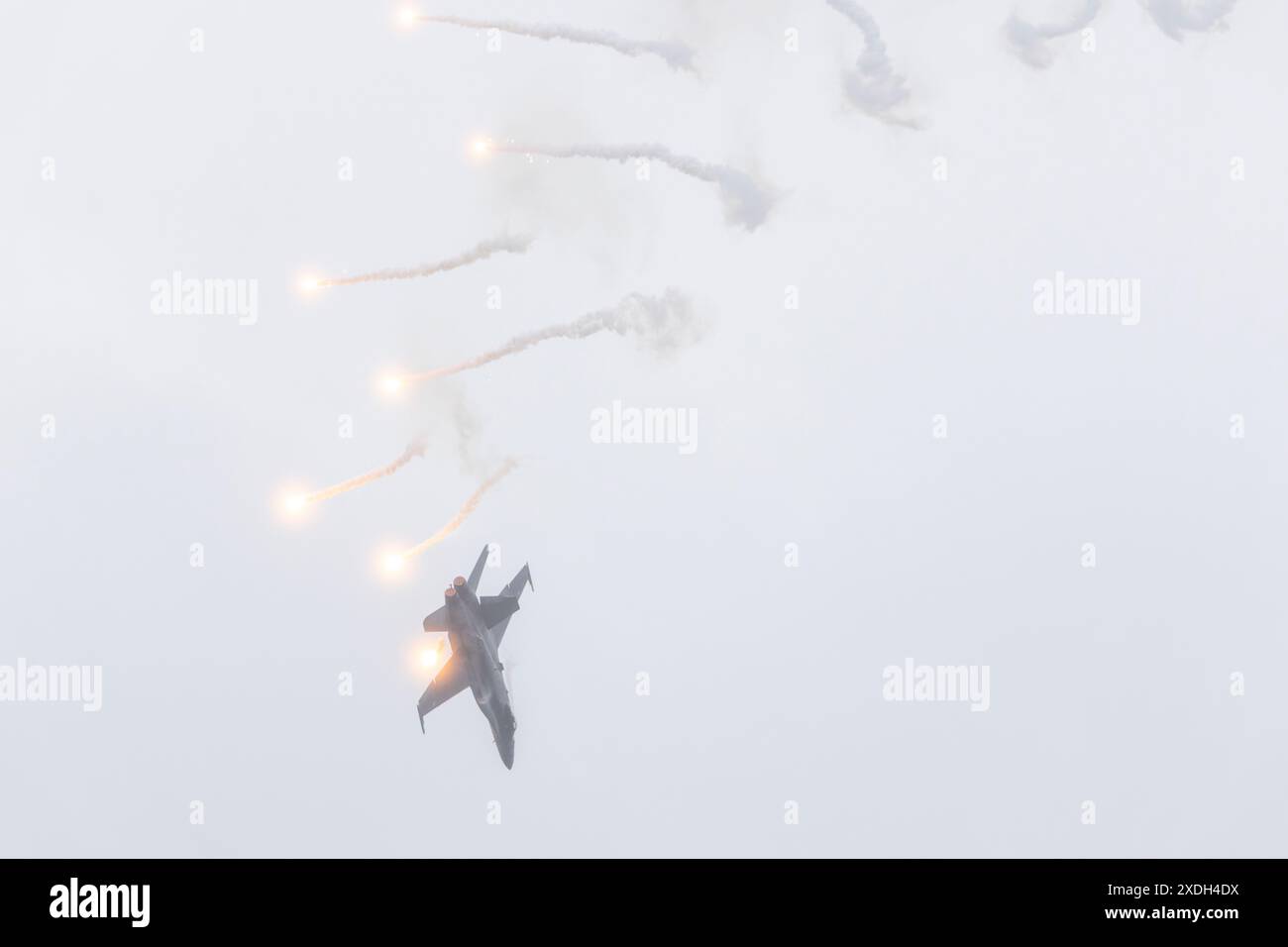
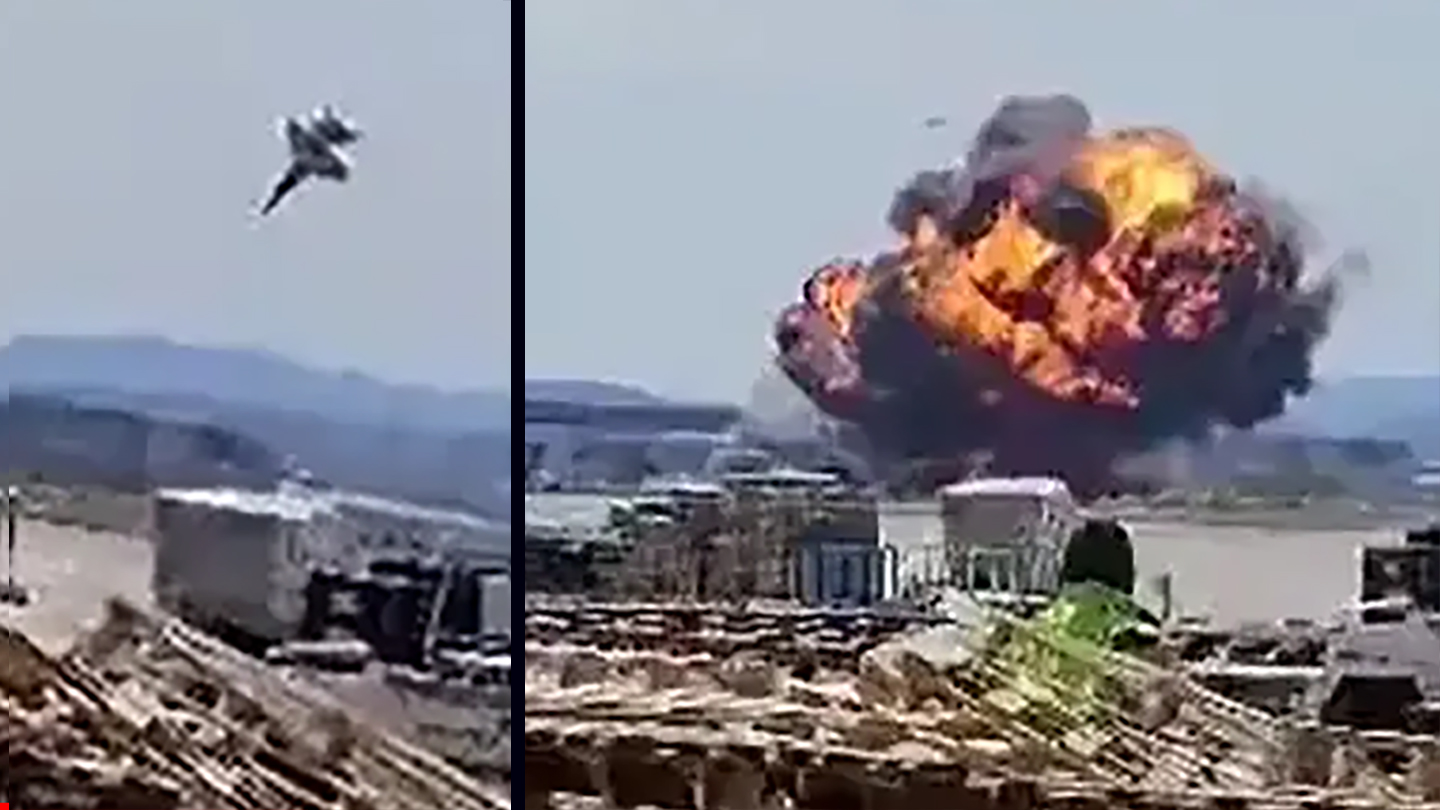
Airshow crashes involving tactical fighter jets like the F/18 Hornet represent high-profile aviation incidents that trigger rigorous multi-agency investigations, public scrutiny, and continuous reviews of military and civilian flight safety protocols. Understanding these events requires examining the intersection of high-performance aerodynamics, human factors, regulatory oversight, and post-accident analysis methodologies.
Introduction to F/18 Airshow Incidents and Aviation Safety
When an F/18 Hornet—whether operated by the United States Navy, Marine Corps, or international military display teams such as the Blue Angels or the Canadian Forces Snowbirds' predecessor eras—experiences an incident during a public demonstration, it immediately draws intense global attention. These occurrences are statistically rare relative to the immense volume of flight hours logged globally, but their visual nature and public setting amplify their impact.
Investigating these events involves analyzing flight data recorders, maintenance logs, environmental conditions, and pilot telemetry to determine root causes. Modern aviation safety frameworks utilize these investigations not to assign blame prematurely, but to isolate systemic vulnerabilities, refine maneuver envelopes, and update training mandates for tactical air demonstration pilots.
Historical Context and Evolution of Airshow Safety Standards
Airshow safety has evolved significantly over the past several decades. Early aviation exhibitions often prioritized spectacle over strict separation criteria between aircraft and spectator areas. However, catastrophic mishaps over the years led aviation authorities—such as the Federal Aviation Administration (FAA) in the United States, Transport Canada, and the European Union Aviation Safety Agency (EASA)—to enforce rigorous regulatory frameworks.
Military demonstration teams operate under specialized military flight rules that often exceed civilian airshow standards due to the inherent performance capabilities of multi-role combat aircraft like the F/18.
- Pre-1980s Era: Demonstration profiles featured higher risk tolerances, looser lateral separation boundaries, and less advanced telemetry tracking.
- Post-Ramstein (1988) Era: The tragic collision at the Ramstein Air Base fundamentally transformed global airshow safety, resulting in mandatory minimum altitude restrictions, restricted flight paths over crowds, and the elimination of certain high-risk maneuver vectors.
- Modern Era: Contemporary F/18 demonstrations rely on precise GPS tracking, mandatory ground-based safety observers (safety officers with the authority to abort a routine instantly), and redundant flight control systems.
Aerodynamic and Performance Characteristics of the F/18 Hornet
The McDonnell Douglas (now Boeing) F/18 Hornet and its derivative, the F/18E/F Super Hornet, are twin-engine, supersonic, carrier-capable multirole fighter aircraft. Their design prioritizes high agility, exceptional high-angle-of-attack (AOA) capability, and robust structural integrity to withstand high-G maneuvers.
During an airshow routine, pilots push these aircraft to the edges of their flight envelopes. Understanding the physical forces at play helps contextualize the challenges faced during dynamic flight routines:
| Flight Parameter | F/18 Hornet Operational Threshold | Airshow Routine Relevance |
|---|---|---|
| Maximum G-Force | Typically +7.5g to -3.0g | High-speed passes and tight loops generate rapid physiological stress on the pilot. |
| Angle of Attack (AOA) | High AOA capabilities (exceeding 30+ degrees) | Slow-speed high-alpha passes demonstrate extreme nose-high pitch authority. |
| Thrust-to-Weight Ratio | Approximately 0.95 at typical airshow fuel loads | Vertical climbs require sustained high thrust and precise energy management. |
| Minimum Demonstration Altitude | Strictly regulated (often 50 to 100 feet for low passes) | Limits reaction time for recovery in the event of a mechanical or spatial disorientation anomaly. |
The Multi-Agency Investigation Process
When an F/18 airshow crash occurs, an elaborate and standardized investigation protocol is immediately initiated. Unlike commercial aviation accidents investigated primarily by civil bodies like the National Transportation Safety Board (NTSB), military aircraft crashes fall under the jurisdiction of military mishap boards, though civil authorities often coordinate closely.
1. Immediate Response and Search and Rescue (SAR)
The initial phase prioritizes humanitarian efforts: securing the crash site, extinguishing fires, deploying medical personnel, and recovering flight crew. Concurrently, security perimeters are established to preserve physical evidence scattered across the debris field.
2. Evidence Collection and Wreckage Mapping
Investigators meticulously grid the crash site. Every piece of composite material, turbine blade, avionics component, and structural fragment is documented using photogrammetry and GPS mapping. The physical distribution of wreckage often reveals the aircraft's attitude, velocity, and structural integrity at the moment of impact.
3. Retrieval of Flight Recorders
Modern F/18 aircraft are equipped with sophisticated digital flight data recorders (DFDR) and cockpit voice recorders (CVR)—often referred to as black boxes. Extracting data from these units allows investigators to reconstruct second-by-second pilot inputs, engine performance metrics, hydraulic pressures, and warning tones.
4. Human Factors and Physiological Analysis
The investigative board examines the pilot's medical history, pre-flight rest schedules, psychological stressors, and physiological responses. High-performance flight exposes pilots to G-induced loss of consciousness (G-LOC), spatial disorientation, and extreme cognitive load. Autopsy and toxicological analyses are standard protocol in fatal mishaps.
Common Contributing Factors in Tactical Jet Incidents
Accident reports released by military safety centers over decades indicate that aviation mishaps rarely stem from a single isolated failure. Instead, they typically result from a chain of events.
- Spatial Disorientation: Rapid pitch changes, low cloud ceilings, or visual illusions can cause a pilot to lose situational awareness regarding their orientation relative to the horizon.
- Mechanical or Hydraulic Malfunction: While F/18 systems feature extensive redundancy (such as dual hydraulic systems and quadruple-redundant fly-by-wire flight controls), catastrophic component failures can occur under extreme aerodynamic stress.
- Energy Management Errors: Performing low-altitude aerobatics leaves minimal margin for error. Misjudging air density, aircraft weight (fuel burn status), or vertical velocity can prevent a successful recovery from a dive.
- Bird Strikes: Ingesting wildlife into twin turbofan engines during low-altitude high-speed passes can cause sudden, asymmetrical thrust loss or complete engine failure.
Mitigation Strategies and Ongoing Safety Enhancements
Aviation authorities and military leadership continuously update safety protocols based on lessons learned from historical mishaps. Modern mitigation strategies focus heavily on preventive technology and rigorous procedural oversight.
Automated Ground Collision Avoidance Systems (Auto-GCAS)
While traditional Auto-GCAS technology has been more rapidly integrated into single-seat attack and fighter aircraft operating in combat environments, ongoing advancements seek to adapt automated recovery systems to high-performance tactical jets. These systems detect impending ground impact and initiate an automatic recovery maneuver if the pilot becomes incapacitated or disoriented.
Standardized Training and Certification
Airshow demonstration pilots undergo exhaustive screening and evaluation before receiving certification to perform public routines. Certification flights are evaluated by senior safety officers who assess the pilot's consistency, situational awareness, and adherence to established vertical and lateral containment lines.
Frequently Asked Questions
What causes most military airshow crashes?
Investigations typically reveal complex chains of factors rather than a single cause. Common contributors include spatial disorientation, sudden mechanical or hydraulic failures, bird strikes, or mismanaged energy states during low-altitude maneuvers where recovery margins are razor-thin.
Are military airshow routines more dangerous than standard flight training?
Yes, airshow routines involve operating aircraft at the extreme edges of their flight envelopes, often at low altitudes close to crowds. While tactical flight training is inherently hazardous, airshow profiles require specialized maneuvers designed for visual impact, reducing the safety buffer available for unexpected anomalies.
Who investigates an F/18 crash during an airshow?
If the aircraft belongs to a national military (such as the US Navy or Marines), a dedicated military aircraft mishap board leads the investigation. Civilian agencies like the NTSB or local aviation authorities often provide technical assistance, coordinate airspace restrictions, and investigate civil property damage or civilian injuries if applicable.
What is the role of a flight data recorder in these investigations?
Flight data recorders and cockpit voice recorders capture hundreds of parameters per second, including control stick inputs, engine telemetry, switch positions, and crew communications. This data allows investigators to mathematically reconstruct the flight path and determine precisely what occurred inside the cockpit.
How do safety officers prevent accidents during live shows?
Airshows utilize designated ground safety officers equipped with radios and high-powered optics. These officers monitor the demonstration in real-time against strict airspace boundaries and minimum altitude floors, possessing the direct authority to order a pilot to abort a maneuver immediately.
Conclusion and Next Actions
Analyzing F/18 airshow incidents underscores the delicate balance between public tactical aviation outreach and uncompromising flight safety. For aviation professionals, researchers, and enthusiasts, reviewing official military mishap investigation summaries—such as those published by the US Naval Safety Command—provides accurate, transparent insights into aviation safety developments. To explore further, consult official defense department safety reports or review aviation safety monographs published by recognized aerospace institutions.