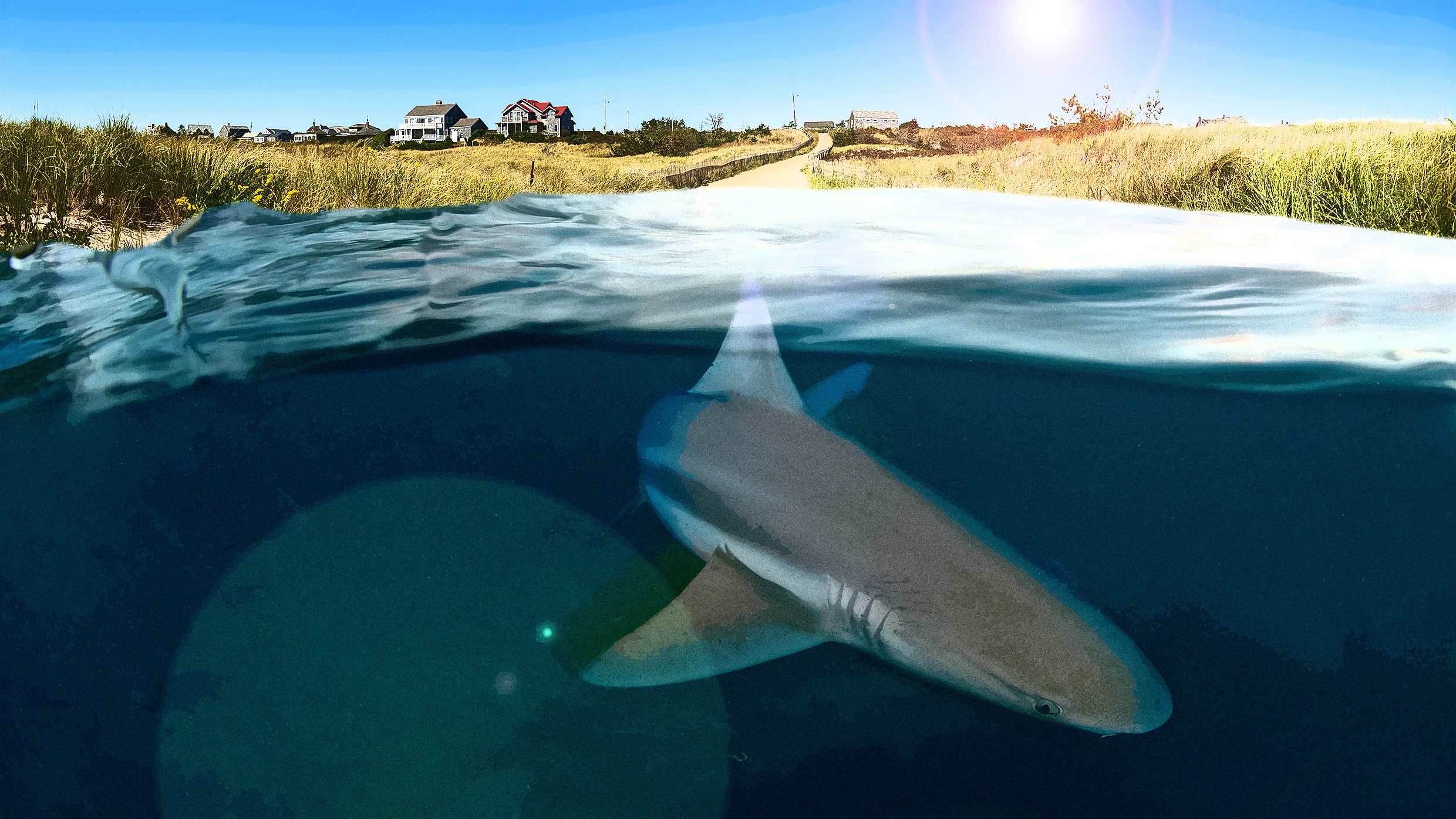
The year 2019 saw a notable surge in documented shark sightings, interactions, and research tracking across global coastal hotspots, sparking intense public interest, heightened beach safety protocols, and valuable marine biological data collection.
Public fascination with marine predators reached a distinct peak in 2019, driven by widespread media coverage of coastal encounters, advances in electronic tagging technology, and the growing popularity of citizen-science tracking applications. Rather than representing a catastrophic spike in unprovoked attacks, the documented events from that year offered scientists a clearer window into shifting migration patterns, changing ocean temperatures, and the complex overlap between human recreation and natural marine habitats. Examining these notable encounters requires looking past sensationalized headlines to understand the environmental and behavioral context of each event.
The Context of Marine Encounters: Understanding 2019 Data
To evaluate shark activity during any given year, marine biologists and conservationists rely on standardized reporting databases, such as the International Shark Attack File (ISAF) maintained by the Florida Museum of Natural History, alongside regional fisheries departments and oceanographic monitoring networks. The term "sighting" encompasses a broad spectrum of events: everything from a dorsal fin spotted near a crowded surfing beach to a tagged apex predator tracked via satellite hundreds of miles offshore, or a brief underwater encounter reported by scuba divers.
In 2019, increased deployment of acoustic telemetry receivers and satellite tags allowed researchers to monitor individual sharks with unprecedented precision. These technological tools revealed that many high-profile sightings involved juvenile white sharks (Carcharodon carcharias) utilizing shallow coastal nursery grounds, such as those along the coasts of California, the northeastern United States, and Western Australia. Understanding that these areas naturally serve as feeding and pupping grounds helps contextualize why certain locations experience repeated animal presence without necessarily translating to increased danger for humans.
Global Hotspots: Where Sightings Concentrated in 2019
Geographical analysis of shark activity in 2019 highlights distinct regional trends driven by water temperature, prey availability, and coastal geography. Certain areas traditionally record higher numbers of interactions due to massive seal populations or deepwater drop-offs located close to shore.
North American Coastal Waters
The Atlantic and Pacific coasts of the United States experienced significant media attention regarding marine predator activity throughout 2019. Cape Cod, Massachusetts, remained a focal point for white shark research and public safety management. The exploding population of gray seals (Halichoerus grypus) in the region—a direct success story of the federal Marine Mammal Protection Act of 1972—has naturally drawn apex predators closer to recreational beaches.
On the opposite coast, Southern California beaches recorded numerous juvenile white shark sightings from San Diego up to Santa Barbara. Lifeguard divisions utilized drones, paddleboard patrols, and public warning signs to monitor these animals, which frequently swam within yards of surfers and swimmers without showing aggressive behavior.
Australian and South African Waters
Australia’s coastline, particularly New South Wales and Western Australia, implemented advanced technological solutions in 2019 following historical concerns over human-wildlife conflicts. Drum lines, aerial drone surveillance, and satellite-linked listening stations were deployed extensively to track tagged great white, tiger (Galeocerdo cuvier), and bull sharks (Carcharhinus leucas). Similarly, South African beaches experienced shifts in traditional shark distribution, notably around False Bay, where fluctuating populations of broadnose sevengill sharks and great whites altered local ecotourism and safety protocols.
Notable Incidents and Documented Sightings
While thousands of unrecorded marine animal passes go unnoticed every year, specific occurrences in 2019 captured global attention due to their unique circumstances, scientific value, or the response they triggered from local authorities.
- Cape Cod Acoustic Tracking Discoveries: Researchers from the Atlantic White Shark Conservancy documented record numbers of individual sharks identified via fin-matching photography and acoustic tags, confirming that the waters off Massachusetts represent a major seasonal aggregation site in the Northwest Atlantic.
- California Drone Monitoring Insights: Municipalities in Southern California captured extensive high-definition aerial footage of juvenile white sharks schooling or resting near popular surf breaks, proving that humans and sharks frequently share coastal waters with minimal friction.
- New South Wales Tagging Operations: Australian marine authorities successfully tagged and released numerous large specimens, providing real-time smartphone alerts to beachgoers via the SharkSmart app when tagged animals swam past automated receivers.
- Mediterranean Sea Sightings: Rare confirmed sightings of great white and shortfin mako sharks in parts of the Mediterranean prompted renewed interest from European marine institutes studying dwindling pelagic shark populations.
| Region | Primary Species Observed | Dominant Activity / Context | Safety & Monitoring Response |
|---|---|---|---|
| Cape Cod, USA | Great White Shark | Seal predation and seasonal migration | Acoustic monitoring, beach closures, public education |
| Southern California, USA | Juvenile White Shark | Nursery ground utilization, shallow water cruising | Drone surveillance, lifeguard advisories, research tracking |
| New South Wales, Australia | Bull, Tiger, and Great White | Coastal foraging and warmer water movement | Smart drum lines, satellite listening stations, mobile apps |
| Western Australia | Great White Shark | Pelagic hunting and transit | Helicopter patrols, beach enclosures, shark barriers |
Scientific Perspectives: Why Sightings Seemed More Frequent
The apparent rise in shark sightings during 2019 did not necessarily mean oceans were suddenly overrun with predators. Instead, marine scientists pointed to several anthropogenic and environmental factors driving increased reporting:
- Proliferation of Consumer Drones: In 2019, affordable, high-quality aerial drones became ubiquitous among beachgoers and local news crews. This technology unlocked an entirely new perspective on the coastal zone, revealing marine life that had always been present just beyond the surf break but previously remained invisible from the shore.
- Expansion of Citizen Science Apps: Mobile applications allowing beachgoers, fishers, and boaters to log and photograph marine animal encounters created an unprecedented crowd-sourced database, dramatically improving reporting speed and volume compared to previous decades.
- Recovery of Protected Prey Species: Successful conservation policies enacted decades prior rebuilt populations of seals, sea lions, and schooling fish. As marine mammal populations rebounded, apex predators followed their food sources back to historical feeding grounds near populated human beaches.
- Growth in Coastal Tourism and Water Sports: With more people engaging in ocean recreation—such as paddleboarding, surfing, open-water swimming, and kayaking—the statistical probability of human-animal overlap naturally multiplied.
Beach Safety, Mitigation Strategies, and Best Practices
The empirical data gathered throughout 2019 directly informed modern ocean safety frameworks. Rather than relying solely on reactive measures or culling programs, coastal communities increasingly turned to non-invasive mitigation technologies and educational campaigns.
Technological and Physical Deterrents
Modern beach management relies heavily on data rather than fear. Smart drum lines catch and relocate large predatory species safely offshore without harming them. Personal electronic deterrents, magnetic pebble barriers, and acoustic pingers gained traction among surfers and divers seeking personal protection layers. Furthermore, real-time receiver networks transmit automated signals to public websites and smartphone applications whenever a tagged shark swims past a designated listening station.
Practical Guidelines for Ocean Goers
Marine biologists and safety officials emphasize that entering the ocean always involves accepting a degree of natural risk. To minimize potential interactions with marine predators, ocean users should adhere to established safety guidelines:
- Avoid swimming at dawn, dusk, or nighttime when many predatory species actively feed close to shore.
- Refrain from swimming near seals, sea lions, or large schools of baitfish, as these indicate active predatory hunting.
- Avoid wearing shiny jewelry or high-contrast clothing that mimics the flashing scales of injured fish.
- Swim in groups rather than alone, and stay relatively close to the shoreline where lifeguards are stationed.
- Heed all local beach advisory signs, drone warnings, and lifeguard instructions immediately.
Frequently Asked Questions
Did shark attacks increase globally in 2019?
While regional sightings and tracking data fluctuated, overall unprovoked bite numbers remained statistically low and consistent with long-term historical averages. Most documented 2019 encounters involved sightings or non-injurious investigative bumps rather than aggressive attacks.
Why were so many juvenile sharks seen near beaches in 2019?
Sharks often use shallow, protected bays and coastal zones as nurseries because these areas offer warm water and abundant small fish while shielding young animals from larger pelagic predators like orcas or adult sharks.
How do researchers track shark movements?
Scientists utilize several methods, including acoustic telemetry (tagging a shark with a transmitter that pings nearby underwater receivers), satellite pop-up archival tags, and dorsal fin photography to catalog individual animals through unique markings.
Are shark sightings a sign of a failing marine ecosystem?
Actually, marine biologists view the return of apex predators to certain coastal areas as an indicator of a recovering, healthy ecosystem, particularly where marine mammal populations have successfully rebounded under conservation laws.
What should a swimmer do if they spot a shark?
Remain calm, do not splash or panic, and slowly back away toward the shore or boat. Keep your eyes on the animal if possible, and alert lifeguards or other swimmers in a controlled, non-hysterical manner.
Conclusion and Next Actions
The documented shark sightings of 2019 serve as a valuable historical baseline for understanding how human populations and marine life increasingly share coastal ecosystems. By replacing fear with scientific literacy, technological monitoring, and common-sense ocean safety habits, beachgoers can safely enjoy marine environments while respecting the vital ecological role apex predators play in ocean health. For those planning coastal activities, staying informed through local municipal safety channels and regional tracking apps remains the best approach to responsible ocean stewardship.