European shoe size 36 is a standard footwear measurement widely used across continental Europe, often corresponding to a women’s US size 5.5 to 6 or a UK size 3.5. Understanding how this size is calculated requires examining continental sizing systems, foot-length measurements in centimeters, and the inherent variations across different footwear manufacturers and global regions.
Navigating international shoe sizing can often feel like translating a complex puzzle, especially when moving between European, British, American, and Asian standards. For anyone encountering European sizing for the first time—particularly the ubiquitous size 36—knowing what it represents in concrete measurements prevents costly sizing mistakes when purchasing footwear online or from international brands. This guide breaks down the precise dimensions, regional equivalents, manufacturing nuances, and practical fitting tips for European size 36 footwear.
The Foundations of European Shoe Sizing
To understand what European shoe size 36 means, one must look at how continental European sizing systems are structured. Unlike the United States or United Kingdom systems, which often trace their roots to historical barleycorn measurements or localized grading scales, the continental European system—frequently referred to as the EU size or the Paris Point system—relies on a much simpler linear metric progression.
The Paris Point System Explained
The traditional European shoe sizing system is based on a unit of measurement known as the Paris Point (Paris Stich). One Paris Point is equivalent to exactly two-thirds of a centimeter (approximately 0.667 cm or 0.26 inches).
Under this historical calculation, a size 36 shoe corresponds to a specific number of Paris Points. When you multiply 36 by two-thirds of a centimeter, you arrive at a theoretical last length of 24 centimeters. However, because shoes require internal wiggle room (known as "toe allowance" or functional ease) beyond the exact length of the human foot, a European size 36 is actually designed to fit a foot measuring approximately 22.5 to 23 centimeters in length.
Centimeter Foot Length vs. Shoe Internal Length
A common misconception is that a foot measuring exactly 36 centimeters requires a European size 36. In reality, human feet are measured in linear centimeters from the heel to the tip of the longest toe, whereas shoe sizes account for both the foot length and the manufacturing tolerances of the shoe last.
For European size 36:
- Target Foot Length: 22.5 cm – 23.0 cm
- Insole / Internal Length: Approximately 23.5 cm
- Paris Point Value: 36 points
Global Shoe Size Conversion Equivalents
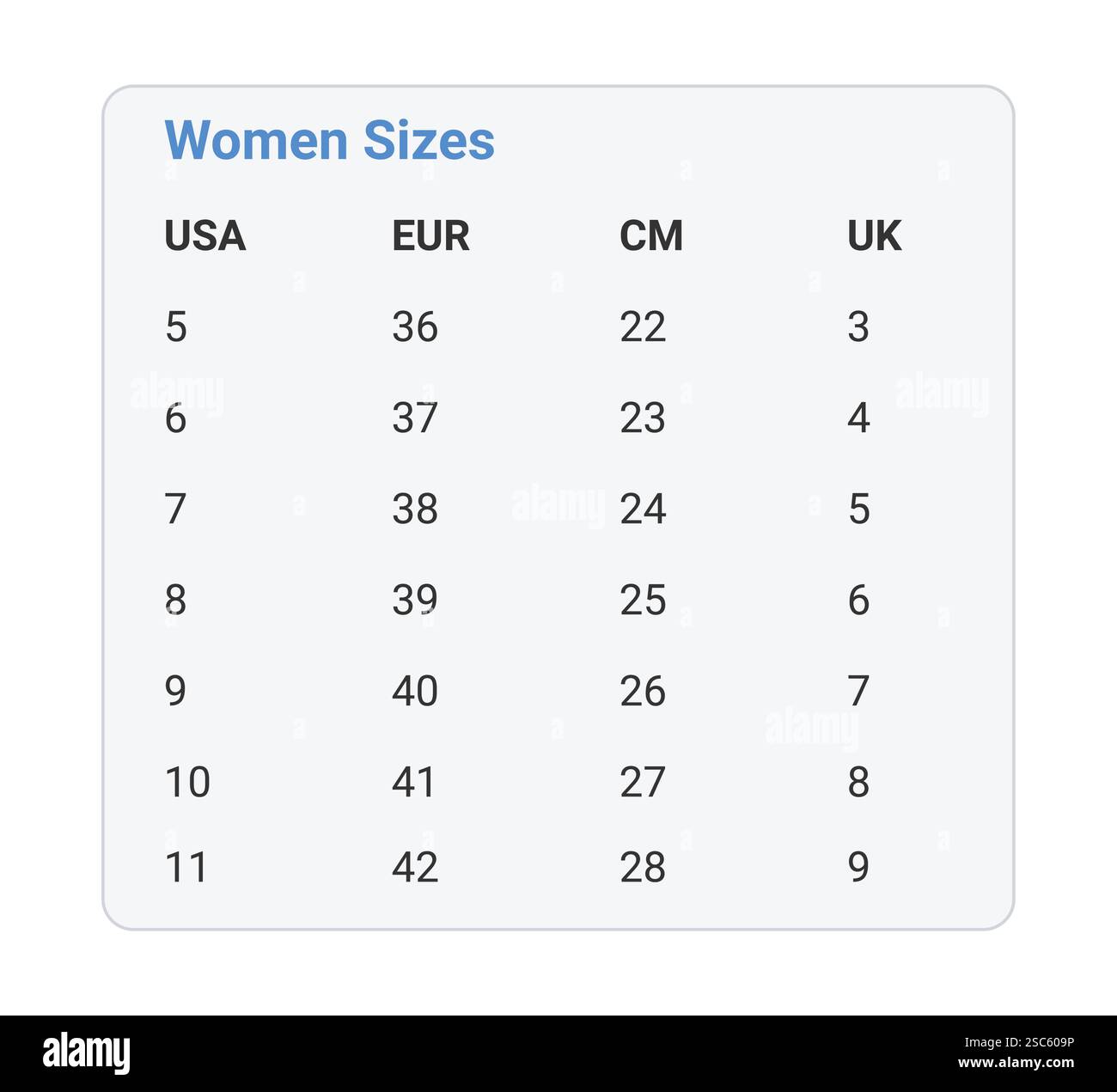
Because footwear markets use entirely different grading scales, translating a European size 36 to other regional systems requires a reliable conversion chart. However, conversions are rarely exact mathematical equations; they often involve rounding to the nearest standard commercial size offered by brands.
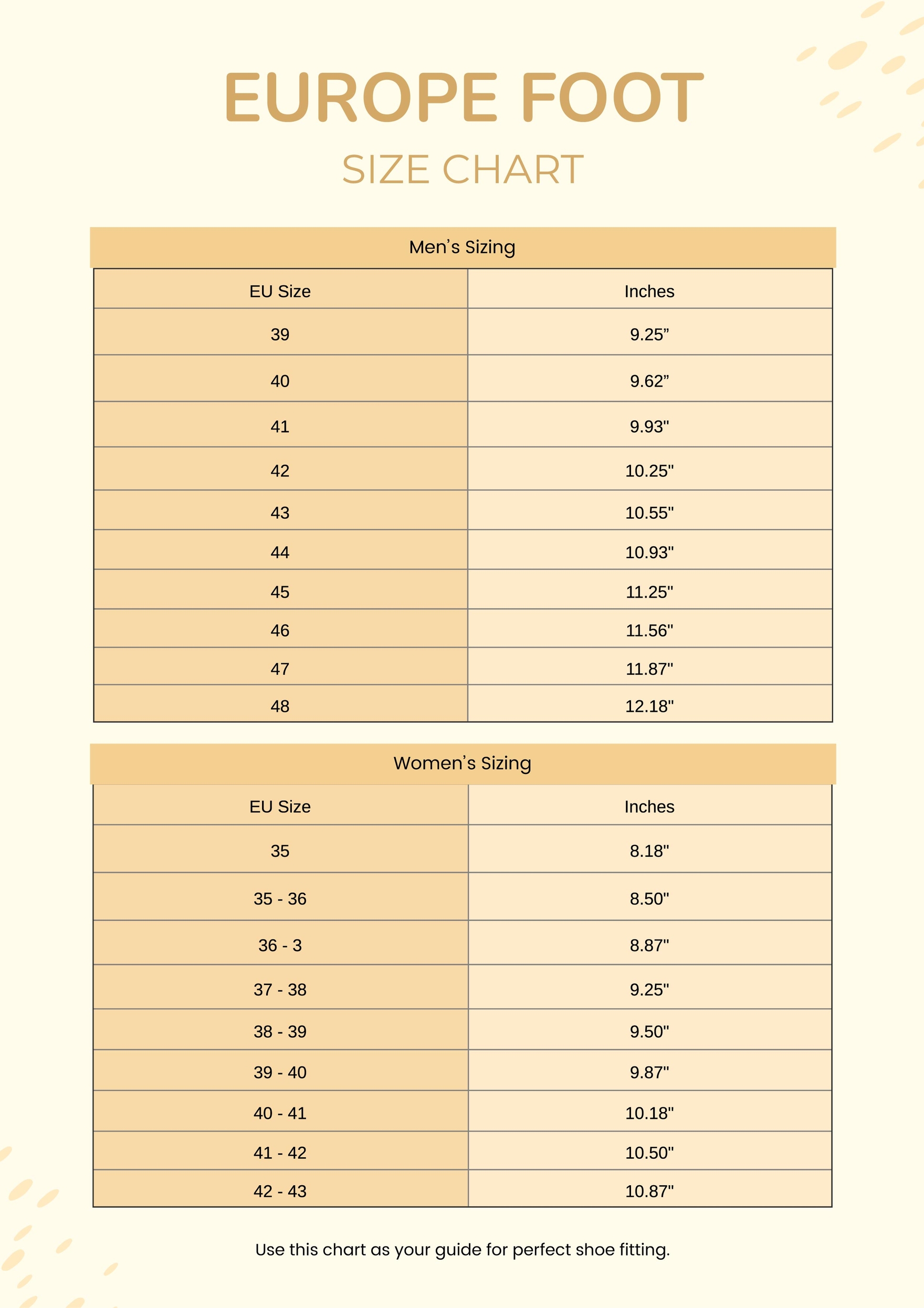
The following table provides a comprehensive comparison of European size 36 alongside its most common international equivalents for adult footwear.
| Region / System | Equivalent Size | Corresponding Foot Length (cm) | Common Fit Notes |
|---|---|---|---|
| European Union (EU) | 36 | 22.5 cm – 23.0 cm | Standard continental sizing used across Europe. |
| United States (US) - Women's | 5.5 – 6 | 22.5 cm – 23.0 cm | Varies slightly by brand; athletic shoes often run smaller. |
| United Kingdom (UK) | 3.5 | 22.5 cm – 23.0 cm | Typically half a size smaller than the equivalent US women's size. |
| Japan (JP) / Mondo Point | 22.5 – 23 | 22.5 cm – 23.0 cm | Directly reflects foot length in centimeters. |
| China (CN) / Mainland | 230 | 23.0 cm | Often measured in millimeters (230 mm). |
Analyzing US and UK Women's Discrepancies
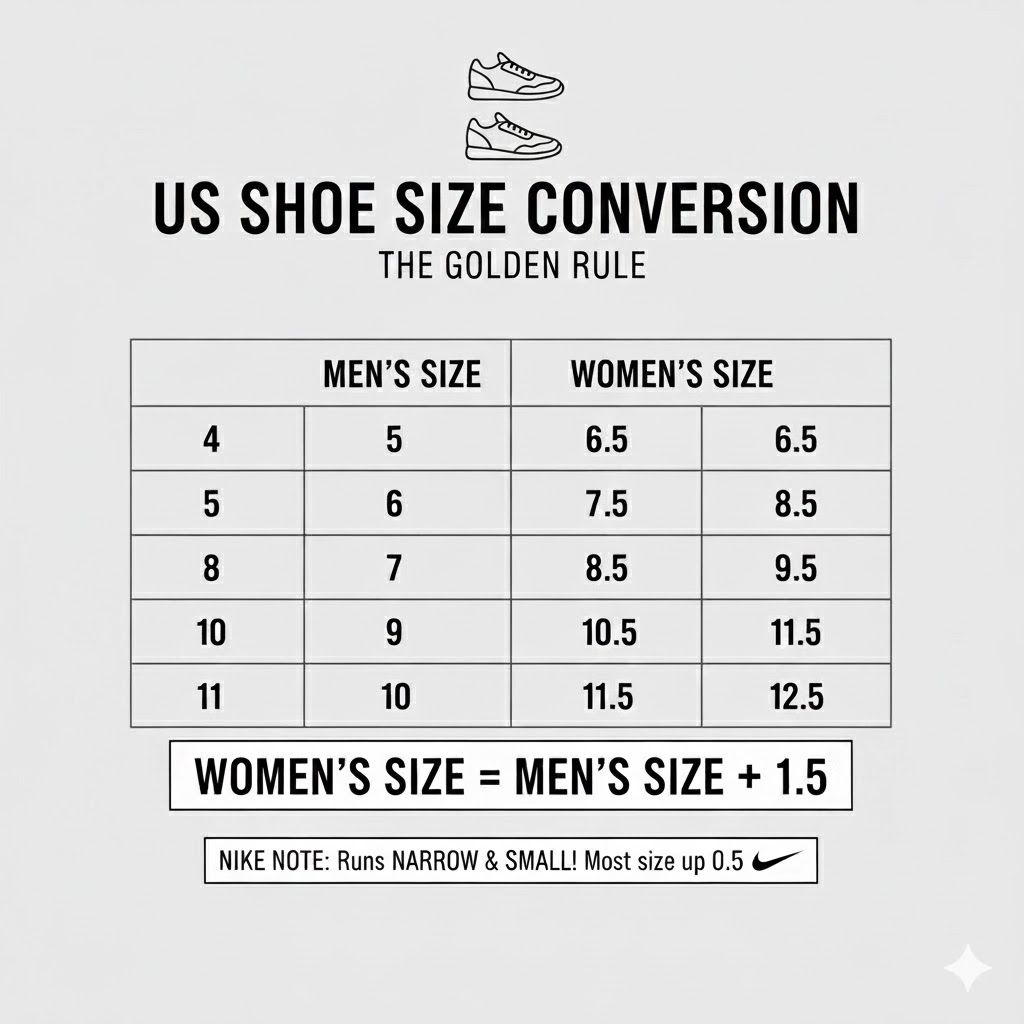
When converting a European size 36 to US women's sizing, buyers frequently encounter a split. Some brands equate EU 36 to a US 5.5, while others designate it as a US 6. This discrepancy occurs because US whole sizes jump by one-third of an inch per size, whereas European sizes progress in smaller two-thirds-of-a-centimeter increments.
For UK sizing, EU 36 firmly lands on UK 3.5. British sizing follows a strict incremental scale where each full size equals one barleycorn (one-third of an inch), starting from a baseline children's size and extending into adult ranges.
Measuring Your Feet Accurately for EU Size 36
Relying solely on conversion charts can occasionally lead to poor fits due to manufacturing variances. Measuring your feet at home provides an objective baseline to confirm whether European size 36 is the correct choice.
Step-by-Step Measurement Procedure
- Prepare a Surface: Tape a piece of blank white paper firmly to a hard, flat floor, ensuring the paper does not slip.
- Weigh Down the Foot: Stand upright on the paper with your weight evenly distributed. Wearing the socks or hosiery you intend to wear with the shoes ensures accurate volume assessment.
- Trace the Foot: Hold a pen or pencil perpendicular (at a 90-degree angle) to the paper. Carefully trace the outline of your foot, staying as close to the natural contours as possible without pressing under the foot.
- Measure the Dimensions: Using a ruler or measuring tape, find the straight-line distance from the very back of the heel to the tip of your longest toe. Measure in centimeters for the highest precision.
- Account for Swelling: Measure your feet in the late afternoon or evening, as human feet naturally swell and expand slightly over the course of the day due to gravity and physical activity.
If your measurement falls squarely between 22.5 cm and 23.0 cm, a European size 36 should provide an accurate fit for standard footwear styles.
Brand Variations, Widths, and Construction Differences
Not all shoes marked with a European size 36 will fit identically. Footwear construction, regional manufacturing standards, and brand-specific lasts introduce variables that go beyond simple length measurements.
Italian vs. German Lasts
Footwear manufactured in southern Europe (such as Italy and Spain) often utilizes sleeker, narrower lasts designed for lower-volume feet. Consequently, an Italian EU 36 might feel slightly more snug across the instep and toe box than a German or Scandinavian EU 36, which often accommodates wider or higher-volume feet more generously.
Athletic Shoes vs. Dress Shoes and Boots
- Athletic & Running Shoes: Brands that specialize in sports footwear often recommend sizing up by a half-size or full size to account for foot expansion during high-impact movement. An athletic EU 36 might feel tighter than a casual leather loafer in the same size.
- Dress Shoes & Heels: Structured leather pumps and formal footwear in EU 36 may require a brief break-in period if they lack stretchable upper materials.
- Boots: Boots often provide extra interior volume to accommodate thick socks, meaning an EU 36 boot may feature a slightly roomier internal cavity than an EU 36 flat sandal.
Frequently Asked Questions About European Shoe Size 36
Is European shoe size 36 considered men's or women's sizing?
European shoe sizing is generally unified, meaning the numbers represent physical length rather than gendered categories. However, size 36 falls on the smaller end of the adult spectrum and is predominantly marketed and produced as a women's size. Men's European sizing typically starts at size 39 or 40, though smaller adult feet occasionally require unisex or custom production.
How do I know if I need a half size up from EU 36?
If your foot measurement exceeds 23.0 cm—even slightly, such as 23.2 cm—an EU 36 will likely compress your toes against the front of the shoe. In such cases, moving up to an EU 37 is recommended. Additionally, if you have wider-than-average feet and the brand does not offer dedicated wide-width options, sizing up provides necessary lateral relief.
Are European sizes the same as UK sizes?
No, European and UK sizing systems are entirely different. While European sizes use the Paris Point system based on centimeters (where size 36 equals roughly 23 cm of internal space), UK sizes are based on historical inches and barleycorns, where an adult size 3.5 roughly matches an EU 36.
Why do some brands list EU 36 as US 5.5 and others as US 6?
This variance arises because US whole sizes do not map perfectly onto the metric-based European Paris Point scale. Different manufacturers choose the US size that closest approximates their specific last's volume and length, leading to minor inconsistencies across brands. Always consult a brand-specific printable size guide when available.
Practical Next Actions and Recommendations
When purchasing European size 36 footwear for the first time, examine the brand's official sizing matrix rather than relying solely on generalized conversion charts. If you are purchasing structured leather shoes or high-end designer footwear from continental Europe, review their specific width indicators if available. When your foot measurements sit on the upper boundary of the 22.5 cm–23.0 cm range, opting for the larger adjacent size or seeking out styles with adjustable closures (such as laces or straps) ensures long-term comfort.