In 2019, the Kardashian-Jenner family reached a collective estimated net worth of approximately $1.7 billion. This valuation was primarily driven by Kylie Jenner’s $1 billion "self-made" billionaire status, Kim Kardashian’s $370 million stake in KKW Beauty, and the significant earnings of Kris Jenner, alongside the early-stage growth of Kim's shapewear brand, Skims.
The year 2019 served as a watershed moment for the Kardashian-Jenner family, transitioning them from reality television stars into legitimate titans of the beauty and apparel industries. While the family had been wealthy for a decade, 2019 was the year their private equity valuations and corporate acquisitions—most notably the Coty Inc. deal—solidified their status in the global financial markets. Understanding the $1.7 billion figure requires a deep dive into the individual assets, the brand valuations of that specific era, and the strategic shifts that allowed them to monetize influence at an unprecedented scale.
The Components of the $1.7 Billion Valuation
To understand how the family arrived at a $1.7 billion aggregate in 2019, one must deconstruct the earnings of the individual members. At that time, the "family" net worth was heavily weighted toward the two most successful entrepreneurs in the group: Kylie Jenner and Kim Kardashian.
Kylie Jenner: The Billion-Dollar Milestone
In March 2019, Forbes famously declared Kylie Jenner the youngest "self-made" billionaire at age 21. The vast majority of her wealth was tied to Kylie Cosmetics, a company she owned 100% of at the start of that year. By late 2019, she agreed to sell a 51% stake in the company to beauty giant Coty Inc. for $600 million, a deal that valued the entire enterprise at roughly $1.2 billion. This transaction was the primary engine behind the family's surge in net worth, providing a concrete, market-verified valuation for their brand equity.
Kim Kardashian: Building the KKW and Skims Foundations
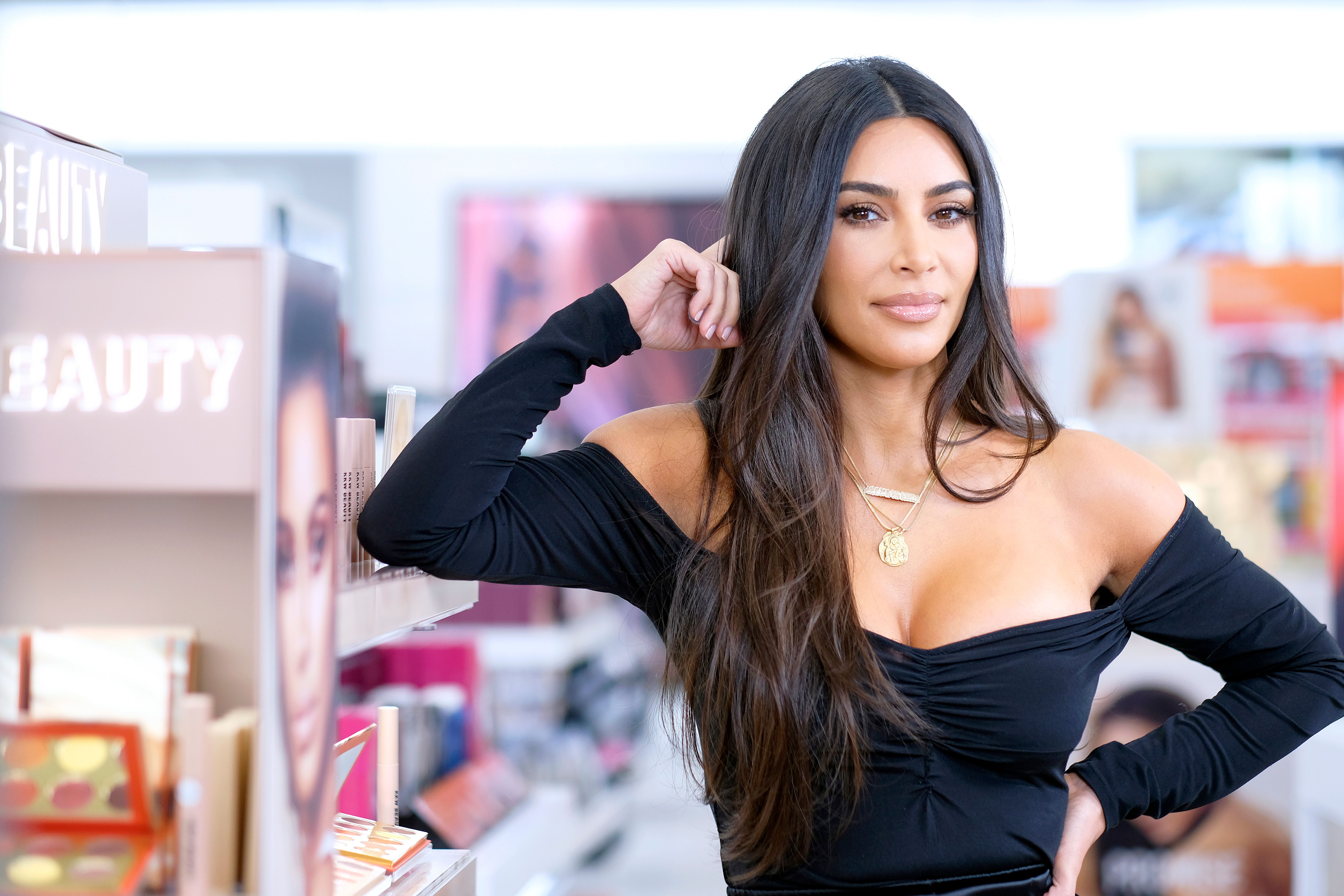
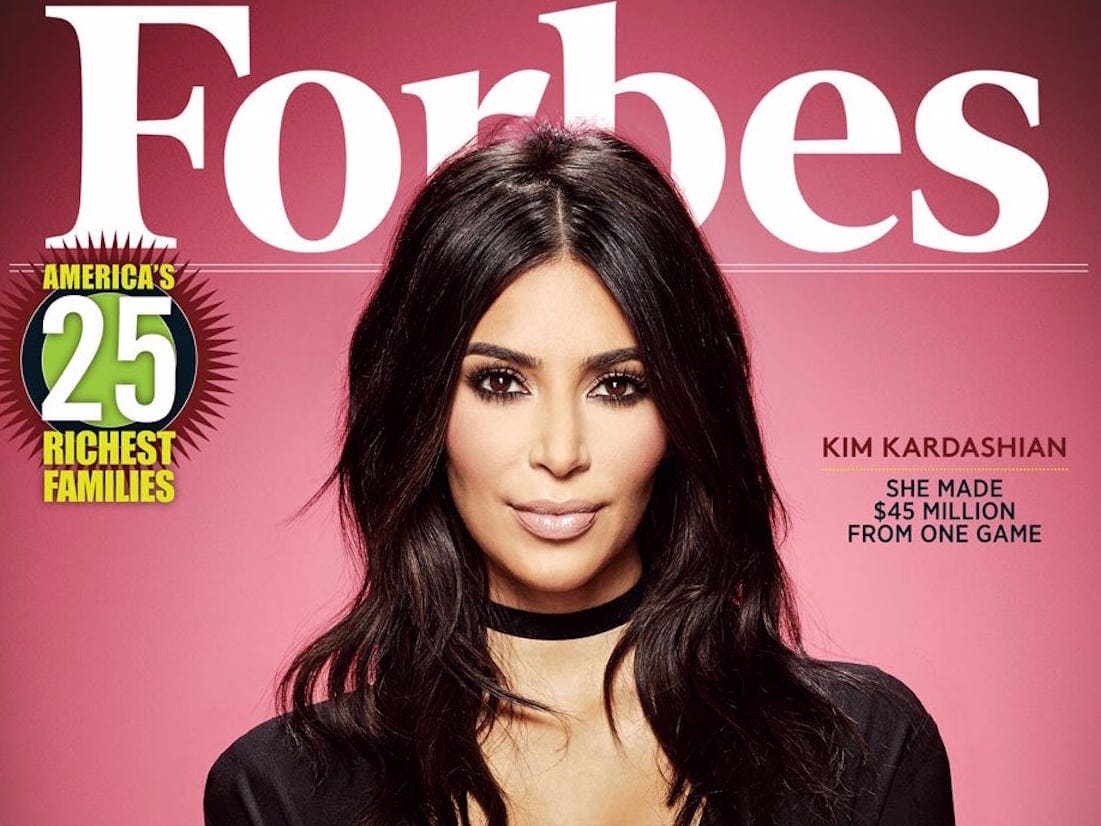
In 2019, Kim Kardashian’s personal net worth was estimated at $370 million. Her wealth was diversified across several high-performing verticals:
- KKW Beauty: Launched in 2017, the brand was generating significant revenue by 2019 through its direct-to-consumer model.
- Skims: Launched in September 2019 (originally announced as Kimono), the shapewear brand saw immediate success, selling out its initial inventory in minutes and generating millions in its first day of sales.
- Social Media and Endorsements: With over 150 million Instagram followers in 2019, her per-post rate was estimated between $300,000 and $500,000.
- The Mobile Game: Kim Kardashian: Hollywood continued to provide a steady stream of passive licensing income.
Kris Jenner: The 10% "Momager" Infrastructure
Kris Jenner’s wealth in 2019 was estimated at $90 million to $100 million. Her financial model is unique; as the manager for all her children, she historically takes a 10% cut of their gross earnings. As Kylie and Kim’s businesses scaled into the hundreds of millions, Kris’s management fees grew proportionally. Additionally, her role as an executive producer on Keeping Up With the Kardashians ensured a significant base salary from the E! Network.
Financial Breakdown of the Kardashian-Jenner Empire (2019 Estimates)
The following table outlines the estimated distribution of wealth among the primary family members during the 2019 fiscal year.
| Family Member | Estimated Net Worth (2019) | Primary Revenue Sources |
|---|---|---|
| Kylie Jenner | $1,000,000,000 | Kylie Cosmetics, Coty Deal, Endorsements |
| Kim Kardashian | $370,000,000 | KKW Beauty, Skims, TV Salary, Social Media |
| Kris Jenner | $90,000,000 | Management Fees (10%), TV Production |
| Khloé Kardashian | $40,000,000 | Good American, TV Salary, Endorsements |
| Kourtney Kardashian | $35,000,000 | Poosh, TV Salary, Social Media Ads |
| Kendall Jenner | $30,000,000 | Modeling Contracts (Estée Lauder, etc.), Moon |
| Total Aggregate | ~$1,565,000,000+ | Combined Business Equity and Liquid Assets |
Note: The $1.7 billion figure often cited in 2019 discussions frequently included the estimated brand value of their upcoming ventures and the rising valuation of Kanye West’s Yeezy brand, which was closely tied to Kim Kardashian’s household wealth at the time.
The Role of Strategic Partnerships and Acquisitions
The $1.7 billion valuation was not merely a reflection of cash in the bank; it was a reflection of enterprise value. The most significant event of 2019 was the Coty Inc. partnership.
The Coty Inc. Deal
In November 2019, Coty Inc. announced its acquisition of a majority stake in Kylie Cosmetics. This was a pivotal moment for celebrity-led brands. It proved that "influencer brands" could transition from social media trends to corporate assets with institutional backing. The deal provided Kylie with $600 million in liquidity while allowing her to retain 49% of the company. For the family, this was the "proof of concept" needed to show that their followers were not just fans, but a loyal customer base with a high Lifetime Value (LTV). You can read more about the Coty acquisition details via Reuters.
The Skims Launch Strategy
While KKW Beauty was Kim’s primary focus early in 2019, the launch of Skims in September 2019 redefined her financial trajectory. Unlike many celebrity products that are licensed out, Kim maintained significant ownership and operational control. By focusing on inclusivity—offering a wide range of sizes and "nude" shades for different skin tones—Skims tapped into a market gap that legacy brands like Victoria’s Secret were failing to address. This strategic positioning in 2019 laid the groundwork for the multi-billion dollar valuation Skims would eventually achieve in the following years.
Valuation Methodologies and the "Self-Made" Debate
The $1.7 billion figure was subject to intense scrutiny by financial analysts and journalists. To understand how these numbers are reached, one must look at the specific methodologies used by outlets like Forbes and Bloomberg.
Revenue Multiples
In 2019, beauty companies were often valued at 3x to 6x their annual revenue. Because Kylie Cosmetics had incredibly low overhead (outsourcing manufacturing to Seed Beauty and marketing via social media), its profit margins were exceptionally high—estimated at over 40%. When a company with $360 million in annual revenue has such high margins and zero debt, its valuation skyrockets.
The Ownership Structure
A key reason for the high net worth in 2019 was the family's insistence on equity over endorsements. In the early 2010s, the family mostly signed licensing deals. By 2019, they had pivoted to owning the entities. This shifted their wealth from "income-based" (getting paid for a job) to "asset-based" (owning something that grows in value). This distinction is what allowed their collective net worth to cross the billion-dollar threshold.
Controversy and Re-evaluation
It is important to note that the $1.7 billion figure and Kylie’s billionaire status faced challenges. In 2020, Forbes published an investigation suggesting that the figures provided by the Jenner camp prior to the Coty deal may have been inflated or that the business was smaller than led to believe. However, even with conservative adjustments, the family remained one of the wealthiest "self-made" entertainment dynasties in history.
Real Estate and Portfolio Diversification in 2019
Beyond their cosmetic and clothing empires, a significant portion of the family's $1.7 billion valuation was tied to high-end real estate.
- The Hidden Hills Estate: Kim and Kanye’s primary residence was valued at roughly $60 million in 2019 after extensive renovations.
- Kylie’s Real Estate Portfolio: By 2019, Kylie had bought and sold several properties in Calabasas and Hidden Hills, including a $12 million mansion and various land plots intended for development.
- The La Quinta Properties: Several family members invested in the Madison Club, an exclusive enclave in La Quinta, California, further diversifying their assets into luxury land.
These physical assets provided a "wealth floor," ensuring that even if the volatility of the beauty market affected their business valuations, their personal net worth remained anchored in tangible, appreciating property.
The Influence of Kanye West on the 2019 Figures
While Kim Kardashian’s individual net worth was roughly $370 million in 2019, her household wealth was significantly higher due to her marriage to Kanye West. In 2019, West was in the midst of a massive financial turnaround.
West’s Yeezy brand, a partnership with Adidas, was experiencing explosive growth. By late 2019, Forbes estimated Kanye’s net worth at $240 million, though West himself claimed it was much higher, citing the valuation of the Yeezy brand. Because California is a community property state, the financial health of the "Kimye" household was often conflated in media reports, sometimes pushing the "family" net worth discussion into the multi-billion dollar range even before Kim herself became an official billionaire in 2021.
Why the 2019 Figure Matters Today
Looking back from 2026, the 2019 net worth of $1.7 billion serves as a case study in the transition from the "Attention Economy" to the "Equity Economy." The Kardashians did not just sell products; they sold an aesthetic that they owned entirely.
The success of 2019 allowed the family to:
- Weather the economic shifts of the early 2020s.
- Pivot into new markets (e.g., Kim’s private equity firm, SKKY Partners).
- Maintain total creative control over their brand narratives.
The $1.7 billion was not a ceiling but a foundation. It proved that the Kardashian-Jenner brand was not a passing fad of the reality TV era but a sustainable corporate conglomerate.
Frequently Asked Questions
Was Kylie Jenner really a billionaire in 2019?
In 2019, Forbes officially certified her as a billionaire based on the valuation of Kylie Cosmetics and the subsequent 51% stake sale to Coty Inc. However, in 2020, Forbes walked back this claim, suggesting that the business was less profitable than the documents they were shown indicated. Despite the dispute, she remained one of the wealthiest young entrepreneurs globally, with hundreds of millions in liquid assets following the Coty deal.
How much did Kim Kardashian make from Skims in 2019?
Skims launched in late 2019 and reportedly made $2 million in sales within the first few minutes of the website going live. While it did not contribute hundreds of millions to her net worth immediately in 2019, the successful launch and the high demand set the stage for the brand’s $4 billion valuation seen in later years.
Did the 2019 net worth include the siblings like Rob Kardashian?
Most "family net worth" calculations focusing on the $1.7 billion figure primarily counted the assets of Kim, Kylie, and Kris. While Rob Kardashian, Kendall, Kourtney, and Khloé all had multi-million dollar net worths, their contributions to the aggregate were smaller compared to the massive equity held by Kim and Kylie.
What was the impact of the Coty deal on the family's wealth?
The Coty deal was the most significant financial event for the family in 2019. It converted "paper wealth" (the estimated value of a company) into "cash wealth." By selling a majority stake for $600 million, Kylie Jenner secured a massive amount of liquidity, which significantly boosted the family's overall financial stability and investment capacity.
How did social media followers translate to net worth in 2019?
In 2019, the "conversion rate" of a follower to a customer was the family's greatest asset. They utilized a "0-dollar marketing spend" model. Instead of buying TV ads or billboards, they used Instagram to reach hundreds of millions of people for free. This lowered their Customer Acquisition Cost (CAC) to near zero, resulting in the high profit margins that drove their $1.7 billion valuation.
Practical Next Steps for Analyzing Celebrity Wealth
If you are researching celebrity net worth or the business models of influencer-led brands, it is essential to look beyond the headlines.
- Verify Asset Ownership: Determine if a celebrity owns the brand or merely licenses their name. The Kardashians’ wealth is high because they are owners.
- Look for Liquidity Events: A net worth of $1 billion on paper is different from $1 billion in cash. The 2019 Coty deal is a prime example of a liquidity event.
- Consider Market Multiples: Understand that valuations in the beauty and apparel industries change based on broader market trends.
For further academic or financial analysis of the influencer economy, resources like the Harvard Business Review often provide case studies on the Kardashian-Jenner business model and its impact on modern retail.