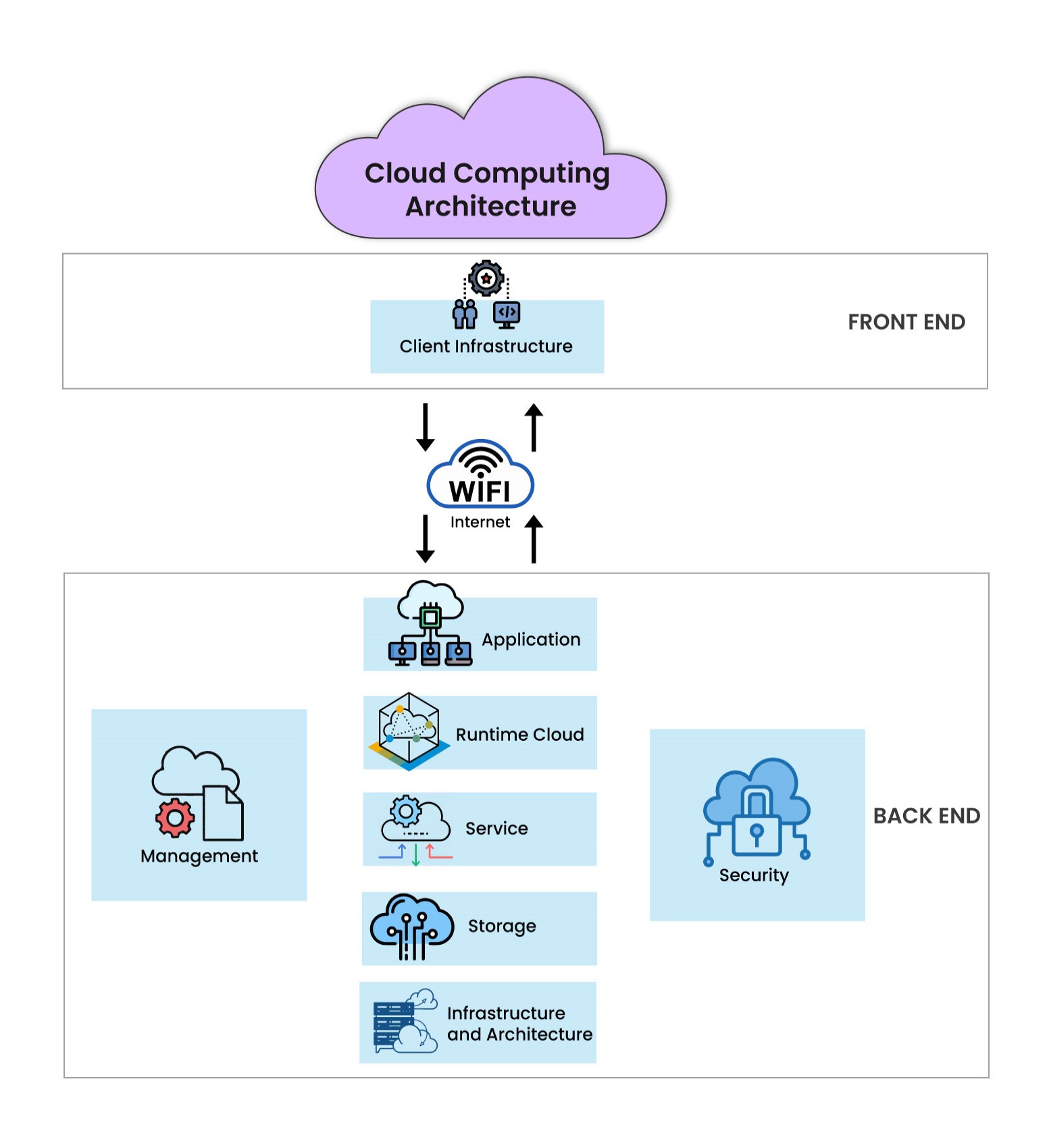
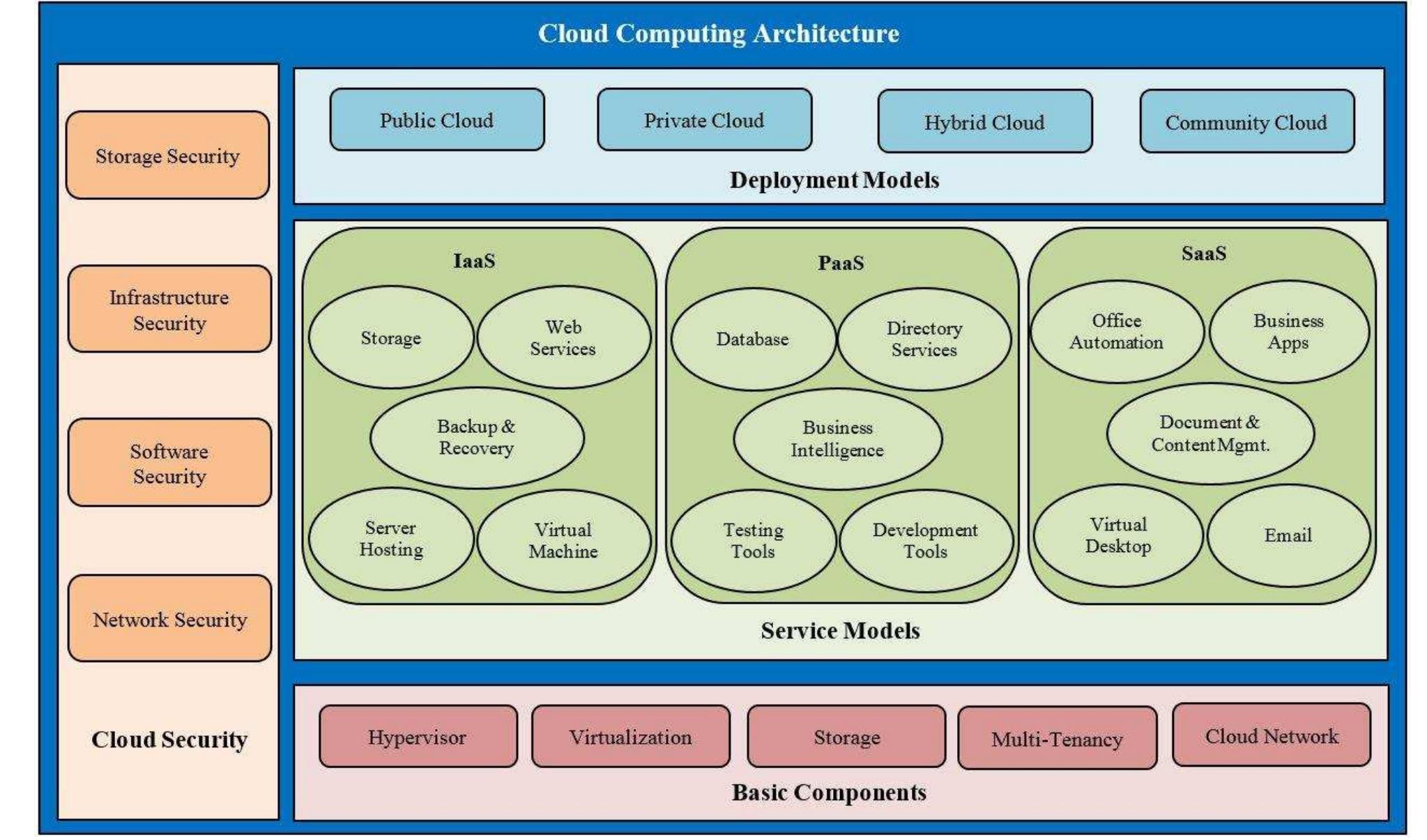
A practical Chinese Wall security model in cloud computing enforces dynamic access controls to prevent conflicts of interest by restricting a user's access to data based on their previous reading history. This model adapts the traditional Brewer-Nash framework to multi-tenant cloud environments through modern Identity and Access Management, attribute-based access control, and automated policy engines.
Understanding the Chinese Wall Security Model
The Chinese Wall security model, originally conceptualized by David Brewer and Michael Nash in 1989, was designed primarily for financial institutions and legal firms. Its core objective is to prevent information leakage and conflicts of interest by ensuring that analysts or consultants working with one organization cannot access data belonging to a direct competitor.
In a traditional mandatory or discretionary access control system, permissions are statically assigned based on clearance levels or ownership. The Chinese Wall model introduces a dynamic element: the access rights of a user mutate over time depending on the data objects they have previously accessed.
Translating this concept to cloud computing requires addressing the unique characteristics of distributed multi-tenant architectures. Modern cloud platforms handle massive volumes of data shared across disparate organizational units, third-party vendors, and internal divisions. Without strict boundary controls, privilege creep or misconfigured role-based access control (RBAC) policies can inadvertently grant users visibility into conflicting datasets, leading to regulatory breaches, insider threats, and compromised proprietary assets.
Core Principles and Theoretical Foundations
To successfully implement this security architecture in the cloud, engineers must understand its foundational components: entities, conflict-of-interest classes, and company datasets.
Conflict-of-Interest (CoI) Classes and Datasets
The model groups conflicting companies or datasets into distinct categories known as CoI classes. For example, all major commercial airlines might fall into one CoI class, while global pharmaceutical firms belong to another.
Within each CoI class, individual datasets represent the confidential information of a specific entity (e.g., Delta Air Lines or United Airlines). The foundational rule of the Chinese Wall model dictates that if a user reads any piece of data belonging to one company within a CoI class, they are permanently and dynamically denied access to all other companies within that same CoI class.
Dynamic Access Control Rules
The access control logic relies on two primary rules:
- Simple Security Rule: A subject (user, service account, or application) can only access a data object if that object is in the same company dataset as objects the subject has already accessed, or if the object belongs to a completely different CoI class where the subject holds no prior history.
- Constrained Security Rule: This limits the freedom of subjects to write data. A write operation is only permitted if it does not leak information across conflicting datasets—preventing a user from reading data from Company A and writing it into a shared storage bucket accessible by Company B.
| Component | Traditional Interpretation | Cloud Computing Implementation |
|---|---|---|
| Subject | Human financial analyst or legal consultant | IAM user, service principal, microservice, or serverless function |
| Object | Physical file folder or database record | Cloud object storage bucket, database row, or data lake partition |
| Conflict-of-Interest (CoI) Class | Industry sector (e.g., banking, energy) | Tagged namespace, resource group, or project boundary |
| Access History Log | Manual audit sheets or internal databases | Centralized SIEM, immutable audit logs, or graph database ledger |
Architectural Challenges in Multi-Tenant Clouds
Deploying a Chinese Wall model in a cloud environment introduces several architectural hurdles that do not exist in on-premises mainframe systems.
Multi-Tenancy and Resource Sharing
Cloud computing relies on resource pooling to maximize efficiency. Compute nodes, storage fabrics, and networking infrastructure are frequently shared among distinct tenants or internal business units. A practical implementation must ensure that logical separation mimics physical isolation. If a caching layer or memory space leaks data between tenants, the security boundary fails, rendering the policy ineffective.
Scalability and State Tracking
Because the Chinese Wall model requires evaluating a user's historical interactions, the access control engine must maintain a real-time state ledger. In cloud-native systems handling millions of transactions per second, querying a historical database for every API call introduces unacceptable latency. Designing a low-latency, highly scalable state-tracking mechanism is one of the most critical engineering challenges in this domain.
Dynamic Identity and Automation
Cloud environments are inherently ephemeral. Containers spin up and down, serverless functions execute and terminate, and service accounts are dynamically provisioned. Static mapping of security clearances is impossible. The access control model must integrate directly with cloud identity providers (IdPs) and infrastructure-as-code (IaC) pipelines to evaluate context and assign constraints on the fly.
Implementing the Model Using Modern Cloud Native Technologies
Building a practical Chinese Wall security model in public or private clouds requires combining multiple cloud-native services. Organizations typically rely on a combination of Attribute-Based Access Control (ABAC), Policy-as-Code engines, and centralized telemetry.
Leveraging Policy-as-Code (PaC)
Tools like Open Policy Agent (OPA) or Cedar provide the granular evaluation engine necessary to enforce dynamic rules. Instead of hardcoding access control lists (ACLs) into applications, security teams write declarative policies that evaluate incoming requests against the user's access history.
package cloud.chinesewall default allow = false # Example OPA snippet enforcing CoI class restrictions allow { input.user.role == "analyst" not has_accessed_conflicting_dataset(input.user.id, input.resource.coi_class, input.resource.dataset_id) } has_accessed_conflicting_dataset(user_id, coi_class, dataset_id) { # Query external immutable state store for user history history := external_state_lookup(user_id) some item in history item.coi_class == coi_class item.dataset_id != dataset_id }
Integration with Cloud IAM and Storage Services
Cloud providers offer native mechanisms that can be augmented with external authorizers:
- AWS IAM and Lake Formation: Fine-grained access control policies can be applied to data lakes, restricting access at the row and column level based on user tags.
- Google Cloud IAM and Context-Aware Access: Access levels can be defined using attributes such as resource tags, IP ranges, and custom assertions.
- Microsoft Entra ID: Conditional Access policies can be configured to integrate with custom authorization webhooks for real-time evaluation.
Step-by-Step Implementation Guide
Deploying a practical Chinese Wall model involves a structured engineering lifecycle. Organizations should follow this phased approach to minimize operational disruption.
- Data Discovery and Classification: Audit all cloud data stores. Tag every database, table, bucket, and object with its respective parent entity and its overarching Conflict-of-Interest class.
- State Repository Setup: Establish a high-availability, low-latency datastore (such as a graph database or distributed key-value store) to log every read interaction between identities and datasets.
- Policy Engine Configuration: Deploy a Policy-as-Code engine (e.g., OPA) as a sidecar proxy or an API gateway authorizer to intercept incoming data requests.
- Integration Testing: Run simulated workloads representing cross-dataset access attempts. Verify that the policy engine successfully blocks requests when a user attempts to access a conflicting dataset within the same CoI class.
- Auditing and Monitoring: Configure continuous logging via native cloud logging services to stream access decisions to a Security Information and Event Management (SIEM) platform for compliance reporting.
Operational Limitations and Trade-offs
While the Chinese Wall model provides robust protection against conflicts of interest, it introduces significant operational trade-offs that organizations must evaluate.
Productivity and Workflow Friction
By design, the model restricts user mobility. Once an analyst reads data from Company A, they are permanently locked out of Company B for the duration of the engagement or project lifecycle. In fast-paced environments, this can create staffing bottlenecks, forcing organizations to hire additional personnel or establish complex organizational workarounds to handle shifting workloads.
Performance Overhead
Evaluating a user's historical access log on every single transaction introduces latency. Caching strategies can mitigate this, but stale cache entries can lead to security bypasses or improper access denials. Engineers must carefully balance performance requirements with security rigor.
Maintenance Complexity
As corporate structures evolve—through mergers, acquisitions, and restructuring—Conflict-of-Interest classes and dataset mappings change frequently. Keeping the policy definitions and metadata tags synchronized with real-world business changes requires dedicated governance frameworks and automated synchronization pipelines.
Frequently Asked Questions
How does the Chinese Wall model differ from Role-Based Access Control (RBAC)?
RBAC grants permissions based statically on a user's job function or title, whereas the Chinese Wall model dynamically revokes or denies permissions based on the user's historical data access patterns to prevent conflicts of interest.
Can the Chinese Wall model be applied to write operations as well as read operations?
Yes. While the primary focus is preventing unauthorized data viewing (reads), the model includes constraints on write operations to ensure that users do not aggregate or leak information from multiple conflicting datasets into a single shared location.
What happens if an organization undergoes a merger or acquisition?
When corporate relationships change, the metadata defining Conflict-of-Interest classes must be updated. This requires administrative intervention to re-tag datasets and reset or adjust user access histories within the policy engine.
Is the Chinese Wall model suitable for all cloud workloads?
No. It is specifically designed for environments handling sensitive, competing commercial interests—such as financial consulting, legal services, M&A advisory, and multi-client managed services. Standard enterprise workloads typically benefit more from traditional RBAC or ABAC models.
Conclusion and Next Actions
Implementing a practical Chinese Wall security model in cloud computing bridges a classic security framework with modern, scalable cloud architecture. By leveraging Policy-as-Code engines, automated metadata tagging, and immutable state tracking, organizations can enforce strict conflict-of-interest boundaries without sacrificing cloud agility. To begin, security teams should audit their most sensitive multi-tenant data repositories, map their organizational Conflict-of-Interest classes, and run a proof-of-concept deployment using a centralized policy authorizer.