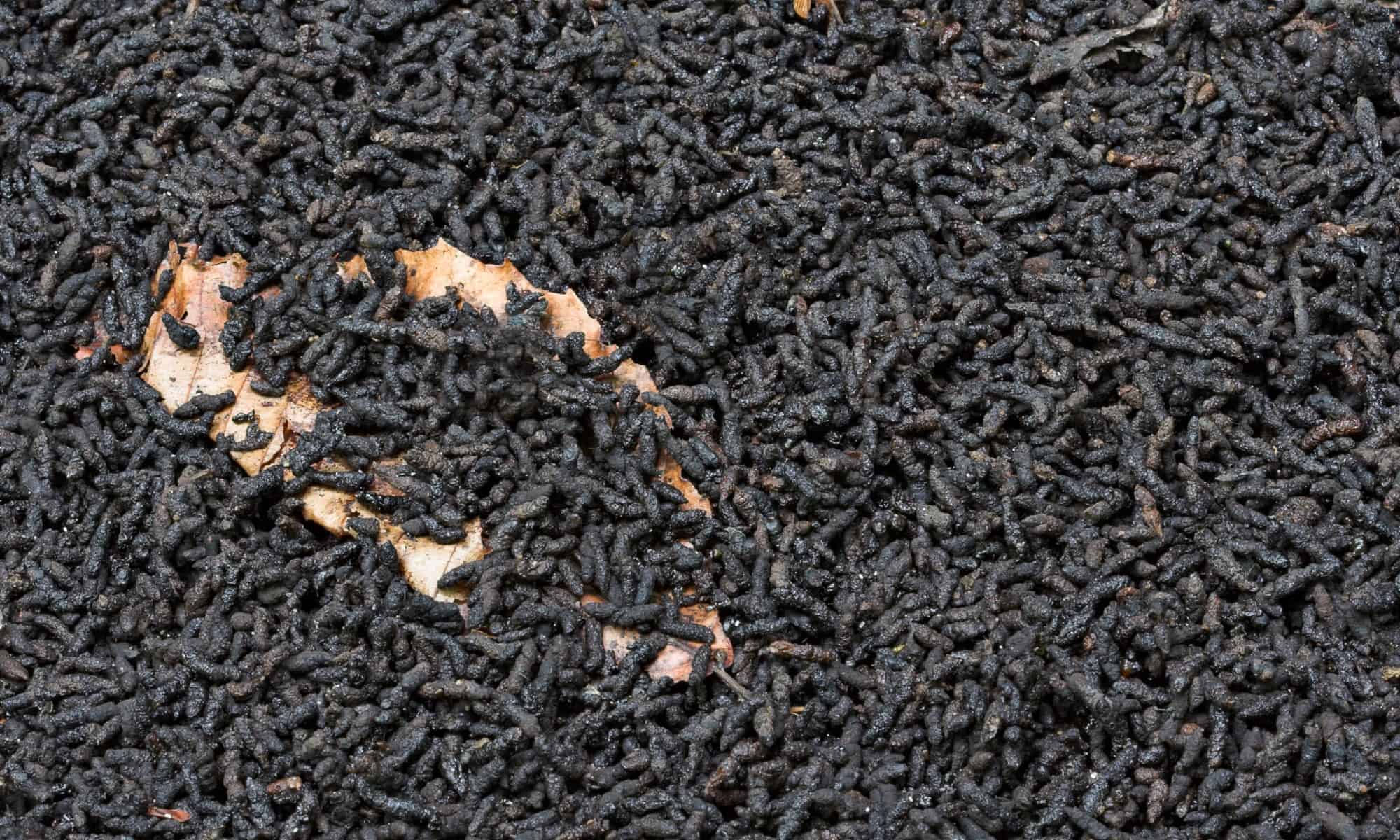
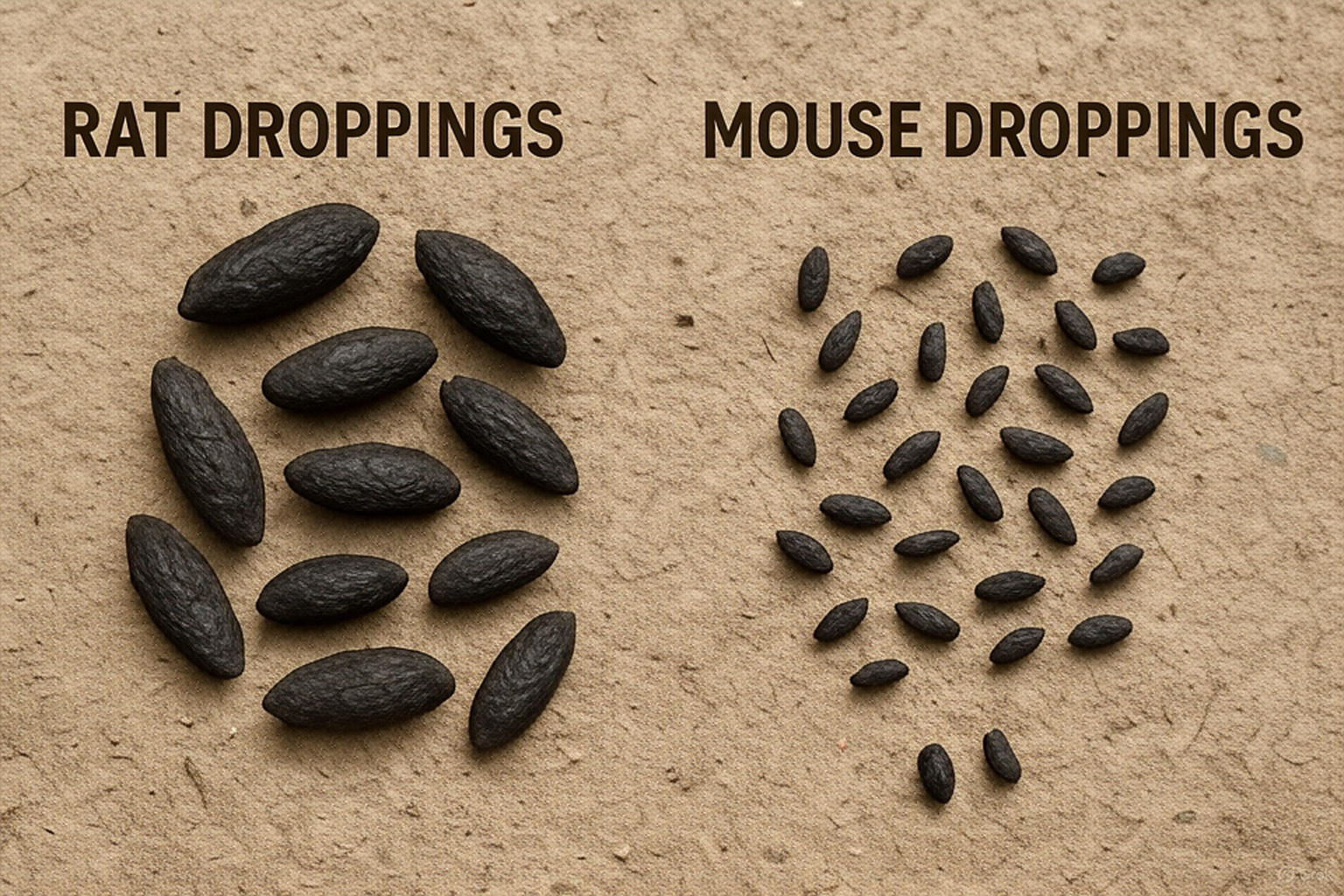
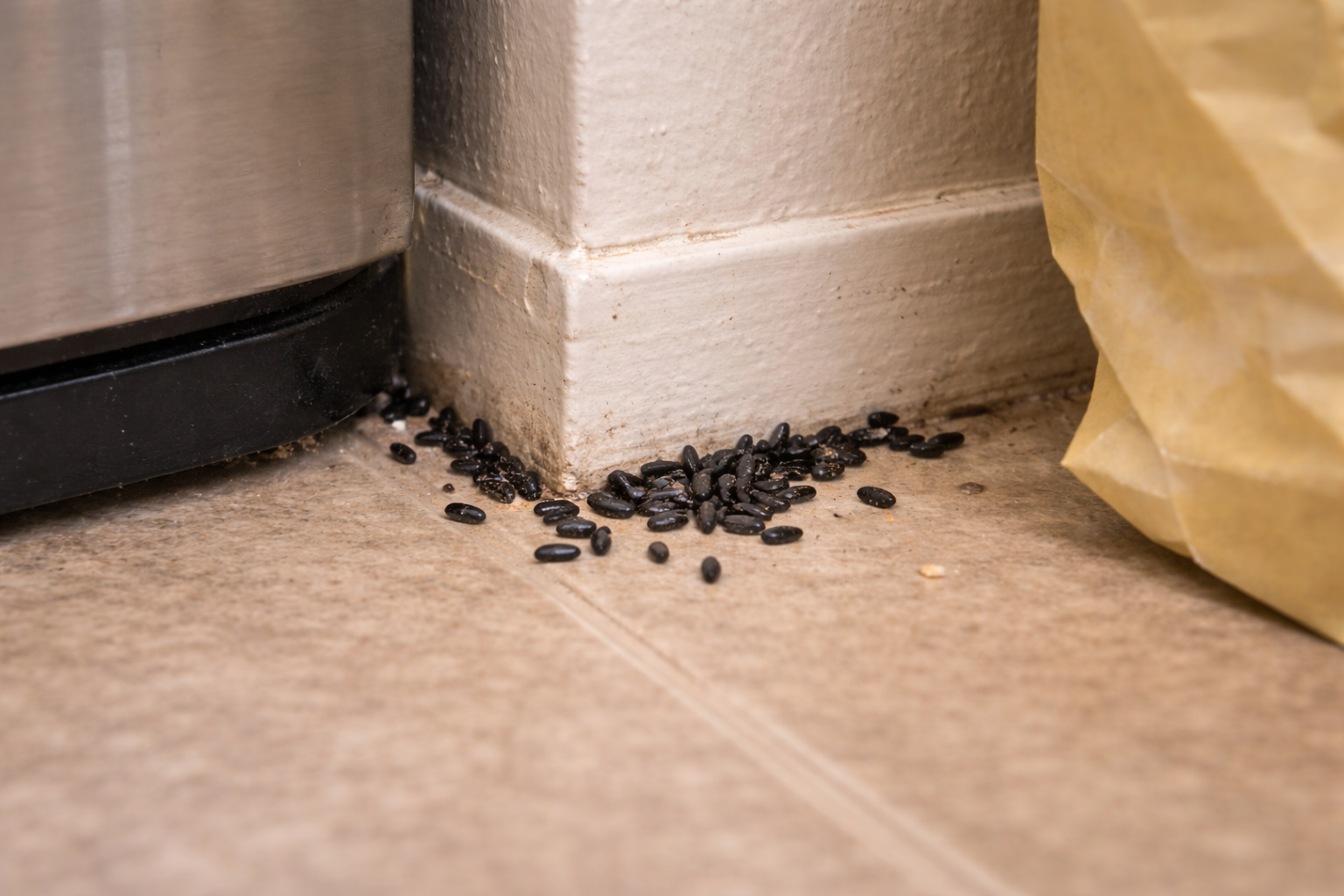
Yes, old mouse droppings are dangerous. Even when dry and seemingly inert, they can harbor pathogens like Hantavirus, Lymphocytic Choriomeningitis (LCMV), and bacteria such as Salmonella. When disturbed, dried droppings can release infectious particles into the air, which may be inhaled by humans. Professional cleaning methods, rather than dry sweeping or vacuuming, are essential to minimize exposure risks.
The Biological Hazard of Rodent Waste
The perception that "old" waste is harmless is a common and potentially dangerous misconception. While the viability of some viruses diminishes over time, the pathogens associated with rodent infestations are exceptionally resilient. Mouse droppings, alongside urine and nesting materials, act as a primary transmission vector for zoonotic diseases—illnesses that spread from animals to humans.
The danger lies in the aerosolization of waste. As droppings dry, they become brittle. Physical agitation—such as walking over them, moving furniture, or attempting to clean them with a broom or a household vacuum—causes these materials to crumble into fine dust. This dust, which contains dried saliva, urine, and fecal matter, becomes airborne. Once in the air, these particles can be inhaled, carrying pathogens deep into the human respiratory system.
Pathogens Associated with Mouse Droppings
Understanding why these droppings remain a concern requires a look at the specific threats they pose. The severity of these risks is dictated by the environment, the local rodent population, and the duration of exposure.
- Hantavirus Pulmonary Syndrome (HPS): This is perhaps the most well-known risk associated with deer mice and white-footed mice. HPS is a severe, sometimes fatal respiratory disease. Infection occurs primarily when aerosolized virus particles from urine, droppings, or saliva are inhaled.
- Lymphocytic Choriomeningitis (LCMV): An arenavirus that can cause neurological symptoms. While often mild in healthy adults, it can pose significant threats to individuals with compromised immune systems or pregnant women, potentially causing severe birth defects.
- Salmonella: Rodents often carry Salmonella bacteria in their intestinal tracts. Droppings can contaminate food storage areas, countertops, and kitchen surfaces. If a person touches these surfaces and then touches their mouth or food, they can contract foodborne illness.
- Leptospirosis: Though more commonly associated with rats, this bacterial infection can also be spread through contact with rodent urine or feces, often entering the body through broken skin or mucous membranes after contact with contaminated surfaces or water.
Why "Old" Does Not Mean "Safe"
Homeowners often assume that if droppings are hard, gray, or crumbly, they are no longer infectious. However, scientific evidence from institutions like the Centers for Disease Control and Prevention (CDC) suggests that these materials should always be treated as hazardous. While viruses like Hantavirus have a limited half-life outside a host—often lasting only a few days to a week in the open environment—the risk of secondary contamination remains.
Furthermore, if the droppings are located in an area with limited light, low humidity, or consistent cool temperatures, the viral load may persist longer than in exposed, high-traffic areas. More importantly, the bacteria and allergens present in the fecal matter do not simply disappear over time; they remain as biological irritants that can trigger asthma and severe allergic reactions in sensitized individuals.
Comparison of Cleaning Methods
The methodology used to remove mouse droppings is just as important as the removal itself. Many people unintentionally increase their risk of illness by using improper techniques.
| Cleaning Method | Safety Status | Reason |
|---|---|---|
| Dry Sweeping | Dangerous | Kicks dust and pathogens into the air. |
| Household Vacuuming | Dangerous | Vacuums without HEPA filters release fine dust back into the air. |
| Wet Mopping | Recommended | Uses liquid to trap particles, preventing aerosolization. |
| Disinfectant Spraying | Recommended | Kills bacteria and neutralizes biological hazards. |
| HEPA Vacuuming | Safe | Industrial-grade filtration traps microscopic particles. |
The Essential Protocol for Safe Removal
If you discover old mouse droppings, do not attempt to clean them up until you have taken proper precautions. If you are dealing with a massive infestation, or if you have underlying respiratory issues, it is strongly recommended that you contact a professional pest control service.
Preparation and Personal Protective Equipment (PPE)
Before starting, ensure the area is well-ventilated. Open windows and doors to allow fresh air to circulate for at least 30 minutes before entering. For PPE, you should wear:
- Nitrile or rubber gloves: To prevent skin contact.
- N95 Respirator: Standard surgical masks do not provide adequate protection against the fine particles associated with hantavirus.
- Goggles: To prevent viral particles from entering the eyes.
- Disposable clothing: Or old clothes that can be washed immediately in hot water and detergent.
The Wet-Cleaning Method
- Spray: Thoroughly spray the droppings and the surrounding area with a disinfectant solution (a mixture of 1 part bleach to 10 parts water is standard) or a commercial-grade household disinfectant. Let the area soak for at least 5 to 10 minutes. This ensures the material is wet and less likely to become airborne.
- Collect: Use paper towels to pick up the wet droppings. Place all materials in a double plastic bag.
- Clean: Clean the surface where the droppings were found with a disinfectant. Mop the floor or wipe down the surface thoroughly.
- Dispose: Once the bag is full, seal it tightly and place it inside a second bag (double bagging). Dispose of it in an outdoor trash container.
- Sanitize: Remove gloves, wash your hands thoroughly with soap and water, and launder any clothing worn during the cleanup process immediately.
When to Seek Professional Assistance
There are scenarios where DIY cleanup is not advised. If you find a large number of nests, if there is a strong odor, or if you discover the infestation is located inside wall voids or HVAC systems, you need professional intervention. HVAC systems, in particular, can circulate contaminated dust throughout an entire home. In these instances, a professional service with specialized equipment—including industrial HEPA vacuums and sanitizing agents—is required to ensure the home is safe.
Frequently Asked Questions
1. Can I use a vacuum cleaner if it has a bag? No. Most standard household vacuums—even those with bags—are not designed to seal against the microscopic particles associated with rodent waste. When you vacuum, you are effectively acting as a dispersal mechanism, spreading potentially infectious dust throughout your home. Only vacuums equipped with high-efficiency particulate air (HEPA) filters are safe, and even then, they should be used by trained professionals.
2. How long do viruses live in old droppings? The duration varies by pathogen and environmental conditions. While hantaviruses are relatively fragile and typically lose infectivity within a few days to two weeks outside a host, the physical dust remains a respiratory irritant, and other bacteria like Salmonella can persist for much longer. Always treat old droppings as an active hazard.
3. What if I have already swept up the droppings? If you have already disturbed the droppings, leave the area immediately. Allow the room to ventilate for several hours before returning. If you develop symptoms such as fever, muscle aches, or difficulty breathing in the days following exposure, consult a medical professional and inform them that you may have been exposed to rodent waste.
4. Can I just spray the droppings with water? While using plain water is better than dry sweeping, it does not disinfect the area. Using a bleach-and-water solution is the preferred method because it serves two purposes: it wets the material to prevent dust, and the bleach acts as a chemical agent to destroy the pathogens.
5. How can I tell if my home is infested with mice? Look for common signs: gnaw marks on wood or wiring, nesting materials (shredded paper, fabric, or insulation), a musky odor, and, of course, the physical presence of droppings. If you see one, there are likely others. Prioritize sealing entry points with steel wool and caulk to prevent further accumulation of waste.
Next Steps for Homeowners
If you have identified old mouse droppings in your home, do not panic, but do not ignore them. Start by identifying the source—look for entry points such as gaps around pipes, holes in foundations, or gaps under doors. Seal these entry points to prevent new rodent activity. Once the area is sealed, follow the wet-cleaning protocol detailed in this guide. If the contamination is extensive, contact a licensed professional to perform an inspection and comprehensive sanitation. Regular maintenance of your home’s perimeter is the most effective way to prevent the recurrence of these health hazards.