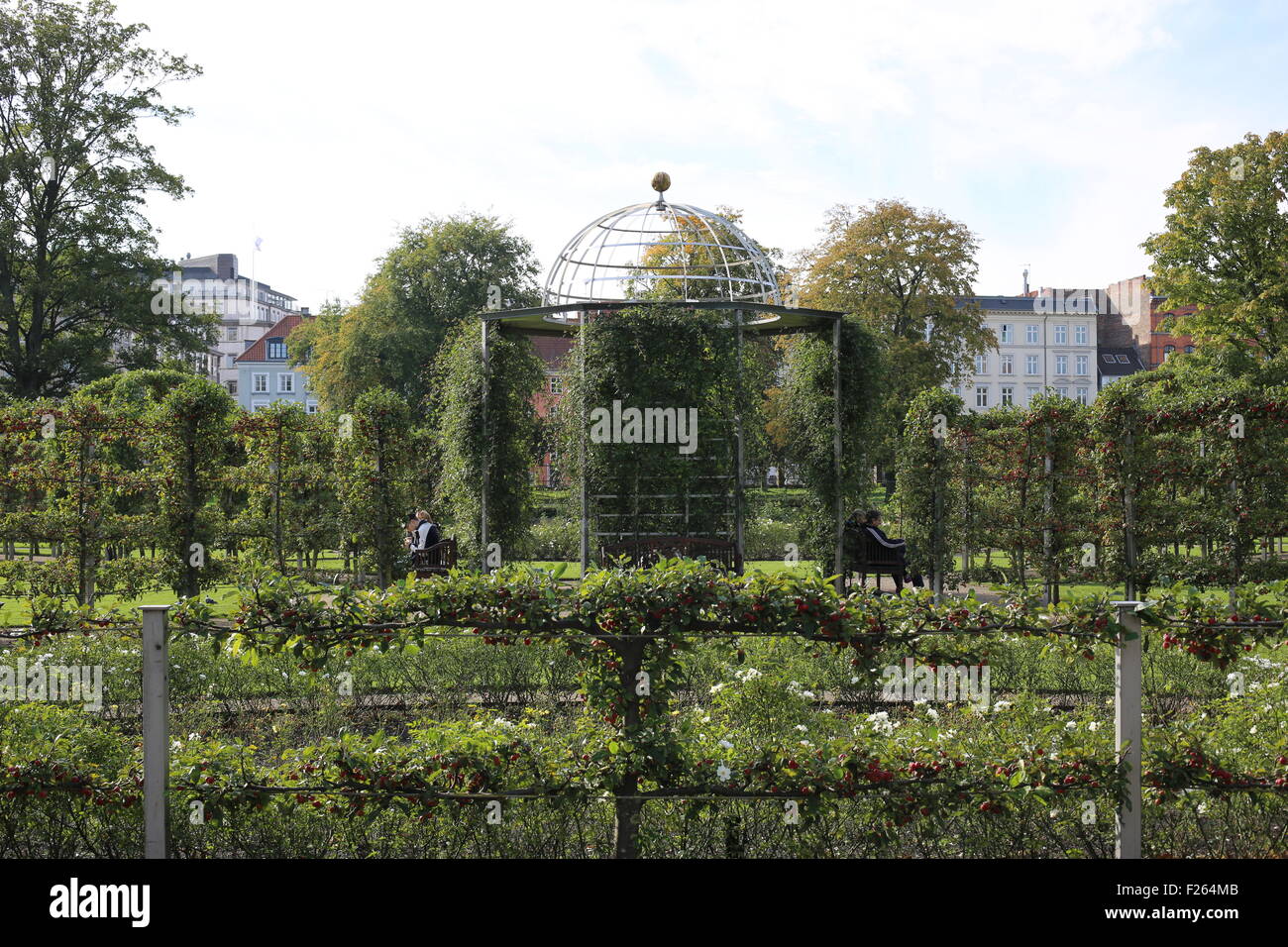
The King’s Garden—most notably associated with the iconic Kongens Have in Copenhagen, Denmark—serves as a premier example of Renaissance-era landscape architecture. It functions as both a vital public green space and a historical monument, requiring visitors to understand its distinct zoning, seasonal maintenance cycles, and the strict preservation protocols that govern its use as a protected cultural site.
Historical Context and Evolution
The King’s Garden in Copenhagen was established by King Christian IV in the early 17th century. Originally designed as a private, functional kitchen garden to supply the royal household with fruit, vegetables, and decorative flora, it has evolved over four centuries into the most frequented park in the Danish capital.
The transition from a closed royal enclave to a public space occurred incrementally. By the mid-19th century, the garden began to open its gates to the public under strict royal oversight. Today, the park remains an integral part of the Rosenborg Castle complex. Understanding this history is essential for any visitor; the layout still reflects the geometric precision favored during the Dutch Renaissance, featuring gravel paths, meticulously pruned hedgerows, and a formal structure that prioritizes symmetrical sightlines toward the castle facade.
Navigating the Horticultural Zones
The garden is divided into distinct sections, each serving a specific botanical or aesthetic purpose. To truly experience the King's Garden, one must recognize that it is not a singular, uniform lawn but a complex grid of thematic zones.
- The Renaissance Garden (Krumspringet): This area is the most historically preserved, featuring low boxwood hedges arranged in complex, intricate patterns. It requires high-intensity maintenance, as the hedges must be trimmed to maintain their sharp, low-profile geometric edges.
- The Rose Garden: Located near the southern entrance, this section houses various species of roses, a tribute to the garden's royal origins. The soil composition here is specifically managed to balance drainage and nutrient retention, which is critical for maintaining the health of the hybrid tea and shrub roses that define this space.
- The Great Lawn: This area serves as the primary recreational hub. While it appears simple, the turf management program is rigorous, involving seasonal aeration and selective reseeding to accommodate high foot traffic during the summer months.
Operational Requirements and Access
As a protected site, the King’s Garden operates under strict regulations that prioritize the preservation of the landscape over convenience. Unlike municipal parks that may allow spontaneous events or unregulated sports, the King’s Garden requires permits for large gatherings or commercial filming.
Visitors should be aware of the following operational standards as of 2026:
- Access Limitations: While the garden is open to the public daily, the opening hours fluctuate seasonally. During the peak of winter, gates often close earlier to accommodate staff safety and maintenance limitations.
- Prohibited Activities: To protect the historical boxwood and delicate topiary, cycling, skating, and the use of drones are strictly prohibited within the garden boundaries.
- Maintenance Schedules: Major pruning and structural landscaping occur primarily during the early spring and late autumn. Visitors may encounter temporary path closures during these periods as arborists work to preserve the mature linden trees (Tilia) that define the park’s primary axes.
Comparison of Key Garden Features
When evaluating the King’s Garden against other urban parks, the primary differentiator is its integration with Renaissance architecture.
| Feature | The King’s Garden | Typical Municipal Park |
|---|---|---|
| Design Style | Formal Renaissance Grid | Landscape / Informal |
| Primary Structure | Boxwood Hedges/Gravel | Open Lawn / Wildflower |
| Historical Asset | Rosenborg Castle | None (usually) |
| Maintenance Priority | Preservation of Geometry | Ease of Public Use |
| Cycling Access | Strictly Prohibited | Generally Permitted |
Technical Considerations for Preservation
The preservation of the King’s Garden is a technical challenge. Because many of the structural elements—such as the linden tree alleys—date back decades or even centuries, the groundskeeping team employs specialized arboriculture techniques.
Soil compaction is the most significant threat to the garden’s health. Due to the high volume of visitors, the soil surrounding the root zones of the historic trees can become excessively compressed, preventing oxygen and water from reaching the root systems. To mitigate this, the garden management employs periodic "soil decompression" techniques and the installation of porous path materials that allow for moisture infiltration while providing a stable walking surface for guests.
Furthermore, the irrigation system is decentralized. Rather than using automated high-pressure sprinklers, which could damage the formal hedging, the park relies on targeted, low-flow subterranean systems and manual watering in specific high-value zones. This manual-first approach is why the garden maintains such a vibrant appearance even during dry spells, as each section receives tailored moisture levels based on the specific species planted there.
Seasonal Challenges and Maintenance Protocols
Managing a historic landscape in a northern climate presents unique difficulties. In the winter months, the use of de-icing salts is restricted near the flower beds and boxwood hedges to prevent chemical burn and soil salinity buildup. Instead, the maintenance staff utilizes abrasive sand, which must be carefully cleared in the spring to prevent drainage blockages.
During the spring growth spurt, the "Krumspringet" section requires daily monitoring. The gardeners focus on "dead-heading" and structural pruning, ensuring that no plant growth obscures the view lines toward the central palace. For visitors, this means that while the garden is beautiful in May and June, it is often a work site, with staff present to ensure the aesthetic integrity of the space.
Common Questions About the King’s Garden
Is there an entrance fee to visit the King’s Garden? No, access to the garden itself is free of charge. However, entrance to Rosenborg Castle, which sits within the garden, requires a paid ticket, and access to the castle interior is subject to timed entry slots.
Can I hold a private event or wedding in the garden? Small, informal gatherings are permitted, but formal events, ceremonies, or organized commercial activities require advance approval from the Agency for Culture and Palaces. Unauthorized private events are subject to dispersal by security staff.
Why are certain paths closed during the day? Temporary closures are almost always related to either maintenance or event setup. Because of the historical nature of the gravel paths, they are prone to erosion; closures are often implemented to allow for the leveling of the surface or the repair of the drainage channels beneath the path.
Are dogs allowed in the King’s Garden? Dogs are allowed in the garden, but they must be kept on a leash at all times. This rule is strictly enforced to protect the formal planting beds and the wildlife, such as ground-nesting birds or garden fauna, from disturbance.
How is the garden maintained during extreme weather? During periods of excessive rain, the park may partially close to prevent the deep, muddy rutting of the pathways. During extreme heat, irrigation priority is given to the oldest and most vulnerable plant specimens, which may result in the temporary browning of the non-priority grass areas.
Recommendations for the Best Experience
For the optimal visit to the King’s Garden, aim for the early morning hours on a weekday. This timeframe allows you to view the geometric precision of the garden without the interference of high-density crowds. Focus your attention on the transition between the formal, low-height Renaissance sections and the mature, high-canopy linden tree alleys.
Always check the official website of the Agency for Culture and Palaces or the signage at the entrance gates before arrival, as special events or temporary maintenance closures are published there in advance. By respecting the established pathways and the prohibition on cycling and drones, you contribute to the ongoing preservation of this 17th-century landmark, ensuring its historical character remains intact for future years.