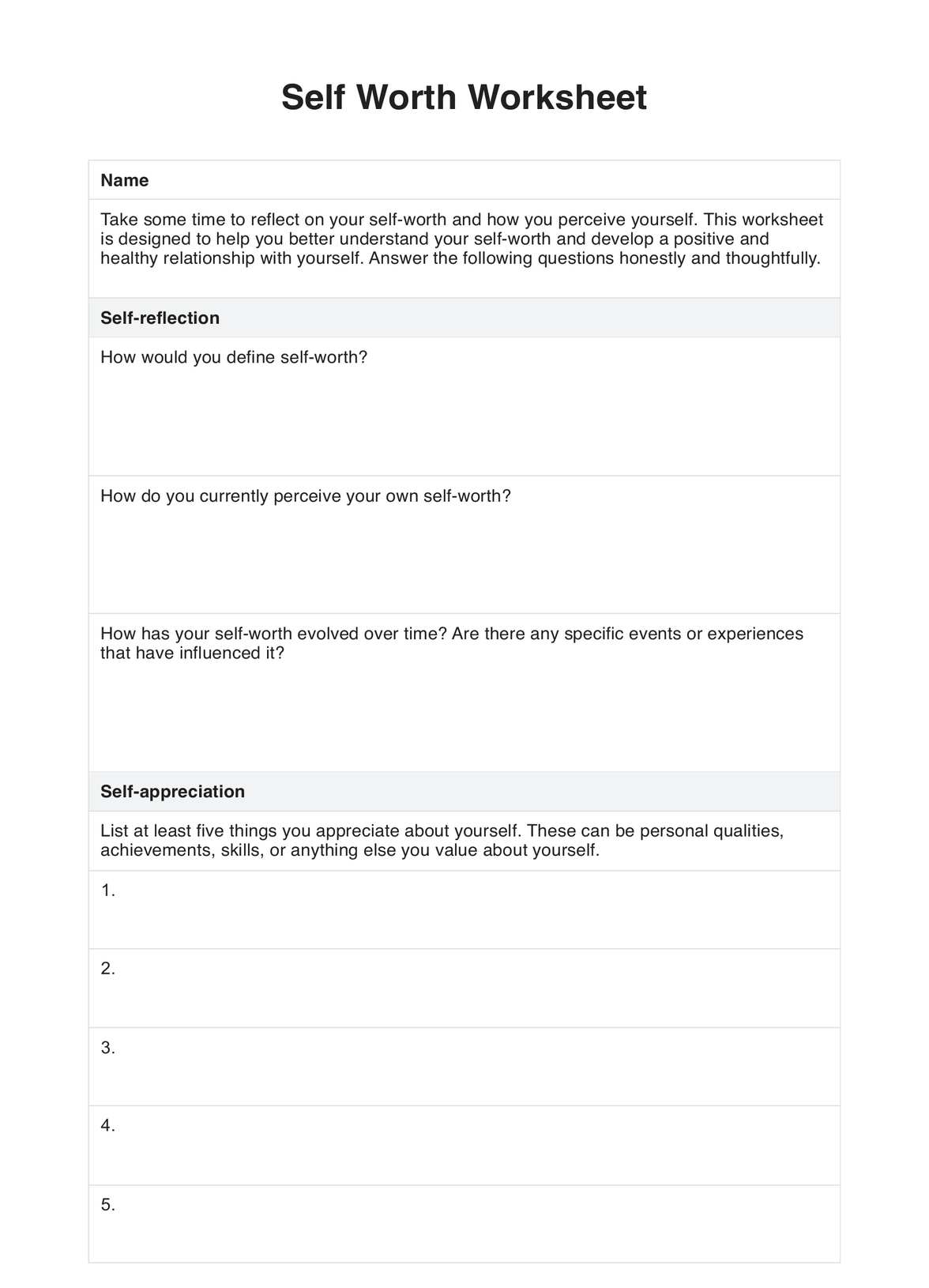
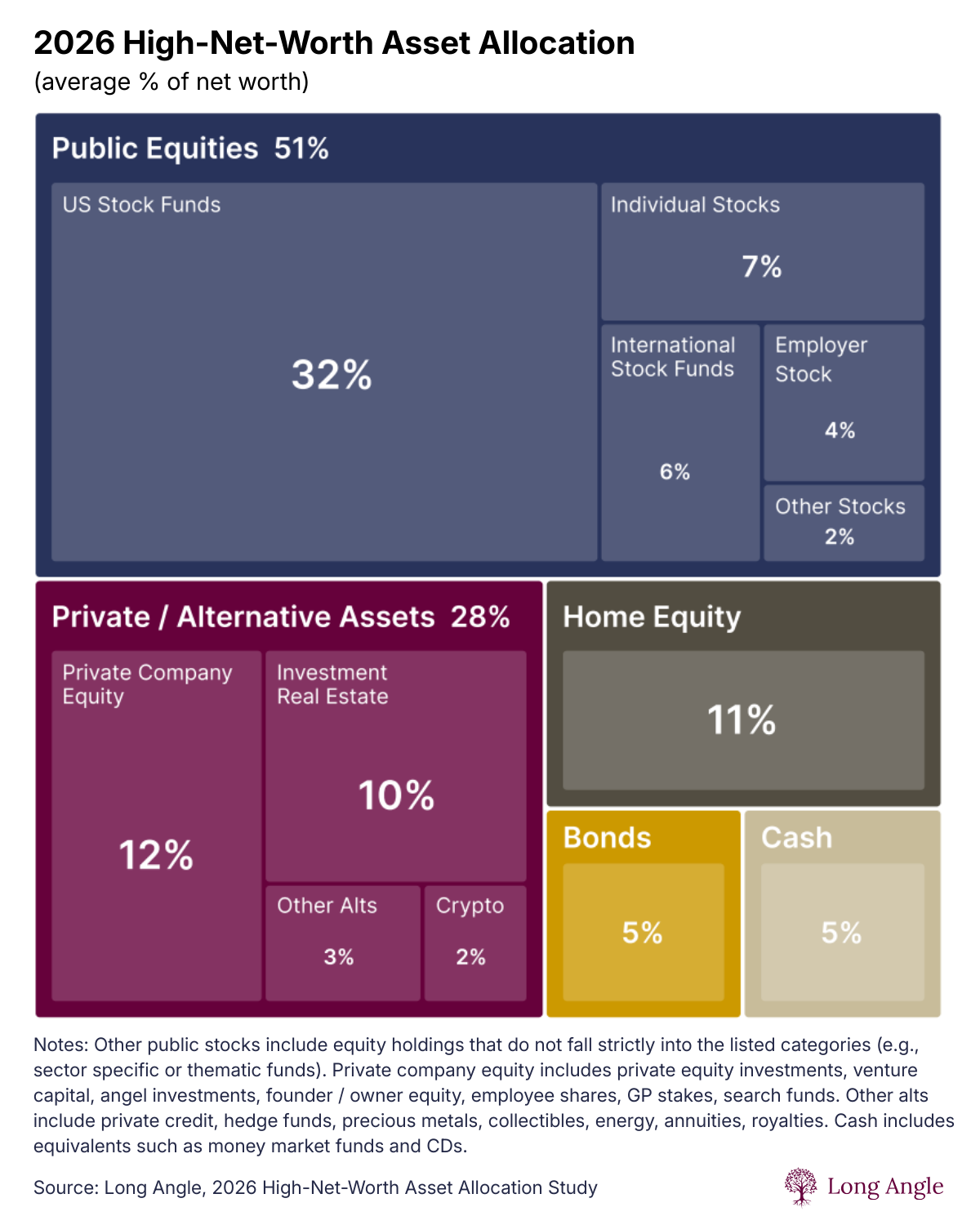
The pervasive tendency to equate personal value with financial status is a cognitive trap that distorts decision-making and erodes mental well-being. By disentangling your internal sense of merit from your external balance sheet, you can achieve a more stable, sustainable approach to both wealth management and personal fulfillment.
The Mechanism of Financial Identity
In modern society, we are often socialized to view net worth—the total value of assets minus total liabilities—as an objective scorecard for human success. This perspective, while prevalent, is fundamentally flawed because it conflates a mathematical accounting process with the multifaceted nature of an individual's intrinsic value.
When you allow your sense of self to be dictated by your portfolio performance, you introduce extreme volatility into your mental state. If your self-worth is tethered to the market, a market downturn becomes a personal failure rather than a financial event. This psychological linkage forces individuals into high-risk behaviors, such as over-leveraging or panic selling, as they attempt to "protect" their identity through erratic asset management.
Recognizing that your identity as a professional, a partner, a community member, or a creative individual exists independently of your bank balance is the first step toward effective wealth management. A person with high net worth who suffers from low self-worth is essentially a custodian of capital without the capacity to leverage it for a meaningful life. Conversely, a person who understands their worth as separate from their assets is better positioned to make rational, long-term financial decisions.
Defining the Terms: What They Actually Represent
To effectively separate these concepts, we must define them by their functional utility. Net worth is an accounting tool, whereas self-worth is a philosophical and psychological baseline.
| Feature | Net Worth | Self Worth |
|---|---|---|
| Origin | Derived from assets and debts | Derived from internal principles |
| Stability | Highly volatile (market-dependent) | Generally stable (character-dependent) |
| Primary Goal | Economic security and resource management | Integrity, purpose, and mental health |
| Measurement | Numerical, quantitative analysis | Qualitative, experiential evaluation |
| Control | Partial (market conditions apply) | High (internal regulation and agency) |
Understanding this distinction allows for a functional detachment. You can track your net worth to manage your financial goals, like retirement planning or debt reduction, without assigning an emotional value to the resulting number.
The Economic Consequences of Confused Priorities
When self-worth is anchored in wealth, it leads to "hedonic adaptation" and a cycle of perpetual dissatisfaction. In 2026, many financial planners observe that clients who define themselves by their assets often struggle with "lifestyle creep." Because they feel they are only as "good" as their last financial achievement, they consistently increase their expenditures to match their rising income, never feeling that they have achieved a sufficient baseline of success.
This confusion also impacts long-term investment strategy. If a person views a portfolio loss as a loss of personal dignity, they are prone to emotional decision-making. Emotional investing is a documented failure point in financial planning. Decisions made out of fear or an exaggerated need for social validation (e.g., buying status-signaling assets to bolster self-worth) almost invariably result in lower compounded growth and higher transaction costs.
Establishing Protective Mental Boundaries
Developing a healthy relationship with money requires deliberate, consistent practice. You do not need to ignore your finances, but you must change your perspective on what that data represents.
- Compartmentalize Financial Reporting: Review your net worth statement at set intervals (e.g., quarterly or annually). Outside of these sessions, stop viewing your net worth as a live update. Treat it like a quarterly corporate report—an objective assessment of data, not a mirror of your personality.
- Diversify Your Identity: If your identity is tied 100% to your career or your wealth, you are vulnerable to any external disruption in those areas. Cultivate "non-financial" domains of your life, such as physical health, skill acquisition, volunteering, or relationships. If one domain hits a snag, your self-worth remains buttressed by the others.
- Audit Your Social Influences: Be mindful of the environments you inhabit, both digital and physical. If you spend time in circles where people measure each other exclusively by net worth, it is nearly impossible to maintain a separate, healthier perspective. Seek out communities that prioritize intellectual contribution, empathy, or craftsmanship.
Addressing the Fear of Irrelevance
The primary driver behind the confusion of net worth and self-worth is often an underlying fear of being perceived as unsuccessful. In a hyper-connected society, the visibility of others' assets—often presented as a curated, idealized version of their lives—compounds this anxiety.
It is important to remember that most high-profile displays of wealth are snapshots taken from a specific, narrow angle. When you compare your internal reality to someone else’s external projection, you are operating on a false premise. Recognizing that money is simply a resource, like time or energy, helps neutralize its power over your self-esteem. Money is a tool for achieving ends, not an end in itself. If your "end" is to prove your value, you will always be hungry for more, because money, by its nature, can always be increased—making it a target that keeps moving further away.
Common Pitfalls in Financial Self-Regulation
Many people fall into the trap of using "financial self-improvement" as a mask for "emotional avoidance." They work harder, invest more aggressively, and monitor their portfolios obsessively, telling themselves they are being "responsible." However, if this behavior is driven by an underlying sense of worthlessness, it will never yield peace.
If you find that your financial planning is causing significant stress, anxiety, or sleeplessness, you are likely working from a place of insecurity rather than strategy. Consult with a financial advisor or a coach who focuses on financial behavior to help shift your focus from "how much do I need to be enough?" to "what does my ideal life look like, and how can my resources support that?"
Frequently Asked Questions
Is it wrong to want a high net worth? No. Financial stability is a vital component of modern life. The issue is not the pursuit of wealth, but the expectation that wealth will validate your existence. You can desire financial growth as a means to achieve safety, freedom, and agency without needing that wealth to tell you who you are.
How do I know if I am equating net worth with self-worth? Observe your emotional reaction to financial fluctuations. If a drop in your portfolio or an unexpected expense causes feelings of personal failure, shame, or a desire to withdraw from social situations, you are likely conflating your balance sheet with your identity.
Can a lower net worth person have higher self-worth? Absolutely. Many people with modest financial means possess deep reservoirs of self-worth built through integrity, community engagement, and self-mastery. True self-worth is resilient; it remains consistent regardless of whether your bank account is growing or shrinking.
Should I stop tracking my net worth? You should track it, but change why you track it. Track it for logistical purposes—to ensure you can cover your retirement, manage your debts, and reach your life goals. Do not track it to see if you are becoming a "better" person.
Does my job title or income define my worth? No. Your job title is a professional function, and your income is a market rate for a specific set of services. Neither reflects your inherent worth as an individual. Many essential roles are underpaid, and many trivial roles are highly compensated; the market does not assign a value to your humanity.
Moving Forward with Intent
To break the cycle, start by defining what success looks like in areas that have nothing to do with money. Define three personal pillars—such as intellectual growth, physical vitality, and relationship depth. Over the next year, grade yourself on your investment in those three pillars.
By shifting your primary focus toward these domains, you maintain agency over your growth. While you cannot guarantee a certain market return, you can guarantee the effort you put into your health or your relationships. This shift moves you from a passive participant in the "net worth game" to an active participant in your own life. Treat your net worth as a supporting character, not the protagonist of your story.