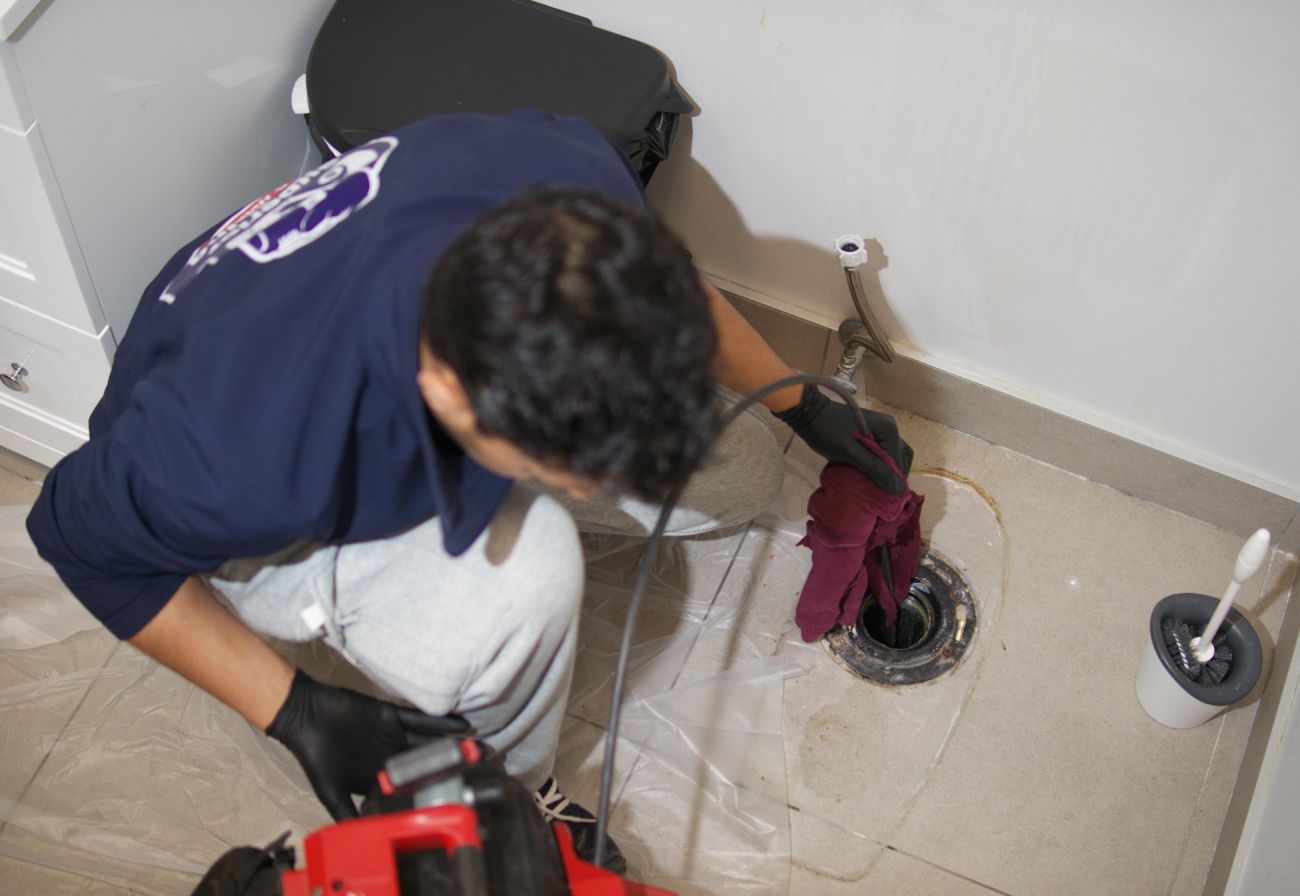
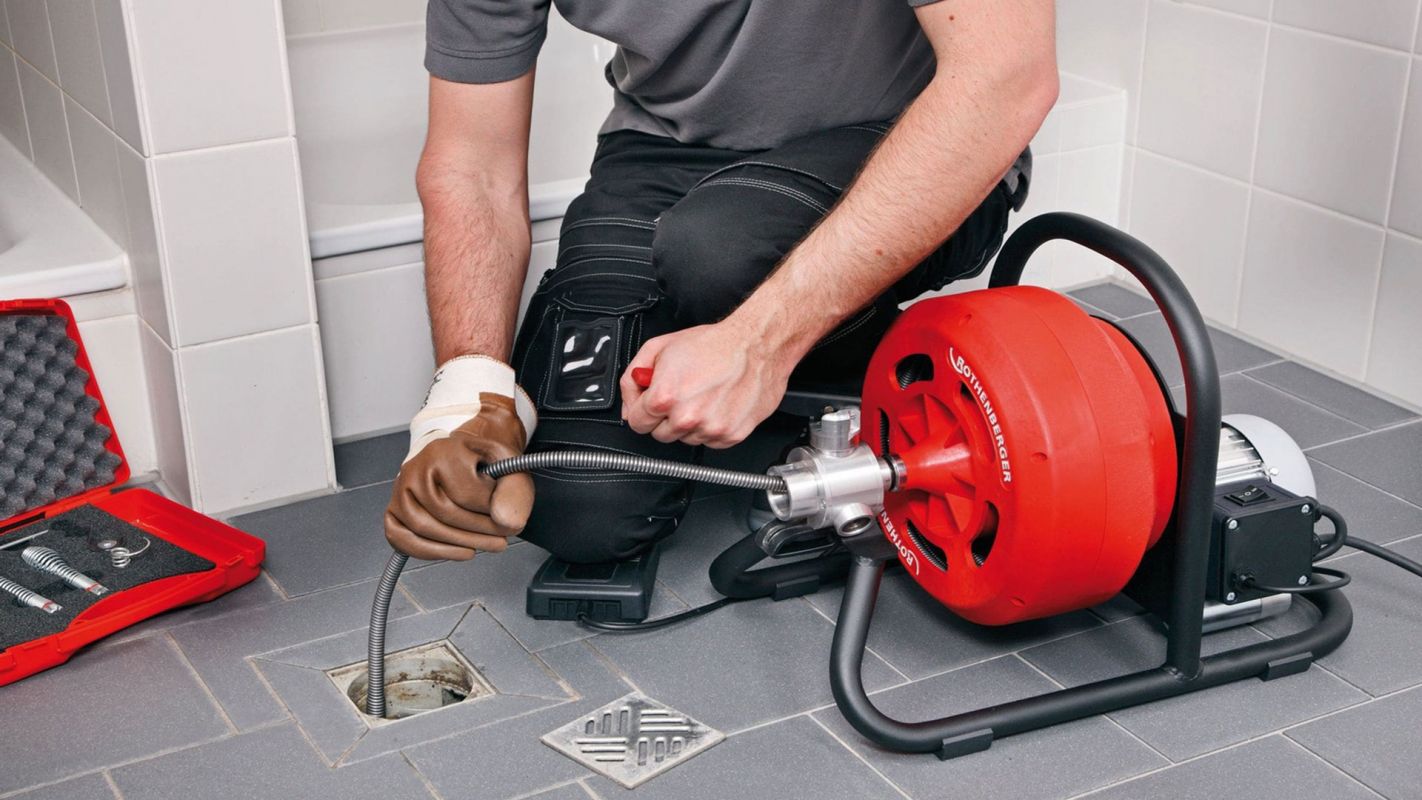
Professional drain unclogging services are worth the investment when DIY methods fail or when dealing with recurring blockages. In 2026, the value lies in precision diagnostics like high-definition sewer cameras and high-pressure hydro-jetting, which remove the root cause of clogs rather than providing temporary relief, ultimately preventing expensive structural water damage and pipe failure.
Understanding the True Cost of Drainage Issues
The question of whether professional drain services are "worth it" usually arises when a homeowner is staring at a sink full of standing water or dealing with a sluggish shower drain. To determine the value, one must look beyond the immediate invoice and consider the long-term health of the residential plumbing system. In 2026, modern plumbing infrastructure in many homes has become more complex, with high-efficiency, low-flow fixtures that require optimal pipe conditions to function correctly.
When a drain slows down, it is rarely an isolated event. It is a symptom of accumulated debris, structural shifts, or invasive biological growth like tree roots. While a plunger might provide a temporary fix for a minor surface clog, it cannot address the buildup of fats, oils, and grease (FOG) or the mineral scaling that narrows the diameter of the pipe over time. Professional services are worth the cost because they restore the pipe to its original flow capacity, whereas DIY methods often only "punch a hole" through the blockage, leading to another clog within weeks.
Professional Tools vs. Consumer-Grade Solutions
The gap between what a homeowner can do and what a licensed professional can achieve has widened significantly by 2026. Understanding the technical superiority of professional equipment helps justify the service cost.
High-Definition Sewer Camera Inspections
Perhaps the most significant value proposition of a professional service is the ability to see exactly what is happening inside the walls or under the foundation. Fiber-optic cameras equipped with self-leveling heads and high-intensity LED lighting allow plumbers to identify the precise nature of a clog. Is it a mass of "flushable" wipes, a collapsed pipe, or a heavy root intrusion? Without this visual verification, any attempt to clear the drain is essentially guesswork. Identifying a cracked pipe early via camera can save a homeowner tens of thousands of dollars in emergency excavation costs later.
Hydro-Jetting Technology
While retail stores sell basic mechanical snakes, professionals utilize hydro-jetting. This process uses specialized pumps and flexible hoses to deliver water at pressures reaching 4,000 PSI or more through a multi-directional nozzle. This does not just move the clog; it "scours" the pipe walls, removing grease buildup and scale that a mechanical snake would simply slide past. In the context of 2026 home maintenance, hydro-jetting is the gold standard for restoring pipes to "like-new" condition without the use of harsh chemicals.
Motorized Augers and Specialized Blades
For blockages that are too solid for water pressure—such as thick tree roots—professionals use heavy-duty motorized augers. These machines are significantly more powerful than the hand-cranked versions found at hardware stores. They utilize various cutting heads designed specifically for different types of obstructions, ensuring the pipe is cleared without being punctured.
The Financial Reality: DIY Costs vs. Professional Rates
Many homeowners hesitate to call a plumber due to the perceived high cost of labor. However, a technical SEO-level analysis of the "worth" must include the hidden costs of DIY failures.
| Feature | DIY (Plunger/Chemicals) | Professional Snaking | Professional Hydro-Jetting |
|---|---|---|---|
| Average Cost (2026) | $10 - $50 | $150 - $350 | $400 - $800 |
| Effectiveness | Low (Temporary) | Moderate (Removes Clog) | High (Cleans Pipe Walls) |
| Risk of Pipe Damage | High (Chemical corrosion) | Moderate (If used incorrectly) | Low (When done by pros) |
| Diagnostic Value | None | Limited | High (Includes Camera) |
| Longevity of Solution | Days to Weeks | Months | Years |
| Warranty/Guarantee | None | Usually 30-90 Days | Often 1 Year+ |
The "Chemical Tax"
One of the biggest arguments for the value of professional services is the avoidance of chemical drain cleaners. By 2026, the environmental and structural impact of these products is well-documented. Most liquid cleaners rely on sodium hydroxide or sulfuric acid. These chemicals generate intense heat through an exothermic reaction to melt grease. In older homes with thin-walled copper or lead pipes, or even in modern PVC systems, this heat and acidity can cause pipes to soften, deform, or leak. A $15 bottle of cleaner can easily lead to a $2,000 localized pipe replacement.
Emergency vs. Scheduled Service
The "worth" of these services also fluctuates based on timing. A scheduled maintenance visit to clear a slow drain is significantly cheaper than an emergency call on a Sunday evening when the main sewer line backs up into the basement. Professionals provide value by preventing these "catastrophic failures" through proactive intervention.
When Professional Service is Non-Negotiable
There are specific scenarios where DIY attempts are not just ineffective but potentially dangerous to the home's integrity. In these cases, the "worth" of professional intervention is absolute.
- Multiple Clogged Drains: If the kitchen sink, the bathroom tub, and the toilet are all draining slowly, the problem is not in an individual fixture but in the main sewer stack or the lateral line heading to the municipal system. This requires heavy machinery and professional expertise.
- Sewage Backups: If water is backing up into a shower when you flush the toilet, this indicates a cross-contamination risk and a total blockage. Handling raw sewage requires specific safety protocols and sanitization equipment that most homeowners do not possess.
- Recurring Blockages: If you find yourself "fixing" the same drain every two weeks, you are not solving the problem. A professional can identify if the pipe has a "belly" (a sag where debris collects) or if there is a structural offset that requires a more permanent repair.
- Persistent Odors: The smell of "rotten eggs" or sewer gas (hydrogen sulfide) is a sign that the P-traps are failing or that there is a vent stack blockage. Sewer gas is not just unpleasant; it can be toxic and flammable in high concentrations.
Technical Considerations: Pipe Material and Age
The material of your plumbing significantly impacts whether a service is worth it. As we move through 2026, many homes built in the mid-20th century are reaching a "tipping point" for their cast iron or galvanized steel pipes.
- Cast Iron: These pipes are prone to internal "scaling," where the metal flakes off and creates a rough surface that catches hair and grease. Professional descaling services are essential here, as DIY chemicals will only accelerate the thinning of the pipe walls.
- PVC/CPVC: While resistant to corrosion, plastic pipes are susceptible to joint failures if a mechanical snake is used too aggressively by an amateur.
- Orangeburg Pipes: Found in some older properties, these "bituminized fiber" pipes are essentially layers of wood pulp and tar. They are incredibly fragile. Any DIY attempt to clear a clog in an Orangeburg pipe will almost certainly collapse it, making professional camera-guided care mandatory.
The Environmental and Health Value
In 2026, there is a heightened awareness of indoor air quality and environmental responsibility. Professional drain services contribute to a healthier home environment. Stagnant water in clogged pipes is a breeding ground for bacteria, mold, and drain flies (Psychodidae). These pests can spread bacteria from the sewage system onto kitchen counters and bathroom surfaces.
Furthermore, professional plumbers are trained in the containment of greywater and blackwater. An amateur's attempt to clear a major clog often results in a spill that can seep into subflooring and drywall, leading to hidden mold growth. The cost of professional remediation for mold often dwarfs the cost of a standard plumbing visit. According to EPA guidelines on mold and moisture, controlling moisture is the key to preventing mold—and a functioning drainage system is the first line of defense.
How to Verify the Value of a Service Provider
To ensure that the service is actually "worth it," homeowners must vet their contractors correctly. Not all "drain cleaning" is equal.
- Licensing and Insurance: Ensure the technician is a licensed journeyman or master plumber, not just a "drain technician" with minimal training. This ensures they understand the whole system, not just how to run a machine.
- Upfront Pricing: In 2026, reputable companies provide transparent, flat-rate pricing after an initial diagnostic. Avoid companies that give "ballpark" estimates over the phone without seeing the issue.
- Guarantee of Work: A professional service should come with a written guarantee. If the drain clogs again within 30 to 90 days, the company should return to resolve it at no additional cost.
- Documentation: Request the video footage from the camera inspection. This provides proof of the blockage and the subsequent clearing, which can be valuable for insurance purposes or when selling the home.
Frequently Asked Questions
Can I just use a rental power snake from a hardware store?
While possible, it is often not worth the risk. Commercial-grade rental equipment is frequently poorly maintained. If a cable snaps inside your pipe, you are looking at an incredibly expensive "extraction" job that involves cutting into your floors or walls. Professionals use their own regularly inspected equipment and have the experience to feel when a cable is under too much torque.
How often should I have my drains professionally cleaned?
For most residential properties in 2026, a professional cleaning is recommended every 18 to 24 months as preventive maintenance. However, homes with older pipes or large trees near the sewer line may require annual service to prevent root-related backups.
Is hydro-jetting safe for old pipes?
Generally, yes, when performed by a professional. The pressure is adjustable. A technician will typically perform a camera inspection first to check the integrity of the pipe. If the pipe is found to be structurally sound but heavily scaled, hydro-jetting is actually safer than mechanical snaking because it doesn't involve metal blades scraping against the pipe walls.
Why is my drain still slow after I used a plunger?
A plunger uses pressure to move a clog, but it often only pushes the obstruction further down the line or compresses it. If the clog is caused by grease buildup (FOG), the plunger might move a small amount of water through, but the "sticky" walls will immediately begin catching new debris.
Does a home warranty cover drain unclogging?
Most home warranties in 2026 cover "standard" clogs within the home's footprint but often exclude "external" clogs (outside the foundation) or clogs caused by root intrusion unless a specific rider is purchased. Always check your policy's fine print before calling a technician.
Final Recommendation
If you are dealing with a minor, one-time clog in a single fixture, a plunger or a hand-held zip-strip is a reasonable first step. However, if the clog persists, recurs, or affects multiple fixtures, professional drain unclogging services are definitively worth the cost. The combination of diagnostic certainty provided by cameras and the thoroughness of hydro-jetting protects your home's equity and prevents the high-stress, high-cost scenario of a total sewage failure. In 2026, the standard for home care emphasizes precision and prevention over reactive, temporary fixes.