A clear life insurance knowledge base provides a structured framework for understanding how death benefits, premiums, and policy structures protect financial beneficiaries. In 2026, this requires navigating various policy types—such as term, whole, and universal life—while understanding modern underwriting processes, tax implications under current IRS codes, and the logistical steps required to file a successful claim.
The Fundamental Purpose of Life Insurance
Life insurance is a legally binding contract between an individual (the policyowner) and an insurance carrier. In exchange for regular payments, known as premiums, the insurer guarantees a payout to designated individuals, known as beneficiaries, upon the death of the insured person. This payout, called the death benefit, is designed to replace lost income, cover funeral expenses, pay off debts, or fund future obligations like a child’s education.
A clear knowledge base must distinguish between the three primary roles in any policy:
- The Insured: The person whose life the policy covers. Their age, health, and lifestyle determine the cost.
- The Policyowner: The person or entity that pays the premiums and holds the right to change beneficiaries or cancel the policy.
- The Beneficiary: The person, trust, or organization that receives the funds when the insured passes away.
Primary Categories of Life Insurance
Understanding the distinction between temporary and permanent coverage is the cornerstone of insurance literacy. In 2026, the market is broadly divided into two main categories, each serving different financial objectives.
Term Life Insurance: Pure Protection
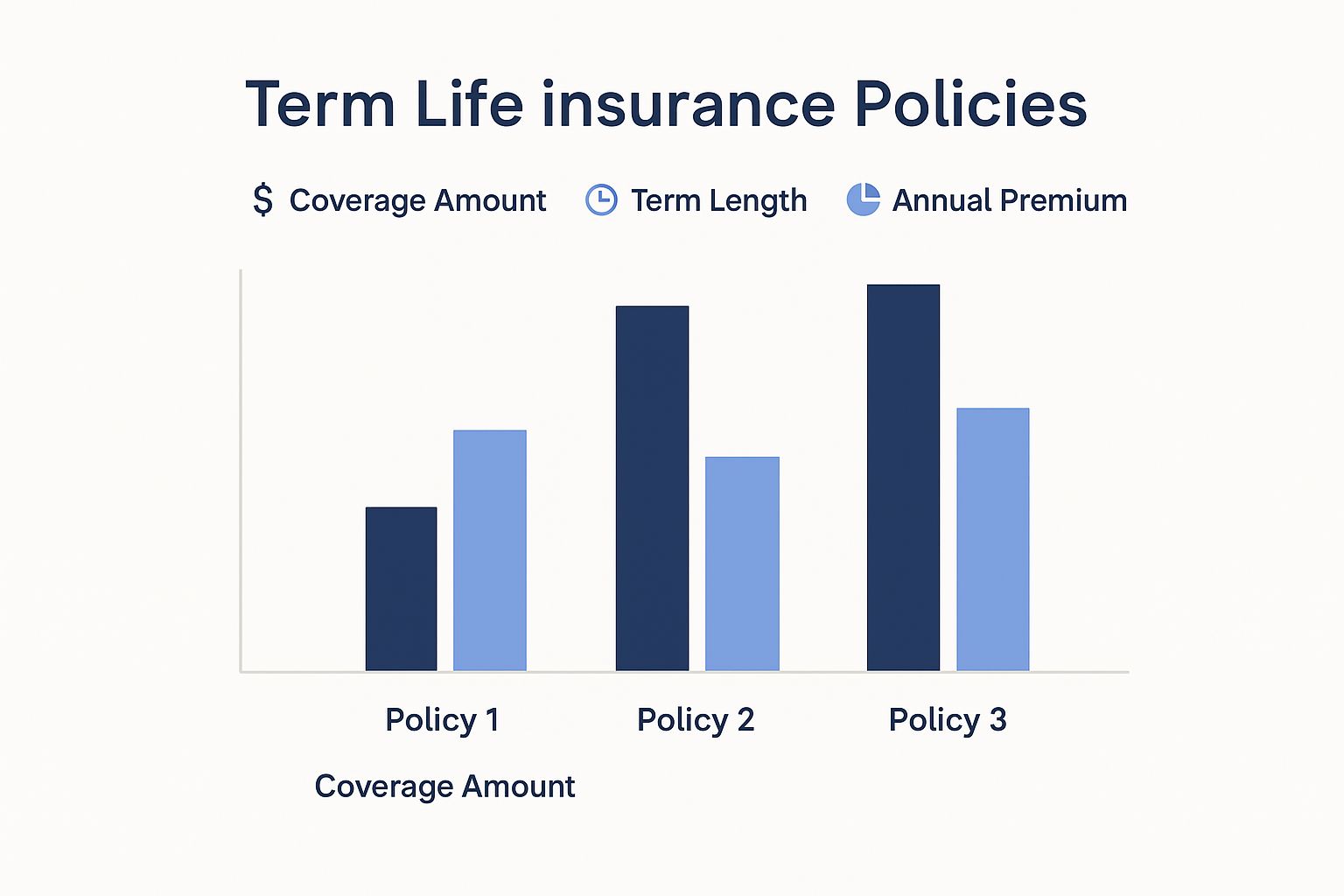
Term life insurance is the most straightforward and cost-effective form of coverage. It provides protection for a specific period, typically ranging from 10 to 30 years. If the insured dies during this window, the death benefit is paid out. If the term expires while the insured is still living, the coverage simply ends unless it includes a renewal or conversion clause.
Term insurance is ideal for "dime-constrained" periods of life, such as when a mortgage is being paid off or children are young. Because it does not include a savings or investment component, the premiums are significantly lower than permanent alternatives. Most modern term policies in 2026 include a conversion rider, allowing the owner to switch to a permanent policy without a new medical exam, provided the change happens within a specific timeframe.
Permanent Life Insurance: Lifetime Coverage and Cash Value
Permanent life insurance is designed to last for the insured’s entire life, as long as premiums are paid. These policies are more complex because they include a cash value component—a tax-deferred savings account built into the policy.
- Whole Life Insurance: This offers fixed premiums, a guaranteed death benefit, and a guaranteed rate of return on the cash value. It is the most stable but also the most expensive form of life insurance.
- Universal Life (UL) Insurance: This provides more flexibility than whole life. Policyowners can often adjust their premiums and death benefits as their financial situation changes. The cash value grows based on current interest rates.
- Indexed Universal Life (IUL): A popular choice in 2026, IUL links the cash value growth to a market index (like the S&P 500) while providing a "floor" to prevent losses during market downturns.
- Variable Life Insurance: This allows the policyowner to invest the cash value in sub-accounts (similar to mutual funds). This offers the highest growth potential but carries the risk of the cash value—and sometimes the death benefit—decreasing if the investments perform poorly.
The Role of Cash Value and Tax Advantages
One of the most misunderstood aspects of a life insurance knowledge base is how cash value works. As you pay premiums on a permanent policy, a portion is directed into a cash-accumulation account. Over time, this builds equity that the policyowner can access while still alive.
Accessing Funds
Policyowners can access cash value through policy loans or withdrawals. Loans are generally not considered taxable income by the IRS, even if they exceed the "basis" (the total premiums paid), provided the policy remains in force. However, unpaid loans plus interest are deducted from the final death benefit. Withdrawals are typically tax-free up to the amount of the basis, but any growth withdrawn beyond that is taxed as ordinary income.
Tax-Deferred Growth
Under Internal Revenue Code Section 7702, the interest and investment gains within a life insurance policy are tax-deferred. This means you do not pay annual capital gains or income tax on the growth of the cash value, allowing for more efficient compounding over decades.
Modern Underwriting and Risk Assessment
In 2026, the process of applying for life insurance—known as underwriting—has moved toward high-speed, data-driven models. Traditional underwriting required a physical "paramed" exam involving blood and urine samples. Today, many carriers use Accelerated Underwriting (AU).
AU leverages algorithms to analyze:
- Medical Information Bureau (MIB) Reports: A database of previous insurance applications and medical conditions.
- Prescription History: Comprehensive records of medications you have been prescribed.
- Motor Vehicle Records (MVR): Your driving history, which correlates with risk levels.
- Credit-based Insurance Scores: Financial reliability often correlates with mortality risk in actuarial models.
Based on this data, applicants are assigned a risk class. The most common classes are Preferred Plus (excellent health), Preferred, Standard, and Substandard (for those with chronic conditions or high-risk hobbies). Your risk class directly dictates your premium amount.
Essential Policy Riders
Riders are optional add-ons that customize a policy to meet specific needs. A clear knowledge base must highlight these, as they can significantly enhance the utility of a standard contract.
- Accelerated Death Benefit Rider: This allows an insured person diagnosed with a terminal illness to access a portion of the death benefit while still living to pay for medical care or end-of-life expenses.
- Waiver of Premium Rider: If the insured becomes totally disabled and cannot work, the insurance company waives the premium payments while keeping the policy in force.
- Child Term Rider: This provides a small amount of life insurance for all children in the household under a single rider on the parent's policy.
- Long-Term Care (LTC) Rider: This allows the policyowner to use the death benefit to pay for long-term care services, such as nursing homes or home health care, if they become unable to perform activities of daily living.
Policy Comparison Matrix
The following table summarizes the key differences between the most common policy types available in 2026.
| Feature | Term Life | Whole Life | Universal Life (UL) | Indexed Universal (IUL) |
|---|---|---|---|---|
| Duration | 10–30 years | Lifetime | Lifetime | Lifetime |
| Premium Cost | Lowest | Highest | Flexible/Moderate | Flexible/Moderate |
| Cash Value | None | Guaranteed growth | Varies with interest | Varies with index |
| Death Benefit | Fixed | Guaranteed | Flexible | Flexible |
| Primary Goal | Income replacement | Estate planning/Wealth | Flexibility | Growth potential/Floor |
| Complexity | Low | Moderate | High | Very High |
The Claims Process: A Guide for Beneficiaries
When an insured person passes away, the beneficiaries must initiate the claims process. It is a common misconception that the insurance company "automatically" knows when someone dies; the onus is on the survivors to file.
- Obtain the Death Certificate: You will need certified copies. Most insurers require the "long form" which lists the cause of death.
- Locate the Policy Documents: If the physical policy is missing, you can use the NAIC Life Insurance Policy Locator Service to find out if a policy exists.
- Contact the Insurance Company: Notify the agent or the claims department directly.
- Complete the Statement of Claim: This form asks for details about the deceased and the beneficiaries.
- Choose a Settlement Option: Beneficiaries can typically choose between a lump-sum payment, an annuity (regular payments over time), or a retained asset account (an interest-bearing account managed by the insurer).
Most claims are paid within 30 to 60 days. Delays usually occur if the death happens within the contestability period (usually the first two years of the policy), during which the insurer can investigate if there were misrepresentations on the original application.
Common Pitfalls and How to Avoid Them
Even with a clear knowledge base, many consumers make errors that can jeopardize their financial security.
- Lapsing for Non-Payment: If a premium is missed and the grace period (usually 31 days) expires, the policy cancels. For permanent policies, the insurer might use the cash value to pay the premium automatically, but once the cash is gone, the policy ends.
- Naming Inappropriate Beneficiaries: Naming a minor child directly as a beneficiary can lead to legal complications, as insurance companies cannot pay funds to minors. A trust should be established instead.
- Failing to Update Beneficiaries: Major life events—divorce, marriage, or the birth of a child—require updating your policy. If you divorce but leave your ex-spouse as the beneficiary, they may still receive the payout depending on state law.
- Underestimating Coverage Needs: Many people use a simple "10x income" rule, but this ignores debts, inflation, and specific future goals. A more thorough approach is the DIME formula (Debt, Income, Mortgage, Education).
Frequently Asked Questions
How do I determine how much coverage I need?
To calculate the appropriate death benefit, add your total outstanding debts (mortgage, credit cards, student loans), the amount needed to replace your income for a set number of years, and projected future costs like college tuition. Subtract any existing assets, such as savings or current group life insurance provided by an employer. This net figure represents your "gap" and the amount of coverage you should purchase.
Are life insurance payouts taxable?
In most cases, the death benefit paid to beneficiaries is not subject to federal income tax. However, if the payout is structured as an annuity or left in an interest-bearing account, any interest earned on the principal after the insured’s death is taxable. Additionally, if the death benefit is large enough and the deceased owned the policy, it may be subject to federal or state estate taxes.
Can I change my beneficiary after the policy is active?
Yes, provided the beneficiary is designated as revocable. Most beneficiaries are revocable, meaning the policyowner can change them at any time by filing a form with the insurance company. If a beneficiary is designated as irrevocable, the policyowner must obtain that beneficiary's written consent before making any changes to the policy or the designation.
What happens if I outlive my term life policy?
If you reach the end of the term, the coverage expires, and no death benefit is paid. However, many policies offer a return of premium (ROP) rider (at an extra cost) that refunds all premiums paid if you survive the term. Alternatively, you may have the option to renew the policy annually at a higher rate or convert it to a permanent policy without a medical exam.
Does my health status change my premiums after the policy is issued?
Once a life insurance policy is "in force" (issued and active), the insurance company cannot increase your premiums or cancel your coverage if your health declines, provided you continue to pay your premiums. This is why it is often recommended to lock in coverage while you are young and healthy.
Practical Recommendation: Your Next Actions
To make the most of this knowledge base, take the following three steps immediately:
- Conduct a DIME Analysis: Sit down with your 2026 financial statements and calculate your Debt, Income replacement needs, Mortgage balance, and Education costs. This ensures you aren't underinsured.
- Review Current Designations: Check your existing policies (including employer-provided ones) to ensure your beneficiaries are correctly listed and that backup (contingent) beneficiaries are named.
- Audit Policy Performance: If you own a permanent policy, request an "In-Force Illustration" from your carrier. This document shows how your cash value is actually performing compared to the original projections, allowing you to make adjustments before the policy is at risk of lapsing.