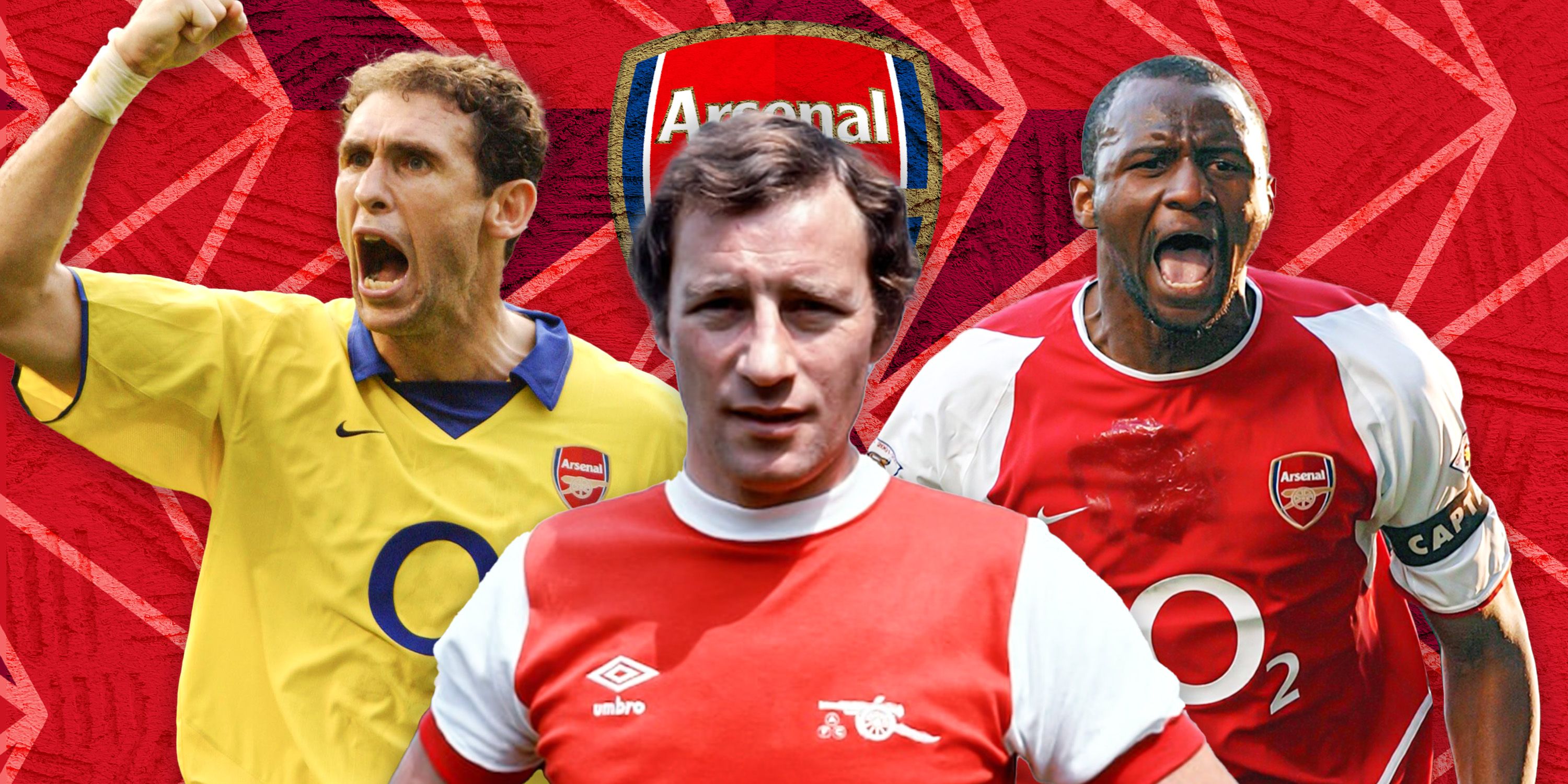
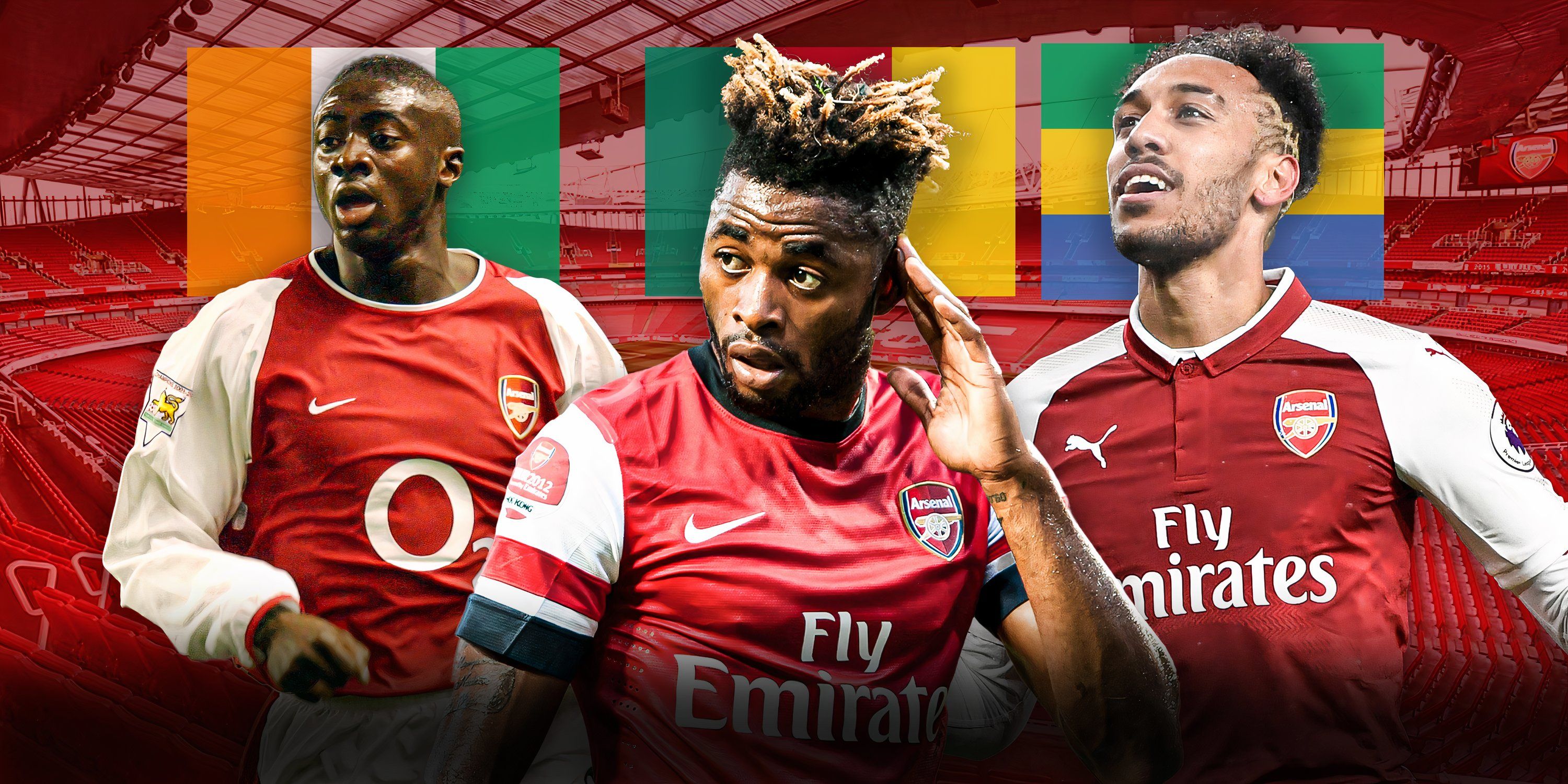
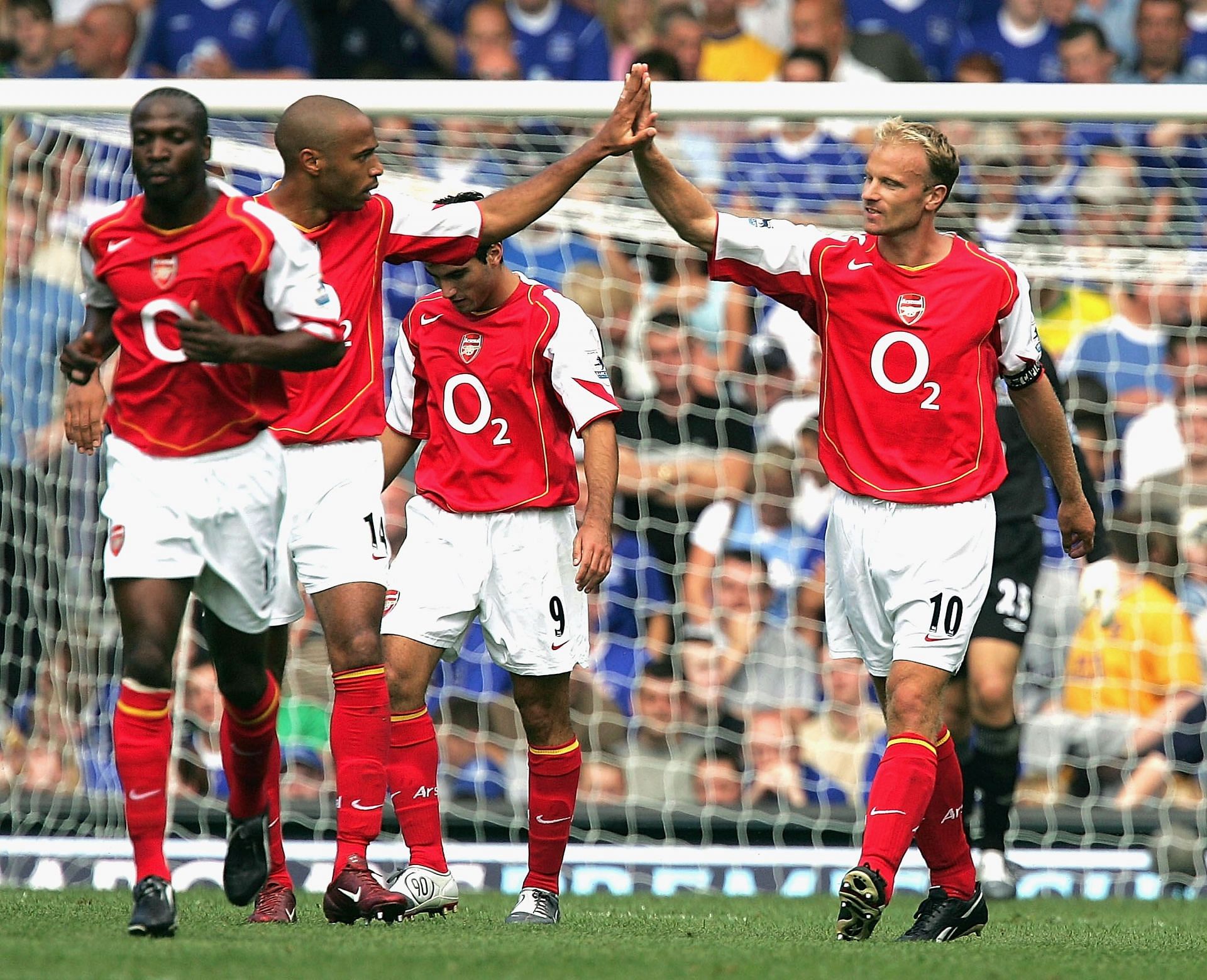
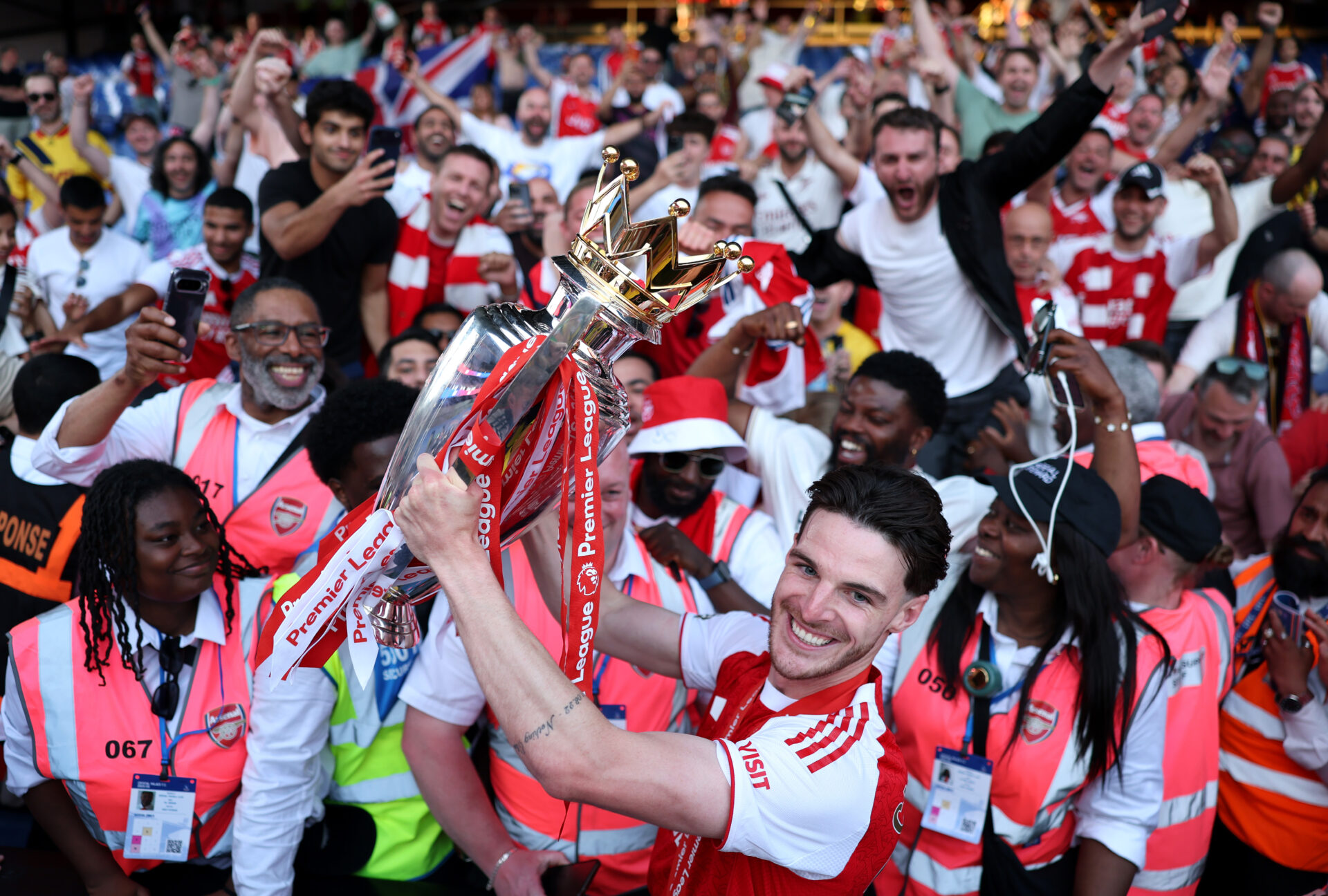
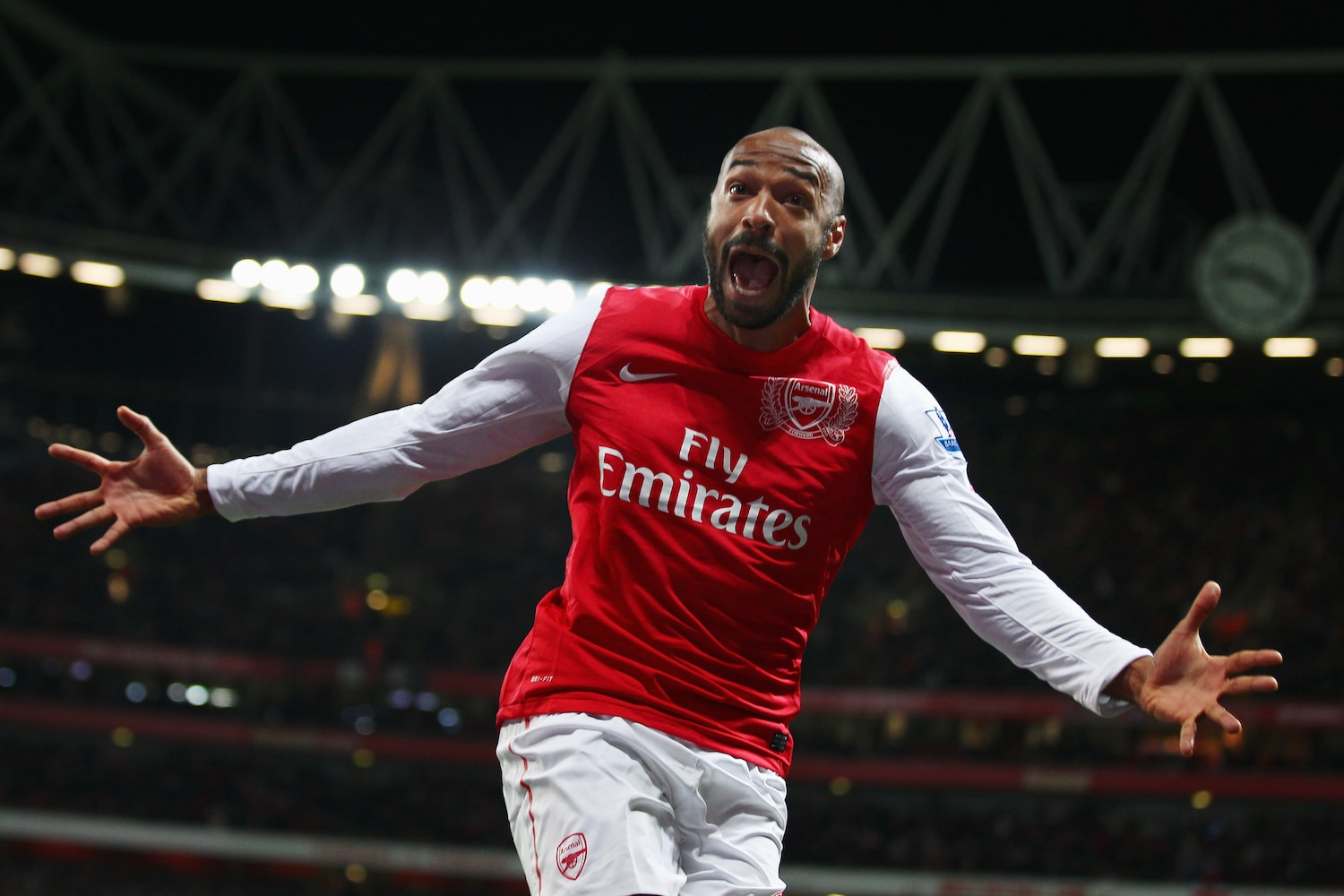
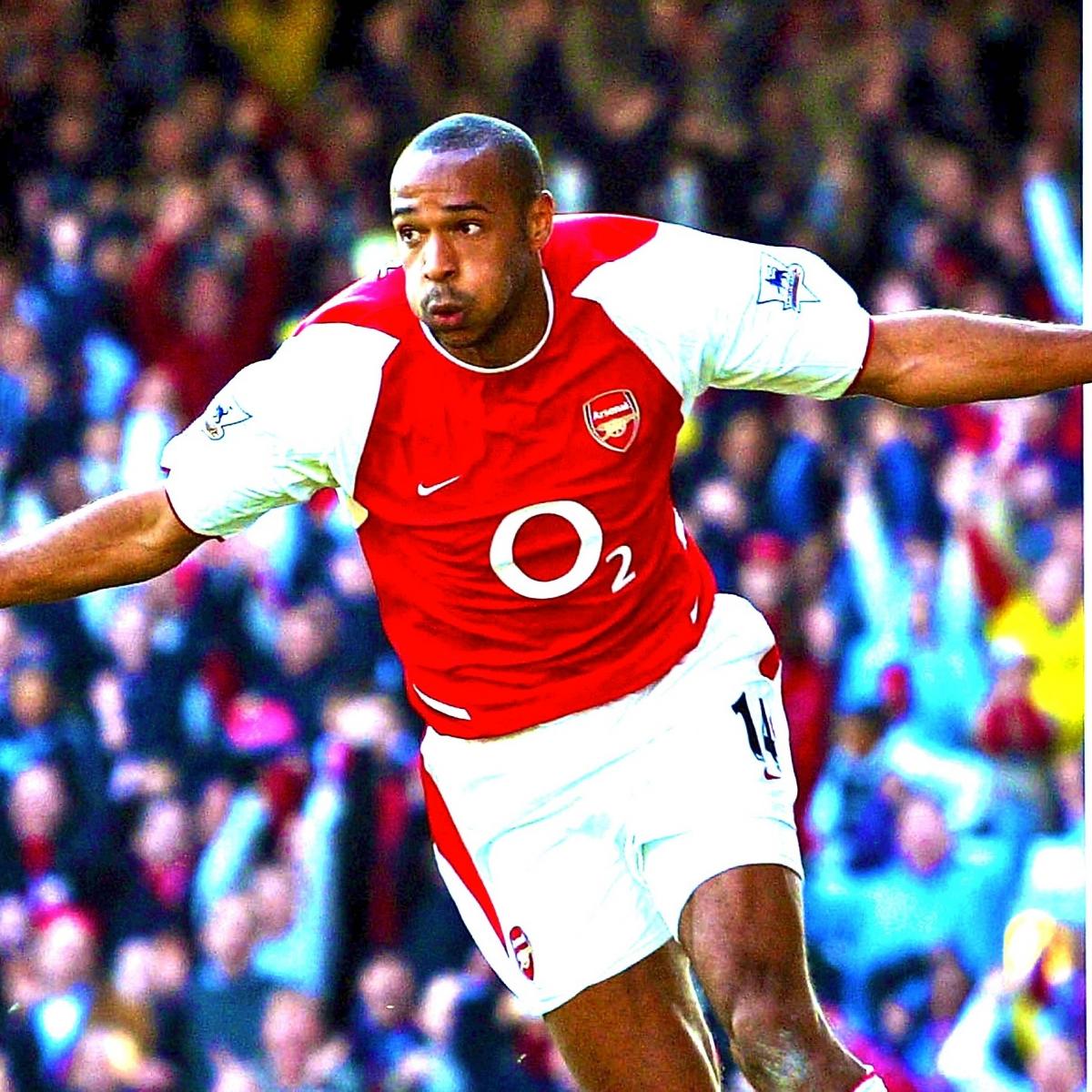
Arsenal Football Club has been home to some of the most influential figures in football history, from the tactical pioneers of the 1930s to the world-class "Invincibles" of the early 2000s. Key icons include Thierry Henry, Ian Wright, Tony Adams, and Dennis Bergkamp, whose legacies continue to define the club's identity in 2026.
Exploring the history of Arsenal players involves tracing the evolution of English football itself. From the early dominance under Herbert Chapman to the disciplined "Boring, Boring Arsenal" era of George Graham and the breathtaking flair of the Arsène Wenger years, the club has consistently produced or developed talent that redefined their respective positions. Understanding these players requires looking beyond mere statistics and examining their cultural impact on the North London club and the global game.
The Pioneers of the Pre-War Era (1930s)
The 1930s represented Arsenal’s first golden age, largely orchestrated by manager Herbert Chapman. Before this period, Arsenal was a respectable but unremarkable side. Chapman’s tactical innovations, including the WM formation, required specific types of players who could execute complex roles.
Cliff Bastin: The Boy Wonder
Cliff Bastin remains one of the most significant figures in the club's early history. Joining at just 17 years old, he became a prolific goalscorer from the left wing—a role that was revolutionary at the time. Bastin held the club’s all-time scoring record of 178 goals for decades until it was eventually broken by Ian Wright in 1997. His ability to cut inside and finish with precision made him the prototype for the modern inverted winger. Despite his career being curtailed by the outbreak of World War II and a burgeoning deafness, his impact on Arsenal’s five league titles in the 1930s is undisputed.
Alex James: The Creative Mastermind
If Bastin was the finisher, Alex James was the architect. Known for his baggy shorts and exceptional vision, James was the creative engine of the 1930s side. He occupied a deep-lying playmaker role that allowed him to dictate the tempo of matches. His passing range was considered decades ahead of its time, providing the ammunition for strikers like Ted Drake. James’s influence was so profound that when he was absent from the lineup, Arsenal’s attacking potency dropped significantly.
The Post-War Transition and the 1971 Double Winners
After the disruption of the war, Arsenal struggled to find consistency until the late 1960s. The breakthrough came under the management of Bertie Mee, culminating in the historic League and FA Cup Double in 1971.
Frank McLintock: The Inspirational Leader
Originally a wing-half, Frank McLintock was converted to a center-back, a move that transformed his career and the club’s fortunes. McLintock was the emotional and tactical heartbeat of the 1971 side. His leadership was characterized by a relentless winning mentality and an ability to organize the defense under immense pressure. He was named the FWA Footballer of the Year in 1971, a testament to his dominance in an era of physical, uncompromising football.
Charlie George: The Local Hero
Few players embody the connection between the fans and the pitch like Charlie George. A local boy who grew up supporting the club, George scored one of the most famous goals in Arsenal history: the long-range winner in the 1971 FA Cup Final against Liverpool. His iconic celebration—lying flat on his back on the Wembley turf—remains a staple of footballing folklore. George possessed immense technical skill and a powerful shot, though injuries and clashes with management prevented him from achieving the longevity his talent suggested.
The Defensive Stalwarts of the George Graham Era
In the late 1980s and early 1990s, George Graham built a team centered on defensive discipline and organizational perfection. This era produced a backline that is still cited by analysts in 2026 as the gold standard for defensive coordination.
Tony Adams: "Mr. Arsenal"
Tony Adams is arguably the greatest captain in the club's history. Making his debut at 17 and captaining the side by 21, Adams spent his entire 19-year career at Arsenal. He is the only player in English football history to captain a title-winning team in three different decades. Adams was a master of the "offside trap" and a physical powerhouse in the air. However, his legacy is also defined by his personal evolution; under Arsène Wenger, he adapted his game to become a more cultured, ball-playing defender, proving his immense footballing intelligence.
The Famous Back Four
Adams was supported by a legendary cast: Lee Dixon at right-back, Nigel Winterburn at left-back, and either Steve Bould or Martin Keown at center-back. This unit operated with a telepathic understanding. Their synchronization was so precise that they could manipulate the opposition's attacking movements through collective positioning. Behind them stood David Seaman, whose calm demeanor and shot-stopping ability provided the ultimate safety net. Seaman’s save against Sheffield United in the 2003 FA Cup remains one of the greatest highlights in the club’s modern history.
The Wenger Revolution and the "Invincibles"
The arrival of Arsène Wenger in 1996 fundamentally changed the profile of Arsenal players. The focus shifted toward pace, technical proficiency, and elite athleticism, leading to the era of the "Invincibles"—the 2003-2004 squad that went an entire Premier League season undefeated.
Thierry Henry: The King of Highbury
Thierry Henry is widely regarded as the greatest player in Premier League history. After arriving from Juventus as a struggling winger, Wenger converted him into a striker. The result was 228 goals and a level of dominance rarely seen in world football. Henry combined explosive speed with a delicate touch and a clinical finishing ability. He wasn't just a goalscorer; his 20 assists in the 2002-2003 season remains a joint-record in the Premier League. Henry's ability to drift to the left wing and accelerate past defenders became his trademark, making him nearly impossible to mark.
Dennis Bergkamp: The Non-Flying Dutchman
If Henry was the sword, Dennis Bergkamp was the brush. Signed by Bruce Rioch but utilized to perfection by Wenger, Bergkamp provided the technical brilliance that unlocked defenses. His vision and first touch were peerless. The goal he scored against Newcastle United in 2002—a flick, a pirouette, and a cool finish—is often cited as the most aesthetic goal in league history. Bergkamp’s arrival in 1995 is frequently viewed as the catalyst for the modern Arsenal, changing the club's internal culture and training standards.
Patrick Vieira: The Midfield Engine
Patrick Vieira was the physical and tactical bridge between the defense and the attack. A tall, powerful midfielder with surprising technical grace, Vieira dominated the center of the pitch. His long-running rivalry with Manchester United’s Roy Keane defined the Premier League for a decade. Vieira’s ability to win the ball and immediately transition into an attacking run was vital for the counter-attacking style that Wenger perfected.
Comparing Arsenal's Greatest Legends
The following table summarizes the contributions of key historical players across different eras.
| Player | Era | Position | Appearances | Goals | Key Honors |
|---|---|---|---|---|---|
| David O'Leary | 1975–1993 | DF | 722 | 14 | 2 League Titles, 2 FA Cups |
| Tony Adams | 1983–2002 | DF | 669 | 48 | 4 League Titles, 3 FA Cups |
| Thierry Henry | 1999–2007 | FW | 377 | 228 | 2 League Titles, 2 FA Cups |
| Cliff Bastin | 1929–1946 | FW | 396 | 178 | 5 League Titles, 2 FA Cups |
| Ian Wright | 1991–1998 | FW | 288 | 185 | 1 League Title, 2 FA Cups |
| Dennis Bergkamp | 1995–2006 | FW | 423 | 120 | 3 League Titles, 4 FA Cups |
| Patrick Vieira | 1996–2005 | MF | 406 | 33 | 3 League Titles, 4 FA Cups |
The Impact of International Stars (2005–2015)
As the club moved from Highbury to the Emirates Stadium, a new generation of players emerged who, while perhaps winning fewer trophies than their predecessors, maintained the club’s reputation for attractive football.
- Cesc Fàbregas: A teenage prodigy who became the club's captain. Fàbregas possessed an extraordinary passing range and was the centerpiece of the "Project Youth" era. His departure to Barcelona in 2011 marked a significant turning point for the squad's dynamics.
- Robin van Persie: Initially a supporting forward, Van Persie developed into one of the most lethal strikers in Europe. His 2011-2012 season, where he scored 30 league goals, is one of the greatest individual campaigns in the club's history.
- Robert Pires: A key member of the Invincibles, Pires offered guile and goals from the midfield. His partnership with Ashley Cole and Thierry Henry on the left flank was arguably the most potent attacking combination in English football history.
Frequently Asked Questions
Who has made the most appearances for Arsenal?
David O'Leary holds the record for the most appearances in Arsenal history, with 722 games between 1975 and 1993. A reliable and elegant center-back, O'Leary’s longevity spanned multiple managers and eras, making him a cornerstone of the club for nearly two decades.
Who is Arsenal's all-time leading goalscorer?
Thierry Henry is the club’s all-time leading scorer with 228 goals across all competitions. He surpassed Ian Wright’s record of 185 goals during a Champions League match against Sparta Prague in 2005. Henry achieved this feat in just 377 appearances, maintaining a remarkable scoring rate.
Which Arsenal player has won the most trophies?
Several players from the 1930s era, such as Cliff Bastin and Eddie Hapgood, won five league titles. In the modern era, players like Tony Adams and Patrick Vieira are among the most decorated, having won multiple Premier League titles and FA Cups during the Graham and Wenger years.
Why is Tony Adams called "Mr. Arsenal"?
Tony Adams earned the nickname "Mr. Arsenal" because he spent his entire professional career at the club, spanning 19 years. His leadership, loyalty, and ability to overcome personal struggles to remain at the top of the game made him the definitive symbol of the club's values and resilience.
What made the "Invincibles" squad so special?
The 2003-2004 squad is unique because they finished a 38-game Premier League season without a single defeat (26 wins, 12 draws). This required not just immense skill, but incredible mental strength and tactical flexibility. Players like Sol Campbell, Lauren, and Gilberto Silva provided the defensive steel that allowed the creative talents to flourish.
Practical Recommendations for Fans
For those looking to deepen their understanding of Arsenal’s past players, the following actions are recommended:
- Visit the Arsenal Museum: Located at the Emirates Stadium, the museum houses extensive exhibits on players from every era, including Michael Thomas's boots from the 1989 Anfield finale and various Ballon d'Or trophies.
- Explore the "Legends Tour": The club frequently offers stadium tours led by former players like Charlie George or Perry Groves, providing firsthand accounts of what it was like to play for the Gunners.
- Review Official Archives: The official Arsenal website maintains a comprehensive database of player profiles, statistics, and historical videos that provide context to their achievements.
- Watch "The Invincibles" Documentaries: Various sports networks and the Premier League's official media channels have produced in-depth retrospectives on the 2003-2004 season, featuring interviews with the players themselves.
The history of Arsenal is not merely a list of names but a narrative of tactical evolution and cultural significance. Whether it is the defensive rigidity of the 90s or the attacking brilliance of the early 2000s, these players of the past have laid the foundation for the club’s continued prominence in 2026.