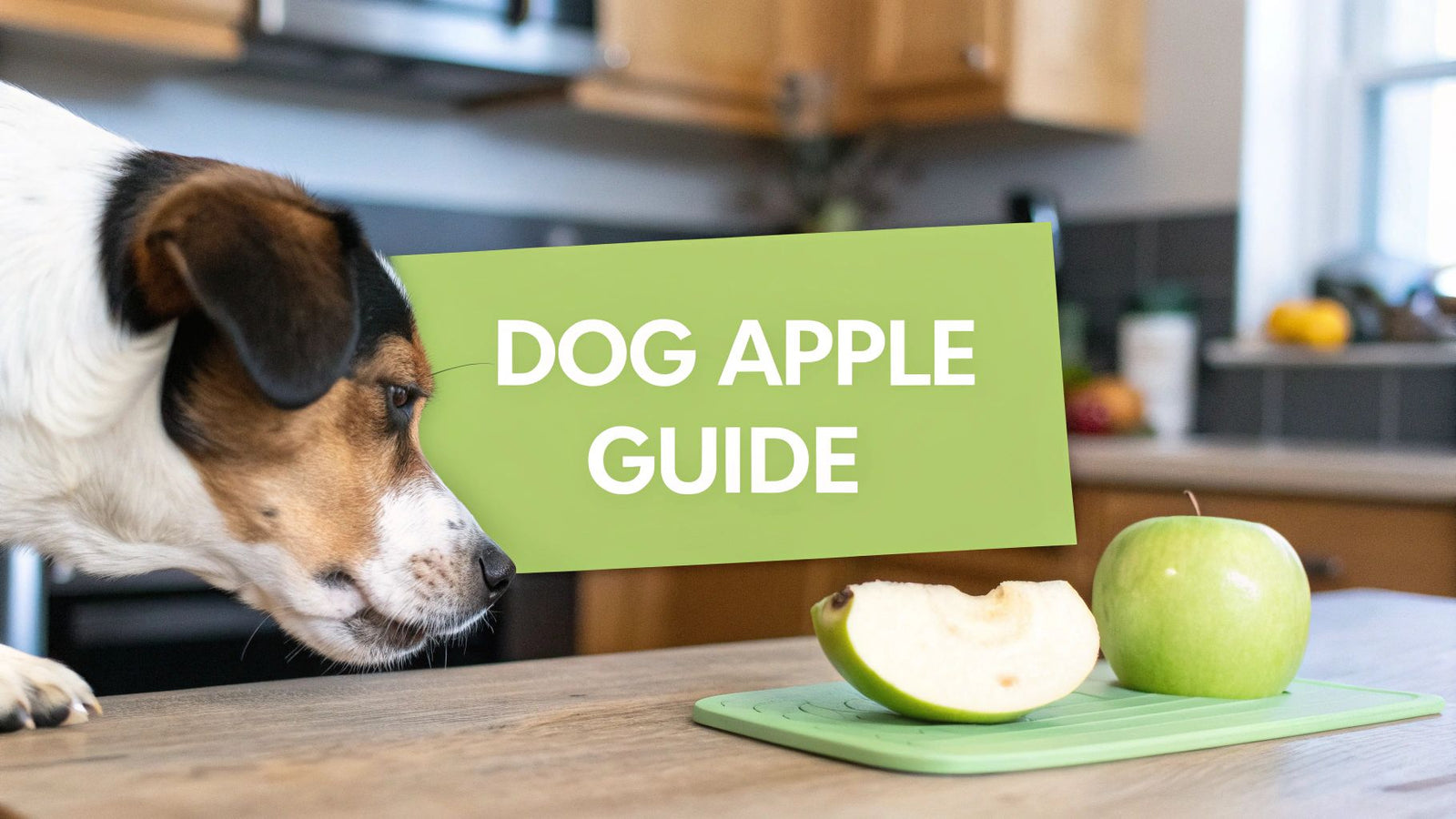
Apples are a safe, nutritious, and low-calorie treat for dogs, provided they are prepared correctly. While the flesh of the apple offers beneficial fiber and vitamins, the seeds and core contain potential toxins and choking hazards. To ensure safety, always remove the seeds, stem, and core before serving bite-sized slices to your pet.
As we look at canine nutrition standards in 2026, the shift toward whole-food supplementation has made fruits like apples a staple in many healthy pet diets. However, "natural" does not always mean "unrestricted." Feeding apples to dogs requires an understanding of their biological limitations and the specific chemical components of the fruit that can cause distress.
The Nutritional Profile of Apples for Canines
Apples are more than just a crunchy snack; they are a dense source of phytonutrients that can support various aspects of a dog’s health. When integrated into a balanced diet, apples provide a suite of vitamins and minerals that complement commercial or raw dog foods.
Dietary Fiber and Pectin
One of the most significant benefits of apples is their high fiber content. Apples contain both soluble and insoluble fiber. The soluble fiber, primarily in the form of pectin, is particularly beneficial for the canine digestive tract. Pectin helps regulate the speed of digestion and can assist in firming up stools in dogs prone to occasional diarrhea. Furthermore, fiber contributes to a feeling of fullness, which is an excellent tool for weight management in breeds prone to obesity, such as Labradors or Beagles.
Vitamin C and Antioxidants
While dogs synthesize their own Vitamin C in their livers—unlike humans—supplemental Vitamin C from fresh fruit can provide an extra boost to the immune system, especially for dogs under stress or those with high activity levels. Apples are also rich in antioxidants like quercetin and catechin. These compounds help combat oxidative stress and inflammation at the cellular level. In senior dogs, these antioxidants are increasingly recognized by veterinary nutritionists as supportive elements for cognitive function and joint health.
Vitamin A and Dental Hygiene
Vitamin A supports skin and coat health, as well as immune function. Beyond the internal benefits, the mechanical action of chewing a crisp apple slice can help gently scrub the surface of a dog's teeth. While it is never a replacement for regular brushing or professional veterinary cleanings, the fibrous texture can help reduce the accumulation of soft plaque.
The Critical Caveats: When Apples Become Dangerous
Despite the benefits, the "caveats" in the phrase "apples and dogs safe treats with caveats" are vital for every pet owner to understand. Failure to observe these warnings can lead to acute poisoning or emergency surgical situations.
The Cyanide Risk in Apple Seeds
The most well-known danger associated with apples is the presence of amygdalin in the seeds. Amygdalin is a cyanogenic glycoside. When seeds are chewed or crushed, the amygdalin interacts with digestive enzymes to release hydrogen cyanide.
Cyanide interferes with the body's ability to use oxygen, leading to cellular hypoxia. While a dog would typically need to consume a large volume of seeds to reach lethal levels of toxicity, the risk is cumulative and varies significantly by the dog's size. A Chihuahua is at a much higher risk from a few seeds than a Great Dane. Symptoms of cyanide poisoning in dogs include:
- Brick-red mucous membranes (gums).
- Dilated pupils.
- Difficulty breathing.
- Tremors or seizures.
Because there is no nutritional benefit to the seeds, the gold standard for safety in 2026 remains the complete removal of every seed before the fruit reaches the dog's bowl.
Choking Hazards and Intestinal Blockage
The core of the apple is tough, fibrous, and difficult for dogs to break down. For many dogs, especially those who tend to "gulp" their food, the core represents a significant choking hazard. If a dog manages to swallow the core whole, it can become lodged in the esophagus or, more dangerously, create a gastrointestinal obstruction in the small intestine. These blockages often require expensive emergency surgery to resolve. The stem is similarly problematic, as it is sharp and offers no nutritional value.
Sugar Content and Glycemic Impact
Apples contain natural sugars (fructose). While these are generally healthier than processed sugars found in some commercial treats, they can still be problematic for specific canine populations.
- Diabetic Dogs: Dogs with diabetes mellitus require strict regulation of their blood glucose levels. The sudden influx of sugar from an apple can cause dangerous spikes.
- Obese Dogs: While low in fat, the calories in apples still count toward the daily intake.
- Cancer Patients: Some veterinary oncologists recommend "starving" cancer cells by minimizing simple sugars in a dog's diet. If your dog is undergoing cancer treatment, consult your specialist before adding fruit to their regimen.
Comparison of Apple Varieties for Dogs
Not all apples are created equal. Different cultivars have varying levels of acidity and sugar, which can affect how well a dog tolerates them.
| Apple Variety | Sweetness Level | Acidity | Best Use Case for Dogs |
|---|---|---|---|
| Granny Smith | Low | High | Excellent for dogs needing lower sugar; very crunchy for dental benefit. |
| Gala | High | Low | Good for dogs who prefer sweeter tastes; softer skin is easier to digest. |
| Red Delicious | Medium | Low | High antioxidant count in the skin; generally well-tolerated. |
| Honeycrisp | High | Medium | Very popular but high sugar; use sparingly as a high-value reward. |
| Fuji | Very High | Low | Highest sugar content; should be limited to small, infrequent portions. |
Preparation Standards for Maximum Safety
To serve apples safely in 2026, follow these standardized preparation steps. This process minimizes the risks of toxicity, choking, and digestive upset.
- Thorough Washing: Modern agricultural practices, even in 2026, often involve pesticides or wax coatings to preserve shelf life. Wash the apple under cold running water. Using a dedicated vegetable brush is recommended to remove surface residues.
- To Peel or Not to Peel: The skin contains the highest concentration of fiber and antioxidants. However, if your dog has a very sensitive stomach, the skin can sometimes cause gas. For most healthy dogs, keeping the skin on is beneficial.
- Core and Seed Removal: Use a corer or a knife to remove the center of the apple entirely. Ensure no stray seeds remain.
- Slicing for Size: Cut the apple into slices or small cubes. For small breeds (under 20 lbs), the pieces should be no larger than a sugar cube. For larger breeds, slices are acceptable, but they should still be monitored while eating.
- Temperature Considerations: Frozen apple slices make an excellent cooling treat during summer months and can provide relief for teething puppies.
Alternatives and Variations: Applesauce and Dehydrated Apples
Many owners wonder if processed versions of apples are safe. The answer depends entirely on the ingredients.
Applesauce
Store-bought applesauce is often problematic. Many brands include added cane sugar, high fructose corn syrup, or—most dangerously—Xylitol (also known as birch sugar). Xylitol is extremely toxic to dogs, causing a rapid drop in blood sugar and potential liver failure. If you wish to feed your dog applesauce, it must be unsweetened and free of all artificial sweeteners and preservatives. Homemade applesauce (simply boiled and mashed apples) is the safest option.
Dehydrated Apples
Dried apple chips can be a convenient travel treat. However, the dehydration process concentrates the sugar content. One dried apple slice has the same amount of sugar as a fresh slice but is much smaller, making it easy to overfeed. Ensure that store-bought dried apples do not contain added sulfur dioxide as a preservative, as this can cause digestive distress in some canines.
Veterinary Guidelines and the "10% Rule"
Veterinary professionals consistently emphasize that treats—including healthy fruits like apples—should never make up more than 10% of a dog's daily caloric intake. The remaining 90% must come from a nutritionally complete and balanced dog food to ensure the dog receives necessary proteins, fats, and minerals that fruit alone cannot provide.
If your dog has never eaten an apple before, start with a single small piece. Some dogs may experience "dietary indiscretion" when introduced to new foods, resulting in an upset stomach or loose stools. Observe your pet for 24 hours before offering more.
Breed-Specific Considerations
While apples are generally safe across breeds, certain types of dogs require extra vigilance:
- Brachycephalic Breeds (Pugs, Bulldogs): Due to their unique airway anatomy, these dogs are at a higher risk of choking. Ensure apple pieces are very small and soft.
- Toy Breeds (Yorkies, Chihuahuas): Their tiny digestive tracts can be easily overwhelmed by too much fiber, leading to painful bloating or gas.
Frequently Asked Questions
Can dogs eat apple skin?
Yes, dogs can eat apple skin. It is the part of the fruit that contains the highest concentration of fiber and health-promoting antioxidants like quercetin. However, ensure the apple is washed thoroughly to remove any pesticides or wax. If your dog has a sensitive stomach, you may want to peel the apple initially to see how they react.
What should I do if my dog eats an apple seed?
A single apple seed is unlikely to cause cyanide poisoning in most dogs. The amygdalin inside the seed must be crushed or chewed to release cyanide, and the amount in one seed is very low. However, if your dog consumes a large number of seeds or the entire core, you should monitor them for signs of lethargy, panting, or red gums and contact your veterinarian as a precaution.
Are green apples better than red apples for dogs?
Green apples, like Granny Smiths, generally have less sugar and a higher acid content than red varieties like Fuji or Gala. This makes them a slightly better choice for dogs that need to watch their weight or sugar intake. Some dogs, however, find the tartness of green apples unappealing and may prefer the sweeter red varieties.
Can puppies have apples?
Puppies can have apples once they are weaned and eating solid food, usually around 8 weeks of age. Because their digestive systems are still developing, it is crucial to give them very small, peeled pieces to prevent choking and minimize the risk of diarrhea from the high fiber content.
Is it okay to give my dog the whole apple to chew on?
No, you should never give a dog a whole apple. This presents a major choking hazard and almost guarantees they will consume the seeds, stem, and core. Always slice and de-seed the apple before offering it to your dog to ensure a safe experience.
Practical Recommendation for Pet Owners
To safely incorporate apples into your dog's lifestyle in 2026, treat them as a functional supplement rather than just a snack. Use small, de-seeded cubes of Granny Smith apples as low-calorie training rewards. This provides the "crunch" dogs love without the excessive calories of processed biscuits. If your dog is older, consider mashing fresh apple into their regular food to provide a boost of antioxidants and hydration. Always maintain a "seeds-out" policy and stick to the 10% treat rule to keep your pet's diet balanced and their digestive system running smoothly.