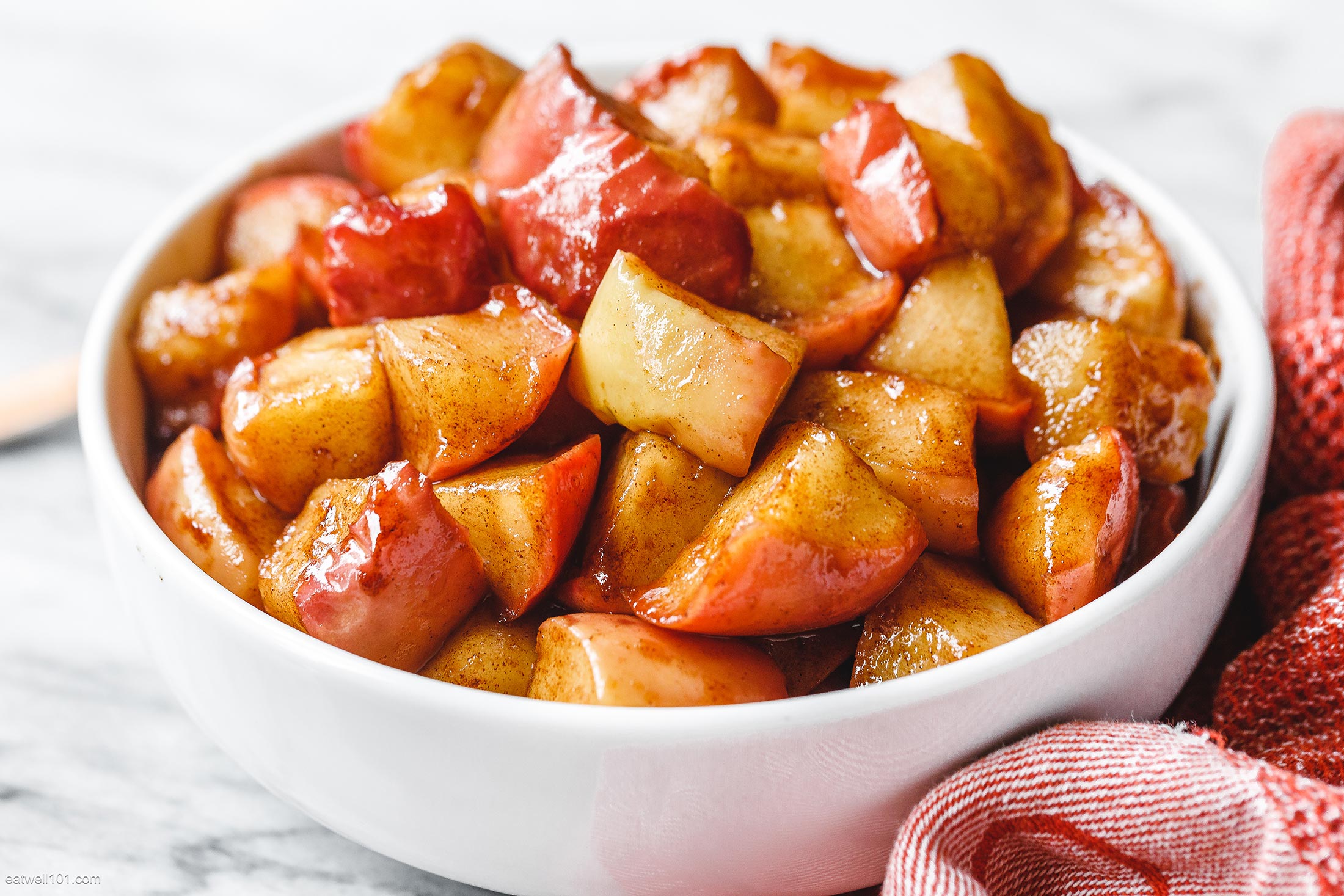
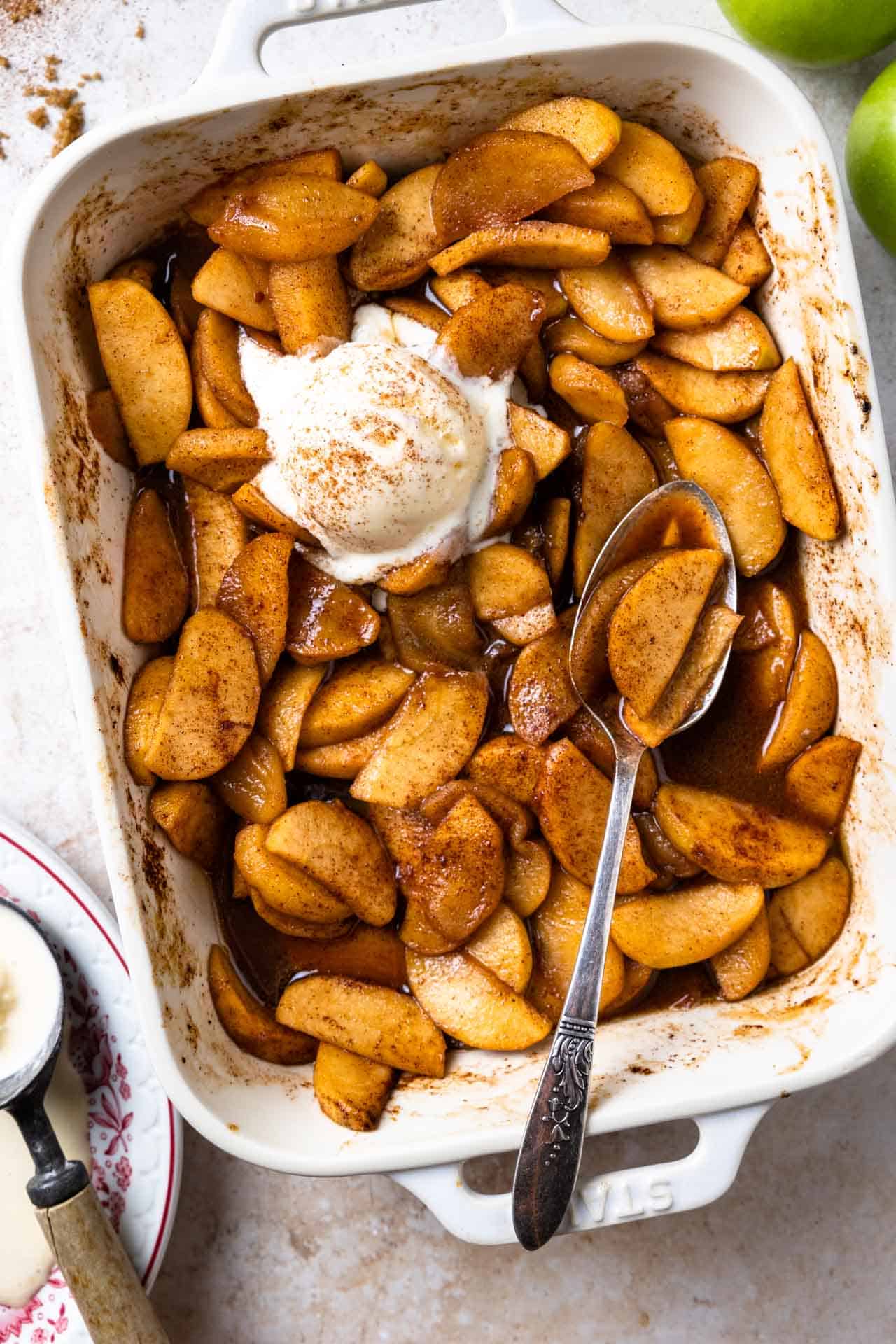
Cooked apples with cinnamon offer a nutritious, low-impact snack or dessert that utilizes seasonal produce and energy-efficient preparation methods. By simmering sliced apples with warming spices, you create a versatile dish that minimizes food waste, supports local agriculture, and avoids the high carbon footprint of processed, packaged sweets.
The Evolution of Sustainable Home Cooking in 2026
In 2026, the definition of a "simple recipe" has expanded to include environmental accountability. It is no longer just about the number of ingredients or the time spent at the stove; it is about the lifecycle of those ingredients. Apples cooked with cinnamon represent a pinnacle of sustainable eating because they rely on resilient local crops and minimal processing.
Choosing to cook apples rather than buying pre-packaged fruit snacks or energy-intensive baked goods reduces plastic waste and lowers the cumulative energy demand of your kitchen. This recipe focuses on "whole-ingredient" utility, ensuring that every part of the fruit is either consumed or repurposed, aligning with modern zero-waste kitchen standards. Furthermore, as global supply chains continue to stabilize around regional hubs, choosing local apple varieties has become the standard for reducing "food miles"—the distance food travels from farm to plate.
Selecting the Right Apples for Cooking
The success of this recipe depends heavily on the variety of apple selected. In a sustainable kitchen, the best apple is often the one that is in season and grown closest to your home. However, different varieties react uniquely to heat due to their cellular structure and pectin content.
Firm vs. Soft Varieties
Firm apples like Granny Smith, Honeycrisp, and Braeburn are ideal for stovetop cooking because they contain higher levels of pectin, a natural fiber that acts as a structural "glue." When heated, these apples soften but retain their shape, providing a pleasant toothsome texture.
Conversely, softer varieties like McIntosh or Gala tend to break down quickly into a saucy consistency. While still delicious, they are better suited for applesauce rather than the distinct, tender slices intended for this recipe. If you are using "ugly fruit" or bruised apples—a key practice in sustainable cooking—you can mix varieties to achieve a complex texture and flavor profile while preventing food waste.
The Role of Natural Sugars
As of 2026, many home cooks are moving away from refined sweeteners, relying instead on the inherent brix (sugar content) of the fruit. Varieties like Fuji and Pink Lady possess high natural sugar levels, which caramelize beautifully in the pan without the need for added cane sugar or syrups. This not only makes the dish healthier but also reduces the environmental impact associated with sugar refining and transport.
Sourcing Sustainable Cinnamon
Cinnamon is more than just a flavor enhancer; it is a spice with a complex global history. To maintain the sustainability of this recipe, it is essential to understand the difference between the two primary types of cinnamon available on the market.
- Ceylon Cinnamon (Cinnamomum verum): Often called "true cinnamon," it is native to Sri Lanka. It has a delicate, sweet flavor and contains significantly lower levels of coumarin, a natural compound that can be toxic in high doses. From a sustainability standpoint, Ceylon cinnamon is often produced in smaller-scale, biodiverse agroforestry systems.
- Cassia Cinnamon (Cinnamomum cassia): This is the more common, pungent variety found in most grocery stores. While more affordable, its production is often more industrialized.
In 2026, consumers are encouraged to look for Fairtrade International or Rainforest Alliance certifications when purchasing cinnamon. These labels ensure that the farmers are paid a living wage and that the spice is harvested using methods that protect the local ecosystem. Using high-quality, ethically sourced cinnamon means you need less of it to achieve a robust flavor, making your pantry more efficient.
Comprehensive Recipe: Stovetop Cinnamon Apples
This method utilizes the stovetop rather than an oven to conserve energy. Heating a small pan takes significantly less electricity or gas than preheating a large oven cavity, making it the preferred sustainable preparation method.
Ingredients and Requirements
- Apples: 4 large or 6 medium (locally sourced).
- Cinnamon: 1 to 2 teaspoons (ethically sourced Ceylon preferred).
- Liquid: 2 tablespoons of water or local apple cider (to prevent sticking).
- Optional Fat: 1 tablespoon of grass-fed butter or coconut oil (supports browning).
- Optional Enhancements: A pinch of sea salt to balance flavors; a splash of lemon juice to preserve color.
Step-by-Step Instructions
1. Preparation and Cleaning
Wash the apples thoroughly. In 2026, the recommendation remains to leave the skins on. The peel contains the majority of the apple's fiber and polyphenols. Furthermore, peeling creates organic waste that is often unnecessary. Slice the apples into uniform wedges, approximately half an inch thick. Uniformity ensures even cooking, preventing some pieces from becoming mush while others remain hard.
2. The Sauté Phase
Place a wide skillet over medium heat. If using butter or oil, melt it until it begins to shimmer. Add the apple slices in a relatively even layer. Do not crowd the pan too much, as this will cause the apples to steam rather than lightly brown. Sauté for 3–5 minutes, turning occasionally.
3. Adding Spices and Liquid
Sprinkle the cinnamon evenly over the apples. Add the water or cider. The liquid creates a small amount of steam that helps soften the interior of the apple slices while the exterior begins to caramelize. Cover the pan with a lid for 2–3 minutes to accelerate the softening process using trapped heat.
4. Final Reduction
Remove the lid and continue to cook for another 2–4 minutes. The liquid should reduce into a light, spicy glaze that coats the fruit. The apples are finished when they are easily pierced with a fork but do not fall apart.
Comparison of Common Apple Varieties for Cooking
| Apple Variety | Texture After Cooking | Flavor Profile | Sustainability Note |
|---|---|---|---|
| Granny Smith | Firm / Crisp | Tart & Acidic | High storage life; reduces waste. |
| Honeycrisp | Firm / Juicy | Sweet & Balanced | Often grown in diverse climates. |
| Braeburn | Very Firm | Rich & Spicy | Holds shape exceptionally well. |
| Fuji | Medium-Soft | Very Sweet | High natural sugar; no added sweetener needed. |
| Gala | Soft / Saucy | Mild & Sweet | Best for mixing with firmer types. |
| Pink Lady | Firm | Effervescent / Tart | Late-season harvest; great for winter. |
Maximizing Utility: The Zero-Waste Approach
A truly sustainable recipe considers the "by-products" of the cooking process. Even if you choose to peel your apples for a specific dietary reason, those peels should not enter a landfill.
- Apple Peel Tea: Simmer leftover peels with a cinnamon stick and water for 10 minutes to create a caffeine-free, antioxidant-rich infusion.
- Apple Cider Vinegar: Cores and scraps can be submerged in sugar water and fermented over several weeks to produce homemade vinegar, which can then be used for cleaning or future cooking.
- Composting: If the scraps cannot be eaten, they must be composted. According to the Environmental Protection Agency (EPA), food scraps and yard waste currently make up more than 30% of what we throw away. Composting returns vital nutrients to the soil, completing the sustainable cycle.
Nutritional Benefits of Cooked Cinnamon Apples
This dish is a nutritional powerhouse, providing essential micronutrients with minimal caloric density. One medium apple provides approximately 4.5 grams of fiber, which is crucial for digestive health. Cooking the apples actually makes certain nutrients more bioavailable, and the addition of cinnamon provides more than just flavor.
Cinnamon has been studied extensively for its ability to improve insulin sensitivity and lower blood sugar levels. When paired with the fiber in apples, it creates a snack that has a low glycemic index, providing sustained energy without the "crash" associated with processed desserts. Furthermore, the antioxidants in both apples (quercetin) and cinnamon (polyphenols) help combat oxidative stress in the body.
Common Mistakes to Avoid
- Overcooking: The transition from "tender" to "mush" happens quickly. Always test the apples a minute before you think they are done.
- High Heat: Cooking on high heat can burn the cinnamon, giving it a bitter, acrid taste. Medium heat allows the sugars to caramelize slowly.
- Adding Too Much Water: You want a glaze, not a soup. Start with a small amount of liquid and only add more if the pan becomes completely dry before the apples are soft.
- Ignoring the Peel: Unless there is a specific textural preference or medical necessity, keep the peel. It is where the nutrients and the structural integrity reside.
Frequently Asked Questions
Can I make this recipe in a slow cooker or pressure cooker?
Yes, but the texture will change. A pressure cooker will turn apples into a soft compote in about 3 minutes, which is excellent for speed but lacks the caramelized texture of the stovetop. A slow cooker is useful for large batches (like for a gathering) but is less energy-efficient for a single serving compared to a quick stovetop sauté.
How long do cooked cinnamon apples last in the refrigerator?
When stored in an airtight glass container, cooked apples will remain fresh for 4 to 5 days. They can be eaten cold, added to morning oatmeal, or gently reheated. Because they are cooked, the cell walls are already broken down, so they may release a little more liquid during storage.
Is it necessary to add sugar or maple syrup?
In most cases, no. If you select a naturally sweet variety like Fuji or Gala, the heat concentrates the fruit's sugars. If you find the dish too tart (common with Granny Smiths), a small teaspoon of local honey or maple syrup can be added at the very end of cooking to preserve the enzymes and nutrients in the sweetener.
Are cooked apples as healthy as raw apples?
While cooking does reduce the levels of Vitamin C (which is heat-sensitive), it increases the availability of other antioxidants and makes the fiber easier for some people to digest. For a sustainable diet, variety is key; consuming both raw and lightly cooked fruit ensures a broad spectrum of nutrient intake.
What can I serve with cinnamon apples to make it a full meal?
To balance the carbohydrates in the apples, pair them with a protein and healthy fat. A common sustainable choice is topping the apples with toasted local walnuts or sunflower seeds and serving them alongside a dollop of Greek yogurt or a bowl of steel-cut oats.
Practical Recommendation for Next Actions
To begin your journey with sustainable cooking, start by identifying a local orchard or a farmers' market that stocks heritage apple varieties. Purchase a mix of firm and sweet apples to experiment with texture. Prepare a batch using the stovetop method described above, keeping the skins on to maximize nutrition and minimize waste. Once comfortable with the base recipe, try incorporating seasonal additions like cranberries in the autumn or a splash of orange juice in the winter to keep the dish vibrant throughout the year.