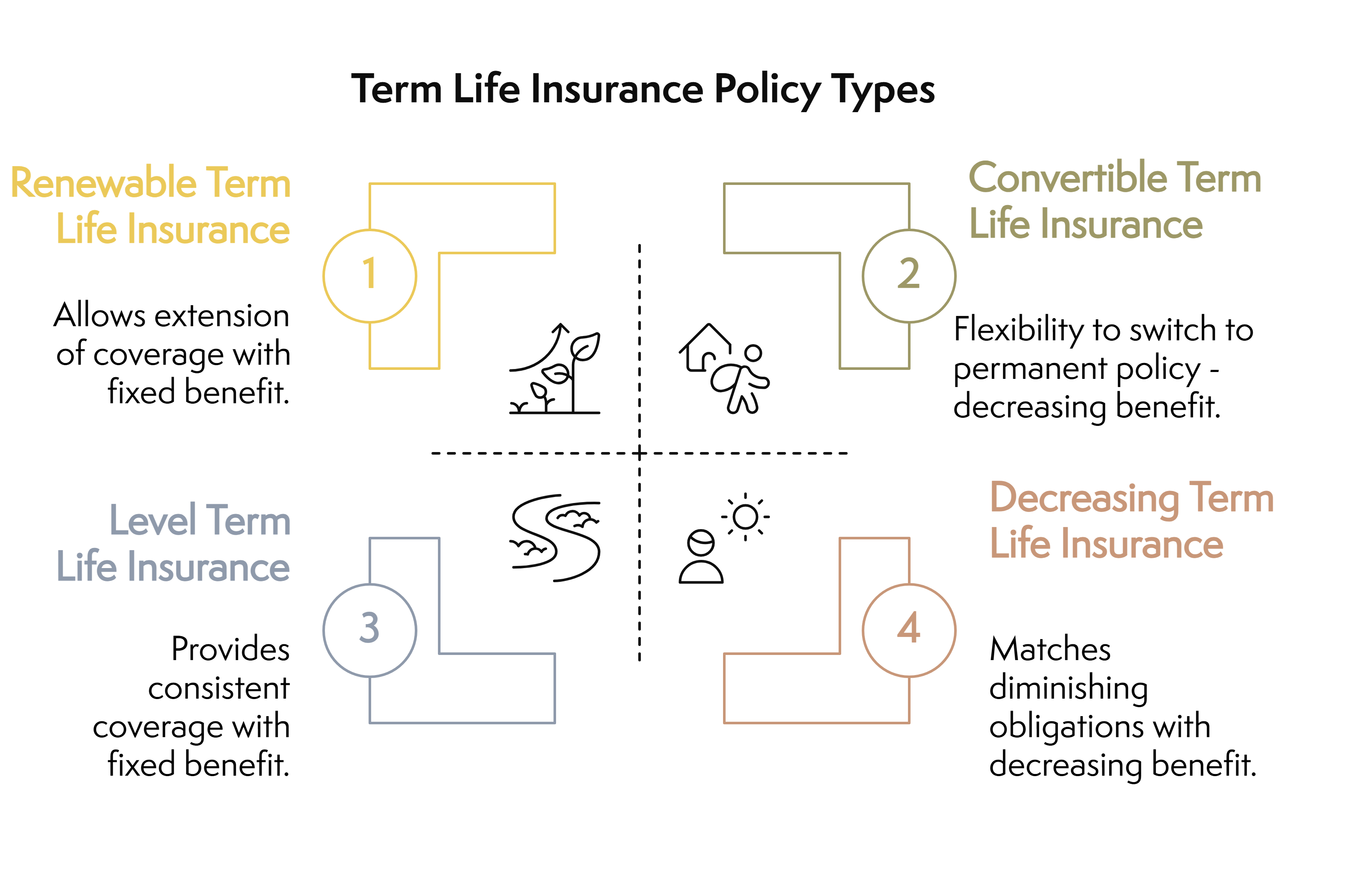
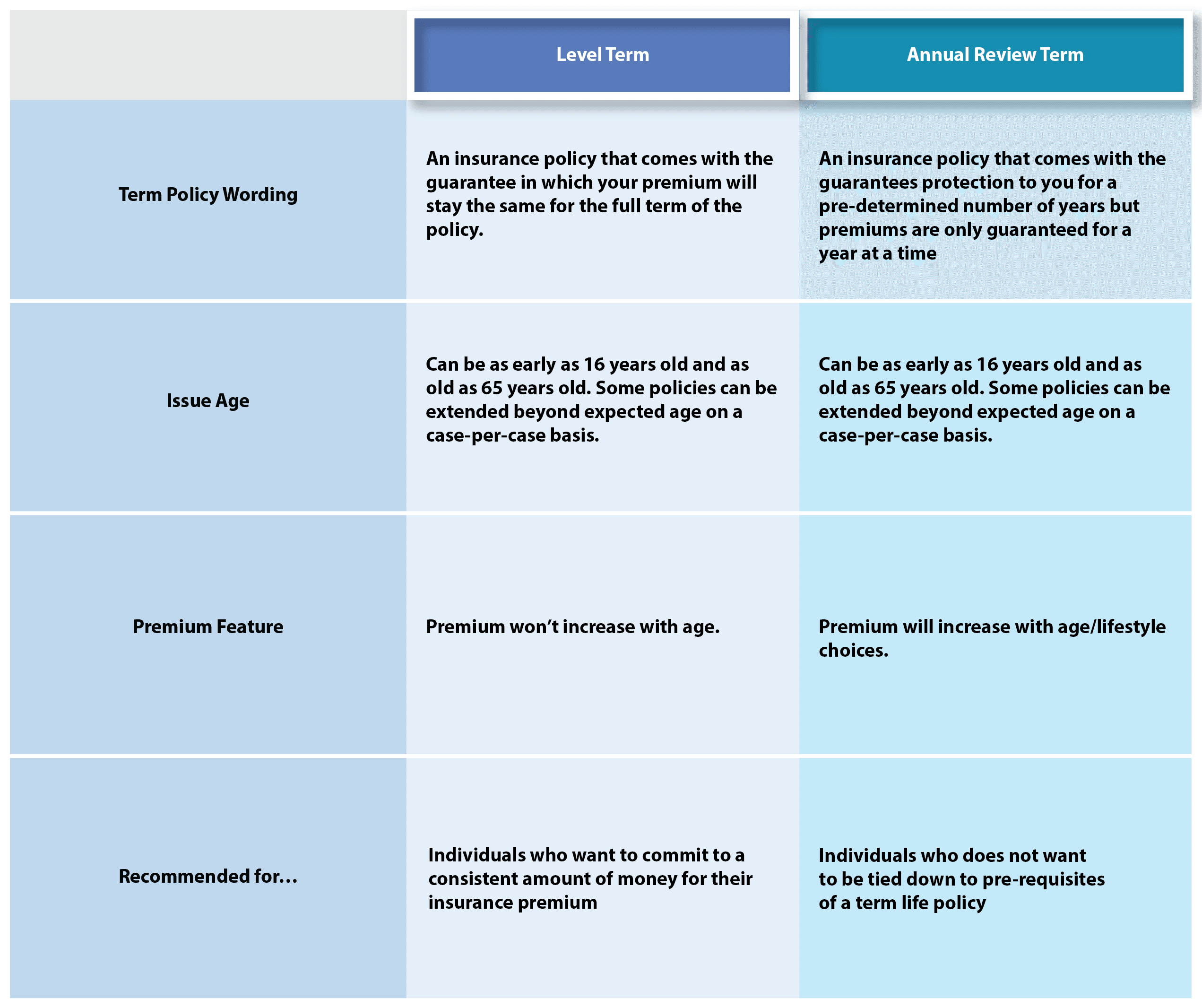
Annual renewable life insurance, or annual renewable term (ART), is a form of term life insurance that provides a death benefit for a one-year period, with the option to renew the policy each year without a medical re-examination. While initial premiums are typically lower than level-term policies, costs increase annually as the insured person ages.
Choosing the right life insurance policy requires a clear understanding of how premium structures evolve over time. While level-term insurance—where the price stays the same for 10, 20, or 30 years—is the most common choice for families, annual renewable life insurance serves a specific niche in the financial planning landscape. In 2026, with the integration of more sophisticated data-driven underwriting, ART remains a vital tool for those needing short-term protection or maximum flexibility.
What is Annual Renewable Life Insurance?
Annual renewable life insurance is a type of term life policy that is technically "term" for only one year at a time. At the end of that year, the policyholder has the contractual right to renew the coverage for another year. The defining characteristic of this product is that the insurance company cannot deny your renewal based on changes in your health, provided you continue to pay the premiums.
This "guaranteed renewability" is the core value proposition of an ART policy. However, this guarantee comes with a price adjustment. Because the statistical probability of death increases with each year of age, the insurer adjusts the premium upward every time the policy is renewed. In the early years of a policy, ART is often the least expensive way to obtain a large death benefit. As the decades pass, however, the "step-rate" premium structure can make the policy significantly more expensive than a traditional level-term policy.
The Mechanism of Guaranteed Renewability
Under the guidelines established by the National Association of Insurance Commissioners (NAIC), guaranteed renewability protects the consumer from losing coverage if they develop a chronic or terminal illness during the policy term. If you purchase an ART policy while healthy at age 30, and are diagnosed with a serious condition at age 32, the insurer is legally obligated to allow you to renew the policy annually at the standard rate for your age group, regardless of your new health status.
How Annual Renewable Term Insurance Works
To understand ART, one must understand the concept of "attained age" premiums. Most life insurance is priced based on your age at the time the policy is issued. With annual renewable life insurance, the policy is essentially "re-issued" every year at your new, current age.
The Renewal Process
The renewal process is typically automatic. As long as the policyholder pays the new, higher premium cited in the renewal notice, the coverage stays in force. There is no need for a new medical exam, blood tests, or a review of medical records. This makes it a "low-friction" product for those who are already within the system.
Premium Structure and the Exponential Curve
In 2026, actuarial models continue to show that mortality risk does not increase linearly; it increases exponentially as an individual approaches the later stages of life. Consequently, the premium for an ART policy follows a similar curve.
- Years 1–5: Premiums are often remarkably low, sometimes 20% to 30% cheaper than a 20-year level-term policy.
- Years 10–15: The ART premium typically crosses the line where it becomes more expensive than the original level-term quote would have been.
- Years 20+: The premiums can become prohibitively expensive, often reaching five to ten times the initial cost.
Key Features and Policy Riders
While the primary function of ART is the death benefit, modern policies in 2026 often include several features that enhance their utility.
1. Conversion Privilege
Perhaps the most important feature of a high-quality ART policy is the "conversion rider." This allows the policyholder to convert their temporary term coverage into a permanent policy, such as Whole Life or Universal Life, without undergoing a new medical exam. This is a critical safety net. If a policyholder realizes their need for insurance is permanent or if they become uninsurable, they can lock in a permanent policy while their ART coverage is still active.
2. Death Benefit Flexibility
Most ART policies allow the policyholder to decrease the face amount (the death benefit) over time. For example, if a policy was originally taken out to cover a $500,000 debt that is being paid down, the policyholder can request to lower the coverage to $400,000, which helps mitigate the rising annual premiums.
3. Waiver of Premium
Many carriers offer a "Waiver of Premium" rider. If the insured becomes totally disabled and unable to work, the insurance company covers the cost of the premiums to keep the policy in force. Given that ART premiums rise every year, this rider is particularly valuable as it protects against the increasing costs during a period of zero income.
Comparing ART with Other Insurance Types
Choosing between ART, level term, and permanent insurance depends entirely on the duration of the financial need and the importance of cash value accumulation.
| Feature | Annual Renewable Term (ART) | Level Term (10-30 Year) | Permanent (Whole/Universal) |
|---|---|---|---|
| Premium Schedule | Increases every year | Stays the same for the term | Generally stays the same |
| Initial Cost | Lowest | Moderate | Highest |
| Duration | 1 year (Renewable) | Fixed (10, 20, 30 years) | Lifelong |
| Cash Value | None | None | Accumulates over time |
| Medical Exam | Only at initial application | Only at initial application | Required for most |
| Best For | Short-term debt, "Bridge" coverage | Families, Mortgages | Estate planning, Lifelong needs |
Who Should Consider Annual Renewable Life Insurance?
Annual renewable life insurance is not a "one-size-fits-all" solution. It is a specialized financial tool best suited for specific circumstances.
Short-Term Financial Obligations
If you have a debt that will be fully satisfied within one to three years, such as a short-term business loan or a bridge loan, ART is often the most cost-effective way to insure that debt. Paying for a 10-year level term policy when you only need three years of coverage results in overpaying for risk you don't need in the later years.
"In-Between" Coverage
Individuals transitioning between jobs or waiting for a more comprehensive group benefits package to kick in often use ART as a "bridge." It provides immediate protection with a very low initial cash outlay.
Improving Health or Lifestyle
If an individual is currently classified as a "substandard" risk—perhaps due to smoking, being overweight, or a recent health event—but is actively working to improve that status, ART can be a temporary solution. They can secure coverage now and, once their health improves (e.g., they have been tobacco-free for 12 months), they can apply for a more affordable long-term level policy.
Maximizing Initial Death Benefit on a Budget
For young professionals or entrepreneurs who have massive insurance needs (to protect young children or a startup) but very little current cash flow, ART allows them to buy the largest possible death benefit for the fewest number of dollars today. The plan is usually to convert or switch to level term as their income rises.
The Financial Mathematics of ART Premiums
To truly understand "annual renewable life insurance explained," one must look at the underlying mathematics of risk. Insurance companies use mortality tables to determine the "probability of death" at every age.
In an ART policy, the insurer calculates the premium using the "net amount at risk." Because there is no cash value building up in the policy to offset the death benefit, the insurer is on the hook for the full face amount for the entire year. As you age from 35 to 36, the statistical chance of a claim increases. Even if the increase is only 0.01%, when applied to a $1,000,000 policy, that represents a tangible increase in expected cost for the insurer, which is passed directly to the consumer.
This is fundamentally different from a 20-year level term policy. In a level term policy, the insurer "overcharges" you in the early years to "undercharge" you in the later years. The excess premium from years 1–10 is held in reserve to subsidize the higher risk in years 11–20. ART removes this subsidy, meaning you pay exactly for the risk of your current age.
Common Pitfalls and Misconceptions
The "Cost Explosion"
The most significant mistake consumers make is holding an ART policy for too long. Because the premium increases are manageable in the first few years, it is easy to ignore them. However, by the time the insured reaches their late 50s or 60s, the premium increases become dramatic. At this point, if the insured's health has declined, they may find themselves "trapped" in an increasingly unaffordable policy because they cannot qualify for a new, cheaper level-term policy elsewhere.
Confusing ART with Group Life Insurance
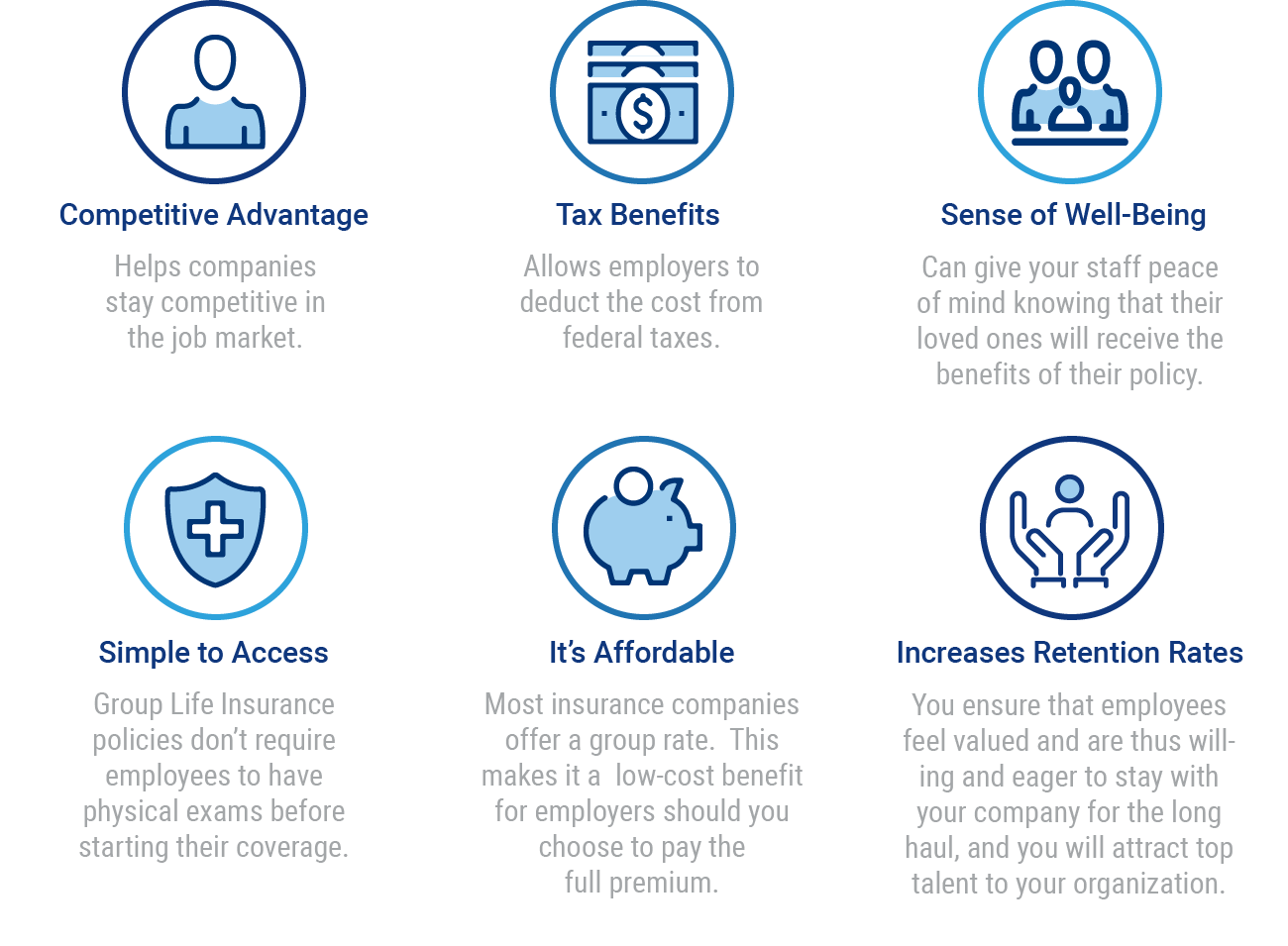
Many people have life insurance through their employer. Most employer-sponsored group life insurance is structured as an annual renewable term. However, group policies are often not "portable." If you leave your job, you lose the coverage. A private ART policy is owned by you and stays with you regardless of your employment status.
Ignoring the Maximum Renewal Age
Most ART policies have a "terminal age," often 70, 80, or 95. Once you reach this age, the policy terminates and cannot be renewed further. It is vital to check the policy contract to ensure the coverage will last as long as the underlying need exists.
Steps to Purchase Annual Renewable Life Insurance in 2026
If you have determined that ART fits your current financial strategy, follow these steps to ensure you secure the best terms:
- Define the Duration: Determine exactly how many years you need the coverage. If the answer is "more than 10," ART is likely not the correct choice.
- Compare the "Step-Rate" Schedule: Ask the insurance agent for a "ledger statement" or illustration. This document shows the projected premium for every year until the policy terminates. Look at the total cost over 5 years versus a 5-year level term.
- Verify Conversion Options: Ensure the policy is "convertible" to a permanent product. Check which permanent products the carrier offers; some only allow conversion to their most expensive whole life policies.
- Evaluate Digital Underwriting: In 2026, many carriers offer "accelerated underwriting" for ART. You may be able to get a policy in minutes by allowing the insurer to access your electronic health records (EHR) and credit data, bypassing the traditional needle-and-cup medical exam.
- Review Carrier Financial Strength: Life insurance is a long-term promise. Check the ratings from agencies like A.M. Best or Standard & Poor’s to ensure the company has the financial stability to pay future claims.
Frequently Asked Questions
Can I be denied renewal if I get sick? No. As long as you pay the premiums, the "guaranteed renewability" clause prevents the insurer from canceling your coverage or denying renewal based on your health. This is the primary protection offered by an ART policy.
Is annual renewable term cheaper than 20-year term? Initially, yes. For the first few years, the premium for an ART policy is almost always lower than a 20-year level term policy for the same person. However, over the full 20-year period, the ART policy will almost certainly cost significantly more in total premiums.
Can I switch from ART to a level-term policy later? You can apply for a new level-term policy at any time, but you will have to go through a new medical exam and underwriting process. If your health has declined, you might be denied or charged a much higher rate. This is why the "conversion" feature to a permanent policy is a better safety net for those whose health has changed.
Does ART build any cash value? No. Annual renewable life insurance is "pure" insurance. Every dollar of your premium goes toward the cost of the insurance and the company's administrative expenses. If you cancel the policy, there is no refund of premiums or accumulated savings.
What happens if I miss a premium payment? Most policies have a 31-day grace period. If you do not pay the renewal premium within this window, the policy will lapse. Because ART premiums increase every year, it is crucial to ensure your payment methods are updated to cover the new amount.
Final Recommendation
Annual renewable life insurance is a high-utility, short-term financial instrument. It is best used as a strategic bridge—to cover a specific debt, to protect a family while waiting for a better health rating, or to secure a large death benefit during a period of lean cash flow.
If your need for life insurance is long-term (e.g., protecting your spouse’s retirement or your children’s education), you will almost always be better served by a level-term policy. However, for those who value current-year liquidity and flexibility, ART provides a guaranteed way to stay protected without being locked into a long-term contract. Always request a full premium illustration to see exactly how your costs will climb before signing the application.
Professional Advice Disclaimer: This article is for informational purposes only and does not constitute financial, legal, or tax advice. Life insurance regulations and product availability vary by jurisdiction. Consult with a licensed insurance professional or financial advisor to discuss your specific needs and state-specific laws.