Analyzing the net worth of Anne Springs Close requires looking beyond standard celebrity financial metrics. Rather than a single public figure portfolio, her financial standing represents a multi-generational textile industrial fortune—derived from Springs Industries—that was largely transitioned into philanthropic trusts, land conservation, and community foundations in York County, South Carolina.
The Industrial Roots of the Springs Family Fortune
To evaluate the net worth context of Anne Springs Close (1925–2021), one must examine the economic empire built by the Springs family over more than a century. The fortune originated in the late 19th and early 20th centuries through the expansion of textile manufacturing in the American South.
From Leroy Springs to Elliott White Springs
The foundation of the family wealth began with Colonel Leroy Springs, who founded Fort Mill Manufacturing Company in 1887 and later consolidated several regional textile mills into Springs Cotton Mills. Upon his death in 1931, his son, Elliott White Springs—a World War I flying ace, author, and industrial mastermind—took control of the business.
Under Elliott White Springs’ leadership through the mid-20th century, the enterprise survived the Great Depression, modernized operations, and launched national branding campaigns, including the famous "Springmaid" label. By the mid-20th century, Springs Cotton Mills had become one of the largest textile manufacturing enterprises in the world, generating massive revenues and establishing the family as one of the wealthiest dynasties in the Southeastern United States.
Springs Family Industrial Timeline:
- 1887: Colonel Leroy Springs founds textile operations
- 1931: Elliott White Springs consolidates mill empire
- 1942: Creation of the Springs Foundation (Philanthropy)
- 1959: Anne Springs Close board tenure begins
- 1995: Opening of the 2,100-acre Anne Springs Close Greenway
- 2006: Merger into Springs Global (International Scale)
Transition to Springs Industries and International Mergers
When Elliott White Springs passed away in 1959, control of the company shifted to his son-in-law, H. William Close (husband of Anne Springs Close), who served as president and chairman. The company went public in 1966 as Springs Mills, Inc., and later became Springs Industries, Inc.
At its peak in the late 20th century, Springs Industries was a Fortune 500 company operating dozens of manufacturing facilities and employing tens of thousands of workers. In 2006, the home furnishings division merged with Brazilian textile manufacturer Coteminas to form Springs Global, one of the largest global manufacturers of home textile products.
This corporate evolution meant that the family's wealth was backed by billions of dollars in gross corporate revenues, physical industrial plants, and massive equity holdings over multiple generations.
Deconstructing Private Wealth: Personal Net Worth vs. Family Capital
Estimating a specific net worth figure for Anne Springs Close during her lifetime—or in retrospective analysis—requires distinguishing between individual personal liquidity, multi-generational family trusts, and charitable entities.
Why Forbes Net Worth Lists Excluded Individual Figures
Unlike modern tech founders whose net worth fluctuates publicly on daily stock exchanges, historical industrial families like the Springs family distributed equity across numerous descendants, private holdings, and trusts.
Anne Springs Close was the sole surviving child of Elliott White Springs. However, she was also the mother of eight children and grandmother to dozens of descendants. The capital accumulated by Springs Industries was held across complex trust structures designed to support family members, fund charitable endeavors, and maintain land holdings across the Carolinas.
While the collective economic valuation of the Springs family assets historically reached hundreds of millions of dollars (and evaluated in real estate appreciation terms, over a billion dollars in regional assets), Anne Springs Close lived with an intentional simplicity that masked the total scale of the underlying wealth.
Private Equity vs. Public Asset Valuation
The financial structure of the family capital evolved in three distinct phases:
- Direct Industrial Equity (1930s–1980s): High concentration in physical mills, textile inventories, and public shares of Springs Mills / Springs Industries.
- Diversification and Liquidation (1990s–2000s): As domestic textile manufacturing faced overseas competition, family holdings diversified into commercial real estate, financial equities, and international joint ventures.
- Land and Philanthropic Allocation (1990s–Present): A substantial portion of physical family land was removed from commercial development pipelines and permanently transferred into non-profit trusts.
The Springs Close Foundation: Charitable Capital and Endowments
A significant portion of the financial wealth associated with Anne Springs Close exists within public non-profit filings rather than private personal accounts.
Foundation History and IRS Form 990 Transparency
The Springs Close Foundation (originally established in 1942 as the Springs Foundation by Elliott White Springs) serves as the primary philanthropic engine for the family's charitable giving in York, Chester, and Lancaster counties in South Carolina.
Unlike private personal wealth, private foundation assets are publicly reported via mandatory annual IRS Form 990-PF disclosures. Key aspects of the foundation's financial scale include:
- Asset Base: The foundation maintains an investment portfolio historically valued between $30 million and $80 million depending on market valuation cycles and grant payout schedules.
- Grantmaking Capacity: The foundation distributes millions of dollars annually to public education, healthcare facilities, local infrastructure, human services, and environmental conservation.
- Governance: Anne Springs Close served as chairperson of the board for decades, guiding capital allocation toward local community improvements rather than capital accumulation.
To review foundation filing data and tax governance regulations, detailed information is available via the IRS Tax Exempt Organization Search.
The 2,100-Acre Greenway: Real Estate Value vs. Conservation Stewardship
The most visible physical representation of the Anne Springs Close wealth context is the Anne Springs Close Greenway, a 2,100-acre natural preserve located in Fort Mill, South Carolina.
- 2,100-Acre Land Holding in Fort Mill, SC
- Commercial Development Value
- Estimated: $200M - $500M+
- High-density suburban sprawl
- Rejected by Family Trust
- Conservation Easement Value
- Protected from Development
- Preserved for Public Access
- Managed by Leroy Springs & Co.
- Commercial Development Value
Commercial Valuation vs. Protected Preservation Value
From a purely commercial real estate perspective, 2,100 contiguous acres in Fort Mill—one of the fastest-growing suburban corridors in the Charlotte metropolitan area—represents immense real estate value.
- Hypothetical Commercial Value: Comparable commercial and residential parcels in Northern York County sell for substantial sums per acre. If developed into high-density commercial, industrial, or residential real estate, the land value of 2,100 acres in this corridor could easily exceed $200 million to $500 million depending on zoning and market density.
- Actual Conservation Value: In 1995, Anne Springs Close and her family made the conscious decision to forgo commercial liquidation. Instead, they placed the land into permanent conservation trusts and created the Greenway in honor of her dedication to nature.
This decision effectively moved hundreds of millions of dollars of potential private net worth into dedicated community trust management.
Environmental and Community ROI
The Greenway is managed by Leroy Springs & Company, Inc., a 501(c)(3) non-profit organization established in 1938 to provide recreation and park space for mill workers and local residents.
Rather than generating commercial dividends for family members, the land functions as a self-sustaining civic asset funded through:
- Annual membership subscriptions and user entry fees
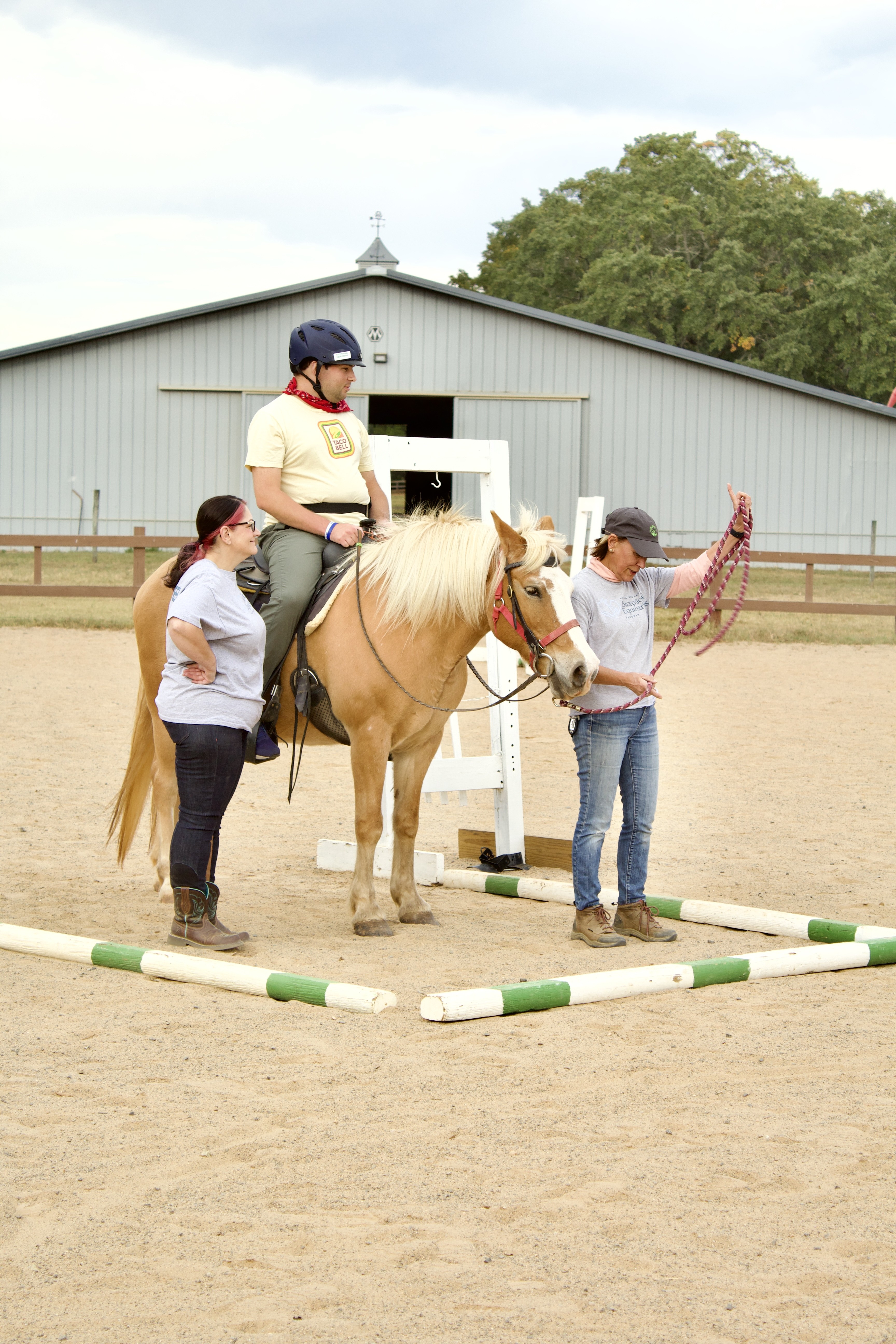
- Program revenue (summer camps, equestrian programs, outdoor recreation)
- Philanthropic gifts and foundation subsidies
- Endowment investment income
For details on local land conservation mechanisms and regional environmental protection standards, reference the South Carolina Conservation Bank.
Structural Comparison of Springs Family Financial Entities
To clarify how the broader fortune was structured across corporate, non-profit, and land preservation vehicles, the following table details the key organizational components of the legacy:
| Entity Name | Primary Function | Legal Structure | Capital Source / Funding Model | Public Transparency |
|---|---|---|---|---|
| Springs Industries / Springs Global | Textile manufacturing & distribution | Historically Public / Private Joint Venture | Corporate revenue, commercial sales, equity shares | Public SEC filings (historic) / Private equity disclosures |
| The Springs Close Foundation | Regional grantmaking & charitable funding | 501(c)(3) Private Foundation | Corporate gift dividends, investment portfolio | Annual IRS Form 990-PF filings |
| Leroy Springs & Company, Inc. | Recreation management & park operations | 501(c)(3) Non-Profit Operating Entity | Program fees, memberships, foundation grants | Annual IRS Form 990 filings |
| Anne Springs Close Greenway | Land conservation & public open space | Land Trust / Protected Real Estate | Perpetual conservation easements, non-profit stewardship | Public land registry records |
| Private Family Trusts | Intergenerational wealth transfer | Private Irrevocable Family Trusts | Equity dividends, estate planning assets | Private (non-public) |
Wealth Transfer & Estate Planning Lessons from the Springs Legacy
The financial trajectory of Anne Springs Close provides a textbook case study in how major 20th-century American industrial fortunes transition across generations.
1. Multi-Generational Diversification
Industrial fortunes tied to single manufacturing sectors (such as textiles) face significant long-term vulnerability to global trade shifts. The Springs family mitigated this risk by transitioning out of capital-intensive manufacturing assets into diversified financial portfolios, real estate, and philanthropy during the late 20th century.
2. Forgoing Short-Term Liquidity for Long-Term Legacy
Many modern estate plans prioritize maximizing liquid cash distributions to heirs. The decision by Anne Springs Close and her family to lock thousands of high-value real estate acres into non-profit conservation easements illustrates a strategic choice to prioritize broad societal impact over private capital accumulation.
3. Non-Profit Governance & Operating Independence
By keeping Leroy Springs & Company, Inc. and The Springs Close Foundation legally separate from personal private estates, the family ensured that civic institutions could operate continuously regardless of individual estate probate processes or family inheritance transitions.
Frequently Asked Questions
What was the estimated net worth of Anne Springs Close?
While an exact individual net worth figure was never publicly listed by financial publications like Forbes, Anne Springs Close inherited and oversaw an industrial and real estate fortune valued in the hundreds of millions of dollars. A significant portion of this wealth was voluntarily directed into private foundations, non-profit trusts, and land conservation rather than held as personal liquid cash.
How did the Springs family build their wealth?
The family fortune was established through Springs Cotton Mills (later Springs Industries), founded in Fort Mill, South Carolina, by Colonel Leroy Springs in 1887 and expanded by Elliott White Springs. It grew into one of the largest home textile manufacturers in the United States, famous for the "Springmaid" brand.
How is the Anne Springs Close Greenway funded?
The Greenway operates under Leroy Springs & Company, Inc., a 501(c)(3) non-profit organization. It is funded through membership fees, recreational program revenues, facility rentals, private donations, and grants from The Springs Close Foundation.
Did Anne Springs Close own the Greenway land personally?
No. While the land originally formed part of the family's historical real estate holdings, Anne Springs Close and her family dedicated the 2,100 acres to open space and placed it into permanent conservation stewardship to prevent commercial development and protect natural habitat.
Is The Springs Close Foundation still active?
Yes. The Springs Close Foundation remains active, regularly filing Form 990 disclosures with the IRS and providing grants to educational, healthcare, and civic organizations across York, Chester, and Lancaster counties in South Carolina.
Practical Takeaways and Next Actions
Understanding the financial context of Anne Springs Close offers valuable perspectives for financial researchers, estate planners, and conservation advocates:
- Distinguish Foundation Assets from Personal Wealth: When evaluating historical net worth claims for major industrial figures, inspect IRS Form 990 filings to differentiate public non-profit capital from personal liquid assets.
- Analyze Conservation Real Estate Impact: For real estate research in York County, SC, evaluate how permanent conservation easements like the Greenway alter regional housing density, property value appreciation, and municipal infrastructure costs.
- Examine Family Office Succession Models: Wealth management professionals studying multi-generational trust structures can look to the Springs legacy as an example of balancing multi-heir estate distribution with large-scale civic philanthropy.