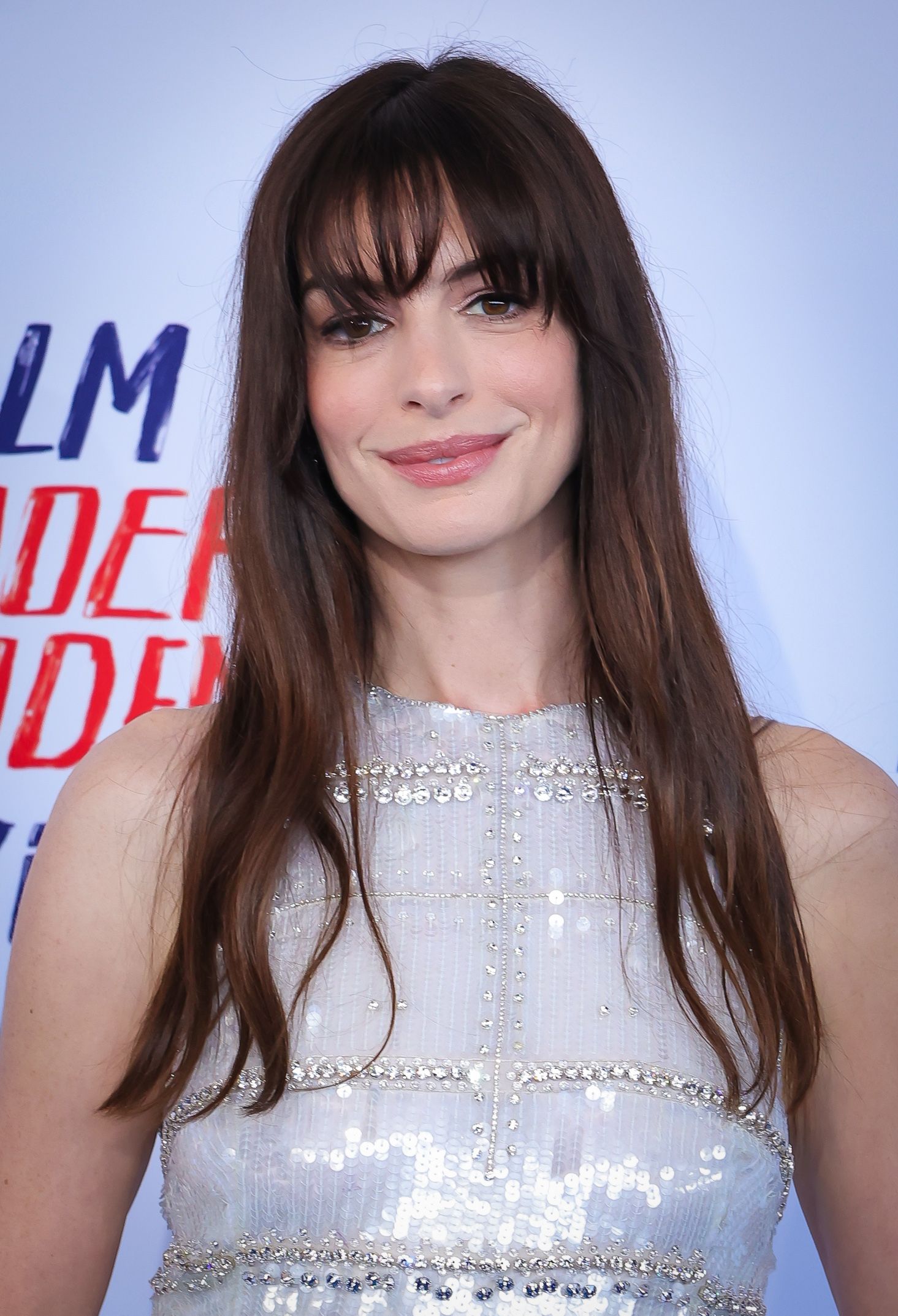
Anne Hathaway’s 20s, spanning from 2002 to 2012, represent one of the most successful and transformative decades for any actress in modern Hollywood history. During these years, she successfully navigated the difficult transition from a Disney teen idol to a critically acclaimed Academy Award winner, starring in cultural touchstones like The Devil Wears Prada and Les Misérables.
The story of Anne Hathaway in her 20s is not just a list of film credits; it is a case study in strategic career management, artistic risk-taking, and resilience in the face of intense public scrutiny. From her early days as the "Princess of Genovia" to her gritty, Oscar-winning portrayal of Fantine, Hathaway’s third decade was marked by a relentless pursuit of range and a refusal to be pigeonholed.
The Early 20s: Breaking the "Princess" Mold (2002–2005)
Hathaway entered her 20s in late 2002, already a household name due to the massive success of The Princess Diaries (2001). However, the industry initially viewed her through a narrow lens: the wide-eyed, wholesome ingenue. While she reprised her role as Mia Thermopolis in The Princess Diaries 2: Royal Engagement (2004) to fulfill her commercial obligations and satisfy her younger fan base, Hathaway was already planning a tactical departure from G-rated fare.
The pivot began in earnest in 2005 with two vastly different films: Havoc and Brokeback Mountain. In Havoc, Hathaway played a wealthy Los Angeles teenager seeking "street" credibility in a performance that included full-frontal nudity—a shock to audiences who still associated her with tiaras. While the film itself received mixed reviews, it served its purpose as a "bridge" role, signaling to casting directors that she was ready for adult themes.
The true turning point, however, was Ang Lee’s Brokeback Mountain. Playing Lureen Newsome, the hardened, Texas-born wife of Jake Gyllenhaal’s character, Hathaway proved she could hold her own in a prestige ensemble. She famously lied about her horse-riding abilities to get the part, a testament to her drive. Her performance was understated and sophisticated, demonstrating a maturity that few expected from a 22-year-old former Disney star. This role essentially granted her the "prestige" credentials needed to compete for A-list dramatic roles.
The Mid-20s: Global Icon Status and "The Prada Effect" (2006–2008)
By 2006, Hathaway was 23 and positioned for her biggest commercial breakthrough since her debut. The Devil Wears Prada (2006) cast her as Andy Sachs, the assistant to Meryl Streep’s formidable Miranda Priestly. While Streep garnered the lion's share of critical accolades, the film’s success relied heavily on Hathaway’s relatability. The movie became a global phenomenon, grossing over $320 million and establishing Hathaway as a major box-office draw who could appeal to both young adults and older demographics.
This period also marked her evolution into a fashion icon. Under the guidance of stylists like Rachel Zoe, Hathaway’s red-carpet appearances during the mid-2000s transitioned from safe, youthful choices to high-fashion statements. Her association with brands like Valentino (the founder, Valentino Garavani, became a close personal friend) helped solidify her image as a sophisticated, elegant star, bridging the gap between Hollywood and the Parisian couture world.
In 2008, at age 25, Hathaway reached a new critical peak with Rachel Getting Married. Directed by Jonathan Demme, the film utilized a cinema verité style that allowed Hathaway to strip away her polished persona. Playing Kym, a recovering addict returning home for her sister's wedding, she delivered a performance that was raw, abrasive, and deeply empathetic. This role earned her her first Academy Award nomination for Best Actress. It was a definitive moment; she was no longer just a movie star, but a serious "actor's actor."
The Late 20s: Blockbusters and the Academy Award (2009–2012)
As she approached the end of her 20s, Hathaway balanced large-scale commercial projects with the challenging roles that would eventually lead to her Oscar win. She experimented with the romantic comedy genre in Bride Wars (2009) and Valentine's Day (2010), but her most significant work in this period involved darker, more complex characters.
In 2010, she starred alongside Jake Gyllenhaal again in Love & Other Drugs. Her portrayal of a woman with early-onset Parkinson's disease required a delicate balance of vulnerability and defiance. Despite the film's mixed reception, Hathaway's performance was widely praised for its emotional honesty and her bravery in handling the script's physical and emotional exposure.
The year 2012 was the culmination of her decade-long climb. At age 29, she took on two of the most iconic roles of her career: Selina Kyle (Catwoman) in Christopher Nolan’s The Dark Knight Rises and Fantine in Tom Hooper’s Les Misérables.
- The Dark Knight Rises: Hathaway’s take on Selina Kyle was grounded, athletic, and intellectually sharp. She performed many of her own stunts and managed to create a version of the character that was distinct from the legendary performances of Michelle Pfeiffer and Eartha Kitt.
- Les Misérables: For the role of Fantine, Hathaway underwent a grueling physical transformation, losing significant weight and cutting her hair on camera. Her rendition of "I Dreamed a Dream," recorded live on set rather than dubbed, became the emotional centerpiece of the film.
When she won the Academy Award for Best Supporting Actress in early 2013 (just months after turning 30), it was the formal acknowledgment of a decade of relentless work.
Key Filmography and Milestones (Ages 20–29)
The following table highlights the pivotal films that defined Hathaway's trajectory during this decade.
| Year | Film Title | Role | Significance |
|---|---|---|---|
| 2004 | The Princess Diaries 2 | Mia Thermopolis | Finalized her "Disney" era and teen-star image. |
| 2005 | Brokeback Mountain | Lureen Newsome | First major prestige drama; demonstrated dramatic range. |
| 2006 | The Devil Wears Prada | Andy Sachs | Established her as a global A-list commercial star. |
| 2008 | Rachel Getting Married | Kym | First Academy Award nomination; critical "seriousness." |
| 2010 | Love & Other Drugs | Maggie Murdock | Golden Globe nomination; showcased emotional vulnerability. |
| 2011 | One Day | Emma Morley | Solidified her status in international romantic dramas. |
| 2012 | The Dark Knight Rises | Selina Kyle | Successful entry into the superhero blockbuster genre. |
| 2012 | Les Misérables | Fantine | Won Academy Award, BAFTA, and Golden Globe. |
Personal Challenges and the "Hathahate" Phenomenon
It is impossible to discuss Anne Hathaway in her 20s without addressing the personal and public challenges she faced. In 2008, her then-boyfriend, Italian real estate developer Raffaello Follieri, was arrested for defrauding investors in a high-profile scandal involving the Vatican. While Hathaway was never implicated in any wrongdoing, the media frenzy was intense. She handled the situation with remarkable poise, separating from Follieri immediately and focusing on her work, but the event remained a significant part of her public narrative during her mid-20s.
Furthermore, as she reached the height of her success in 2012, Hathaway became the target of a bizarre internet phenomenon known as "Hathahate." Critics and social media users attacked her for being "too perfect," "too rehearsed," or "insincere." This wave of negativity peaked during the 2013 awards season.
Looking back from 2026, many cultural critics view this era as a clear example of gendered backlash against successful women. Hathaway, then 29 and 30, bore the brunt of this scrutiny while simultaneously delivering the best work of her life. Her ability to persist through this period and emerge with her career intact—and thriving—is perhaps the most impressive feat of her 20s.
Fashion Evolution: From Ingenue to Muse
Hathaway’s 20s were also a period of intense sartorial development. In her early 20s, she often favored strapless gowns and traditional "Old Hollywood" silhouettes that leaned into her youthful, classic beauty. By the time she reached her mid-20s, particularly during the promotion of The Devil Wears Prada, her style became more experimental and fashion-forward.
She became a fixture at the Met Gala, often wearing Valentino, Marchesa, or Armani Privé. Her 2011 stint co-hosting the Oscars alongside James Franco (at age 28) saw her change into seven different high-fashion looks, including a vintage Valentino red gown and a tuxedo by Lanvin. This era established her as a perennial "Best Dressed" candidate and a favorite of Vogue editor-in-chief Anna Wintour.
Frequently Asked Questions
How old was Anne Hathaway in The Princess Diaries?
Anne Hathaway was 18 years old when she filmed the first The Princess Diaries (released in 2001). By the time the sequel was released in 2004, she was 21, transitioning into the "adult" phase of her career.
When did Anne Hathaway win her first Oscar?
She won the Academy Award for Best Supporting Actress for her role as Fantine in Les Misérables. Although the film was released in 2012 when she was 30, the performance and the majority of the production took place during her 29th year.
What was the scandal Anne Hathaway faced in her 20s?
In 2008, when Hathaway was 25, her boyfriend at the time, Raffaello Follieri, was arrested and later pleaded guilty to several counts of wire fraud, money laundering, and conspiracy. Hathaway was not involved in his crimes but the event caused a significant media storm.
Why was there a "Hathahate" trend during her late 20s?
The "Hathahate" trend was a social media phenomenon that peaked around 2012-2013. It was largely based on the perception that Hathaway was "over-eager" or "theatrical" in her public appearances. In retrospect, it is widely considered a form of online bullying fueled by her ubiquity during the Les Misérables awards circuit.
Did Anne Hathaway do her own singing in Les Misérables?
Yes. At age 29, Hathaway insisted on singing live on the set of Les Misérables rather than pre-recording her tracks in a studio. This allowed her to prioritize the emotional acting and the "sobbing" quality of the song "I Dreamed a Dream," which was a significant factor in her Oscar win.
Final Recommendation for Fans and Students of Film
For those looking to study the evolution of a modern film star, the decade of Anne Hathaway's 20s offers a perfect roadmap. To truly understand her range, a curated viewing of Brokeback Mountain (2005), Rachel Getting Married (2008), and Les Misérables (2012) is essential. These three films show her shedding the "Disney" label, mastering the indie character study, and finally conquering the dramatic musical—a progression that few actors have managed with such consistency and success.
As of 2026, her work during this period remains the foundation upon which her enduring A-list career was built. Whether you are interested in her fashion, her dramatic technique, or her navigation of Hollywood's complex social landscape, her 20s stand as a definitive era of artistic and personal growth.