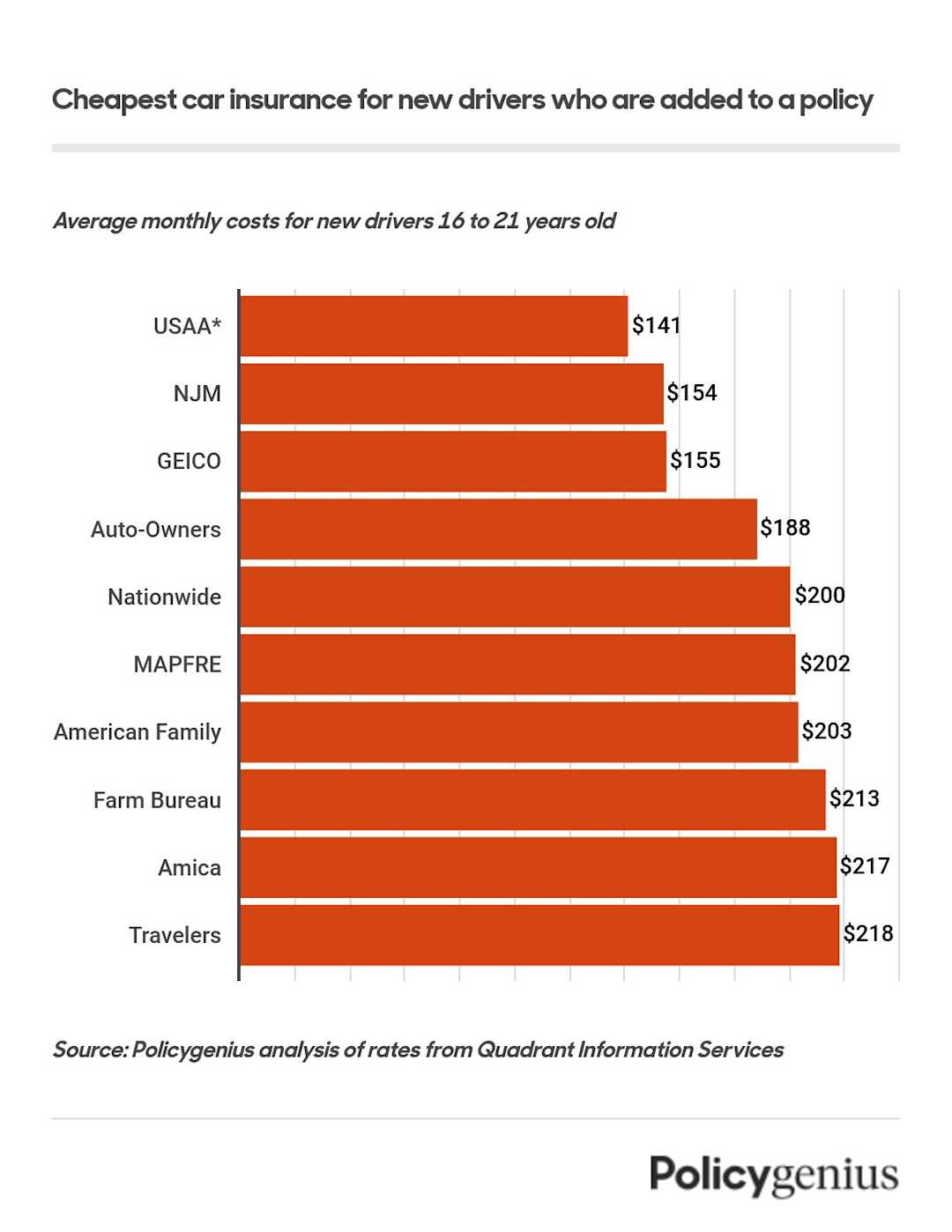
Securing auto insurance for a new driver is a significant financial milestone that requires balancing comprehensive protection with cost-effective premiums. Amica Mutual Insurance is frequently cited for its high customer satisfaction and robust service model, making it a viable consideration for households adding an inexperienced driver. This guide explains how Amica approaches coverage for new drivers, the factors influencing costs, and the strategies for maintaining affordable rates in 2026.
Understanding the New Driver Profile in Auto Insurance
In the insurance industry, "new drivers" typically include teenagers getting their first licenses, young adults who have recently started driving, or individuals who may be older but have limited driving history. From the perspective of an underwriter, this demographic represents a higher statistical risk of accidents due to a lack of situational awareness and experience on the road.
Amica assesses this risk profile by examining the primary driver’s age, the length of time they have held a license, and the vehicle they intend to operate. Because Amica operates as a mutual insurance company—meaning it is owned by its policyholders rather than outside shareholders—the underwriting process is designed to focus on long-term stability and risk management. For a new driver, this means that while the premium might initially be higher due to the inherent risk, the policy features, such as accident forgiveness or diminished deductible options, are built to provide significant support during the initial years of driving.
Evaluating Eligibility and Enrollment with Amica
Amica does not have a separate "new driver" policy; instead, new drivers are generally added as rated operators to an existing or new household policy. This is the most common and often the most cost-effective way to insure a teenager or a young driver.
Prerequisites for Adding a New Driver
- Residency Requirements: Generally, anyone living in the household who is of driving age must be disclosed to the insurance carrier.
- License Verification: You must have the new driver’s license number and date of issuance available.
- Vehicle Assignment: You must designate which vehicle the new driver will primarily operate. If a vehicle is registered in the name of the new driver, you must inform Amica to ensure the title and policy match appropriately.
- Proof of Education or Safety Training: Many insurance companies, including Amica, request documentation of a driver’s education course or a "good student" status to qualify for potential rate adjustments.
Once you have these details, you can initiate the process through Amica’s digital portal or by speaking with a representative. Given the nuances of adding a secondary driver, a direct conversation with an agent is often recommended to ensure that all available discounts are correctly applied.
The Financial Impact: Premiums and Discounts
The cost of insuring a new driver is undeniably higher than that of an experienced driver. This is a reflection of actuarial data indicating that the first few years of driving involve a sharper learning curve. At Amica, as with other reputable carriers, the premium for a new driver is determined by the vehicle's safety profile, the location of the garaged vehicle, and the coverage limits chosen.
Available Discounts for Young Drivers
To offset the costs, Amica provides several avenues for reduction. It is essential to proactively ask about these, as some are not applied automatically:
- Good Student Discount: Available to students who maintain a "B" average or better. This is a standard incentive that acknowledges academic responsibility often correlates with driving responsibility.
- Student Away at School: If the new driver attends a university more than 100 miles away from home and does not take a vehicle with them, this discount can significantly reduce the premium.
- Driver Training Credits: Completing an accredited defensive driving course may qualify the driver for a lower rate.
- Bundling Policies: If the household already holds a homeowners or renters policy with Amica, adding an auto policy or adding a driver to an existing one often results in a multi-policy discount.
Comparison of Financial Factors
| Factor | Influence on Premium | Potential Strategy for Savings |
|---|---|---|
| Driver Age | High (Primary Factor) | Wait until age 25 for potential rate drops. |
| Vehicle Choice | Moderate | Choose a vehicle with high safety ratings. |
| Student Status | Low to Moderate | Maintain high grades to qualify for discounts. |
| Deductible Level | Moderate | Increase the deductible if budget allows. |
| Defensive Driving | Low | Complete an approved safety course. |
Essential Coverage Options for New Drivers
When selecting coverage for a new driver, the goal is to provide enough protection to prevent financial catastrophe without over-insuring. For new drivers, who are more likely to be involved in minor fender benders, consider the following:
Liability Coverage
This is the most critical component. It covers the costs if the new driver causes damage to other people's property or injures another person. Because new drivers are statistically more likely to cause accidents, it is prudent to carry higher liability limits than the state-mandated minimum to protect the household's assets.
Collision and Comprehensive
Collision covers damage to your own vehicle in an accident, while comprehensive covers non-collision events like theft, fire, or weather damage. For a new driver with an older, lower-value car, some families choose to drop these to save money. However, if the new driver is operating a newer, more expensive vehicle, maintaining these coverages is necessary to avoid significant out-of-pocket losses.
Amica-Specific Features
Amica is known for its "Platinum Choice Auto" program, which offers perks that are particularly useful for new drivers. These may include:
- Full Glass Coverage: Essential for new drivers who may not be accustomed to road hazards.
- Replacement Cost Coverage: If the vehicle is totaled, this can help pay for a new, comparable car rather than just the depreciated value.
- Disappearing Deductible: If the driver remains accident-free, their deductible decreases over time, rewarding safe driving habits.
Managing the Risks of Inexperience
Beyond the policy details, the best way to keep insurance costs low is to ensure the new driver remains accident-free and citation-free. In 2026, insurance companies rely heavily on telematics and driving history records. Any moving violation—speeding tickets, failure to yield, or at-fault accidents—will lead to premium increases that can persist for three to five years.
Practical Tips for New Drivers
- Vehicle Selection: Avoid insuring a new driver on a high-performance sports car. These vehicles carry higher premiums due to both the cost of repairs and the temptation they present to inexperienced drivers.
- Digital Monitoring: Consider using a telematics app if your policy supports it. While it requires the driver to be tracked, excellent driving scores can lead to tangible premium discounts at renewal.
- Regular Reviews: Set a calendar reminder to review the policy annually. As the driver gains experience and moves from a "new" driver to an "experienced" driver, the risk profile changes, and premiums should be adjusted accordingly.
Troubleshooting Common Issues
If you find that your quote for a new driver is significantly higher than expected, investigate the following:
- Incorrect Data Entry: Ensure the driver's education and birth date are listed correctly. Even a minor error in age or credit information can result in an inflated quote.
- Missing Discounts: Double-check if the "Good Student" or "Driver Training" credits were applied. It is common for these to be overlooked during the initial quote phase.
- Credit-Based Insurance Scoring: In many jurisdictions, insurers use credit-based insurance scores. If the primary policyholder has a low score, it can affect the entire household's rates. Improving the household financial profile can often lower insurance costs over time.
- Accident Forgiveness: If you have been a long-time Amica customer, inquire if you have earned "Accident Forgiveness." If you add a new driver, clarify whether this protection extends to them or if it only applies to the primary policyholder.
Legal and Ethical Obligations
It is vital to be transparent when adding a driver to your policy. Omitting a new driver from your insurance policy in an attempt to save money is considered insurance fraud. If that driver is involved in an accident, the claim could be denied, leading to catastrophic financial consequences. Always list all licensed drivers in the household, as the definition of "member of household" typically includes anyone of driving age, regardless of whether they have their own vehicle.
Final Recommendation: Proactive Management
Adding a new driver to your Amica policy is a strategic move that should be approached with a focus on both safety and fiscal responsibility. Start by gathering all necessary documentation, including grades and driving certificates. Once the driver is added, focus on safety education and monitoring to ensure they maintain a clean driving record.
Contact your Amica representative shortly before each renewal period to discuss whether the driver’s improved experience or status changes—such as graduating from university—warrant a re-evaluation of your premiums. By managing the policy actively rather than treating it as a static expense, you can navigate the higher costs associated with new drivers effectively.