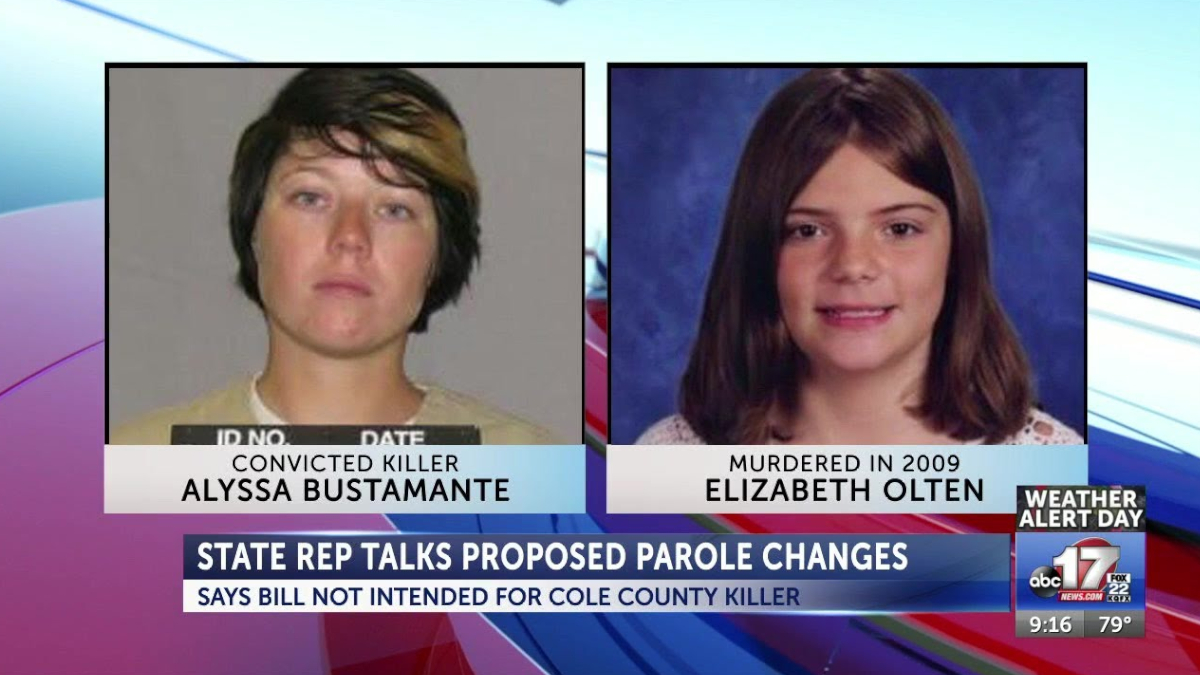
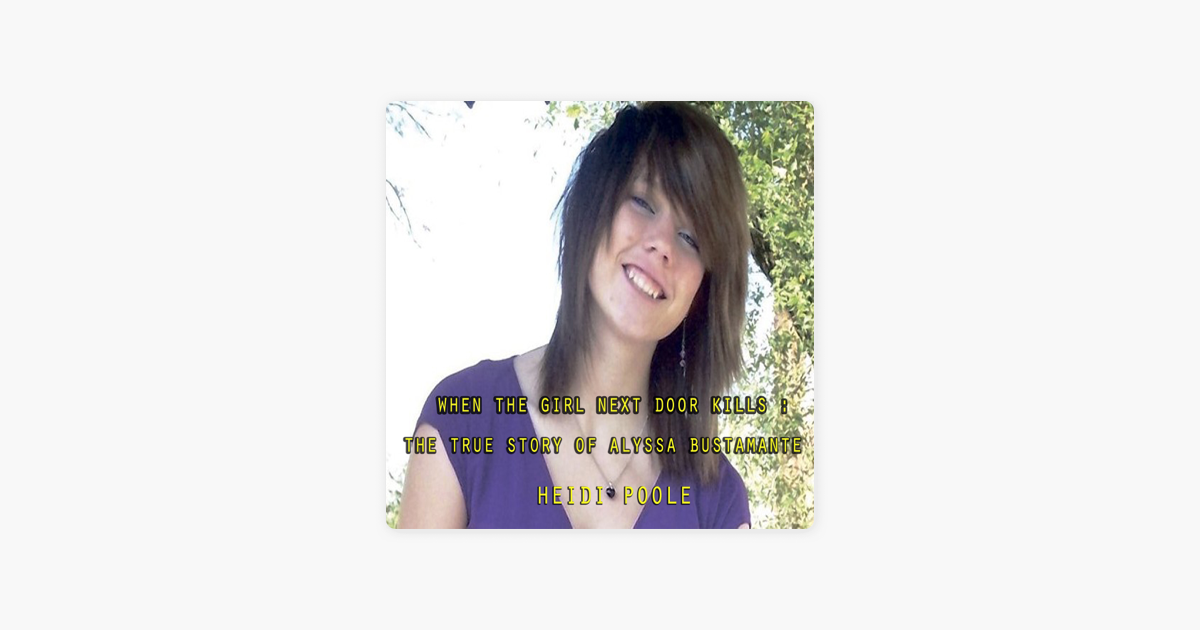
Alyssa Bustamante does not have a 2009 release date; rather, 2009 was the year she was arrested for the murder of nine-year-old Elizabeth Olten. As of 2026, Bustamante remains incarcerated at the Chillicothe Correctional Center in Missouri, serving a sentence of life imprisonment with the possibility of parole, plus a consecutive 30-year sentence.
The case of Alyssa Bustamante remains one of the most discussed juvenile homicide cases in United States history, primarily due to the calculated nature of the crime and the chilling evidence discovered by investigators. Understanding the "release date" requires a deep dive into the specific Missouri statutes governing juvenile sentencing, the 2012 plea agreement, and subsequent changes to state law regarding parole eligibility for those who committed crimes as minors.
The 2009 Arrest and the Misconception of Dates
When searching for a "release date in 2009," many researchers are actually identifying the timeline of the crime itself. In October 2009, Alyssa Bustamante was a 15-year-old high school student in St. Martins, Missouri. On October 21, 2009, Elizabeth Olten was reported missing after failing to return home from a neighbor's house.
The investigation quickly centered on Bustamante after authorities found suspicious markings in the woods near her home. Following a confession and the discovery of Elizabeth’s body in a shallow grave that had been dug days in advance, Bustamante was arrested and charged with first-degree murder. Because she was 15 at the time, her legal status in 2009 was that of a pre-trial detainee, not a prisoner with a scheduled release.
The year 2009 marks the beginning of her permanent removal from society, but it represents the start of her life-long legal journey, not its conclusion. To understand when she might actually be released, one must examine the legal developments that occurred between her 2012 sentencing and the present day in 2026.
The 2012 Sentencing: Life plus 30 Years
In January 2012, Alyssa Bustamante reached a plea agreement with prosecutors to avoid a trial for first-degree murder, which at the time carried a mandatory sentence of life without the possibility of parole. By pleading guilty to the lesser charges of second-degree murder and armed criminal action, she allowed for the possibility of future release, though the sentence handed down by Judge Patricia Joyce was intentionally severe.
The Breakdown of the Sentence
- Second-Degree Murder: Bustamante was sentenced to "life" for this charge. In Missouri, a life sentence for second-degree murder is technically calculated as 30 years for the purpose of parole eligibility, though the inmate can be held for the remainder of their natural life if parole is denied.
- Armed Criminal Action: Judge Joyce added a consecutive 30-year sentence for the use of a weapon (a knife) during the commission of a felony.
The term consecutive is critical here. It meant that, under 2012 rules, she would have to finish serving the required portion of her life sentence before even beginning the 30-year clock for the armed criminal action charge. At the time of sentencing, legal experts suggested she might spend upwards of 35 to 50 years behind bars before seeing a parole board.
The "Thrill Kill" and Psychological Profiles
The severity of the sentence was largely influenced by the evidence presented during the sentencing hearing. The most damning evidence was Bustamante’s own diary. On the night of the murder, she wrote about the experience, describing the sensation of the killing as "amazing" and "pretty enjoyable." This led the prosecution and the media to label the event a "thrill kill."
Psychological evaluations conducted between 2009 and 2012 revealed a history of self-harm, depression, and previous psychiatric hospitalizations. However, the court found that the pre-meditation involved—including digging two graves several days before the murder—outweighed the mitigating factors of her mental health and age. This determination that she was "irreparably corrupt" (a standard often cited in juvenile sentencing) played a significant role in the judge's decision to run the sentences consecutively.
Impact of Missouri Senate Bill 591 on Parole Eligibility
For many years, the "consecutive" nature of Bustamante's 30-year sentence made her release date appear to be in the distant future (estimated around 2044 or later). However, the legal landscape for juvenile offenders changed significantly due to U.S. Supreme Court rulings like Miller v. Alabama (2012) and Montgomery v. Louisiana (2016). These rulings established that mandatory life-without-parole sentences for juveniles are unconstitutional and that "children are different" in the eyes of the law.
In response to these national shifts, the Missouri Legislature passed Senate Bill 591 (which became law in 2021). This legislation provided a new pathway for individuals who were sentenced as juveniles to adult prison terms.
The 15-Year Rule
Under SB 591, any person who was under the age of 18 at the time of their offense and was sentenced to a term of imprisonment of 15 years or more is eligible to petition the parole board for a hearing after serving 15 years.
Because Bustamante was arrested in October 2009 and has remained in custody ever since, her 15-year mark occurred in October 2024. This change in Missouri law effectively superseded the original "consecutive" math of her sentence for the purpose of a parole hearing, though it did not guarantee her release.
Current Status and Residence in 2026
As of 2026, Alyssa Bustamante is 32 years old. She is incarcerated at the Chillicothe Correctional Center, a maximum-security prison for women in Chillicothe, Missouri. Her status is that of an inmate who has reached her initial parole eligibility window under the 2021 juvenile justice reforms.
| Detail | Status/Value (As of 2026) |
|---|---|
| Current Age | 32 |
| Inmate Number | 1205396 |
| Facility | Chillicothe Correctional Center |
| Primary Offense | Murder 2nd Degree |
| Secondary Offense | Armed Criminal Action |
| Initial Eligibility Date | Late 2024 (via SB 591) |
| Last Known Parole Status | Eligible for hearing; Release not granted |
It is important to distinguish between "eligibility" and "release." Being eligible for a parole hearing means the board will review the inmate's conduct, psychological state, and the gravity of the original crime. In cases as high-profile and violent as the Olten murder, the parole board often denies release at the first several hearings, requiring the inmate to wait several more years before their next opportunity.
The Role of the Parole Board
In 2026, the Missouri Board of Probation and Parole faces a complex decision regarding Bustamante. Their evaluation typically rests on several pillars:
1. Institutional Conduct
Since her sentencing in 2012, Bustamante's behavior within the Department of Corrections is a primary factor. Any disciplinary infractions, involvement in prison programs, or educational achievements are reviewed. Reports from her time at Chillicothe have occasionally surfaced regarding her mental health management and her adaptation to long-term incarceration.
2. Risk Assessment
The board utilizes actuarial tools to determine the likelihood of recidivism. Given the "thrill kill" nature of the 2009 crime, the psychological profile remains a significant hurdle. The board must be convinced that the "transient immaturity" of her teenage years has been replaced by genuine rehabilitation and that the risk to public safety is minimal.
3. Victim Impact Statements
The family of Elizabeth Olten maintains a powerful voice in this process. Missouri law allows victims' families to testify at parole hearings. Historically, the Olten family has remained steadfast in their opposition to any early release, emphasizing the permanent nature of their loss compared to the potential for Bustamante's freedom.
Legal Terminology and Sentencing Nuance
To clarify the confusion surrounding her release date, it is helpful to define the technical terms associated with her Missouri case:
- Armed Criminal Action (ACA): In Missouri, this is a separate felony committed through the use of a dangerous instrument or deadly weapon. ACA sentences are often required to be served in addition to the underlying felony (murder).
- Mandatory Minimums: While SB 591 created a 15-year path for juveniles, most second-degree murder charges in Missouri still require the offender to serve 85% of their sentence if they are adults. The tension between juvenile reform and "Truth in Sentencing" laws is a frequent point of litigation.
- Consecutive vs. Concurrent: A consecutive sentence (like Bustamante's) means one starts after the other ends. A concurrent sentence means both are served at the same time. The 2021 law essentially allows the parole board to look at the total time served as a single block for the purpose of a hearing.
Why 2009 Remains the Focus
The search for a "2009 release date" likely stems from the fact that 2009 was the year the "clock started." In the American justice system, "time served" usually counts from the moment of arrest if the defendant remains in jail until sentencing. Bustamante has been in state custody since she was 15. In the mind of the public, the 2009 date is inextricably linked to her identity and the beginning of her incarceration.
Furthermore, the case has seen a resurgence in interest due to the 2026 timeframe, as many observers are tracking the 15-to-20-year mark—a period often associated with the first real possibility of parole for juvenile lifers under modern sentencing reforms.
Frequently Asked Questions
Is Alyssa Bustamante still in prison?
Yes, as of 2026, Alyssa Bustamante is still incarcerated at the Chillicothe Correctional Center in Missouri. She has served approximately 16.5 years of her life sentence.
When is Alyssa Bustamante’s actual release date?
There is no fixed "out date" for Bustamante. Because she has a life sentence, her release depends entirely on the Missouri Board of Probation and Parole. While she became eligible to request a hearing around late 2024 due to Missouri Senate Bill 591, eligibility does not mean she will be released immediately or even within the next several years.
Why was she charged as an adult in 2009?
The Missouri juvenile court system allows for "certification" as an adult for certain violent crimes. Given the severity of the murder of Elizabeth Olten and the evidence of pre-meditation, the court determined that the juvenile system did not have sufficient resources or time (as they lose jurisdiction at age 21) to rehabilitate or punish her appropriately.
Did she receive a new trial after the Supreme Court rulings?
No. Because she pleaded guilty to second-degree murder (which allows for parole) rather than being convicted of first-degree murder (which in 2009 carried mandatory life without parole), her sentence did not automatically violate the Miller v. Alabama ruling. However, the legislative changes in Missouri (SB 591) provided her with an earlier parole hearing than her original 2012 sentence would have allowed.
Can the Olten family block her release?
While the family cannot "veto" a parole board decision, their testimony is a heavily weighted factor. The board considers the "impact on the victim" as a core component of their deliberations. Strong opposition from the family and the community often results in the board "flopping" (denying) the inmate for a set number of years before the next hearing.
Summary of Next Legal Actions
For those following the case in 2026, the next major developments will likely occur during her scheduled parole reviews. These hearings are generally private, though the outcomes (release granted or denied) are public record.
Observers should look for:
- Parole Board Decisions: Published periodically by the Missouri Department of Corrections.
- Appellate Filings: Bustamante has occasionally filed petitions regarding her legal counsel or sentencing conditions, though most have been denied.
- Legislative Updates: Missouri continues to debate the balance between juvenile rehabilitation and public safety, which could further alter parole structures.