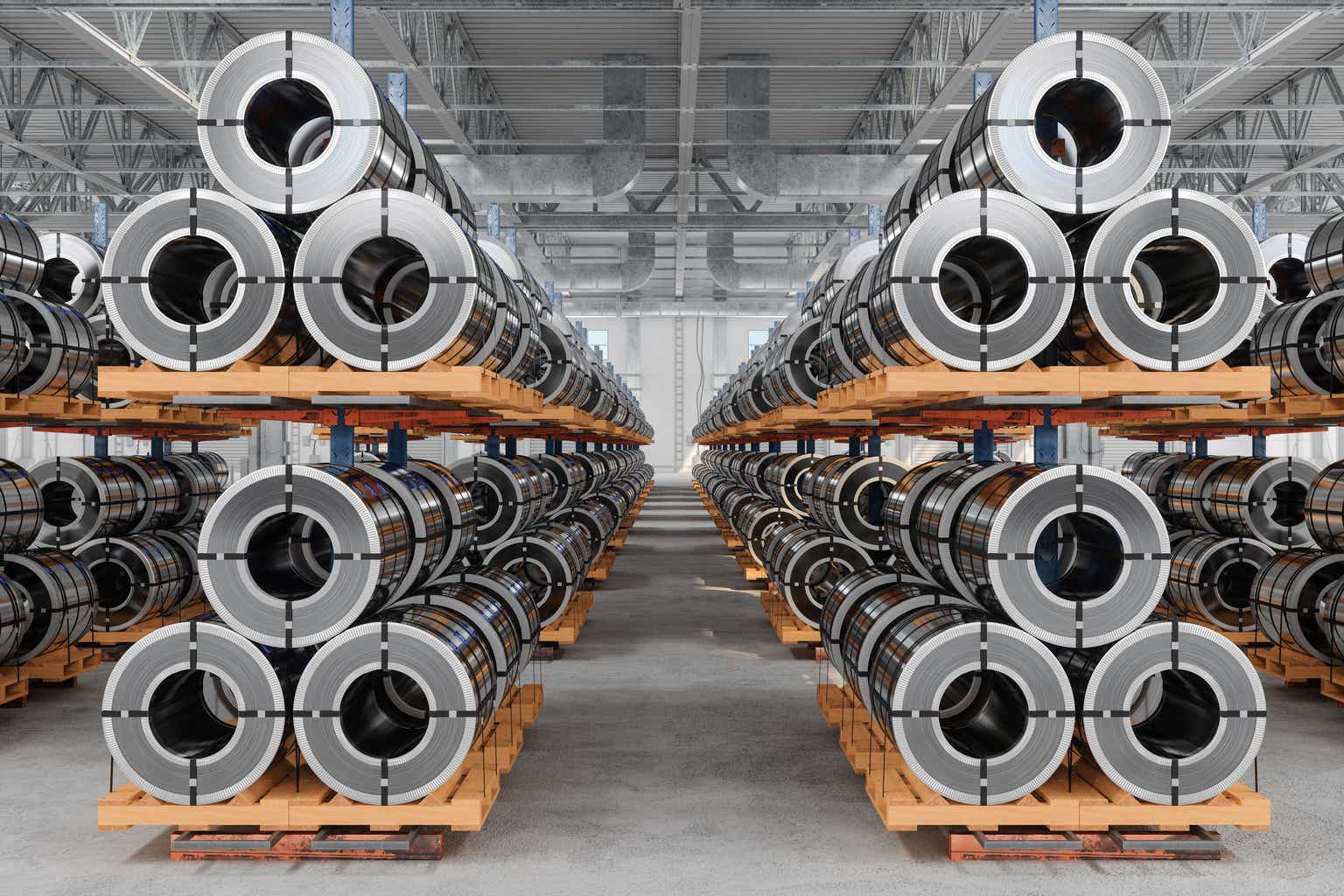
Investing in aluminum stocks involves selecting companies engaged in the extraction of bauxite, the refining of alumina, and the smelting or fabrication of finished aluminum products. As of 2026, the primary aluminum stocks list includes industry leaders such as Alcoa, Rio Tinto, Norsk Hydro, and Century Aluminum, which provide exposure to global industrial growth and the transition toward lightweight, sustainable materials.
The Strategic Importance of Aluminum in 2026
Aluminum has transitioned from a basic industrial commodity to a critical strategic asset in the global economy. Often referred to as the "green metal" due to its infinite recyclability, aluminum is essential for the decarbonization efforts of the mid-2020s. In 2026, the demand for aluminum is driven by three primary sectors: automotive lightweighting for electric vehicles (EVs), renewable energy infrastructure, and sustainable packaging.
The global supply chain has undergone significant shifts. Following the geopolitical volatility of the early 2020s, many investors now prioritize companies with localized supply chains or those operating in jurisdictions with stable energy costs. Because aluminum smelting is an incredibly energy-intensive process, the "green premium"—the higher value placed on aluminum produced using renewable energy—has become a dominant factor in stock valuations this year.
Comprehensive Aluminum Stocks List: Primary Producers and Processors
The following list represents the most prominent publicly traded companies in the aluminum sector. These entities range from "pure-play" producers to diversified mining giants where aluminum represents a significant portion of their revenue.
1. Alcoa Corporation (NYSE: AA)
Alcoa remains the flagship "pure-play" aluminum stock in the United States. The company is vertically integrated, meaning it manages everything from bauxite mining to alumina refining and the production of primary aluminum. In 2026, Alcoa is particularly noted for its Sustana line of products, which focuses on low-carbon emissions.
Investors favor Alcoa for its transparency and its direct sensitivity to aluminum prices on the London Metal Exchange (LME). When LME prices rise, Alcoa’s margins typically expand rapidly. However, its heavy presence in the smelting sector makes it sensitive to fluctuations in industrial electricity prices.
2. Rio Tinto (NYSE: RIO)
While Rio Tinto is a diversified miner known largely for iron ore, its aluminum division is one of the largest in the world. Rio Tinto’s competitive advantage lies in its access to high-grade bauxite reserves and its extensive use of hydroelectric power for its Canadian smelters.
By 2026, Rio Tinto has solidified its position in the "green aluminum" market through its ELYSIS partnership, a joint venture that aims to eliminate all direct greenhouse gas emissions from the traditional smelting process. For investors, RIO offers a way to play the aluminum market while being buffered by the cash flows of other commodities.
3. Norsk Hydro (OTCMKTS: NHYDY)
Based in Norway, Norsk Hydro is perhaps the most advanced company regarding the circular economy. The company is heavily integrated into renewable energy, owning its own hydroelectric power plants. This integration protects Norsk Hydro from the energy price spikes that often plague competitors.
Norsk Hydro's focus in 2026 is on Hydro CIRCAL, a high-quality aluminum made with a minimum of 75% recycled, post-consumer scrap. As European regulations on carbon footprints (such as the Carbon Border Adjustment Mechanism) have tightened, Norsk Hydro’s low-carbon footprint has given it a significant competitive edge in the EU market.
4. Century Aluminum Company (NASDAQ: CENX)
Century Aluminum is a mid-cap producer with primary operations in the United States and Iceland. It is a more volatile option compared to Rio Tinto or Alcoa, often serving as a high-beta play on aluminum prices. Century is heavily influenced by U.S. trade policies and domestic energy costs. In 2026, the company continues to focus on the domestic defense and aerospace sectors, which require high-purity aluminum produced under strict regulatory oversight.
5. Reliance, Inc. (NYSE: RS)
Formerly known as Reliance Steel & Aluminum Co., this company operates differently than the miners. Reliance is a metals service center. It buys primary aluminum from producers, processes it into specific shapes and sizes, and sells it to end-users in the medical, aerospace, and electronics industries. Reliance is often considered a "safety" play in the aluminum stocks list because it does not take significant "commodity risk." Instead, it earns a margin on the value-added processing and its massive distribution network.
Comparison of Key Aluminum Stocks
The table below provides a comparison of the leading entities in the aluminum sector as of the 2026 fiscal year.
| Company Name | Ticker | Primary Focus | Energy Source Focus | Geographic Strength |
|---|---|---|---|---|
| Alcoa Corp | AA | Upstream/Midstream | Mixed / Natural Gas | North America / Australia |
| Rio Tinto | RIO | Diversified Mining | Hydroelectric (Aluminum Div) | Global / Canada |
| Norsk Hydro | NHYDY | Integrated / Recycling | Hydro / Wind | Europe / Brazil |
| Century Aluminum | CENX | Primary Smelting | Grid Power / Geothermal | USA / Iceland |
| Reliance, Inc. | RS | Distribution / Value-Add | N/A (Downstream) | North America |
| Aluminum Corp of China | ACH | State-Owned Primary | Coal / Mixed | Asia-Pacific |
Technical Factors Influencing Aluminum Valuations in 2026
To evaluate the stocks listed above, investors must understand the technical and economic levers that move the aluminum market. Unlike gold or silver, aluminum is an industrial metal; its price is a reflection of global economic health and manufacturing activity.
The Alumina-to-Aluminum Spread
Profits for primary producers are often determined by the "spread" between the cost of alumina (the white powder refined from bauxite) and the final price of aluminum metal. If alumina prices rise while aluminum prices remain stagnant, the margins of "non-integrated" smelters (those that must buy their alumina) are squeezed. Integrated producers like Alcoa are better protected from these fluctuations.
Energy Intensity and the "Smelter Curve"
Aluminum is often called "solidified electricity." It takes approximately 13,000 to 15,000 kilowatt-hours of power to produce a single tonne of aluminum. In 2026, the position of a company on the global "cost curve" is almost entirely dictated by its energy contract. Companies with long-term, fixed-price renewable energy contracts (like Norsk Hydro) are currently outperforming those reliant on volatile spot-market natural gas or coal.
Greenhouse Gas Protocols and CBAM
The Carbon Border Adjustment Mechanism (CBAM) is a critical factor for the aluminum stocks list in 2026. This policy imposes a carbon price on imports into certain regions (notably the EU). Consequently, aluminum produced with high CO2 emissions (typically using coal power in parts of Asia) faces steep tariffs. This has created a bifurcated market where "Clean Aluminum" stocks trade at a premium valuation compared to high-carbon producers.
Market Drivers: Why the 2026 Outlook is Robust
1. The EV Lightweighting Revolution
As electric vehicle ranges become a primary selling point, manufacturers are desperate to reduce vehicle weight. Replacing steel components with aluminum can reduce a vehicle's weight by up to 40% without compromising safety. By 2026, the average aluminum content per vehicle has reached record highs, providing a consistent demand floor for high-strength aluminum alloys.
2. Aerospace Recovery and Defense
The aerospace sector has fully transitioned into a new growth phase in 2026. Aluminum-lithium alloys are in high demand for the next generation of narrow-body aircraft. Furthermore, increased global defense spending has surged demand for military-grade aluminum used in armored vehicles and naval vessels.
3. Infrastructure and the Power Grid
The global transition to renewable energy requires a massive expansion of the electrical grid. Aluminum is the preferred material for overhead high-voltage transmission lines due to its conductivity and light weight. Stocks linked to wire and cable production have seen significant tailwinds as nations modernize their power grids to accommodate solar and wind inputs.
Risks and Challenges in Aluminum Investing
Despite the positive tailwinds, the aluminum sector is notoriously cyclical and capital-intensive. Investors should be aware of the following risks:
- Inventory Surpluses: Aluminum prices are highly sensitive to inventories held in LME warehouses. A sudden slowdown in Chinese construction can lead to a global glut, crashing prices even if Western demand remains high.
- Regulatory Changes: Changes in environmental laws can suddenly turn a profitable smelter into a "stranded asset" if the cost of carbon compliance exceeds the profit margin.
- Substitution Risk: In high-end applications, carbon fiber composites or magnesium alloys can sometimes replace aluminum if prices become too high. However, aluminum's recyclability currently gives it a "circularity" advantage that composites lack.
- Currency Fluctuations: Aluminum is priced in U.S. Dollars globally. For companies like Norsk Hydro or Rio Tinto, the strength of the USD against the Krone or Australian Dollar can significantly impact reported earnings.
Selecting the Right Stock for Your Portfolio
When choosing from an aluminum stocks list, your selection should align with your risk tolerance:
- For Dividend Seekers: Rio Tinto is historically known for robust capital return programs, though dividends fluctuate with commodity cycles.
- For Pure Growth/Commodity Exposure: Alcoa provides the most direct correlation to aluminum price movements.
- For ESG-Focused Portfolios: Norsk Hydro leads the industry in low-carbon production and transparency.
- For Lower Volatility: Reliance, Inc. offers exposure to the aluminum industry's growth without the extreme price swings associated with primary smelting.
FAQs About Aluminum Stocks
Is aluminum a better investment than copper in 2026?
Aluminum and copper often move in tandem as "pro-cyclical" metals. However, in 2026, aluminum is frequently viewed as a better value play because it has more room for "green" margin expansion. While copper is essential for wiring, aluminum is replacing copper in certain heat-exchange and cabling applications due to copper’s higher price point.
How do interest rates affect aluminum stocks?
High interest rates are generally a headwind for aluminum. Because aluminum is used heavily in construction and automotive manufacturing—two sectors that are sensitive to borrowing costs—rising rates can dampen demand. Conversely, as rates stabilize in 2026, capital-intensive infrastructure projects become more viable, boosting aluminum consumption.
What is "Green Aluminum," and why does it matter for my stocks?
Green aluminum refers to metal produced using renewable energy (hydro, solar, or wind) or through advanced carbon-free smelting technologies. In 2026, many end-users, like Apple or Tesla, will pay a premium for certified low-carbon aluminum to meet their own corporate sustainability goals. Stocks producing "green" metal often enjoy higher margins and higher P/E multiples.
Which country dominates the aluminum supply chain?
China remains the world's largest producer and consumer of aluminum. However, for investors using Western stock exchanges, the focus is often on how "Ex-China" supply balances with demand. In 2026, trade barriers and "friend-shoring" have made North American and European producers more critical for local supply security.
Should I buy aluminum ETFs instead of individual stocks?
If you want broad exposure without the specific "company risk" (like a strike at a specific mine or a localized power failure), an ETF like the Global X Aluminum ETF (ALUM) or the iShares Global Metals & Mining ETF (PICK) can be effective. These provide a diversified basket of companies across the entire aluminum stocks list.
Next Steps for Investors
To begin investing in aluminum, first determine whether you want exposure to the commodity price or the manufacturing process. If you believe aluminum prices will rise, look toward upstream producers like Alcoa. If you want to bet on the continued growth of industrial manufacturing, downstream processors like Reliance, Inc. may be more appropriate.
Always verify the current LME (London Metal Exchange) aluminum prices and review the most recent quarterly earnings calls of these companies to understand their energy cost structures for the remainder of 2026. Diversifying across 2-3 different companies in this list can help mitigate the risks associated with regional energy crises or localized regulatory changes.