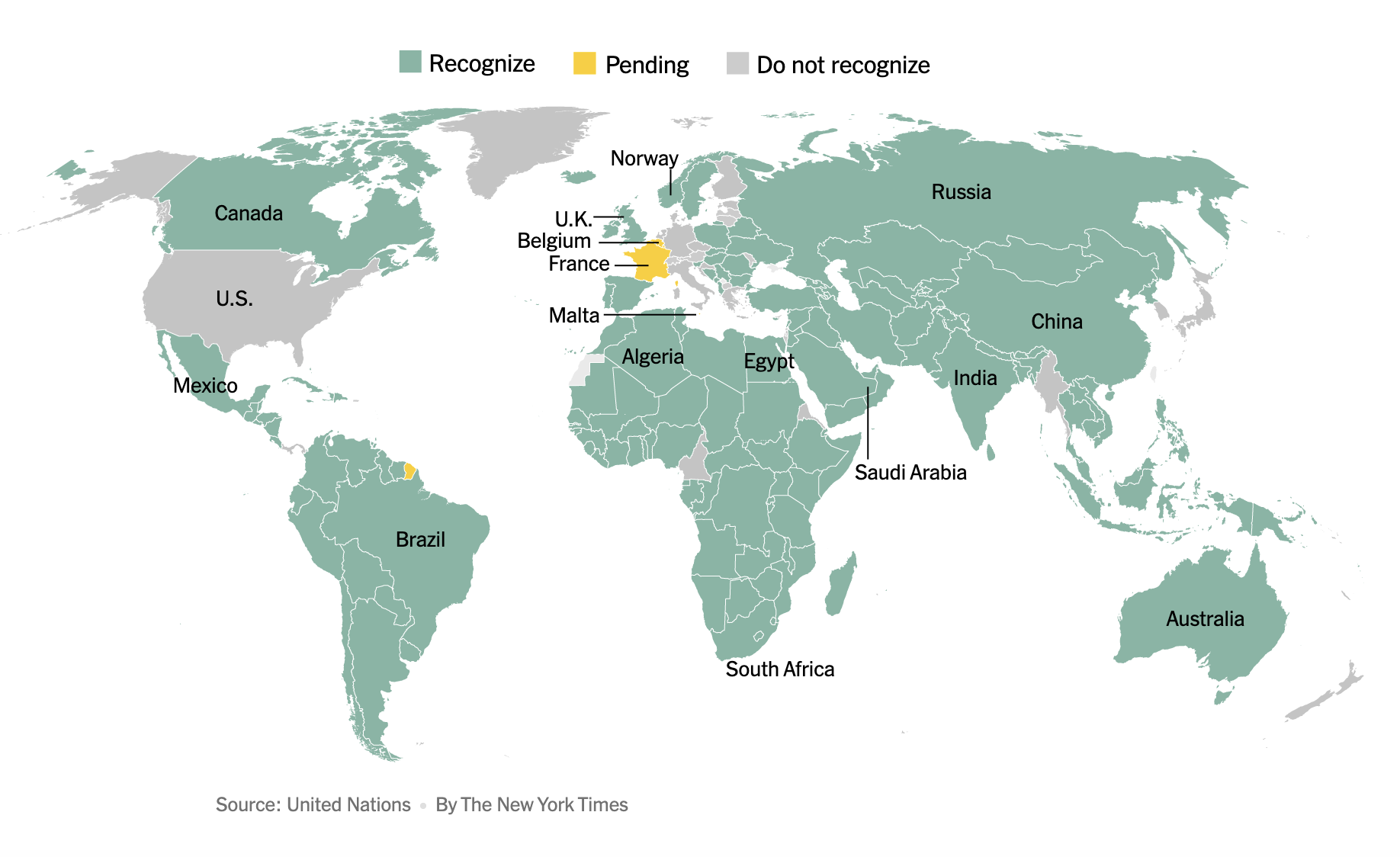
The allies of Palestine comprise a diverse coalition of sovereign states, international organizations, and global grassroots movements that support Palestinian self-determination and statehood. These alliances are primarily categorized into three tiers: the diplomatic support of the Arab and Islamic worlds, the legal leadership of the Global South, and the emerging recognition from specific Western European nations.
As of 2026, the geopolitical landscape surrounding the Palestinian cause has undergone a significant transformation. What was once seen as a regional conflict has evolved into a central pillar of international law and Global South solidarity. The support for Palestine is no longer just a matter of shared religious or ethnic identity; it has become a litmus test for the consistency of the international rules-based order.
To understand who the allies of Palestine are today, one must examine the various levels of support—ranging from full diplomatic recognition and military coordination to humanitarian aid and legal advocacy in international courts. This article provides a comprehensive analysis of the entities that align themselves with the Palestinian cause and the nature of their support.
The Foundation of Support: The Arab and Islamic Worlds
The most consistent and long-standing allies of Palestine are found within the Arab League and the Organization of Islamic Cooperation (OIC). For these nations, support for Palestine is often rooted in shared history, culture, and religion, as well as the strategic importance of Jerusalem (Al-Quds).
The Arab League
The League of Arab States, representing 22 member nations, maintains that the Palestinian cause is the "central cause" of the Arab world. While individual member states have varying levels of engagement—ranging from the historical mediators like Egypt and Jordan to the financial backers like Qatar—the official stance remains the 2002 Arab Peace Initiative. This initiative offers full normalization with Israel in exchange for a full withdrawal to 1967 borders and the establishment of a Palestinian state with East Jerusalem as its capital.
The Role of Regional Mediators
- Qatar: By 2026, Qatar has solidified its role as the indispensable mediator. Qatar provides significant humanitarian aid and financial support to the Gaza Strip, often with the coordination of international bodies to ensure the maintenance of essential services. Their diplomatic "open-door" policy allows them to communicate with all Palestinian factions and international stakeholders.
- Egypt and Jordan: These two nations are unique allies due to their peace treaties with Israel and their direct borders with Palestinian territories. Egypt plays a critical role in security and border management at the Rafah crossing, while Jordan maintains the Hashemite Custodianship of Muslim and Christian holy sites in Jerusalem, acting as a vital diplomatic shield for the status quo of the Al-Aqsa Mosque.
The "Axis of Resistance"
A distinct subset of allies involves the "Axis of Resistance," led by Iran. This alliance includes non-state actors such as Hezbollah in Lebanon and the Houthi movement in Yemen. Unlike the diplomatic approach of the Arab League, this bloc provides material and tactical support to Palestinian armed factions. Iran views the Palestinian struggle as a core component of its regional strategy against Western influence and Israeli hegemony.
The Rise of the Global South and Legal Advocacy
One of the most significant shifts in the 21st century—reaching a crescendo by 2026—is the leadership of Global South nations in the Palestinian cause. These countries often view the Palestinian struggle through the lens of anti-colonialism and the fight against apartheid.
South Africa’s Legal Leadership
South Africa has moved to the forefront of Palestinian allyship through its historic application to the International Court of Justice (ICJ). By invoking the Genocide Convention, South Africa redirected the global conversation from a purely political dispute to a matter of international criminal law. This move galvanized other nations in the Global South, including Brazil, Colombia, and Bolivia, to join or support the legal proceedings, creating a "legal front" that challenges the traditional diplomatic immunity often afforded to Israel in Western capitals.
The BRICS+ Influence
The expansion of the BRICS bloc has created a new corridor of support. Nations like Algeria, China, and Russia use their positions on the UN Security Council and in global trade to advocate for Palestinian inclusion in international bodies. China, in particular, has positioned itself as a "partner for peace," hosting reconciliation talks between Fatah and Hamas to present a unified Palestinian front to the world.
The Shift in Western Europe: Recognition as a Policy Tool
Historically, Western Europe followed the lead of the United States, emphasizing bilateral negotiations before recognition. However, the events following October 2023 triggered a permanent shift in several European capitals.
The "Big Three" of Recognition: Ireland, Spain, and Norway
In May 2024, Ireland, Spain, and Norway officially recognized the State of Palestine. By 2026, this move has fundamentally altered the dynamics within the European Union. These countries argue that recognition is not the result of a peace process but a prerequisite for one.
- Ireland: Frequently cited as Palestine’s strongest ally in the West, Ireland’s support is rooted in its own history of struggle against colonialism and its commitment to international law.
- Spain: Under various administrations, Spain has championed the "Middle East Peace Conference" model, seeking to internationalize the solution rather than leaving it to the United States alone.
The Fragmentation of the EU
While Germany and Austria remain more cautious due to historical sensitivities, the "recognition bloc" in Europe continues to grow. These allies focus on:
- Labeling and Trade: Restricting products from settlements.
- Sanctions: Pushing for sanctions against extremist settlers.
- UN Membership: Consistently voting in favor of Palestine’s full membership in the United Nations.
International Organizations and Multilateral Support
The United Nations remains the primary venue where Palestine’s allies exercise their collective power. In the UN General Assembly, the vast majority of the world’s nations—routinely over 140 countries—vote in favor of resolutions supporting Palestinian sovereignty and condemning settlement expansion.
| Entity/Organization | Nature of Support | Key Influence |
|---|---|---|
| United Nations General Assembly | Diplomatic/Legislative | Passes resolutions affirming the right to self-determination. |
| International Court of Justice (ICJ) | Legal/Advisory | Provides legal rulings on the legality of the occupation. |
| UNRWA | Humanitarian/Structural | Provides education, healthcare, and aid to millions of refugees. |
| Organization of Islamic Cooperation (OIC) | Religious/Political | Coordinates the 57-member Islamic bloc's response to Jerusalem issues. |
| African Union (AU) | Anti-Colonial/Solidarity | Consistently supports Palestine as a fellow victim of historical colonialism. |
The Role of UNRWA
The United Nations Relief and Works Agency for Palestine Refugees (UNRWA) is often considered a "structural ally." While it is a humanitarian agency, its continued existence is viewed by Palestinians and their allies as a safeguard for the "Right of Return." Allies like Norway, Sweden, and Japan are critical in providing the funding that keeps this infrastructure alive in the face of political efforts to defund it.
Non-State Allies and Global Civil Society
Beyond governments, the "allies of Palestine" include a massive network of civil society organizations that influence public opinion and policy from the bottom up.
The BDS Movement
The Boycott, Divestment, and Sanctions (BDS) movement is a global campaign that seeks to pressure Israel through economic and cultural means. Its allies include labor unions in Belgium, academic associations in the United States, and pension funds in Norway. By 2026, the BDS framework has become a standard tool for activists looking to mirror the tactics used against South African apartheid in the 1980s.
Student Movements and "Generation Z"
The 2024 campus protests across the United States and Europe represented a generational shift. These movements have created a permanent class of "citizen allies" who view Palestine as a social justice issue akin to climate change or racial equality. This shift is significant because it puts domestic pressure on governments—particularly in the U.S. and UK—to reconsider their traditional military support for Israel.
Challenges and Limitations of These Alliances
Despite the broad range of allies, the Palestinian cause faces significant hurdles. Allies are often divided by their own national interests:
- Normalization vs. Resistance: Some Arab allies (like those in the Abraham Accords) try to balance their relationship with Israel with their support for Palestine, which can lead to friction with more hardline allies like Iran or Algeria.
- The U.S. Veto: No matter how many allies Palestine has in the UN General Assembly, the United States' permanent seat on the Security Council often acts as a firewall against binding resolutions or full state membership.
- Internal Palestinian Division: Allies often find it difficult to provide unified support when the Palestinian leadership is split between the Palestinian Authority in the West Bank and other factions in Gaza.
Frequently Asked Questions
Which country is Palestine’s biggest ally?
There is no single "biggest" ally, as support is specialized. Iran provides the most significant military/militant support, Qatar provides the most crucial humanitarian mediation, and South Africa provides the most impactful legal support on the world stage.
Do any Western countries support Palestine?
Yes. As of 2026, several Western nations including Ireland, Spain, Norway, Iceland, and Slovenia have officially recognized the State of Palestine. Many others, such as France and Belgium, provide significant humanitarian aid and vote in favor of Palestinian rights at the UN.
How does the United Nations help Palestine?
The UN serves as a platform for diplomatic recognition. Through agencies like UNRWA, it provides essential services to refugees. Through the ICJ and the General Assembly, it maintains the international legal record that the West Bank, Gaza, and East Jerusalem are occupied territories under international law.
Why does South Africa support Palestine so strongly?
The African National Congress (ANC), South Africa’s ruling party, has a long history of solidarity with the Palestine Liberation Organization (PLO). Nelson Mandela famously stated that South Africa’s freedom would be "incomplete without the freedom of the Palestinians," viewing the two struggles as parallel fights against systemic racial segregation and dispossession.
Has the number of allies increased since 2023?
Yes. The humanitarian crisis in Gaza and the subsequent legal proceedings at the ICJ led to a surge in support, particularly from European and Latin American countries that previously held a neutral or "wait-and-see" approach.
Practical Next Actions for Observers
For those looking to understand or engage with the network of Palestinian allies, the following steps are recommended:
- Monitor UN Voting Records: Follow the UN General Assembly's annual resolutions on the "Question of Palestine" to see which countries are consistently voting in favor of Palestinian sovereignty.
- Follow Legal Proceedings: Track the developments at the International Court of Justice and the International Criminal Court (ICC). These institutions are the primary venues where the "Legal Front" of the alliance operates.
- Review Humanitarian Reports: Organizations like Amnesty International and Human Rights Watch provide the factual basis that many state allies use to formulate their foreign policies.
- Distinguish Between State and People: Recognize that in many countries (like the U.S. or UK), the "allies" may be the civil society and general population rather than the current government administration.
By 2026, the coalition of Palestinian allies has evolved into a sophisticated, multi-layered global movement. While the path to a sovereign state remains fraught with geopolitical obstacles, the breadth of support—from the streets of Dublin to the high court in The Hague—suggests that the Palestinian cause remains a central and unavoidable issue in global politics.