Whether you are looking for the classic taste of the Original pack or searching for a rare limited-edition variety, this comprehensive list covers every Starburst flavor profile. As of 2026, the Starburst lineup includes permanent staples like FaveREDs and Tropical, alongside regional specialties such as the United Kingdom’s iconic Blackcurrant.
The Starburst brand, owned by Mars Wrigley, has evolved significantly since its inception in the 1960s. What began as a simple four-flavor fruit chew has expanded into a global confectionery empire featuring dozens of flavor variations, specialized textures, and cultural phenomena like the "All Pink" movement. Understanding the full spectrum of Starburst flavors requires looking at the core collections, discontinued gems, and the distinct differences between international markets.
The Foundation: The Original Starburst Flavors
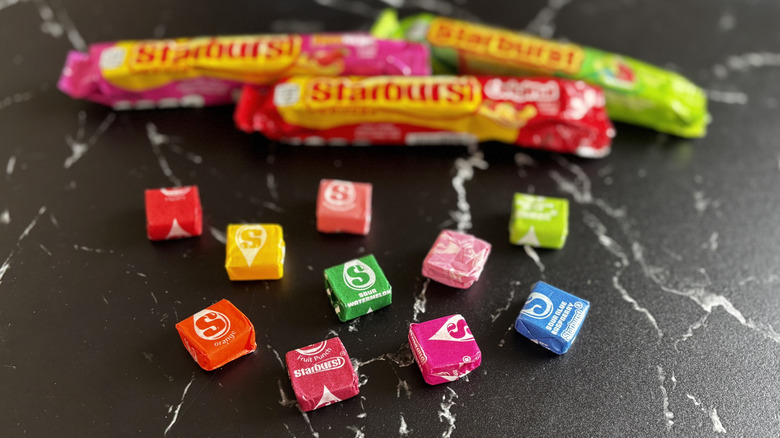
The "Original" pack remains the gold standard for the brand. For decades, these four flavors have served as the baseline for the Starburst experience. While the packaging has modernized, the flavor profiles have remained remarkably consistent to satisfy nostalgic consumers and new fans alike.
Strawberry (Pink)
Strawberry is arguably the most famous flavor in the Starburst portfolio. Its popularity led to the creation of the "All Pink" pack. The flavor profile is creamy and sweet rather than tart, designed to mimic a candied strawberry rather than the raw fruit. In the confectionery world, the "Pink Starburst" has become a cultural shorthand for being the best or most valued version of something.
Cherry (Red)
The Red Starburst offers a deeper, more robust fruit profile. It carries a distinct tartness that balances the sugar content. While Strawberry is often cited as the favorite, Cherry frequently ranks as a close second in consumer polls, leading to its prominent placement in the FaveREDs variety packs.
Orange (Orange)
Orange provides a citrus-forward experience that relies on zest-like notes. It is often the "bridge" flavor in the pack, offering a bright acidity that cleanses the palette between the heavier berry flavors.
Lemon (Yellow)
Lemon is the most polarizing of the original four. It features a sharp, citrus acidity intended to provide a "sour" counterpoint to the sweetness of the other chews. Despite being frequently ranked lower in casual social media polls, the Lemon flavor is essential for the variety pack's overall balance.
The Expansion Packs: Permanent Flavor Collections
As consumer tastes shifted toward more specific fruit groupings, Mars Wrigley introduced specialized packs. These are now considered permanent fixtures in most retail environments as of 2026.
FaveREDs
Launched to capitalize on the overwhelming popularity of red and pink candies, FaveREDs eliminates the citrus flavors entirely. The pack focuses exclusively on berry and melon notes:
- Strawberry: The classic pink chew.
- Cherry: The original red chew.
- Fruit Punch: A blend of several red fruit notes, offering a more complex, "tropical" red taste.
- Watermelon: A refreshing, sweet melon flavor that is distinct from the tartness of cherry.
Tropical
The Tropical pack takes the Starburst "juiciness" and applies it to exotic fruit profiles. This collection is known for its more adventurous flavor pairings:
- Mango Melon: A smooth, orange-colored chew that emphasizes the creaminess of mango.
- Piña Colada: A white chew that balances pineapple acidity with coconut sweetness.
- Strawberry Banana: A dual-note flavor that is often softer in texture and taste.
- Cherry Kiwi: A tart, green-and-red-inspired flavor that provides a sharp finish.
Wild Berry
Wild Berry focuses on the darker fruit spectrum, moving away from the bright garden fruits of the Original pack:
- Berry Punch: A deep blue or purple chew with a mixture of berry essences.
- Strawberry: A repeat of the classic, though sometimes slightly adjusted for this specific blend.
- Melon Berry: A green chew that mixes honeydew notes with strawberry.
- Wild Cherry: A more intense version of the standard cherry, often with a darker hue.
Global Variations: The US vs. The World
One of the most interesting aspects of the Starburst flavor list is how it changes based on geography. The most notable divide exists between the North American market and the United Kingdom/European market.
The United Kingdom (The "Opal Fruits" Legacy)
In the UK, Starburst was originally known as Opal Fruits until 1998. The flavor profile in the UK differs significantly from the US version, primarily due to the absence of "Cherry" as a standard flavor. In the UK, the core lineup includes:
- Blackcurrant: This is the "purple" Starburst and is arguably the most popular flavor in the UK. It is virtually non-existent in the US Starburst lineup but is a staple of European confectionery.
- Lemon and Lime: Often combined or sold as distinct citrus notes that are sharper than their US counterparts.
- Orange: Similar to the US version but often using different natural coloring agents.
- Strawberry: Less "creamy" than the US version, focusing more on a tart fruit profile.
Australia and New Zealand
The Oceania market often receives unique "Smoothie" or "Sour" variations that do not always make it to the Northern Hemisphere. These packs frequently highlight local fruit preferences, such as passionfruit or lime-heavy blends.
Comparison of Active Starburst Flavor Collections (2026)
| Collection | Featured Flavors | Primary Profile | Target Audience |
|---|---|---|---|
| Original | Strawberry, Cherry, Orange, Lemon | Classic Fruit | General Consumers |
| FaveREDs | Strawberry, Cherry, Watermelon, Fruit Punch | Berry & Melon | Fans of "Red" flavors |
| Tropical | Mango Melon, Piña Colada, Strawberry Banana, Cherry Kiwi | Exotic Fruit | Adventurous snackers |
| Wild Berry | Berry Punch, Strawberry, Melon Berry, Wild Cherry | Dark Berry | Fans of rich, tart fruit |
| All Pink | Strawberry | Single Flavor (Creamy) | Enthusiasts / Party Planners |
| Duo/Swirlers | Strawberry-Watermelon, Lemon-Lime, etc. | Mixed Fruit | Texture/Visual seekers |
Special Editions and Discontinued Varieties
Over its sixty-year history, Starburst has experimented with numerous limited-time offers (LTOs) and spin-offs. Some of these remain in the hearts of fans even if they are no longer on shelves in 2026.
Starburst Sour
The Sour pack was a major staple in the early 2000s and mid-2010s. It featured a sugar coating or a citric-acid-infused center. Flavors included Sour Blue Raspberry, Sour Green Apple, Sour Watermelon, and Sour Cherry. While the availability of "Sour" packs fluctuates, they remain one of the most requested returns by the fan base.
Starburst Sweet & Sour
This pack offered a dual experience, where one side of the chew was sweet and the other was intensely sour. This required a different manufacturing process to ensure the two flavors didn't bleed into each other before consumption.
The "Retro" Packs
Periodically, Mars Wrigley releases "Opal Fruits" branded packs in the UK or "Retro" packs in the US. These often bring back the original flavor formulations, which some purists claim had a different "mouthfeel" due to the types of oils used in the 1970s and 80s.
Starburst Moroccan Fruit
A rare international variety that featured flavors like Pomegranate and Nectarine. This was part of a "Global Flavors" initiative that sought to bring regional tastes to a wider audience, though it had a limited commercial run.
Texture Innovations: Gummies, Airs, and Minis
The flavor list isn't just about the square chews. The brand has expanded into different formats, which often necessitates changes in flavor chemistry to account for different bases (gelatin vs. pectin vs. starch).
- Starburst Gummies: These offer the Original and Sours flavors in a soft, gelatin-based format. The flavor is often more concentrated here because the candy dissolves faster than the traditional chew.
- Starburst Airs: Introduced in the early 2020s, these are aerated gummies. They provide a "pillowy" texture. Because they contain more air, the flavor release is more immediate but less sustained than a standard Starburst.
- Starburst Minis: These are smaller, unwrapped versions of the original chews. They come in "Original" and "FaveREDs" varieties. Interestingly, many consumers report that the "unwrapped" nature changes the flavor slightly, likely due to the lack of a wax-paper interface and a different surface-to-volume ratio.
- Starburst Jelly Beans: A seasonal staple, particularly during Easter. The flavor list for the jelly beans often includes "Grape," a flavor that is notoriously absent from the standard Starburst chew lineup.
The Chemistry of Starburst Flavors
To maintain the "Unexplainably Juicy" tagline, Starburst utilizes a specific blend of fruit juices (usually from concentrate), citric acid, and fats (like hydrogenated palm kernel oil). The fats are crucial; they encapsulate the flavor molecules. As the candy warms in the mouth and the structure breaks down through chewing, the fats melt and release the flavor in stages. This is why a Starburst flavor often seems to "evolve" the longer you chew it.
Furthermore, the brand transitioned toward using more natural sources for colors and flavors in the mid-2010s, particularly in the European markets. This led to subtle shifts in the "vibrancy" of certain flavors like Lemon and Lime, which moved away from artificial dyes toward turmeric and chlorophyll-based colorants.
Frequently Asked Questions
Are Starburst flavors vegan or vegetarian?
In the United States, most Starburst products (including the classic chews) contain gelatin, which is derived from animal collagen, making them not vegan or vegetarian. However, in some regions like the UK, the recipe has historically avoided gelatin in the chews, though consumers should always check the label for the current year’s formulation.
Why is there no Grape Starburst in the regular packs?
Grape is a difficult flavor to stabilize in the specific oil-and-sugar matrix of a Starburst chew without it tasting "medicinal." While Grape appears in the Jelly Bean and Gummy varieties, it has rarely been included in the classic square chew format in the US.
Is the Pink Starburst really the same as the Strawberry one?
Yes. The "All Pink" pack contains the exact same Strawberry flavor found in the Original pack. The perception of it being "better" in the All Pink pack is usually attributed to the lack of "flavor contamination" from the other scents (like Lemon or Orange) inside the wrapper.
Which Starburst flavor is the rarest?
Outside of limited-time international releases, flavors like Blackcurrant are considered "rare" to US consumers, while Cherry is considered an "import" flavor to many in the UK who grew up with the Opal Fruits legacy.
Do Starburst flavors expire?
Starburst has a long shelf life, typically around 12 to 24 months depending on packaging. Over time, the fats in the candy can oxidize, leading to a "waxy" taste, and the sugar can crystalize, making the candy brittle rather than chewy.
Practical Recommendation for Enthusiasts
If you are looking to experience the full breadth of the Starburst flavor list, the best strategy in 2026 is to look for "Variety Mix" bags often found in wholesale clubs. These bags frequently combine the Original, FaveREDs, and Tropical packs into a single purchase. For those seeking the elusive UK flavors like Blackcurrant, international candy importers or specialty online retailers remain the most reliable source for authentic European Starburst. Always ensure you are checking for the "unwrapped" Minis if you prefer a different texture, but stick to the classic wax-wrapped squares if you want the traditional, slow-release flavor experience.