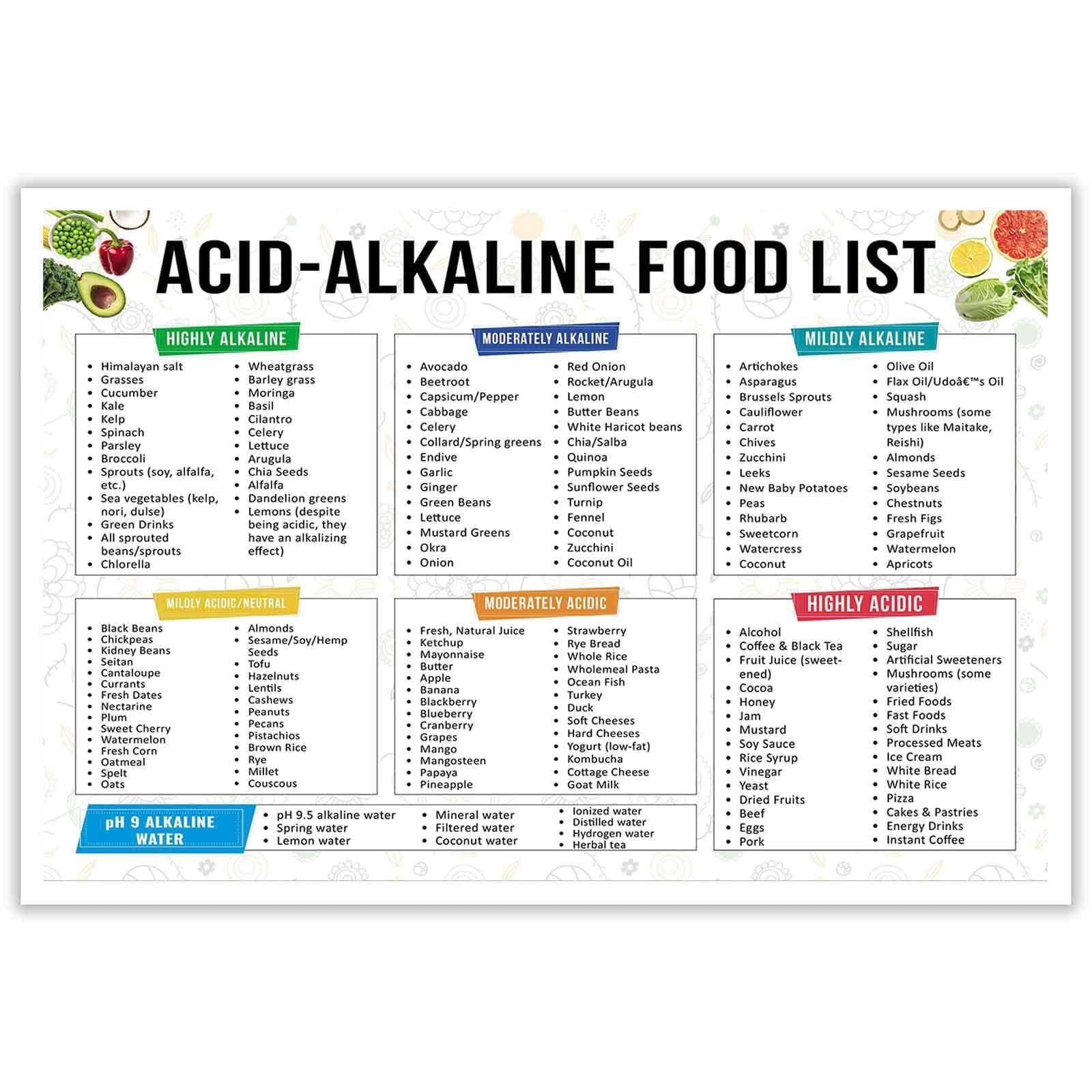
There is no clinical evidence that drinking alkaline water can prevent or treat cancer in humans. While proponents claim that an alkaline environment "starves" cancer cells, the human body maintains a tightly regulated blood pH through the lungs and kidneys. Dietary intake, including alkaline water, cannot significantly alter systemic pH or eliminate cancerous tumors.
The intersection of diet and oncology is a frequent source of misinformation. As we move through 2026, the marketing of alkaline water remains a multi-billion dollar industry, often utilizing pseudo-scientific claims to target patients seeking alternative therapies. To understand why alkaline water is not a "miracle cure," it is necessary to examine the physiological mechanisms of pH regulation, the history of the acid-ash hypothesis, and the current state of oncological research.
Understanding pH and Alkaline Water
The pH scale measures how acidic or basic (alkaline) a substance is, ranging from 0 to 14. A pH of 7 is neutral, anything below 7 is acidic, and anything above 7 is alkaline. Standard tap water usually has a pH near 7, while alkaline water typically has a pH of 8 or 9.
Alkaline water is generally produced in two ways:
- Natural Alkaline Water: This occurs when water passes over rocks—such as in springs—and picks up minerals like calcium, magnesium, and potassium, which increase its pH.
- Ionized Alkaline Water: This is created through a process called electrolysis. An ionizer uses electricity to separate molecules in the water that are more acidic from those that are more alkaline. The acidic water is funneled out, while the alkaline water is kept for consumption.
In the context of 2026 health trends, many bottled water brands also add electrolytes and minerals back into purified water to achieve a specific alkaline profile. However, the presence of these minerals does not change the fundamental way the body processes the liquid.
The Origin of the Cancer Myth: The Warburg Effect
The belief that alkaline water can treat cancer is largely rooted in a misunderstanding of the work of Dr. Otto Warburg, a Nobel Prize-winning physiologist. In the early 20th century, Warburg discovered that cancer cells have a different metabolism than healthy cells. He observed that cancer cells often produce energy through a process called glycolysis, which results in the production of lactic acid even in the presence of oxygen.
Proponents of alkaline diets and water often misinterpret Warburg’s findings to mean that acidity causes cancer and that an alkaline environment cures it. However, modern oncology has clarified that the acidic microenvironment surrounding a tumor is a result of the cancer’s rapid and inefficient metabolism, not the primary cause of the cancer itself. Furthermore, Warburg’s research focused on cellular environments in a controlled laboratory setting (in vitro), not the complex physiological systems of a living human (in vivo).
Human Physiology: The Tight Regulation of pH
The primary reason why drinking alkaline water cannot "alkalize the body" to fight cancer lies in the body's homeostatic mechanisms. The human body is remarkably efficient at maintaining a blood pH between 7.35 and 7.45. This range is critical for cellular function, enzyme activity, and oxygen transport.
The Role of the Lungs (Respiratory Compensation)
The lungs help regulate pH by controlling the levels of carbon dioxide (CO2) in the blood. CO2 is mildly acidic. When the blood becomes too acidic, the brain signals the lungs to increase the rate and depth of breathing to exhale more CO2, thereby raising the pH. Conversely, if the blood is too alkaline, breathing slows down to retain CO2 and lower the pH.
The Role of the Kidneys (Renal Compensation)
The kidneys provide a more long-term solution for pH balance. They excrete excess hydrogen ions (acid) into the urine and reabsorb bicarbonate (a base) back into the bloodstream. This is why the pH of your urine can change significantly based on what you eat or drink, while the pH of your blood remains stable.
If you drink alkaline water with a pH of 9.0, your stomach—which is highly acidic (pH 1.5 to 3.5) to facilitate digestion—will immediately neutralize it. Any remaining "alkalinity" that reaches the bloodstream is quickly managed by the kidneys. Essentially, drinking alkaline water may result in more alkaline urine, but it does not change the pH of the blood or the environment of a tumor located deep within an organ.
The Tumor Microenvironment vs. Systemic pH
One of the most complex areas of cancer research involves the tumor microenvironment. It is true that the area immediately surrounding a tumor is often acidic. This acidity is a byproduct of the cancer cells' "Warburg metabolism" (fermentation of glucose).
Some researchers have investigated whether neutralizing this local acidity could make chemotherapy or immunotherapy more effective. However, these studies typically involve specific drugs or sodium bicarbonate (baking soda) administered in ways that target the tumor directly, rather than simply drinking bottled water. Even in these experimental settings, the goal is not to "starve" the cancer with alkalinity, but to alter the chemistry of the microenvironment to allow traditional treatments to penetrate the tumor more effectively.
There is currently no evidence that drinking alkaline water can alter the specific microenvironment of a tumor located in the lungs, breast, prostate, or brain.
Comparing Water Types and Their Impact
To better understand the differences between various types of water and their relationship to health claims, consider the following comparison:
| Water Type | Typical pH | Mineral Content | Scientific Consensus on Cancer |
|---|---|---|---|
| Tap Water | 6.5 – 8.5 | Varies by location (Calcium, Magnesium) | Safe for hydration; no direct anti-cancer properties. |
| Distilled Water | 5.0 – 7.0 | Near zero minerals | Safe, but lacks essential electrolytes; no effect on cancer. |
| Natural Spring Water | 7.0 – 8.5 | Trace minerals from rocks | Excellent for hydration; no therapeutic effect on tumors. |
| Alkaline Water (Ionized) | 8.0 – 9.5 | Altered ion concentration | No clinical evidence of cancer prevention or treatment. |
| Lemon Water | 2.0 – 3.0 (Acidic) | Vitamin C, Potassium | Becomes alkaline after metabolism; no effect on cancer. |
Potential Benefits and Risks of Alkaline Water
While alkaline water is not a cancer treatment, it is not necessarily harmful. For the general population in 2026, drinking alkaline water is mostly a matter of preference, though there are specific considerations to keep in mind.
Potential Benefits
- Acid Reflux (GERD): Some studies suggest that water with a pH of 8.8 can permanently deactivate pepsin, an enzyme involved in acid reflux. This may provide symptomatic relief for individuals with chronic heartburn.
- Hydration: Some users find the taste of alkaline water more palatable, which can lead to better overall hydration. Some small-scale studies have suggested that high-pH water may reduce blood viscosity after exercise, though more research is needed.
Potential Risks and Limitations
- Cost: Alkaline water is significantly more expensive than tap or filtered water. For cancer patients on a budget, this is an unnecessary expense that could be better directed toward nutrition or medical care.
- Stomach Acid Neutralization: Constant consumption of high-pH water could theoretically interfere with the stomach's ability to digest protein and kill harmful bacteria if consumed in extreme quantities.
- Medication Interactions: If a patient is taking medications that depend on a specific stomach acidity level for absorption, alkaline water might interfere with the drug's efficacy.
- Alkalosis: In rare cases, excessive intake of alkaline substances can lead to metabolic alkalosis, a condition where the blood becomes too basic, leading to nausea, muscle twitching, and confusion.
The Danger of Delaying Conventional Treatment
The most significant risk associated with the "alkaline water for cancer" myth is not the water itself, but the potential for patients to delay or refuse evidence-based medical treatments. In 2026, we have advanced immunotherapies, targeted radiation, and precision oncology that have significantly improved survival rates.
When a patient believes that a simple dietary change like drinking alkaline water can "cure" them, they may miss the critical window for surgical intervention or chemotherapy. It is vital for patients to view alkaline water as a hydration choice, not a medical intervention.
Guidance for Cancer Patients and Caregivers
If you or a loved one is navigating a cancer diagnosis in 2026, the focus should be on evidence-based supportive care.
- Prioritize Hydration: Hydration is essential during cancer treatment, especially during chemotherapy, which can be hard on the kidneys. Whether the water is tap, spring, or alkaline, staying hydrated helps the body process medications and manage side effects.
- Consult an Oncology Dietitian: Instead of following generalized internet advice about alkaline diets, speak with a registered dietitian who specializes in oncology. They can help create a nutrition plan that maintains weight and muscle mass during treatment.
- Focus on Whole Foods: Rather than worrying about the pH of your water, focus on a diet rich in vegetables, fruits, and lean proteins. These provide the antioxidants and phytonutrients the body needs to support the immune system.
- Verify Sources: Be skeptical of testimonials and "success stories" found on social media or marketing sites. Look for information from reputable organizations such as the American Cancer Society or the National Cancer Institute.
FAQ: Alkaline Water and Cancer
1. Does lemon water become alkaline in the body?
While lemons are acidic outside the body, their metabolic byproducts (ash) are alkaline. However, like alkaline water, "alkalizing" your system with lemon water does not change your blood pH or affect the growth of cancer cells. It is, however, a good source of Vitamin C.
2. Is there any harm in drinking alkaline water during chemotherapy?
For most people, there is no direct harm in drinking alkaline water during chemotherapy, provided it does not interfere with specific medications. Always inform your oncologist about any supplements or specialized waters you are consuming to ensure they do not affect treatment absorption.
3. Why do some people claim their cancer went away after an alkaline diet?
Cancer can occasionally undergo spontaneous regression, or more likely, the person was also undergoing conventional treatment while following the diet. Anecdotal evidence is not the same as scientific proof. Large-scale clinical reviews, such as those published in the British Medical Journal (BMJ Open), have concluded there is no evidence to support the use of an alkaline diet for cancer.
4. Can I test my body’s pH with urine strips?
Urine strips only measure the pH of your urine, which is a reflection of what your kidneys are excreting. They do not measure the pH of your blood or your internal organs. A change in urine pH is a sign that your kidneys are working correctly to keep your blood pH stable, not that you have "alkalized" your body.
5. Are there any studies showing alkaline water kills cancer cells?
Some studies have shown that cancer cells in a petri dish (in vitro) do not survive in an alkaline environment. However, many things kill cancer cells in a petri dish—including bleach or extreme heat—that would also kill a human. The challenge in oncology is killing cancer cells within the human body without harming healthy tissue, and drinking alkaline water does not achieve this.
Final Recommendation
If you enjoy the taste of alkaline water and can afford the premium price, there is no reason to avoid it as a source of hydration. However, it should never be viewed as a preventative measure or a treatment for cancer. The human body's ability to maintain pH balance is a fundamental aspect of biology that cannot be overridden by dietary alkalinity. For those facing a cancer diagnosis, the most effective path forward remains a combination of early detection, evidence-based medical treatment, and a balanced, nutrient-dense diet as recommended by a professional healthcare team.