The Alien franchise, beginning with Ridley Scott’s 1979 masterpiece, spans over four decades of cinematic history, presenting a non-linear narrative that jumps across centuries, star systems, and existential threats. To understand the full chronology of this space horror saga, one must organize the films not by their release dates, but by the in-universe calendar, starting from the origins of the Engineers and the pathogen to the final encounters with the Xenomorph in the distant future.
The Structural Complexity of the Alien Timeline
The Alien franchise is notorious for its fragmented timeline, largely due to the inclusion of Prometheus (2012) and Alien: Covenant (2017), which serve as prequels that shift the focus from the creature itself to the ancient progenitors of humanity. Understanding the timeline requires separating the "Prequel Era"—which delves into the pseudo-mythological origins of the Black Goo pathogen—from the "Classic Era," which focuses on the survival horror encounters between humanity and the Xenomorph species.
When mapping this timeline, we track the progression of the Weyland-Yutani Corporation’s obsession with biological weaponization, a recurring motif that links the ancient past to the industrial decay of the 22nd century.
The Prequel Era: Ancient Origins and Synthetic Ambition
The earliest events in the timeline take place in the late 21st century, serving as the foundation for the corporate greed and bio-engineering hubris that defines the series.
- Prometheus (2093 AD): Following the discovery of star maps in ancient Scottish caves, the vessel Prometheus travels to LV-223. This expedition, funded by Peter Weyland, encounters the Engineers—a precursor species to humans—and the lethal mutagen known as the "Black Goo." This film establishes the biological weapon potential that motivates the entire franchise.
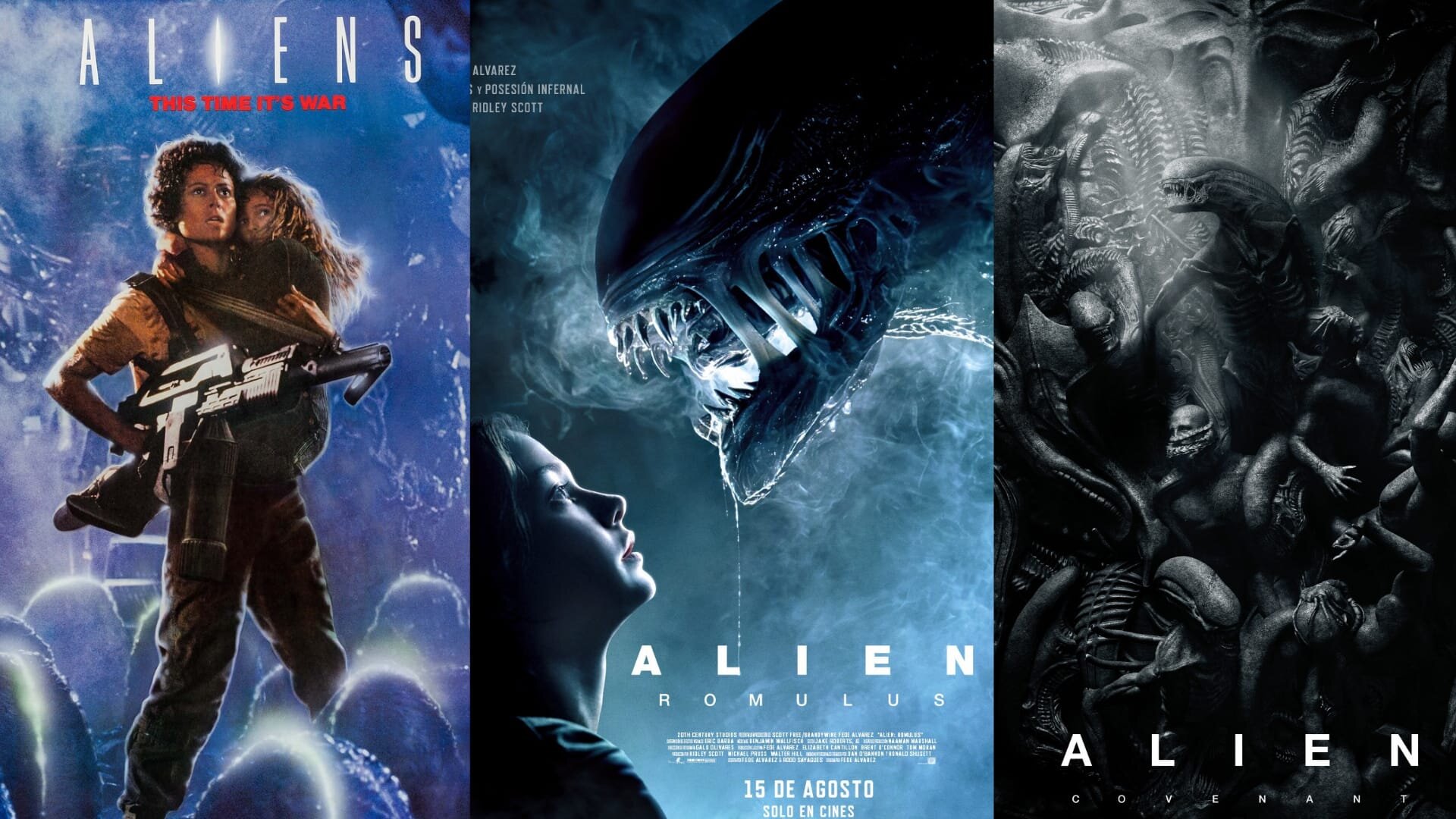
- Alien: Covenant (2104 AD): Set eleven years after the Prometheus expedition, the colony ship Covenant is diverted to a remote planet where they encounter the synthetic David 8. David has spent the last decade experimenting with the Black Goo, effectively creating the biological prototype for the Xenomorph. This segment is critical as it defines the transition from natural evolutionary horror to artificial, engineered monstrosity.
The Classic Era: The Xenomorph Encounters
The primary narrative sequence centers on Ellen Ripley and the various crews that cross paths with the Xenomorph across the late 22nd century.
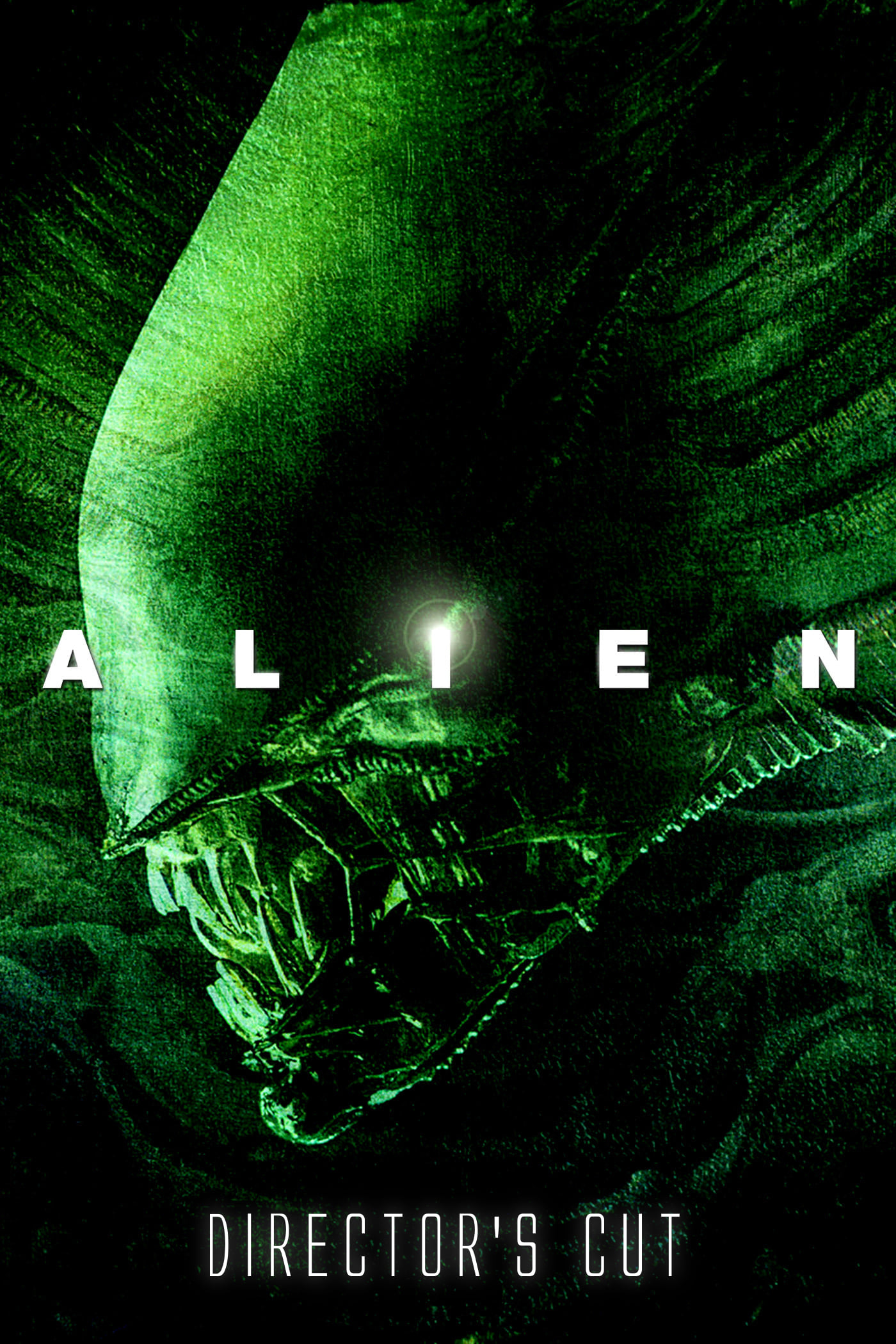
- Alien (2122 AD): The USCSS Nostromo intercepts a distress signal from LV-426. Here, the crew encounters a derelict alien craft containing a cargo of eggs. This is the first chronological encounter with a mature, naturally occurring (or potentially engineered) Xenomorph.
- Alien: Romulus (2142 AD): This film bridges the gap between the original Alien and Aliens. It follows a crew of young colonists who scavenge a derelict Weyland-Yutani research station, discovering the consequences of the corporation’s attempts to reverse-engineer the organism found on the Nostromo. It highlights the cycle of corporate exploitation that leaves human lives as collateral damage.
- Aliens (2179 AD): Fifty-seven years after the Nostromo incident, Ripley is recovered from cryosleep. She returns to LV-426, now terraformed into a colony called Hadley’s Hope, which has been overrun by the species. This film provides the most significant look at the Xenomorph’s hive hierarchy, including the Queen.
- Alien 3 (2179 AD): Picking up immediately after the events of Aliens, Ripley crashes on the penal colony planet Fiorina 161. This chapter concludes the initial arc of Ripley’s battle against the species, serving as a dark, claustrophobic exploration of the creature's influence on a confined, low-tech environment.
The Future Frontier: Resurrection
The timeline then jumps significantly forward into the 24th century, where the ethics of human cloning and genetic experimentation become the primary catalyst for the horror.
- Alien: Resurrection (2381 AD): Two centuries after Ripley’s death, the United Systems Military attempts to clone her—and the Queen inside her—to regain access to the Xenomorph DNA. This period represents a departure from the "slasher-in-space" roots, moving toward a more bio-punk, post-human nightmare where the line between alien and human is blurred.
Comparison Table: Key Entries in the Timeline
| Film Title | Year Set (Approx) | Primary Antagonist | Focus Theme |
|---|---|---|---|
| Prometheus | 2093 | Engineers / Pathogen | Creation & Hubris |
| Alien: Covenant | 2104 | David 8 / Protomorph | Artificial Evolution |
| Alien | 2122 | Xenomorph | Survival Horror |
| Alien: Romulus | 2142 | Xenomorph / Offspring | Corporate Exploitation |
| Aliens | 2179 | Xenomorph Queen | Military Sci-Fi Action |
| Alien 3 | 2179 | Xenomorph | Existential Despair |
| Alien: Resurrection | 2381 | Cloned Xenomorphs | Genetic Deformity |
The Role of Corporate Influence and Technology
Across this timeline, the Weyland-Yutani Corporation acts as the constant, looming antagonist. In every era, the pursuit of the Xenomorph is not for scientific advancement, but for its potential as an "ultimate" biological weapon. By 2142 (Alien: Romulus), the company’s desperation to synthesize the perfect organism reaches a fever pitch, resulting in the catastrophic failure of the Renaissance station.
The evolution of technology in the series also informs the timeline. In the prequel era, technology is sleek and exploratory; by the time of Alien, it has become industrial and gritty; by Alien: Resurrection, it is sterile and unsettlingly advanced. Keeping track of these technological shifts is a useful way to anchor yourself within the narrative chronology, as the aesthetic of the hardware usually matches the "age" of the setting.
Frequently Asked Questions
Does the order of release matter for a first-time viewer? While the internal chronology is clear, watching in release order (starting with 1979's Alien) is generally recommended. The mysteries introduced in the earlier films are built upon by the prequels; watching them in chronological order can diminish the impact of the reveals regarding the Engineers and the origin of the creature.
Where do the Alien vs. Predator films fit into the timeline? The Alien vs. Predator series exists in an alternate continuity or a non-canon space relative to the primary Alien saga. Because these films conflict with the established lore found in Prometheus and Alien: Covenant, most scholars of the franchise treat them as a separate timeline entirely.
Is Alien: Romulus essential for understanding the franchise? Yes, it serves as a critical thematic bridge. It clarifies how the Weyland-Yutani Corporation maintained its obsession with the Xenomorph throughout the decades between the original film and the sequel, Aliens.
Are the "Directors' Cuts" necessary for the timeline? While some editions (such as the Alien 3 Assembly Cut) offer more context regarding the creature's growth cycle and the social dynamics of the prison planet, they do not fundamentally alter the chronological timeline. They are strictly supplementary to the core story.
Next Steps for Enthusiasts
For those looking to deepen their engagement with this saga, the primary recommendation is to watch the "Classic Era" films (Alien, Aliens) first, then transition to the prequel films to understand the philosophical underpinnings introduced by David 8. If you are interested in the technical aspects of the creatures, pay close attention to the transition of the "Goo" from a mutative agent to a reproductive catalyst, as this is the engine that drives the entire chronology forward.