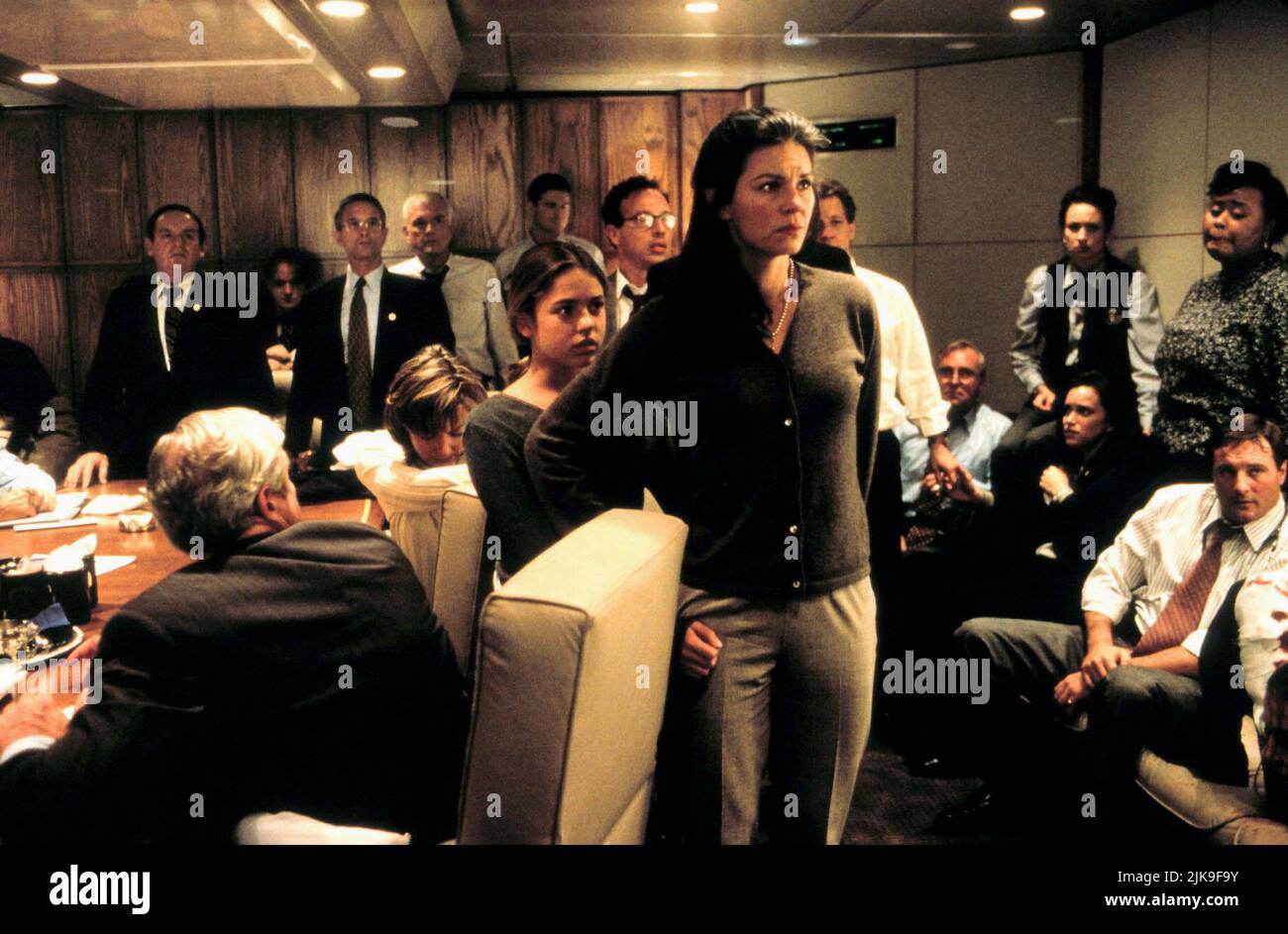
Alice Marshall served as a pivotal figure within President Ronald Reagan’s inner circle, primarily as his Personal Assistant and later in significant roles within the Office of Presidential Personnel. During her tenure, she spent thousands of hours aboard Air Force One (SAM 27000), managing the President's personal logistics, immediate scheduling needs, and the complex flow of information that sustains a "Flying White House" during international and domestic missions.
The relationship between Alice Marshall and Air Force One is not merely a matter of travel; it represents the operational core of the Reagan administration’s mobile command. To understand her role is to understand how the President’s personal staff maintained the dignity, efficiency, and security of the office while in transit between global capitals and the Reagan Ranch.
The Professional Background of Alice Marshall
Before becoming a fixture on the manifests of Air Force One, Alice Marshall established herself as a trusted administrator within the Reagan political orbit. Her journey to the White House began during Reagan’s transition into the presidency following the 1980 election. Unlike policy advisors or cabinet secretaries, personal staff members like Marshall were selected for their discretion, organizational mastery, and ability to anticipate the President’s needs in high-pressure environments.
In the early 1980s, Marshall worked closely with the President’s top aides, eventually ascending to the role of Personal Assistant to the President. This position required a constant presence. Whether the President was in the Oval Office, at Camp David, or cruising at 35,000 feet, Marshall was often the gatekeeper for his personal documents, briefing materials, and the minute-to-minute schedule that dictated the rhythm of the presidency.
By the mid-to-late 1980s, her role evolved. She served as the Associate Director of Presidential Personnel, where she helped oversee the massive undertaking of vetting and recommending individuals for thousands of political appointments. However, her historical legacy is most frequently tied to her time as an "Executive Assistant" and "Personal Assistant," roles that placed her on almost every major flight of the Reagan era.
Air Force One in the Reagan Era: SAM 27000
To appreciate Alice Marshall’s work, one must understand the environment of the aircraft she inhabited. During the Reagan administration, the primary aircraft serving as Air Force One was a modified Boeing 707-353B, known by its military designation SAM 27000 (Special Air Mission 27000).
Commissioned in 1972, SAM 27000 served seven presidents, but it is most closely associated with Ronald Reagan. The aircraft was divided into several functional zones:
- The Presidential Suite: Located at the front of the aircraft, this included the President’s office and a private cabin.
- The Conference Room: Where the President met with senior staff, including the National Security Advisor and the Chief of Staff.
- Staff Seating: Where aides like Alice Marshall were stationed.
- Communications Center: The technological heart of the plane, ensuring the President was never out of contact with the Pentagon or the Situation Room.
- Press and Secret Service Sections: Located toward the rear of the aircraft.
Marshall’s work spanned these zones. While she had a designated seat in the staff section, her responsibilities often required her to be in the Presidential Suite or the Conference Room, delivering urgent cables or organizing the President’s personal effects.
The Logistics of the Flying White House
The primary challenge of Air Force One is maintaining the exact functionality of the West Wing while in the air. This is where Alice Marshall’s expertise was most critical. Her duties were multifaceted and required a high degree of technical coordination with the military personnel who operated the aircraft.
Document Management and Briefing Flows
The President does not "stop working" while flying. In fact, transit time was often used for deep briefings before major summits. Marshall was responsible for the physical security and organization of the President’s "black books"—the briefing binders prepared by the National Security Council and the Domestic Policy Council. On a flight to a summit in Geneva or Reykjavik, these binders contained the most sensitive geopolitical secrets of the United States. Marshall ensured they were accessible to the President exactly when needed and secured when the President rested.
Interfacing with the Military Office
While the Air Force crew managed the flight and the Secret Service managed the protection, the White House Military Office (WHMO) managed the support services. Marshall acted as the bridge between the President’s personal preferences and the WHMO's operational protocols. This included everything from meal preferences to the specific setup of the President’s desk on the aircraft.
The Presidential Diary
Every minute of a President's life is recorded for the National Archives. Alice Marshall worked in tandem with the Presidential Diarist to ensure that every visitor who spoke with the President on Air Force One, every phone call made via the "Signal" switchboard, and every staff meeting held in the conference room was accurately logged. These records, now housed at the Ronald Reagan Presidential Library, provide a granular view of how the Reagan administration functioned.
Major Missions: Marshall on the Global Stage
Alice Marshall’s presence on Air Force One was most notable during the high-stakes diplomatic missions that defined the end of the Cold War. Traveling on SAM 27000 was an exercise in endurance and precision.
The Geneva and Reykjavik Summits
During the 1985 Geneva Summit and the 1986 Reykjavik Summit with Mikhail Gorbachev, the pressure on the President’s personal staff was immense. Air Force One served as the mobile command center where strategy was refined between sessions. Marshall was responsible for managing the influx of last-minute changes to schedules and ensuring that the President remained refreshed and focused despite crossing multiple time zones.
Domestic Travel and the "Western White House"
A significant portion of Marshall’s time on Air Force One involved travel to Santa Barbara, California, for the President’s visits to Rancho del Cielo. These trips were different in character from international summits but equally complex. Marshall had to coordinate the transition of the "Traveling White House" from the sophisticated communications of SAM 27000 to the more rugged, remote environment of the Reagan Ranch.
| Feature of SAM 27000 | Staff Utilization (e.g., Alice Marshall) |
|---|---|
| Presidential Office | Used for private meetings; Marshall managed the flow of paper and visitors here. |
| Galleys | Managed by Air Force stewards; staff coordinated the President's meal times to fit the work schedule. |
| Secure Comms | Staff used secure lines to relay messages to the West Wing while over the Atlantic or Pacific. |
| Workstations | Aides like Marshall had dedicated desk space to type memos and organize the President's correspondence. |
The Culture of the Reagan Staff Aboard Air Force One
The staff of the Reagan White House was known for its loyalty and longevity. Many members of the "California Crew"—those who had been with Reagan since his time as Governor—formed the backbone of the travel team. Alice Marshall was part of this cohesive unit.
Life aboard Air Force One for a personal assistant was far from glamorous. It involved long hours, sleeping in cramped seats, and being "on-call" 24 hours a day. However, the proximity to power and the historical significance of the missions created a unique camaraderie. Marshall was known for her professionalism and her ability to remain calm under the scrutiny of the global press corps, who were often just a few bulkheads away in the rear of the plane.
Archival Records and the Reagan Library
For historians and researchers, the name Alice Marshall appears frequently in the collections of the Ronald Reagan Presidential Library and Museum in Simi Valley, California. Because her role was so central to the President’s daily life, her "Staff and Office Files" are an essential resource for understanding the administrative history of the 1980s.
These archives contain:
- Travel Manifests: Confirming every trip Marshall took on Air Force One.
- Correspondence: Memos regarding personnel appointments and West Wing administrative matters.
- Schedules: Detailed breakdowns of the President's day-to-day activities, often annotated by Marshall.
As of 2026, many of these records have been digitized, allowing researchers to trace the movement of the Reagan administration with high precision. Marshall’s files offer a "behind-the-scenes" look at how decisions made in the Oval Office were implemented across the country and the world via the wings of Air Force One.
Life After the White House
Following the conclusion of the Reagan administration in January 1989, Alice Marshall, like many senior staff members, transitioned into the private sector and continued her involvement with the Reagan legacy. She remained a respected figure among the "alumni" of the Reagan years, often participating in commemorative events and contributing to the historical record through interviews and archival projects.
The legacy of the personal assistant is often overlooked in favor of the more "public" faces of the administration. However, the seamless operation of Air Force One during one of the most critical decades in American history was due in no small part to the diligence of staff members like Alice Marshall. She ensured that the President was not just a passenger on the aircraft, but a fully functional Commander-in-Chief at all times.
Frequently Asked Questions
What exactly was Alice Marshall's title?
Alice Marshall held several titles during the Reagan administration, most notably Personal Assistant to the President and Associate Director of Presidential Personnel. These roles combined personal service to the President with high-level administrative responsibilities regarding political appointments.
Did Alice Marshall fly on every Air Force One trip?
While not on every single flight, she was a primary member of the travel party for the vast majority of President Reagan's domestic and international trips. Her role as a personal assistant necessitated her presence whenever the President traveled for extended periods or on high-stakes missions.
Which Air Force One aircraft did she primarily use?
She primarily flew on SAM 27000, the Boeing 707 that served as the primary Air Force One throughout the 1980s. While the current Boeing 747s (VC-25A) were ordered during the Reagan years, they did not enter service until the George H.W. Bush administration.
Where can I find the files of Alice Marshall?
Her official papers are housed at the Ronald Reagan Presidential Library in the "White House Staff and Office Files" collection. These files are open to the public and provide extensive documentation of her work in the Personnel Office and her interactions with the President.
How did Alice Marshall coordinate with the Secret Service?
As the Personal Assistant, Marshall worked closely with the Presidential Protective Division (PPD) of the Secret Service. While the Secret Service handled physical security and "the bubble," Marshall managed the President's internal schedule, ensuring that the agents were aware of movements between cabins on the aircraft or transitions from the plane to the motorcade.
Recommendation for Further Research
To gain a deeper understanding of Alice Marshall's impact on the Reagan administration and her time on Air Force One, the most effective next step is to visit the Ronald Reagan Presidential Library's digital archives.
Specifically, search for the "Alice Marshall Files" within the Office of Presidential Personnel records. Additionally, a visit to the library in Simi Valley allows you to walk through the actual Air Force One (SAM 27000) that Marshall worked on. Seeing the cramped quarters of the staff section provides a profound perspective on the demanding nature of her role and the dedication required to serve the presidency at the highest level.