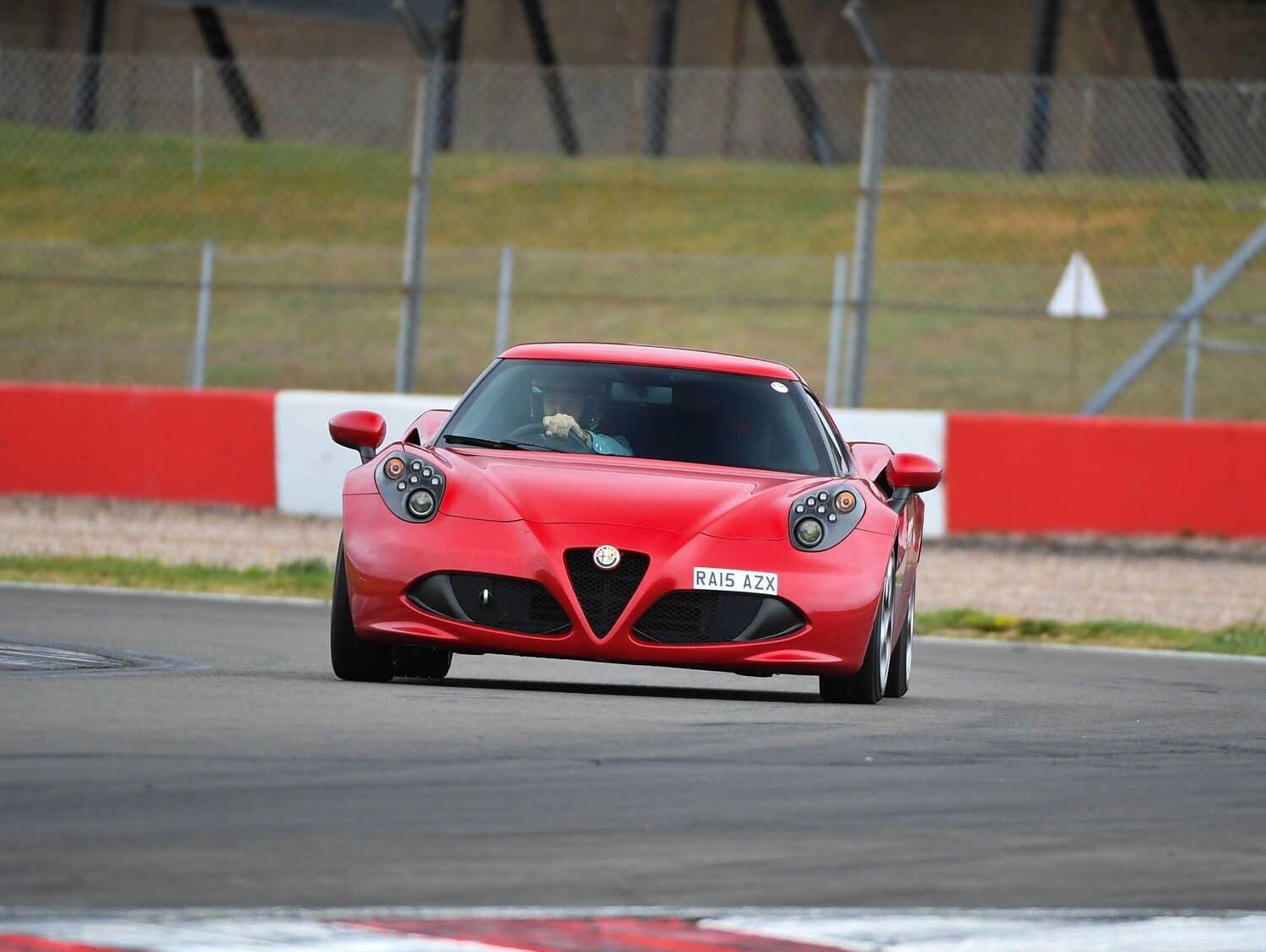
The Alfa Romeo 4C achieves a 0-60 mph time of approximately 4.1 to 4.5 seconds, depending on the model year and testing conditions. This impressive acceleration is primarily the result of its ultra-lightweight carbon fiber monocoque and a high power-to-weight ratio, rather than raw horsepower or engine displacement.
The Engineering Behind the Alfa Romeo 4C’s Acceleration
To understand the Alfa Romeo 4C 0-60 performance in context, one must first look at the philosophy of "La Meccanica delle Emozioni" (the mechanics of emotion). Unlike modern supercars that rely on massive V8 or V10 engines to brute-force their way to high speeds, the 4C relies on lightness.
The heart of the 4C is a 1.75-liter (1750cc) turbocharged inline-four engine. In a vacuum, its output of 237 horsepower and 258 lb-ft of torque seems modest for a dedicated sports car. However, the 4C was designed around a carbon fiber monocoque that weighs a mere 143 pounds (65 kg). The total curb weight for the U.S. version is approximately 2,465 pounds, while the European dry weight is significantly lower, under 2,000 pounds.
This lightness allows the small engine to propel the car with an urgency that rivals much more expensive machinery. When the turbocharger spools up, the 4C doesn't just accelerate; it lunges. The power delivery is characterized by a "scavenging" technology that maximizes torque at low engine speeds and eliminates turbo lag, ensuring that the 0-60 mph sprint feels visceral and immediate.
0-60 MPH Benchmarks: Official vs. Real-World Performance
When Alfa Romeo first released the 4C, the official 0-60 mph time was cited as 4.1 seconds. In various independent tests conducted by automotive publications, these numbers were largely validated, though results varied based on surface grip and the successful engagement of the car's launch control system.
Factors Influencing the Sprint
Several variables impact whether a driver can actually hit that 4.1-second mark:
- Launch Control Calibration: The 4C features a "Race" mode that allows for launch control. Engaging it requires a specific sequence: holding the brake, flooring the accelerator to build boost (around 3,500 RPM), and then releasing the brake. If the tires are cold, the mid-engine layout provides excellent traction, but the car can still struggle with wheel spin due to its short wheelbase.
- Transmission Efficiency: The 6-speed TCT (Twin Clutch Transmission) is critical here. It executes gear changes in milliseconds. Unlike a traditional manual, there is no power interruption, which is vital for maintaining momentum during the 0-60 run.
- Ambient Temperature and Altitude: Being a small-displacement turbocharged engine, the 4C is sensitive to air density. In hotter climates or at higher altitudes, the intercooler works harder, and the engine may pull timing, slightly increasing the 0-60 time to the 4.5-second range.
Technical Components Driving Performance
The 4C’s performance isn't just a product of its engine; it is a holistic achievement of several high-performance systems working in unison.
The Carbon Fiber Monocoque
The use of a carbon fiber tub is rare in cars at this price point. Usually reserved for "hypercars" like the McLaren 750S or Ferraris, this chassis provides immense structural rigidity. This rigidity ensures that when the car launches, the energy is transferred directly to the pavement through the suspension rather than being absorbed by chassis flex.
The 1750 TBi Engine
The engine features a high-pressure direct injection system (200 bar) and dual continuous variable valve timing. The "scavenging" system mentioned earlier is a sophisticated control logic that coordinates the timing and duration of the intake and exhaust valves. This creates a direct flow of air from the intake to the exhaust manifold, which speeds up the turbo turbine much faster than a conventional setup.
Unassisted Steering and Suspension
While not directly affecting the 0-60 time, the unassisted steering rack saves weight and provides the driver with feedback that makes the sensation of speed much more intense. The suspension—double wishbone in the front and an evolved MacPherson strut in the rear—is tuned for maximum mechanical grip, which is essential for a clean launch.
Comparative Performance: The 4C vs. Its Peers
To put the Alfa Romeo 4C 0-60 performance in context, we must compare it to its contemporary rivals and its predecessors. In its heyday, the 4C was often compared to the Porsche 718 Cayman, the Lotus Elise, and the Alpine A110.
| Vehicle Model | 0-60 MPH Time (Approx.) | Horsepower | Weight (lbs) | Engine Layout |
|---|---|---|---|---|
| Alfa Romeo 4C | 4.1 - 4.3s | 237 hp | 2,465 | Mid-Engine Turbo 4 |
| Porsche 718 Cayman S | 4.0 - 4.4s | 350 hp | 3,054 | Mid-Engine Turbo 4 |
| Lotus Elise Sport 220 | 4.2 - 4.6s | 217 hp | 2,040 | Mid-Engine Supercharged 4 |
| Alpine A110 (S) | 4.2 - 4.4s | 248 - 296 hp | 2,432 | Mid-Engine Turbo 4 |
| 2026 Performance EV (Avg) | 3.0 - 3.8s | 450+ hp | 4,200+ | Dual Motor AWD |
The table illustrates that the 4C punches significantly above its weight class. It matches the Porsche Cayman S in acceleration despite having over 100 fewer horsepower. This is the "magic" of the 4C; it achieves through lightness what others achieve through complexity and power.
The 2026 Perspective: How the 4C Holds Up Today
As we look at the automotive landscape in 2026, the definition of "fast" has shifted. The proliferation of high-performance Electric Vehicles (EVs) has made sub-4-second 0-60 times common even in family sedans. In this modern context, the Alfa Romeo 4C’s 4.1-second sprint is no longer the benchmark for absolute speed.
However, the 4C remains relevant because of the way it achieves that speed. In 2026, many performance enthusiasts find themselves fatigued by the heavy, silent, and digital nature of modern sports cars. The 4C is an analog antidote.
Sensation vs. Statistics
In a modern EV, a 0-60 run is a clinical affair. In the 4C, it is an event. You hear the turbo whistle inches behind your head, the intake snort, and the "crack" of the exhaust on upshifts. Because the car sits so low to the ground and lacks power steering, 60 mph feels like 100 mph. For the 2026 collector or driving enthusiast, the 4C's value lies in its sensory output rather than its ability to beat a Tesla Model 3 Performance at a stoplight.
Limitations: Where the 0-60 Doesn't Tell the Whole Story
While the 4C is a master of the sprint, it has notable performance limitations that prospective owners should understand. The very things that make it fast to 60 mph can make it challenging in other scenarios.
- Top-End Breathlessness: The small turbocharger is optimized for low-end torque and mid-range punch. Once the car passes 100 mph, the acceleration tapers off more noticeably than it would in a larger-displacement car like a Corvette or a Porsche 911.
- Tramlining: The 4C is notorious for "tramlining," where the front tires follow the grooves and ruts in the road. Under hard acceleration on an uneven surface, the car can feel nervous, requiring a firm hand on the steering wheel to keep it tracking straight.
- The "Dreaded" Dual-Clutch Logic: While the TCT is fast, it can be jerky at low speeds. In stop-and-go traffic, the car doesn't creep like a traditional automatic, which can make the "slow" parts of driving less refined.
- Heat Soak: During repeated 0-60 runs or extended track sessions, the small engine bay can trap heat. Without adequate cooling time, the ECU may limit boost to protect the engine, leading to slower times.
Improving the Sprint: Tuning and Modifications
For those who find the factory 4.1-second time insufficient, the Alfa Romeo 4C is a popular platform for aftermarket tuning. Because the car is so light, even small increases in power yield significant results.
- ECU Remapping: Several reputable tuners offer "Stage 1" flashes that increase boost pressure and optimize fuel maps. These tunes can easily bump the output to 270–280 horsepower, potentially dropping the 0-60 time into the high 3-second range.
- Weight Reduction: Although already light, owners often swap the heavy lead-acid battery for a lithium-ion unit and replace the stock exhaust with a lightweight titanium system.
- Suspension Geometry Kits: Companies like Jamie Porter (Alfaworks) offer suspension blocks that correct the factory caster and camber settings. While this doesn't change engine output, it improves the car's stability during hard launches and high-speed cornering, making the performance more accessible.
Practical Considerations for Owners in 2026
If you are considering an Alfa Romeo 4C in 2026, it is likely as a second or third car. Maintenance is relatively straightforward because the 1750 TBi engine was used in other Alfa models like the Giulietta QV, meaning parts are generally available. However, the carbon fiber chassis is a "replace, don't repair" component in the event of a structural accident, which keeps insurance premiums higher than a standard sports car.
Furthermore, the 4C lacks a traditional "Park" gear. Drivers must leave the car in first or reverse and engage the manual handbrake. This is a reminder of the car's focused, almost race-car-like nature. It is a vehicle that demands your attention every time you sit in it.
Frequently Asked Questions
Does the Alfa Romeo 4C have a manual transmission?
No, the Alfa Romeo 4C was only produced with a 6-speed TCT dual-clutch transmission. While many enthusiasts initially clamored for a manual, the TCT was chosen to ensure the fastest possible 0-60 times and to fit within the narrow confines of the carbon fiber tub.
How does the Spider version compare to the Coupe in 0-60 performance?
The performance difference between the Coupe and the Spider is negligible. Typically, convertible versions of sports cars require heavy bracing that slows them down. However, because the 4C’s carbon fiber monocoque is inherently rigid, the Spider required very little additional reinforcement. The weight penalty is only about 22 lbs, meaning the 0-60 times remain virtually identical.
Is the Alfa Romeo 4C faster than a Porsche 718 Cayman?
In a straight line from 0-60 mph, the 4C is comparable to a base or "S" model 718 Cayman. However, the Porsche is generally considered more "usable" and refined. The 4C is faster in terms of raw power-to-weight sensation, but the Porsche's sophisticated suspension often makes it faster around a technical race track for the average driver.
What is the top speed of the Alfa Romeo 4C?
The Alfa Romeo 4C has an electronically limited top speed of 160 mph (258 km/h). While it reaches 60 mph very quickly, the aerodynamic drag and the small displacement of the engine mean that reaching its top speed takes a considerably longer stretch of road compared to high-horsepower supercars.
Can I use the Alfa Romeo 4C as a daily driver?
While the 0-60 performance makes it exciting, the 4C is a challenging daily driver. It has no power steering, very limited storage space (the "trunk" is tiny and gets hot due to its proximity to the engine), and the wide sills of the carbon fiber tub make ingress and egress difficult.
Final Recommendation: Should You Seek the 4C for its Performance?
The Alfa Romeo 4C 0-60 performance is a technical marvel, not because the number itself is the lowest in the world, but because of the purity of the method used to achieve it. In 2026, the 4C is no longer the fastest car on the road by a wide margin, but it remains one of the most exciting.
If you value the physical experience of acceleration—the sound, the vibration, and the mechanical feedback—over just a number on a digital dashboard, the 4C is an unparalleled choice. However, if you are looking for clinical, repeatable speed with modern comforts, a contemporary performance EV or a Porsche 718 will likely serve you better. The 4C is for the driver who wants every 0-60 sprint to feel like a lap at Monza.