Alcohol in Ecuador serves as a complex intersection between ancient indigenous traditions, colonial legacies, and modern public health challenges. While it acts as a primary social lubricant during national festivities and family gatherings, its impact ranges from significant tax revenue and employment to high rates of domestic incidents and chronic health conditions. Understanding alcohol in Ecuador requires examining the shift from traditional fermented beverages like chicha to the modern dominance of industrial lagers and the persistent risks of unregulated moonshine.
The Cultural Landscape of Alcohol Consumption
Alcohol consumption in Ecuador is deeply rooted in the country’s history, evolving through three distinct phases: the pre-Columbian era, the colonial period, and the modern industrial age. In the Andean highlands and the Amazonian basin, alcohol was historically—and remains today—a ceremonial tool.
Traditional Fermented Beverages: Chicha and Guarapo
Long before the arrival of the Spanish, indigenous groups perfected the art of fermentation. Chicha, primarily made from fermented maize in the highlands or yuca (cassava) in the Amazon, is more than an alcoholic drink; it is a nutritional staple and a social glue. In 2026, chicha remains a central component of the Inti Raymi (Festival of the Sun) and other ancestral celebrations.
The fermentation process of chicha varies by region. In the highlands, the maize is germinated, dried, and ground (maloa) before being boiled and fermented in ceramic pots. The alcohol content is relatively low, usually ranging from 2% to 5%, but its social impact is immense, as the act of sharing chicha signifies community and mutual respect. Guarapo, made from fermented sugarcane juice, is more common in the subtropical valleys and the coast, offering a sweeter, slightly more potent alternative.
The Rise of Aguardiente and "Puntas"
The Spanish introduced distillation technology and sugarcane, leading to the rise of aguardiente (literally "fire water"). In Ecuador, the most famous iteration is Zhumir, a brand so ubiquitous it has become a cultural shorthand for sugarcane spirit. However, in rural areas, the consumption of puntas—unregulated, high-proof distilled cane spirit—is prevalent.
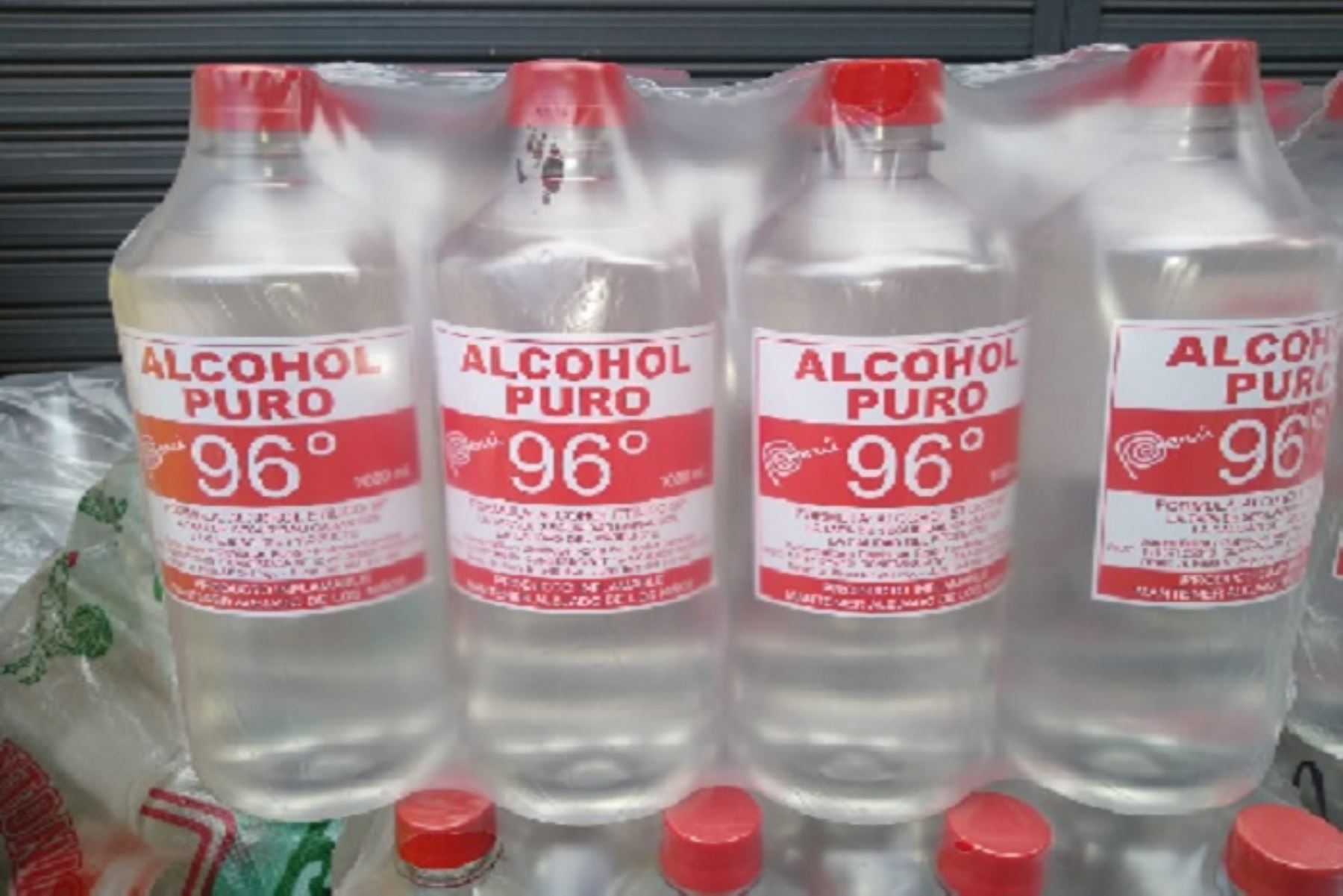
Puntas are often sold in recycled plastic bottles at local markets. While they represent a source of affordable intoxication for lower-income demographics, they also pose the highest risk for methanol contamination, a recurring public health crisis in Ecuadorian history.
The Modern Market: Industrial Dominance and Craft Evolution
As of 2026, the Ecuadorian alcohol market is bifurcated between a powerful industrial monopoly and a burgeoning, sophisticated craft sector.
The Hegemony of Industrial Lager
The beer market in Ecuador is dominated by Cervecería Nacional, a subsidiary of AB InBev. Their flagship brands, Pilsener and Club Premium, account for the vast majority of beer volume sold in the country. Pilsener is marketed as "La Biela" (the spark plug) and is synonymous with football culture and national identity.
The economic footprint of industrial brewing is substantial. It supports thousands of jobs in distribution, retail, and agriculture (barley production). Furthermore, the government relies heavily on the Impuesto a los Consumos Especiales (ICE)—a luxury tax applied to alcoholic beverages—to fund public sectors.
The Craft Beer Revolution
Over the last decade, and continuing into 2026, cities like Quito, Cuenca, and Guayaquil have seen a surge in microbreweries. This "craft revolution" has introduced IPAs, Stouts, and Porters to a palate previously accustomed only to light lagers. This sector has faced significant hurdles, including high import costs for hops and yeast and a tax structure that often favors large-scale producers. Despite this, craft beer has become a symbol of the urban middle-class lifestyle, shifting the focus from quantity-driven consumption to quality and flavor profiles.
Public Health Impacts and Statistics
The impact of alcohol on Ecuador’s public health is a primary concern for the Ministry of Public Health (MSP). According to the World Health Organization (WHO), the pattern of drinking in Ecuador is characterized by "binge drinking"—consuming large quantities in a single sitting, typically on weekends or during festivals.
Chronic Illness and Mortality
Alcohol-related liver cirrhosis remains a leading cause of death among middle-aged men in Ecuador. The MSP has noted that chronic consumption is often normalized in rural areas, leading to late-stage diagnoses. Additionally, alcohol is a major risk factor for non-communicable diseases, including cardiovascular issues and several types of cancer.
The Methanol Crisis
Ecuador has faced several "Methanol Emergencies," most notably in 2011 and more recently in the early 2020s. These incidents occur when unscrupulous producers add methyl alcohol to "puntas" to increase potency cheaply. Methanol is highly toxic; ingestion can lead to permanent blindness, organ failure, and death. Even in 2026, the government maintains strict surveillance over the sale of unbranded spirits in public markets to prevent further outbreaks.
Social Consequences and Road Safety
Beyond health, alcohol has a profound impact on the social fabric and safety of Ecuadorian citizens.
Domestic Violence and Alcohol
Studies by the National Institute of Statistics and Censuses (INEC) have consistently shown a strong correlation between alcohol abuse and gender-based violence. In many provinces, over 60% of reported domestic abuse cases involve a perpetrator who was under the influence of alcohol. This has led to social campaigns like "Cero Tolerancia," which aim to decouple the "Viernes Cultural" (Cultural Friday) tradition from excessive drinking and subsequent violence.
Traffic Accidents and the COIP
The Código Orgánico Integral Penal (COIP) sets strict limits on Blood Alcohol Content (BAC). For private vehicle drivers, the limit is 0.3 grams per liter. Exceeding this limit results in tiered penalties:
- 0.3 to 0.8 g/l: Fine of one basic salary and 5 days in prison.
- 0.8 to 1.2 g/l: Two basic salaries and 15 days in prison.
- Above 1.2 g/l: Three basic salaries and 30 days in prison.
Despite these harsh penalties, road accidents caused by drunk driving remain a leading cause of violent death in Ecuador, particularly during the holidays of Carnival and New Year’s Eve.
Legal Framework and Economic Regulation
Ecuador employs a combination of taxation and availability restrictions to control alcohol consumption.
The "Ley Seca" (Dry Law)
One of the most unique aspects of Ecuadorian alcohol regulation is the Ley Seca. During national elections and certain referendums, the sale and consumption of alcohol are strictly prohibited nationwide for approximately 36 to 48 hours. This is intended to ensure "public order" and a sober electorate. Violations result in heavy fines for both the establishment and the individual.
Taxation: The ICE System
The Impuesto a los Consumos Especiales (ICE) is a tool used by the Internal Revenue Service (SRI) to modulate consumption. Spirits with higher alcohol content are taxed at a higher rate per liter of pure alcohol. This system is designed to discourage the consumption of high-proof spirits while generating revenue. However, critics argue that excessive taxation on legal spirits drives the poorest consumers toward the unregulated and dangerous "puntas" market.
| Beverage Type | Common ABV | Primary Consumer Base | Regulatory Concern |
|---|---|---|---|
| Industrial Beer | 4.0% - 5.0% | General population, youth | Binge drinking, road accidents |
| Aguardiente (Legal) | 30% - 40% | Social events, various classes | Chronic liver disease |
| Puntas (Illegal) | 40% - 60% | Rural/Lower-income | Methanol poisoning, fatality |
| Chicha | 2% - 12% | Indigenous communities | Sanitation and hygiene standards |
| Craft Beer | 5% - 9% | Urban middle class, tourists | High price points, market barriers |
Economic Impact of the Alcohol Industry
The alcohol industry is a major pillar of the Ecuadorian economy. In 2026, the sector contributes approximately 2% to the national GDP when considering the entire value chain—from grain and cane farmers to retailers and the hospitality industry.
Tourism, a vital sector for Ecuador, is also closely linked to alcohol. The Galápagos Islands and the Amazon rainforest lodges offer premium Ecuadorian spirits and beers to international travelers, positioning "Ecuadorian Gin" and "Andean Vodka" as emerging high-value exports. The growth of "gastronomic tourism" has seen traditional drinks like Canelazo (a hot cinnamon and aguardiente drink) become staple experiences for visitors to Quito’s historic center.
Mitigation and Public Policy
To combat the negative impacts, the Ecuadorian government and various NGOs have implemented several strategies:
- Labeling Requirements: All alcoholic beverages must carry the warning: "El consumo excesivo de alcohol es perjudicial para la salud" (Excessive consumption of alcohol is harmful to your health).
- Sale Hour Restrictions: Municipalities regulate the hours during which liquor stores (licorerías) and supermarkets can sell alcohol, typically cutting off sales earlier on Sundays.
- Educational Programs: School-based initiatives focus on delaying the age of first consumption, as early onset drinking is a significant predictor of future dependency in the Ecuadorian population.
Common Questions Regarding Alcohol in Ecuador
Can you drink alcohol in public in Ecuador?
Generally, drinking in public spaces like parks, sidewalks, or inside vehicles is prohibited by municipal ordinances in most major cities, including Quito and Guayaquil. While enforcement can vary, police have the authority to confiscate the alcohol and issue fines. During major festivals, these rules are often relaxed, but the official law remains restrictive.
What is the legal drinking age in Ecuador?
The legal age for purchasing and consuming alcohol in Ecuador is 18 years old. Establishments are required by law to check IDs, though enforcement in small, family-owned "tiendas" can be inconsistent. In high-end bars and supermarkets, ID checks are strictly performed.
Is it safe to drink "puntas" or moonshine?
It is strongly recommended to avoid unbranded or home-distilled spirits (puntas) purchased in informal settings. While many are produced traditionally without issue, the risk of methanol contamination is a persistent reality. Always look for a Registro Sanitario (Sanitary Registry) number on the label, which ensures the product has been inspected and approved by health authorities.
What is "Canelazo" and is it strong?
Canelazo is a traditional hot beverage from the highlands, made with water boiled with cinnamon (canela), sugar (panela), and fruit juice (usually naranjilla). A shot of aguardiente is added at the end. While the alcohol content is diluted by the juice and water, the heat and sugar can make the effects felt more quickly. It is considered a cultural staple for cold Andean nights.
How does the "Ley Seca" affect tourists?
During the Ley Seca, tourists are also subject to the law. Hotels may be restricted from serving alcohol to guests, and all bars and liquor stores will be closed. If you are traveling during an election weekend, it is advisable to check the specific dates, as the ban usually begins at noon on the Friday before a Sunday election and ends on the following Monday.
Practical Recommendations for Residents and Travelers
For those navigating the alcohol landscape in Ecuador, the safest approach is to consume products with a verified Registro Sanitario. When exploring the vibrant craft beer scene, support local breweries in Quito or Cuenca that follow rigorous safety standards. If you are attending a traditional festival where chicha or aguardiente is served, observe the local customs of moderation and ensure the beverage is sourced from a reputable community leader.
For residents, understanding the COIP regulations regarding drunk driving is essential, as the "zero tolerance" approach in 2026 means that even a single drink could potentially put you over the legal limit for commercial or heavy-vehicle driving. Always utilize the growing network of ride-sharing apps available in major cities to ensure safety after a night out.