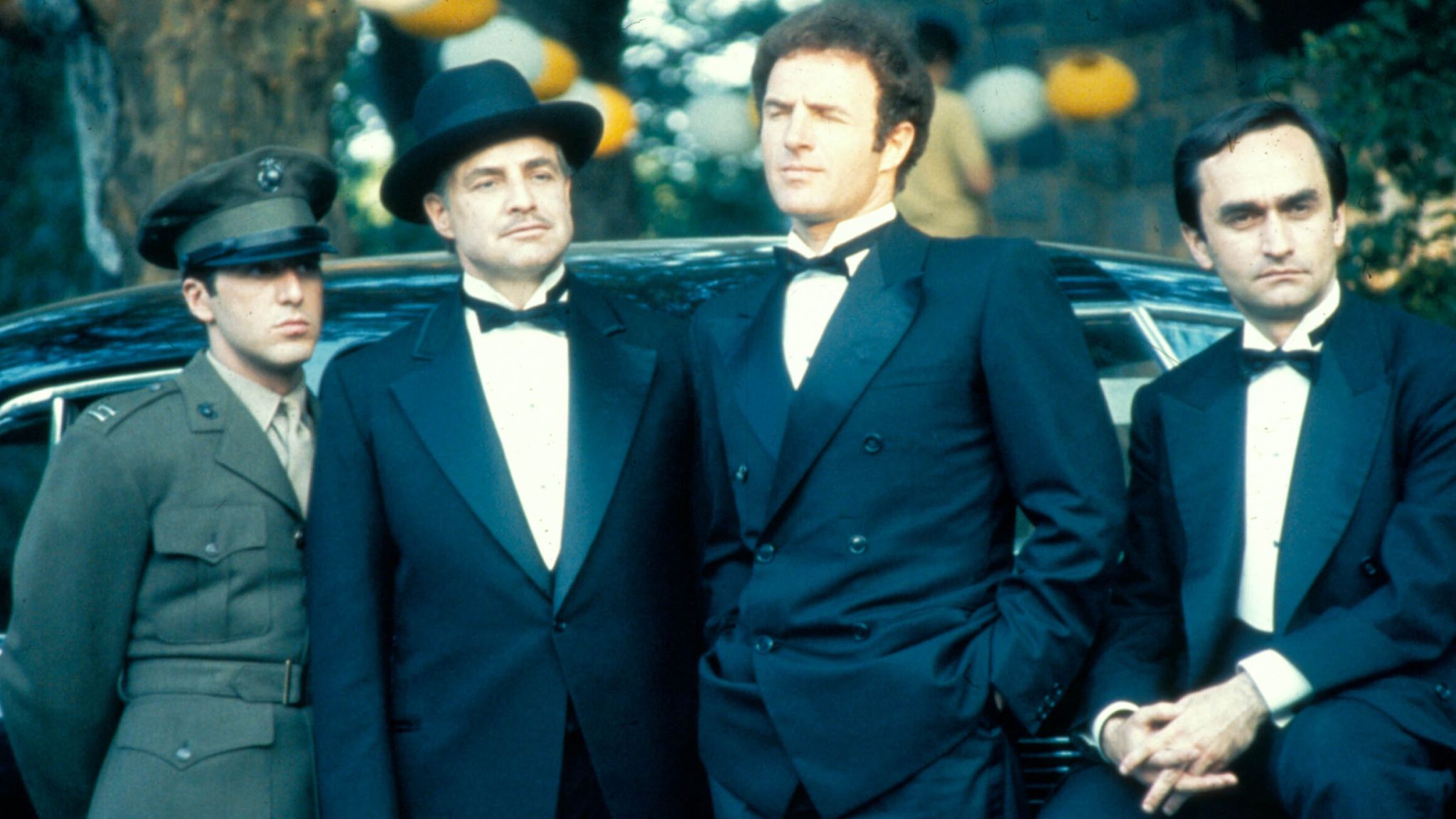
Albert S. Ruddy was a prolific Canadian-born American producer whose career spanned over five decades, earning him two Academy Awards for Best Picture for The Godfather (1972) and Million Dollar Baby (2004). Known for his grit, negotiation skills, and ability to shepherd "impossible" projects to the screen, his filmography includes iconic titles like The Longest Yard and The Cannonball Run.
Across his storied career, Al Ruddy established himself as one of the most versatile and resilient figures in Hollywood. From creating hit television sitcoms to producing some of the most critically acclaimed dramas in cinematic history, his work reflects a deep understanding of both commercial appeal and artistic excellence. As of 2026, his legacy continues to be studied by aspiring producers through his extensive body of work and the dramatized accounts of his life, most notably in the series The Offer.
The Genesis of a Maverick: Early TV and Hogan’s Heroes
Before becoming a titan of the silver screen, Albert S. Ruddy began his career in a field seemingly far removed from entertainment: architecture. After graduating from the University of Southern California and working for the housing firm of Manson Bennett, he transitioned into the entertainment industry by writing for television. His first major breakthrough was not a sweeping drama, but a controversial and high-concept sitcom.
In 1965, Ruddy co-created Hogan’s Heroes with Bernard Fein. The show was an immediate gamble, set in a German prisoner-of-war (POW) camp during World War II. Despite the sensitive nature of the setting, Ruddy’s instincts for character-driven comedy paid off. The show ran for six seasons on CBS and became a staple of American television syndication. It demonstrated Ruddy's ability to find humor and humanity in unlikely places—a skill that would later serve him well when negotiating with real-world difficult personalities.
The success of Hogan’s Heroes provided Ruddy with the industry capital needed to move into feature films. He produced his first film, Wild Seed, in 1965, followed by Little Fauss and Big Halsy in 1970 starring Robert Redford. These early projects established his reputation as a "hands-on" producer who wasn't afraid to get his boots on the ground during production.
Producing The Godfather: The Making of a Legend
The most significant chapter in the history of Albert S. Ruddy movies and TV shows is undoubtedly the production of The Godfather. In the early 1970s, Paramount Pictures was a struggling studio, and Mario Puzo’s novel was a bestseller that many felt could not be successfully adapted for the screen. Ruddy was chosen to produce the film because of his reputation for being able to "handle" difficult situations.
The production of The Godfather was famously fraught with obstacles:
- The Studio: Paramount executives were skeptical of director Francis Ford Coppola and the casting of Marlon Brando and Al Pacino.
- The Budget: Ruddy had to manage a tight budget for a film that the studio didn't initially believe would be a massive hit.
- The Mafia: The Italian-American Civil Rights League, led by Joe Colombo, campaigned against the film. Ruddy famously met with Colombo and reached an agreement to remove the word "Mafia" from the script in exchange for the league’s support, a move that nearly got him fired by Paramount but ultimately allowed production to proceed.
When The Godfather swept the 1973 Academy Awards, Ruddy took home the Oscar for Best Picture. This victory solidified his place in Hollywood history, though he did not return for the sequels, preferring to pursue new and diverse projects that challenged his logistical capabilities.
The Burt Reynolds Era: Sports, Comedy, and Commercial Gold
Following the prestige of The Godfather, Ruddy pivoted toward high-energy commercial cinema. His collaboration with actor Burt Reynolds resulted in some of the most culturally significant films of the 1970s and early 1980s.
The Longest Yard (1974)
Ruddy wrote the story for and produced The Longest Yard, a gritty sports comedy-drama starring Reynolds as a disgraced NFL quarterback who leads a team of inmates against the prison guards. The film was a massive commercial success and showcased Ruddy’s talent for blending tough, masculine themes with broad audience appeal. The film's influence was so lasting that it was remade twice, with Ruddy serving as executive producer on the 2005 version starring Adam Sandler.
The Cannonball Run (1981)
In 1981, Ruddy produced The Cannonball Run, an ensemble comedy inspired by a real-life cross-country outlaw road race. Featuring a star-studded cast including Burt Reynolds, Roger Moore, Farrah Fawcett, and Jackie Chan, the film was a global box-office sensation. While it didn't win over critics the way his earlier dramas did, it cemented Ruddy's status as a producer who could deliver "pure entertainment" that translated into massive revenue.
The Second Oscar: Million Dollar Baby
Most producers find their peak in their 40s or 50s, but Al Ruddy achieved a rare "second act" in his 70s. For years, Ruddy had been trying to get a small, intimate boxing drama based on the short stories of F.X. Toole off the ground. After being rejected by nearly every major studio in Hollywood, he partnered with Clint Eastwood and Tom Rosenberg.
Million Dollar Baby (2004) became a late-career masterpiece for Ruddy. Starring Eastwood, Hilary Swank, and Morgan Freeman, the film was both a critical darling and a commercial success, grossing over $216 million. At the 77th Academy Awards, Ruddy won his second Best Picture Oscar. This achievement placed him in an elite group of producers to win the top prize for films released decades apart, proving that his eye for talent and narrative had not diminished with age.
Comprehensive Filmography: Albert S. Ruddy Movies and TV Shows
The following table provides a chronological overview of Ruddy's most significant contributions to film and television. This list highlights his dual roles as a producer and writer across various genres.
| Year | Title | Primary Role | Format |
|---|---|---|---|
| 1965–1971 | Hogan's Heroes | Co-Creator / Producer | TV Series |
| 1965 | Wild Seed | Producer | Movie |
| 1970 | Little Fauss and Big Halsy | Producer | Movie |
| 1972 | The Godfather | Producer | Movie |
| 1974 | The Longest Yard | Producer / Story | Movie |
| 1975 | The Coonskin | Producer | Movie |
| 1981 | The Cannonball Run | Producer | Movie |
| 1982 | Megaforce | Producer / Writer | Movie |
| 1984 | Lassiter | Producer | Movie |
| 1984 | Cannonball Run II | Producer / Writer | Movie |
| 1993–2001 | Walker, Texas Ranger | Executive Producer / Developer | TV Series |
| 1994 | Bad Girls | Producer / Story | Movie |
| 2004 | Million Dollar Baby | Producer | Movie |
| 2005 | The Longest Yard (Remake) | Executive Producer | Movie |
| 2006 | Cloud 9 | Producer / Writer | Movie |
| 2011 | Camille | Producer | Movie |
| 2019 | The Outpost | Executive Producer | Movie |
| 2021 | Cry Macho | Producer | Movie |
| 2022 | The Offer | Subject / Executive Producer | TV Limited Series |
Television and Late-Career Contributions
While film was his primary medium, Ruddy’s impact on television remained significant long after Hogan’s Heroes. He played a pivotal role in the development and executive production of Walker, Texas Ranger (1993–2001), starring Chuck Norris. The show was a staple of the Saturday night lineup on CBS for nearly a decade, demonstrating Ruddy’s ability to tap into the "Americana" ethos that resonated with a broad viewer base.
In the final decade of his life, Ruddy remained active. He produced the 2019 war film The Outpost, which received critical acclaim for its realistic depiction of the Battle of Kamdesh. His final credited film production was Cry Macho (2021), reunited him with longtime friend and collaborator Clint Eastwood.
The Offer: A Meta-Legacy
In 2022, the Paramount+ limited series The Offer introduced a new generation to Albert S. Ruddy. Portrayed by Miles Teller, the series focused on Ruddy’s harrowing experience producing The Godfather. While dramatized, the series accurately captured Ruddy’s reputation as a problem-solver who could bridge the gap between volatile artistic directors and cold-blooded studio executives. Ruddy served as an executive producer on the series, essentially overseeing the dramatization of his own life story.
The Production Philosophy of Albert S. Ruddy
To understand the success of Albert S. Ruddy movies and TV shows, one must look at his "scrapper" philosophy. Unlike many modern producers who operate from corporate offices, Ruddy was known for being on the set every day. He believed that a producer's job was to "protect the film" at all costs—protecting the director from the studio, the actors from themselves, and the production from outside interference.
Key tenets of his approach included:
- Direct Negotiation: Ruddy rarely used intermediaries. Whether it was the Mafia or a disgruntled lead actor, he preferred face-to-face meetings to resolve conflicts.
- Commercial Realism: He was never a "starry-eyed" artist. He understood that movies were a business, often saying that he produced "movies people actually wanted to see," whether that was a sophisticated drama like The Godfather or a fun romp like The Cannonball Run.
- Persistence: The 30-year journey to get Million Dollar Baby made is a testament to his refusal to take "no" for an answer when he believed in a script.
Frequently Asked Questions
Which movies won Albert S. Ruddy an Oscar?
Albert S. Ruddy won the Academy Award for Best Picture for The Godfather (1972) and Million Dollar Baby (2004). He is one of a very small group of producers to win Best Picture for films produced in different decades, showcasing his longevity in the industry.
Was Albert S. Ruddy involved in all The Godfather movies?
No. While Ruddy was the primary producer for the first Godfather film, he was not the producer for The Godfather Part II or The Godfather Part III. After the first film, he moved on to other projects, although his impact on the franchise's inception remains his most famous contribution.
What was Al Ruddy’s relationship with Clint Eastwood?
Ruddy and Clint Eastwood had a long-standing professional and personal friendship. Their most successful collaboration was Million Dollar Baby. Toward the end of Ruddy's life, they worked together again on Cry Macho (2021). Both men shared a similar "old school" approach to filmmaking—efficient, decisive, and focused on the work rather than the Hollywood spectacle.
Did Al Ruddy really negotiate with the Mafia for The Godfather?
Yes, this is a well-documented historical fact. Ruddy met with Joe Colombo of the Italian-American Civil Rights League to address concerns that the film would disparage Italians. Ruddy agreed to remove specific derogatory terms from the script and invited league members to work as extras and consultants. This allowed the film to be shot on location in New York without harassment.
Is the TV show The Offer accurate?
The Offer is a dramatization based on Al Ruddy’s personal recollections of making The Godfather. While it takes creative liberties with timelines and certain character interactions for dramatic effect, it captures the general atmosphere of the production and the major challenges Ruddy faced, including the pressure from studio head Robert Evans and the threats from organized crime.
Final Recommendations for Viewers
To truly appreciate the breadth of Albert S. Ruddy's career, a chronological viewing approach is recommended. Start with the 1972 classic The Godfather to see his peak prestige work, followed by The Longest Yard (1974) to understand his mastery of the commercial "tough-guy" genre. To see how his style evolved into emotional maturity, Million Dollar Baby is essential viewing. Finally, watching The Offer (2022) provides a fascinating, if stylized, "behind the curtain" look at the man himself, providing context for the immense effort required to produce the films that defined 20th-century American cinema.