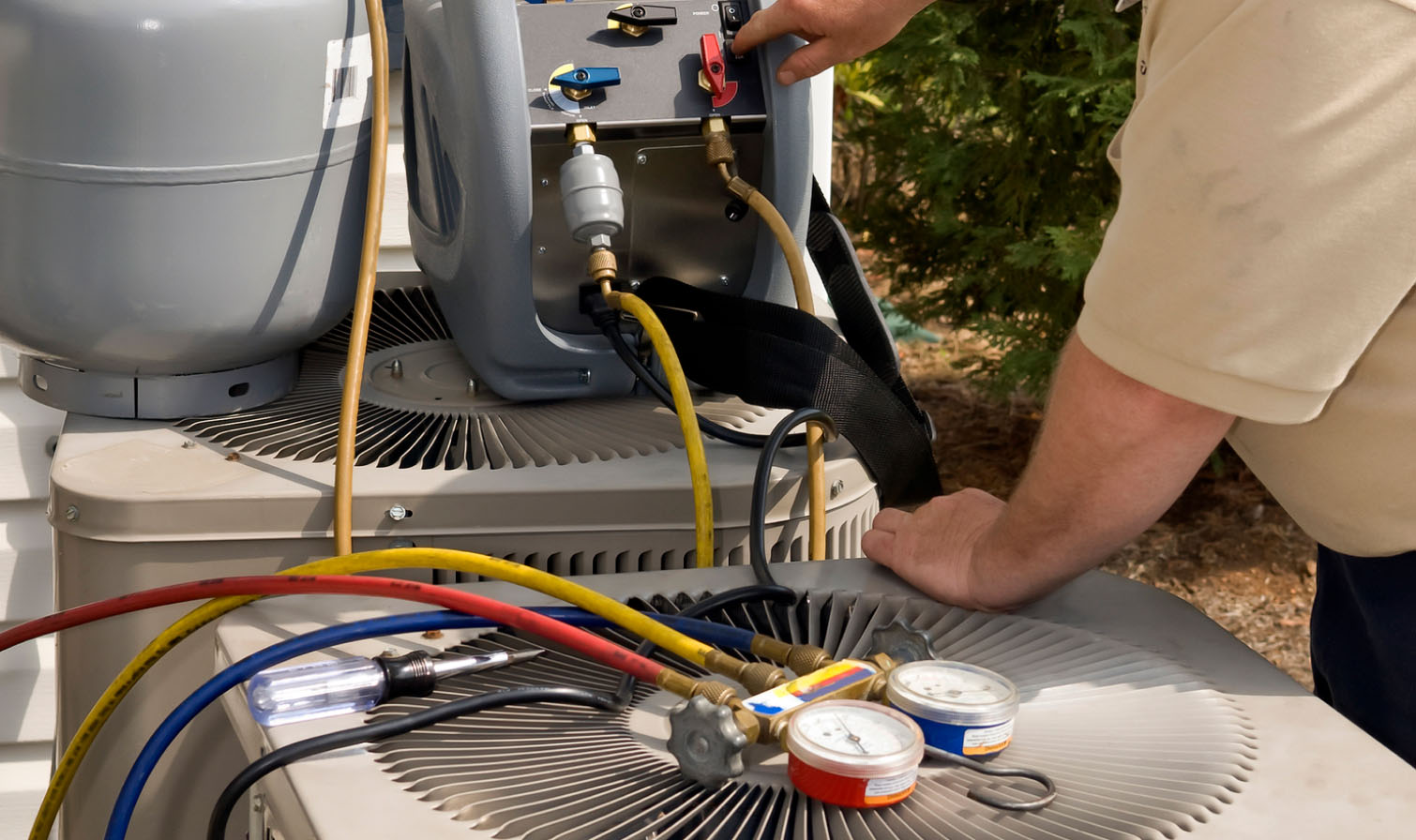
In Flower Mound, TX, professional air conditioning repair is essential for maintaining home safety and comfort during the extreme North Texas heat. Residents should utilize licensed HVAC technicians to resolve common issues such as refrigerant leaks, electrical failures, and airflow obstructions. Prompt repair prevents minor mechanical faults from escalating into total system failures during the peak summer months.
The Critical Need for Professional AC Repair in the North Texas Climate
Flower Mound, located in the heart of the Dallas-Fort Worth Metroplex, experiences a humid subtropical climate characterized by prolonged, intense summers. By 2026, climate patterns have continued to challenge residential cooling systems, with temperatures frequently exceeding 100°F for weeks at a time. In this environment, an air conditioning system is not a luxury; it is a critical piece of home infrastructure that manages both temperature and indoor humidity levels.
When a system fails in North Texas, the indoor temperature can rise to dangerous levels within hours. This creates risks for elderly residents, pets, and children. Furthermore, high humidity levels can lead to secondary issues such as mold growth and structural damage if the AC's dehumidification function is compromised. Professional repair services in Flower Mound focus on restoring the "refrigeration cycle"—the process of removing heat from the indoor air and transferring it outside—ensuring the system operates at peak efficiency to manage these heavy thermal loads.
Understanding Flower Mound’s Humidity and Heat Loads
The cooling demand in Flower Mound is split into two categories: sensible heat (temperature) and latent heat (humidity). A malfunctioning AC unit may successfully lower the temperature but fail to remove moisture, leaving the home feeling "clammy." This is often due to an improperly sized system or a dirty evaporator coil. Technicians must calibrate systems specifically for the North Texas "heat island" effect, where suburban development retains heat longer into the evening, requiring systems to run for extended cycles.
Common Air Conditioning Problems in Flower Mound Homes
Residential HVAC systems are complex mechanical and electrical assemblies. In the local Flower Mound area, specific environmental factors—such as wind-blown debris, high pollen counts, and volatile weather—contribute to predictable failure points.
1. Capacitor and Electrical Component Failure
The most frequent service call in Flower Mound involves the start or run capacitor. These small, cylindrical components store electricity to provide the "jolt" needed to start the compressor and fan motors. Texas heat causes these components to overheat and fail. If you hear a humming sound coming from your outdoor unit but the fan isn't spinning, a blown capacitor is the likely culprit.
2. Refrigerant Leaks and the 2026 Regulatory Shift
Refrigerant is the medium that carries heat out of your home. By 2026, the industry has largely transitioned to newer, low-GWP (Global Warming Potential) refrigerants like R-454B and R-32. However, many Flower Mound homes still operate on R-410A systems. Leaks in the evaporator or condenser coils not only reduce cooling capacity but also increase energy consumption as the compressor works harder to compensate for the loss of pressure.
3. Clogged Condensate Drain Lines
In high-humidity regions, your AC removes gallons of water from the air daily. This water exits through a primary drain line. Over time, algae and sediment can clog these pipes. Without a functioning float switch (a safety device that shuts off the AC when water backs up), a clog can lead to significant water damage to ceilings and flooring.
4. Frozen Evaporator Coils
A frozen coil is counterintuitive—how can a unit freeze in 100-degree weather? This typically happens due to restricted airflow (dirty filters) or low refrigerant levels. When the pressure in the coil drops too low, the temperature falls below freezing, causing moisture to turn into ice. This physically blocks airflow and can eventually "slug" the compressor with liquid refrigerant, leading to a catastrophic and expensive failure.
2026 Cost Analysis for AC Repairs in Flower Mound
The cost of AC repair in Flower Mound varies based on the age of the unit, the specific part required, and the urgency of the service. In 2026, labor rates in North Texas reflect the high demand for skilled trades.
| Repair Type | Estimated Cost (2026) | Typical Duration | Complexity |
|---|---|---|---|
| Diagnostic/Service Call | $95 – $175 | 1 Hour | Low |
| Capacitor Replacement | $250 – $450 | 1 Hour | Moderate |
| Contactor Replacement | $200 – $400 | 1 Hour | Moderate |
| Blower Motor Repair | $600 – $1,200 | 2–3 Hours | High |
| Refrigerant Recharge (per lb) | $150 – $300 | 1–2 Hours | High |
| Condensate Pump Replacement | $300 – $550 | 1–2 Hours | Moderate |
| Evaporator Coil Replacement | $2,500 – $4,500 | 4–6 Hours | Very High |
Note: Prices are estimates based on standard 2026 market rates in the Flower Mound area and include both parts and labor.
How to Choose a Licensed HVAC Contractor in Flower Mound
Texas has strict regulations governing HVAC work to protect homeowners from fraud and safety hazards. When seeking air conditioning repair in Flower Mound, residents must verify that the contractor meets the standards set by the Texas Department of Licensing and Regulation (TDLR).
Verifying Licensing and Insurance
A legitimate contractor must hold a Texas ACR (Air Conditioning and Refrigeration) license. There are two main classes:
- Class A: Allows the contractor to work on any size unit.
- Class B: Limits the contractor to cooling systems of 25 tons or less (standard for most residential homes).
Always ask for the contractor’s license number and verify it on the TDLR website. Additionally, ensure the company carries general liability insurance and workers' compensation to protect your property in the event of an accident.
Local Expertise Matters
Choosing a company with a physical presence in or near Flower Mound (Denton County) is advantageous. Local technicians are familiar with the specific neighborhood challenges, such as the expansive clay soil in Flower Mound that can cause outdoor condenser pads to shift and tilt. This shifting puts stress on the copper refrigerant lines, leading to cracks and leaks that a non-local technician might overlook.
The Repair vs. Replacement Decision in 2026
One of the most difficult decisions for a homeowner is whether to repair an aging unit or invest in a new system. By 2026, the efficiency standards for new units have increased significantly, with SEER2 ratings becoming the industry benchmark.
The "5,000 Rule"
A common industry guideline used by Flower Mound technicians is the 5,000 rule. Multiply the age of the unit by the cost of the repair. If the total exceeds $5,000, replacement is usually the more economical long-term choice. For example:
- An 8-year-old unit requiring a $800 repair = $6,400 (Consider Replacement).
- A 4-year-old unit requiring a $400 repair = $1,600 (Repair the Unit).
Energy Efficiency Gains
Older units in Flower Mound may operate at 10-13 SEER. Modern units in 2026 frequently reach 18-22 SEER2. Upgrading can reduce monthly cooling costs by 30% to 50%, which is a significant factor given the rising electricity rates in the ERCOT (Electric Reliability Council of Texas) grid. Additionally, federal tax credits under the Inflation Reduction Act may still be available for high-efficiency heat pump installations, further offsetting the initial cost.
Preventive Maintenance: Avoiding Emergency Repairs
The best way to handle AC repair in Flower Mound is to prevent the need for it during the hottest weeks of July. Bi-annual maintenance is the standard recommendation for the North Texas climate.
The Spring Tune-Up Checklist
Before the first heatwave hits in May, a technician should perform the following:
- Clean Condenser Coils: Dust, cottonwood seeds, and grass clippings act as insulation, preventing the unit from releasing heat.
- Check Refrigerant Levels: Even a 10% undercharge can increase operating costs by 20%.
- Test Safety Controls: Ensure the float switch and high-pressure cut-off are functional.
- Inspect Ductwork: In many Flower Mound homes, ductwork in the attic can become detached or develop leaks, leading to "conditioned air" being wasted in the attic space.
Homeowner Responsibilities
Homeowners should change their air filters every 30 to 90 days. In Flower Mound, where seasonal pollen counts for ragweed and oak are high, a high-MERV filter (Minimum Efficiency Reporting Value) is recommended to protect both the equipment and the indoor air quality. However, consult your technician to ensure your system’s blower motor can handle the static pressure of a high-efficiency filter.
Troubleshooting Common AC Issues Before Calling a Tech
Before scheduling a service call, homeowners can perform a few basic checks that might resolve the issue or provide valuable information to the technician.
- Check the Thermostat: Ensure the batteries are fresh and the setting is on "Cool" and "Auto" rather than "On" (which runs the fan constantly without cooling).
- Inspect the Breaker Panel: Sometimes a power surge during a Texas thunderstorm can trip the AC breaker. Reset it once; if it trips again, do not force it, as there is likely a short circuit.
- Examine the Outdoor Disconnect: Ensure the service switch near the outdoor unit hasn't been bumped or turned off.
- Clear the Area: Ensure at least 24 inches of clearance around the outdoor condenser unit for proper airflow.
The Future of Cooling in Flower Mound
As we move through 2026, air conditioning technology is becoming more integrated with smart home ecosystems. Variable-speed compressors, which adjust their output based on real-time demand rather than simply turning on and off, are becoming the standard in Flower Mound. These systems offer superior humidity control and operate much more quietly than traditional single-stage units.
Furthermore, many repair services now utilize "predictive maintenance" sensors. These devices monitor the electrical draw and vibration of your AC components, alerting you via a smartphone app before a part fails. This shift from reactive repair to proactive management is helping Flower Mound residents avoid the discomfort of a broken AC in the height of summer.
Frequently Asked Questions
Why is my AC running but not lowering the temperature?
In the Flower Mound area, this is often caused by a dirty outdoor condenser coil or a low refrigerant charge. If the unit cannot shed heat to the outside air, it cannot cool the inside air. Another possibility is a failing "TXV" (Thermal Expansion Valve), which regulates the flow of refrigerant into the evaporator coil. If this valve is stuck, the system will lose its cooling capacity even if the fans are spinning.
How often should I have my AC serviced in Flower Mound?
Professional servicing should occur twice a year: once in the spring before the cooling season and once in the fall before the heating season. Given the heavy workload placed on systems in North Texas, skipping even one season of maintenance can lead to a 5-15% loss in efficiency and an increased risk of mid-summer breakdowns.
Is it normal for my AC to run all day when it’s over 100 degrees?
To an extent, yes. Most residential AC systems are designed to maintain a 20-degree difference between the outdoor temperature and the indoor temperature. When it is 105°F outside, your system may run continuously to keep the home at 75°F. However, if the temperature inside is rising despite the unit running, you likely have a mechanical issue or significant air leaks in your home's envelope.
What is the most expensive part to repair on an AC unit?
The compressor is generally the most expensive component to replace. It is the "heart" of the system. If the compressor fails on a unit that is more than 10 years old, technicians usually recommend a full system replacement because the labor and part costs often approach 50% of the cost of a new, warrantied unit.
Can I perform my own AC repairs?
In Texas, most AC repairs require a license due to the handling of pressurized refrigerants and high-voltage electricity. While homeowners can change filters and clear debris from around the outdoor unit, attempting to repair electrical components or refrigerant lines is dangerous and may void your manufacturer's warranty.
Next Steps for Flower Mound Residents
If your air conditioning system is making unusual noises, leaking water, or failing to maintain your desired temperature, the first step is to shut the system off at the thermostat to prevent further mechanical damage. Immediately contact a NATE-certified, TDLR-licensed HVAC contractor specializing in the Flower Mound area. Request a comprehensive diagnostic report that includes a pressure check and an electrical component test to ensure a long-lasting repair.