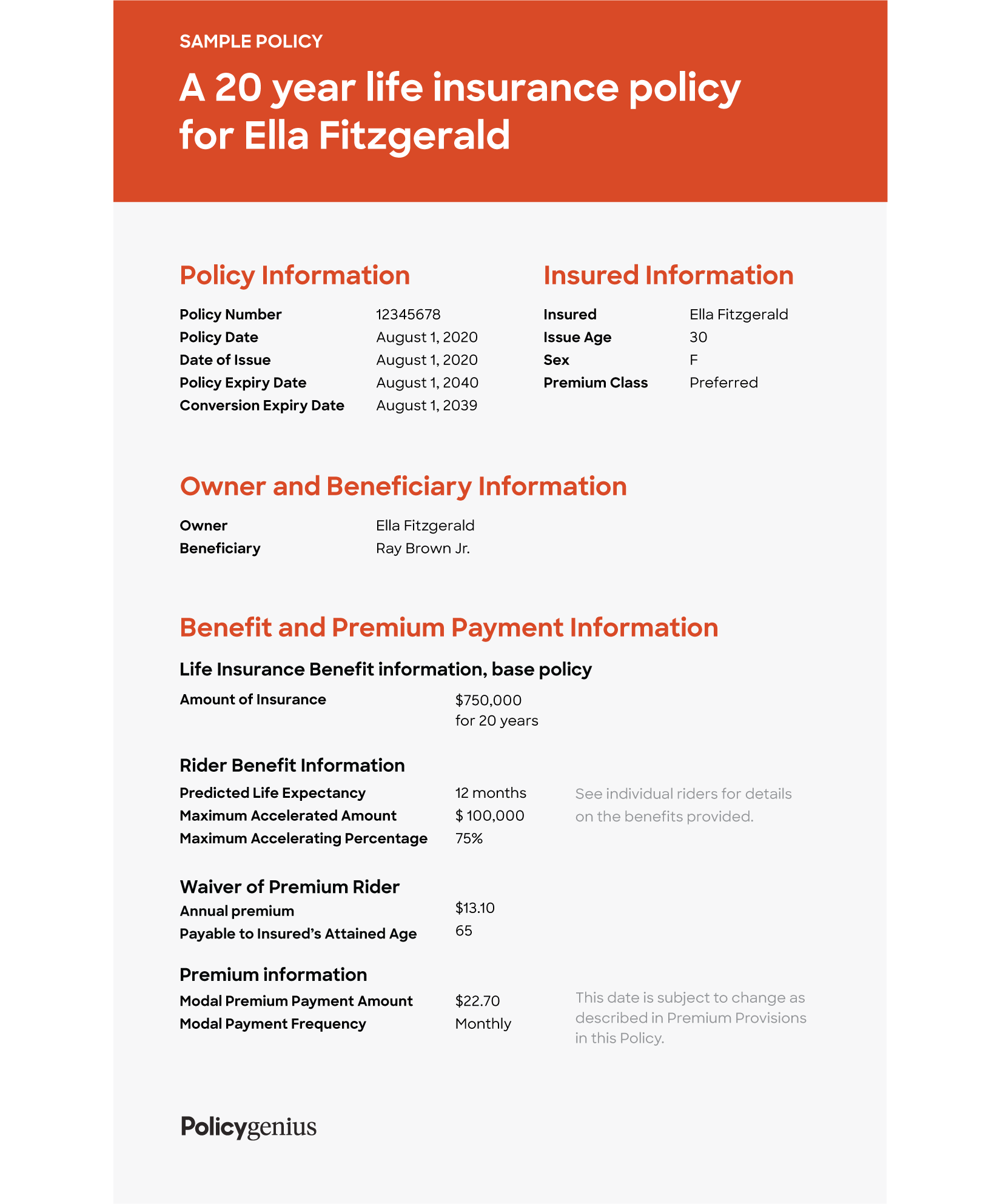
An American Income Life (AIL) life insurance policy is a supplemental insurance product primarily marketed to labor unions, credit unions, and various associations. These policies generally function as individual term or whole life contracts, often designed to provide basic death benefit coverage, with a focus on ease of enrollment through workplace or association-based outreach programs.
Understanding the Role of American Income Life
American Income Life, a subsidiary of Globe Life Inc., occupies a specific niche within the insurance industry. Unlike carriers that rely heavily on digital self-service platforms or independent brokerages, AIL traditionally utilizes a direct sales force. This model involves agents who typically work with members of unions and associations to discuss supplemental benefit packages.
When evaluating an AIL life insurance policy, it is essential to distinguish between the various product types offered. While the company is well-known for its involvement with labor organizations, the actual policies are legally distinct contracts between the policyholder and the insurance company. These contracts are subject to the same regulatory oversight, financial underwriting, and legal requirements as any other state-licensed life insurance policy in the United States.
The Mechanism of Enrollment and Outreach
A defining feature of the AIL experience is the "needs analysis" conducted during a personal or virtual interview. During this process, an agent gathers information regarding the applicant's financial situation, existing coverage, and long-term goals.
It is important for prospective policyholders to recognize that the agent’s role is both to provide information and to facilitate the sale. Because the enrollment process is often initiated through an organizational partnership, many applicants perceive these policies as employer-provided benefits. However, in most cases, an AIL life insurance policy is an individual policy owned by the member, meaning the member is responsible for the premiums, and the coverage generally remains in force regardless of changes in employment, provided premiums are paid.
Types of Policies Offered by American Income Life
AIL offers a range of life insurance products, though their availability depends on state-specific regulations and individual underwriting. Understanding these classifications is critical to determining if a policy aligns with your financial strategy.
1. Term Life Insurance
Term life insurance provides coverage for a specified period, such as 10, 20, or 30 years. If the insured passes away during the term, the beneficiaries receive the death benefit. These policies are generally the most affordable option, as they do not include a cash-value component. They are often utilized by families looking for high coverage levels during peak financial years, such as while children are young or a mortgage is active.
2. Whole Life Insurance
Whole life insurance is a type of permanent insurance that covers the insured for their entire life, provided premiums are paid. These policies include a "cash value" component that grows over time on a tax-deferred basis. The premiums for whole life insurance are significantly higher than term life because they are designed to cover the cost of insurance for a lifetime and include a savings element.
3. Supplemental Coverage
Beyond standard life products, AIL often markets supplemental policies, including accident and health riders. These are designed to pay out in the event of specific occurrences—such as hospitalization or accidental death—rather than standard mortality. These riders are meant to fill gaps in primary coverage but should not be viewed as a substitute for comprehensive major medical insurance.
Financial Considerations and Cost Structure
The cost of an AIL policy is determined by standard actuarial factors, including the applicant’s age, health status, smoking status, and the chosen face amount of the policy.
- Premium Frequency: AIL policies often allow for various payment schedules, including monthly or annual installments. Automatic bank drafts are a common method of payment to ensure continuous coverage.
- Underwriting: Depending on the policy type and the coverage amount, the underwriting process may range from simplified issue—which requires limited medical information—to fully underwritten policies that require medical examinations and health history reviews.
- Cost vs. Value: Because AIL often targets association members, the convenience of the sign-up process is a key selling point. However, prospective buyers should compare the premiums and coverage benefits against independent quotes from other carriers. Convenience should not replace an objective assessment of whether the coverage level meets your family’s actual financial needs.
Comparing AIL to Other Market Options
When shopping for life insurance, it is prudent to perform a side-by-side comparison. The following table illustrates the typical considerations for evaluating AIL against general market standards.
| Feature | AIL Life Insurance | Standard Market Alternatives |
|---|---|---|
| Sales Model | Direct Agent/Association-based | Independent Broker or Online |
| Primary Market | Union/Association Members | General Public |
| Product Focus | Supplemental/Individual | Broad Term/Universal/Whole |
| Underwriting | Varies (often simplified) | Ranges from Simplified to Full |
| Portability | Generally portable | Generally portable |
Important Steps Before Committing to a Policy
Before finalizing any life insurance agreement, there are several due diligence steps you should complete to ensure the product is appropriate for your long-term financial security.
- Verify Licensing: Ensure the agent and the company are authorized to conduct business in your specific state. You can verify this through your state’s Department of Insurance website.
- Assess Your "Why": Determine what the policy is intended to cover. Is it for final expenses, income replacement, or debt liquidation? Buying too little coverage leaves a gap; buying too much adds unnecessary premium costs.
- Read the Policy Jacket: The "policy jacket" contains the specific legal terms, exclusions, and conditions of your coverage. Review the suicide clause, contestability period, and any limitations regarding pre-existing conditions.
- Understand Riders: Be cautious about adding multiple riders. While they provide extra protection, each rider adds to the total premium. Ensure you understand exactly what event triggers a payout for each rider attached to your policy.
Troubleshooting and Managing Your Policy
If you have already secured a policy with American Income Life, ongoing management is necessary to keep the coverage in force.
- Updating Information: If you change your address, phone number, or banking details for premium payments, contact the company's administrative office promptly. Failure to update banking details is a common cause of policy lapses.
- Beneficiary Management: Review your beneficiary designations at least every two to three years or following major life events (marriage, divorce, birth of a child). Ensuring the correct parties are listed is the most important step in the claims process.
- Claims Process: In the event of a death, beneficiaries should contact the company’s claims department directly. They will require a certified copy of the death certificate and the policy number to initiate the disbursement process.
Frequently Asked Questions
Is an AIL life insurance policy mandatory for union members? No. Participation in any insurance program offered through an association or union is voluntary. You are never under an obligation to purchase an insurance policy as a condition of your membership or employment, despite the collaborative marketing efforts between these organizations.
What is the "contestability period" on these policies? Like most life insurance policies, AIL contracts usually include a contestability period, typically lasting two years. During this time, the insurance company reserves the right to investigate the medical information provided on the application. If misrepresentations are discovered, they may deny a claim or void the policy.
Can I cancel my AIL policy if I change my mind? Yes. Most states mandate a "free look" period, typically 10 to 30 days after policy delivery, during which you can return the policy for a full refund of premiums paid. After this period, you can cancel at any time, but you may not be entitled to a premium refund depending on the terms of your specific contract.
How do I know if I am over-insured? You are likely over-insured if you are paying for multiple policies with overlapping benefits. Life insurance should be calculated based on your net liabilities (mortgage, education costs, final expenses) minus your current liquid assets. If your total death benefit across all policies significantly exceeds these needs, you may be overspending on premiums.
What happens if I miss a premium payment? Most policies have a "grace period," typically 31 days, to pay an overdue premium before the policy lapses. If the payment is not made within this window, the coverage may be terminated. Always check your specific policy document for the exact length of the grace period.
Professional Guidance and Next Actions
Life insurance is a cornerstone of financial planning, but it is not a "one-size-fits-all" product. If you are currently reviewing an offer for an AIL life insurance policy, take the time to compare the proposed coverage against your existing financial plan. Do not feel pressured by the sense of urgency often associated with direct-sales appointments.
If you remain uncertain about the suitability of a policy, consider consulting with a fee-only financial planner or a certified insurance counselor. These professionals provide advice based on your specific financial profile rather than an agent's commission structure. Always maintain a file with your policy documents, contact information for the insurance company, and a clear list of your beneficiaries, and ensure that your family members know where this information is kept in the event of an emergency.