Artificial intelligence integrates with automotive customer relationship management (CRM) systems to automate lead engagement, analyze consumer behavior, and provide personalized communication at scale. By leveraging machine learning models, dealerships can bridge the gap between initial digital interaction and showroom visits, effectively refining lead scoring, inventory matching, and service department scheduling to maximize operational efficiency and sales throughput.
The Evolution of Dealership CRM Systems
Historically, automotive CRM software functioned as a digital ledger—a static repository for customer contact details, purchase history, and basic interaction logs. Sales teams relied on manual data entry and reactive follow-up strategies, which often resulted in missed opportunities due to human latency. As the retail automotive landscape shifted toward digital-first consumer journeys, the sheer volume of data generated by third-party listing sites, website inquiries, and social media platforms became too vast for manual management.
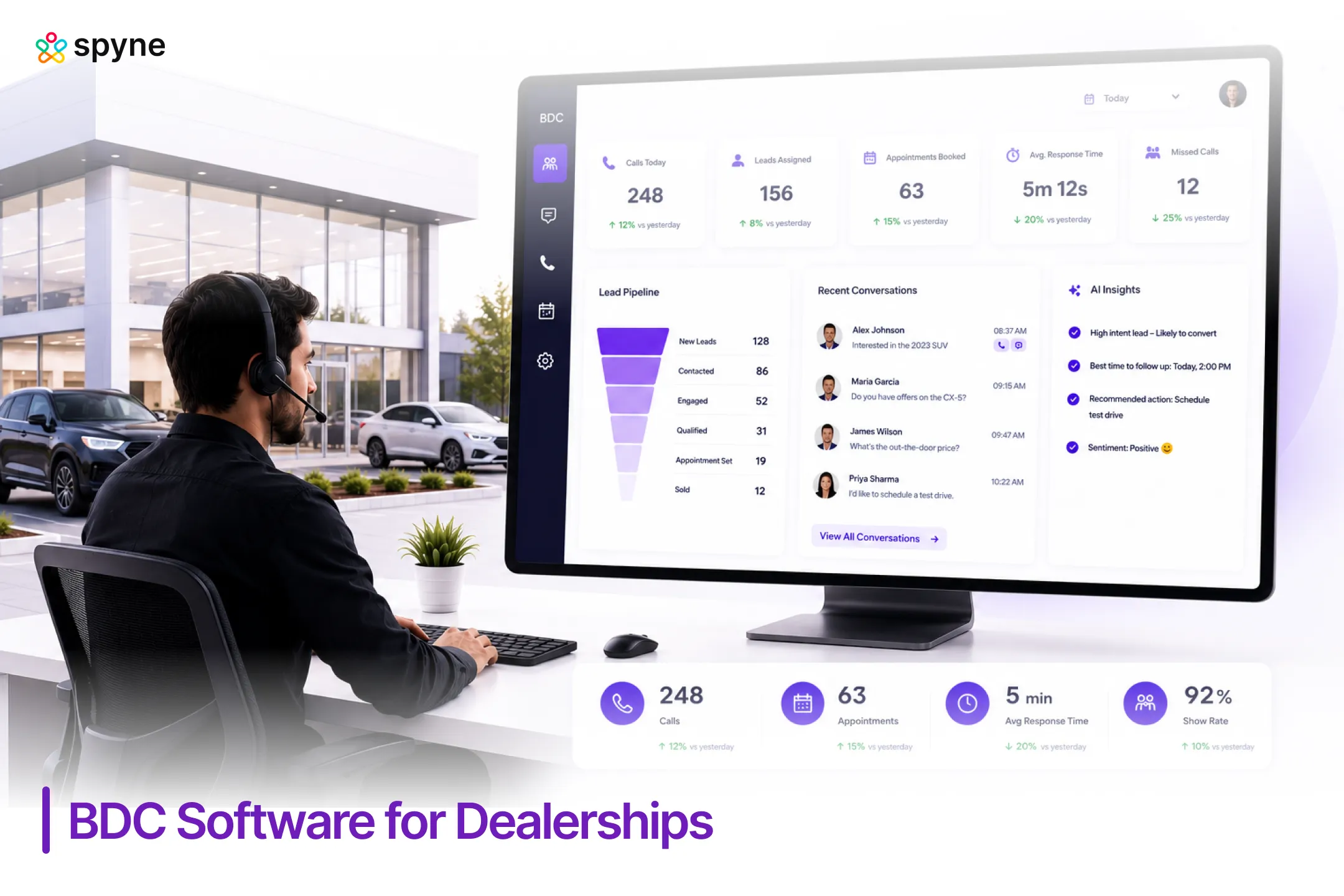
In 2026, AI-enhanced CRM platforms represent a fundamental shift from passive data storage to active, predictive intelligence. These systems utilize natural language processing (NLP) to parse incoming lead inquiries, sentiment analysis to prioritize hot leads, and predictive analytics to determine the most effective communication channel for each unique prospect. For a dealership, this means the CRM is no longer just a database; it is a virtual sales assistant that operates continuously.
Core Capabilities of AI-Driven CRM Integration
The effectiveness of AI in a dealership context relies on its ability to integrate seamlessly with existing digital infrastructure, such as Dealer Management Systems (DMS) and inventory management tools.
Automated Lead Qualification and Routing
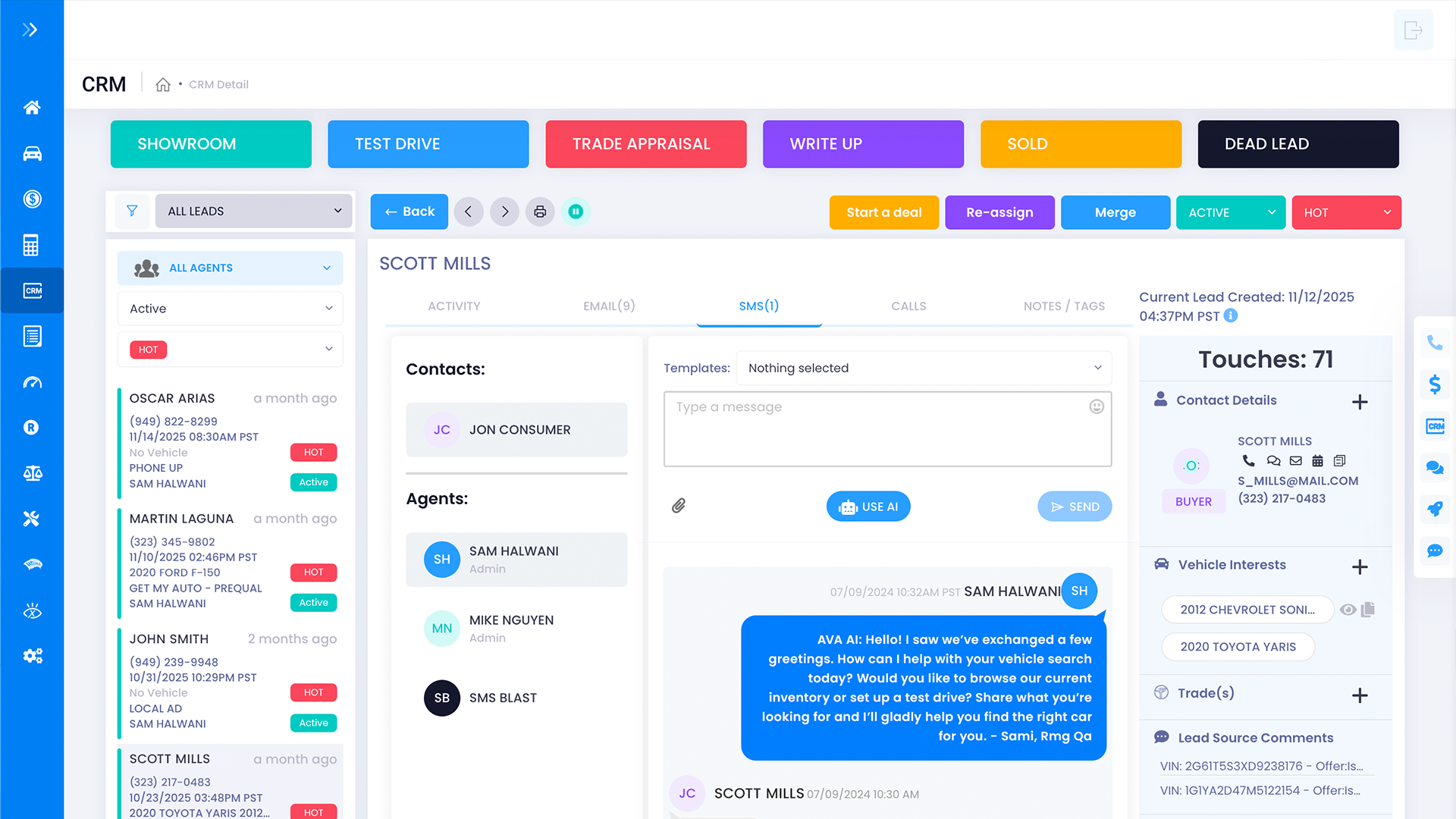
When a prospect submits an inquiry, an AI-augmented CRM processes the request in milliseconds. It cross-references the inquiry against historical data to determine the lead's intent. If a customer is looking for a specific SUV with low mileage, the AI assesses their likelihood to purchase based on current interaction patterns. The CRM then automatically assigns the lead to the sales consultant with the highest conversion rate for that specific vehicle segment, ensuring that human intervention occurs when it is most effective.
Hyper-Personalized Communication Flows
Generic email blasts are increasingly ignored by modern car buyers. AI enables a level of personalization that mimics a one-on-one relationship. By analyzing the "digital breadcrumbs" a user leaves—such as the specific vehicle trim pages visited, the time spent on finance calculators, and previous service appointments—the CRM dynamically generates content. If a customer views a hybrid model three times in two days, the AI triggers a personalized follow-up message highlighting that vehicle's fuel efficiency and current financing options rather than sending a generic inventory update.
Predictive Sentiment and Churn Analysis
AI models now track sentiment in real-time. If a customer writes a frustrated email to the service department, the CRM flags this communication as "at-risk" before a human manager even views it. This proactive alerting allows the dealership to assign a senior staff member to address the concern, effectively preventing the loss of a long-term customer.
Technical Requirements and Implementation Strategy
For dealerships considering an AI upgrade to their CRM, the barrier to entry involves more than just software procurement. Data cleanliness is the primary prerequisite. If a CRM contains duplicate records, incomplete phone numbers, or fragmented interaction histories, the AI will operate on flawed data, leading to inaccurate lead scoring and misdirected automated messaging.
Steps for Successful Deployment
- Data Sanitization: Before integrating AI modules, audit current CRM data to eliminate duplicates and standardize formatting.
- System Interoperability: Ensure the AI provider offers native integration with your specific DMS provider (e.g., CDK Global, Reynolds and Reynolds). Without a direct pipeline to transaction and inventory data, the AI cannot provide real-time updates.
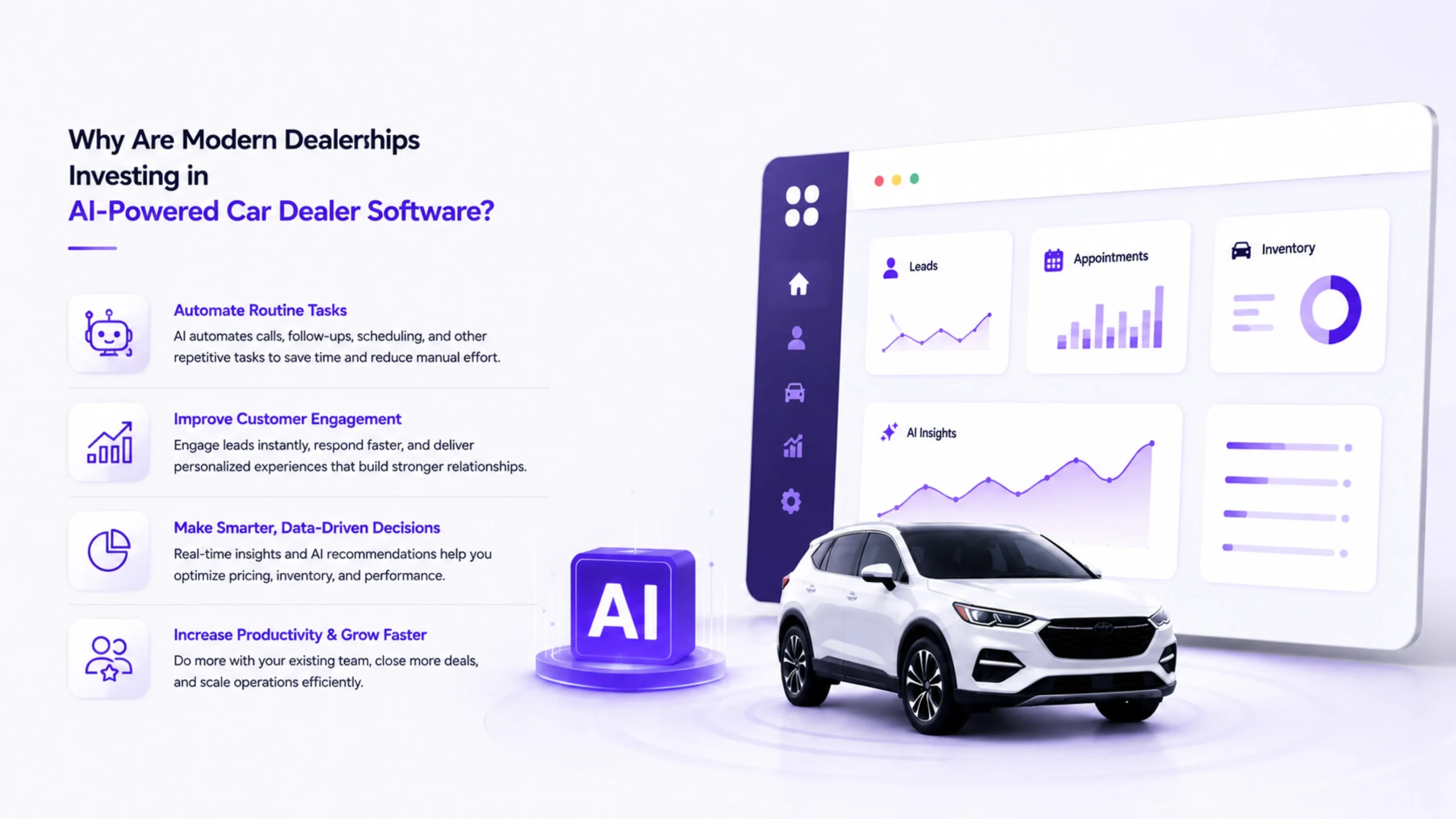
- Staff Training and Change Management: AI does not replace the sales team; it empowers them. Training should focus on how consultants can interpret the "AI insights" provided within the CRM dashboard to tailor their verbal pitch.
- Iterative Testing: Start by automating low-stakes processes, such as service appointment reminders or initial lead acknowledgments, before transitioning to high-stakes sales negotiations.
Comparing Traditional CRM vs. AI-Enhanced CRM
The following table highlights the operational differences between legacy systems and modern AI-augmented configurations in 2026.
| Feature | Traditional CRM | AI-Enhanced CRM |
|---|---|---|
| Lead Prioritization | Manual or Rules-Based (FIFO) | Predictive Scoring (Propensity-Based) |
| Communication | Static Templates | Dynamic, Generative Content |
| Data Processing | Batch updates | Real-time stream processing |
| Response Latency | Human-dependent | Immediate (24/7 coverage) |
| Insight Generation | Descriptive (What happened?) | Prescriptive (What should we do?) |
Overcoming Operational Challenges
While the promise of AI is significant, dealerships must remain aware of potential limitations. Over-automation can lead to a "robotic" customer experience if not carefully managed. It is vital to maintain a "human-in-the-loop" protocol for complex negotiations. Furthermore, privacy remains a paramount concern. Dealerships must ensure that any AI tool utilized complies with state-specific data protection regulations regarding the processing of consumer financial and personal identifiable information (PII).
Additionally, the cost of these systems can be substantial. Beyond the licensing fees, dealerships must account for ongoing maintenance and potential service fees associated with API connections to third-party data providers. A return-on-investment (ROI) analysis should focus on the reduction in "cost-per-acquisition" rather than just software subscription costs.
Frequently Asked Questions
Does AI replace the need for BDC staff?
No, AI does not replace the Business Development Center (BDC) staff; it acts as a force multiplier. It handles the mundane tasks—initial responses, appointment scheduling, and lead nurturing—allowing BDC personnel to focus on high-value conversations that require emotional intelligence and complex problem-solving.
How does AI handle the complexities of automotive financing?
AI-enhanced CRMs integrate with credit-pulling tools and lender portals to provide preliminary financing assessments. By analyzing the customer’s profile against current lending rates, the system can suggest feasible finance packages, reducing the time spent in the F&I (Finance and Insurance) office.
What is the biggest risk of implementing AI in a dealership?
The primary risk is poor data integration. If the AI is not properly trained on the dealership's specific inventory and business rules, it may provide irrelevant recommendations or trigger incorrect automated messages, which can damage the dealership’s reputation and customer trust.
Can AI help with service department retention?
Yes, AI is highly effective in the service lane. It analyzes the mileage and maintenance cycles of sold vehicles to send personalized service reminders. By predicting when a customer is likely to need an oil change or tire rotation based on their driving history, the CRM maintains a consistent touchpoint that keeps the customer returning to the dealership for service rather than an independent shop.
Is specialized hardware required to run AI CRM tools?
Generally, no. Most modern AI-driven CRM solutions for automotive retail are cloud-based (SaaS). The "processing power" occurs on the provider's servers, meaning the dealership only needs high-speed internet and standard terminal hardware to access the web-based dashboards.
Recommendations for Implementation
Dealership owners and managers should begin by identifying the "bottlenecks" in their current sales funnel. If your dealership struggles with speed-to-lead, prioritize AI tools that focus on automated response and qualification. If your issue is service retention, seek modules specifically designed for predictive maintenance marketing.
Before committing to a multi-year contract, request a pilot program that allows you to integrate the AI on a small subset of your leads. Monitor the metrics closely for 90 days, focusing on the conversion rate from inquiry to appointment and the percentage of "lead-to-show" ratio. By focusing on data cleanliness first and operational impact second, you can effectively leverage AI to transform your CRM from an administrative burden into a robust engine for sustainable growth.