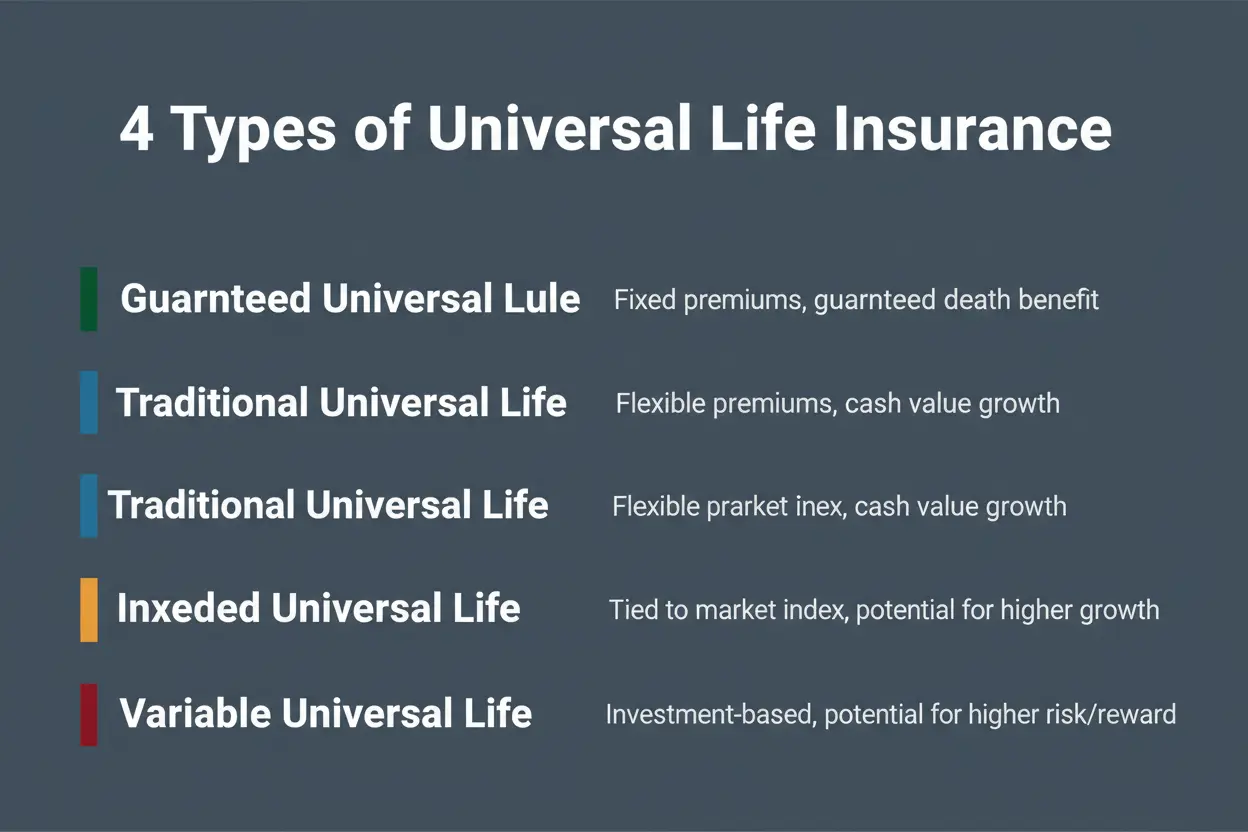
A variable universal life insurance policy offers permanent death benefit protection combined with a flexible cash value component that can be invested in various sub-accounts, providing the potential for significant financial growth alongside permanent coverage, tax-advantaged accumulation, and customizable premium payment structures.
Navigating the landscape of permanent life insurance requires an understanding of how distinct financial tools function. Among the various permanent life products available, a variable universal life (VUL) insurance policy stands out due to its dual nature: it provides a lifetime death benefit while incorporating a cash value account tied directly to market-based investment options. For high-net-worth individuals, estate planners, and proactive savers, recognizing the precise advantages of variable universal life insurance policy structures is essential for determining whether this complex financial instrument aligns with long-term wealth management goals.
Because VUL policies combine elements of term insurance, universal insurance, and mutual fund-style investing, they carry unique characteristics that differentiate them from whole life or standard universal life products. Evaluating these policies requires a thorough examination of their structural mechanisms, investment flexibility, tax advantages, and potential risks.
Understanding Variable Universal Life Insurance Fundamentals
To appreciate the distinct advantages of a variable universal life insurance policy, one must first understand its core architecture. Unlike term life insurance, which expires after a set period, or traditional whole life insurance, which typically offers fixed, guaranteed growth rates determined by the insurer’s general account, a VUL policy is a permanent contract with a variable cash value component.
The cash value inside a VUL policy is allocated to sub-accounts, which function similarly to mutual funds. These sub-accounts invest in equities, fixed-income instruments, or money market funds. Consequently, the cash value of the policy fluctuates according to the performance of the chosen market investments. This market exposure introduces a higher degree of risk compared to traditional whole life products, but it also opens the door to greater potential financial returns.
Furthermore, a VUL policy is classified as universal life insurance, meaning it offers flexibility regarding premium payments and death benefit amounts. Policyholders can adjust their premium payments and death benefits within certain contractual limits, provided the cash value is sufficient to cover the ongoing internal costs of the insurance.
Key Advantages of Variable Universal Life Insurance Policies
When structured properly and managed with an active financial strategy, a VUL policy delivers several compelling advantages for policyholders seeking diversification, tax efficiency, and estate planning benefits.
1. Growth Potential Through Investment Flexibility
The primary driver of interest in a VUL policy is its investment flexibility. Policyholders are not restricted to the conservative, fixed interest rates credited by traditional insurance companies. Instead, they can select from a wide array of sub-accounts representing different asset classes, geographic regions, and risk tolerances.
This flexibility allows investors to align their insurance cash value with their broader portfolio strategy. If an investor holds a bullish outlook on equities or wishes to maintain a globally diversified equity and bond allocation within an insurance wrapper, the sub-accounts facilitate this alignment. Over long horizons, equity-based sub-accounts have the potential to outperform the fixed dividends of whole life policies, helping the cash value outpace inflation.
2. Tax-Advantaged Cash Value Growth and Withdrawals
One of the most significant benefits of permanent life insurance is its tax treatment, and VUL policies are no exception.
- Tax-Deferred Growth: Any dividends, capital gains, or interest earned within the policy's sub-accounts grow on a tax-deferred basis. Policyholders do not pay capital gains taxes when rebalancing sub-accounts or when investments appreciate inside the policy.
- Tax-Free Policy Loans and Withdrawals: Policyholders can access their accumulated cash value while the insured is still alive through policy loans or withdrawals. Up to the amount of the basis (total premiums paid), withdrawals are generally income tax-free. Loans taken against the policy are also typically tax-free, provided the policy remains in force and does not lapse. This creates a flexible source of supplemental retirement income or emergency liquidity.
3. Premium Payment and Death Benefit Flexibility
Standard whole life insurance requires rigid, scheduled premium payments; failing to pay can result in policy forfeiture. In contrast, universal life frameworks introduce flexibility.
- Adjustable Premiums: Once the policy has accumulated sufficient cash value, policyholders can often adjust their premium payments. They can pay more in high-income years to build up cash reserves or pay the minimum required to keep the policy active during leaner periods.
- Flexible Death Benefits: Most VUL policies allow policyholders to alter the death benefit. Level death benefits remain constant, while increasing death benefits combine the face amount with the accumulated cash value, providing a larger total payout to beneficiaries. This adaptability accommodates changing family dynamics, business obligations, or estate planning requirements over decades.
4. Estate Planning and Asset Protection Utility
For individuals concerned about generational wealth transfer and estate taxes, VUL policies offer strategic advantages.
- Direct Beneficiary Transfers: The death benefit is paid to designated beneficiaries free from federal income taxes. When structured properly—such as through an Irrevocable Life Insurance Trust (ILIT)—the death benefit can also be excluded from the insured’s taxable estate, minimizing estate tax burdens.
- Creditor Protection: In many jurisdictions, life insurance cash values and death benefits offer a degree of legal protection from creditors and lawsuits, shielding accumulated wealth from unforeseen financial liabilities.
Comparing VUL, Whole Life, and Universal Life Insurance
To better understand where a variable universal life policy fits within the broader insurance spectrum, the following table compares key permanent life insurance structures based on structural attributes, investment control, risk profile, and cost predictability.
| Feature | Variable Universal Life (VUL) | Traditional Whole Life | Universal Life (UL) |
|---|---|---|---|
| Cash Value Growth | Tied to market performance via sub-accounts | Fixed, guaranteed rate set by insurer | Tied to an index or credited with a declared interest rate |
| Investment Control | High; policyholder selects sub-accounts | None; managed by the insurer's general account | Low to moderate; determined by index crediting or general rates |
| Premium Flexibility | High; adjustable within contractual limits | Fixed; mandatory scheduled payments | High; adjustable within contractual limits |
| Risk Level | Higher; subject to market downturns and policy lapse risk | Low; guarantees backed by the insurer's financial strength | Moderate; subject to fluctuating interest crediting rates |
| Internal Fees | Generally higher (investment management, mortality, and administrative fees) | Built into fixed premium; typically transparent only via company disclosures | Moderate to high; subject to shifting cost-of-insurance charges |
Managing Risks and Cost Considerations
While the advantages of a variable universal life insurance policy are substantial, these contracts are complex and carry notable risks that require careful navigation. Understanding these potential drawbacks prevents unexpected policy lapses and excessive fee erosion.
Market Volatility and Cash Value Erosion
Because VUL sub-accounts are exposed to market fluctuations, poor stock or bond market performance can severely depress the cash value. If market returns are negative over an extended period, the cash value may decline significantly.
Impact of Internal Fees and Expenses
VUL policies involve a variety of fees that can reduce net returns. These include:
- Mortality and Expense (M&E) Charges: Fees assessed by the insurer to cover the cost of insurance and administrative overhead.
- Administrative Fees: Flat monthly or annual charges for maintaining the account.
- Sub-Account Investment Management Fees: Underlying expense ratios charged by the managers of the individual mutual fund sub-accounts.
- Surrender Charges: Substantial fees levied if the policyholder cancels the policy or withdraws excessive funds during the first 10 to 15 years of the contract.
The Risk of Policy Lapse
The most critical danger in a VUL policy is the risk of lapse. If market performance falters and the policyholder fails to pay adequate premiums to cover rising mortality charges (which typically increase as the insured ages), the cash value can drop to zero. If the policy lapses, the insurance coverage terminates, and the policyholder may face substantial tax liabilities on accumulated gains.
Who Benefits Most from a Variable Universal Life Policy?
Given their complexity and fee structure, VUL policies are rarely suitable as basic insurance coverage for average consumers seeking simple income replacement. Instead, they are sophisticated financial instruments best utilized by specific demographic and financial profiles:
- High-Earning Professionals and Investors: Individuals who have maximized contributions to standard tax-advantaged accounts like 401(k)s and IRAs and seek an additional vehicle for tax-deferred accumulation.
- Active Wealth Managers: Investors who want hands-on control over their insurance cash value investments and are comfortable monitoring market allocations.
- Estate Planners: High-net-worth families looking for liquidity to pay estate taxes or transfer wealth across generations with minimized tax friction.
- Risk-Tolerant Savers: Individuals who understand market risk and prefer equity exposure over the conservative, fixed returns of traditional whole life insurance.
Frequently Asked Questions
Can I lose money in a variable universal life insurance policy?
Yes. Because the cash value is invested in market-linked sub-accounts, negative investment performance can reduce your cash value. If losses are severe and insufficient premiums are paid to cover ongoing insurance costs, the policy can lapse, resulting in a total loss of coverage and potential tax consequences.
How do I access the cash value of a VUL policy while alive?
Policyholders can access cash value through tax-free policy loans or withdrawals up to their cost basis (total premiums paid). However, taking excessive loans or withdrawals reduces the death benefit and can trigger a policy lapse if the remaining cash value becomes insufficient to cover monthly administrative and mortality expenses.
Are the death benefits of a VUL policy taxable?
Generally, the death benefit paid to designated beneficiaries is free from federal income taxes. However, if the policy is not structured correctly or if it is owned by the insured in a way that includes it in their gross estate, it may be subject to federal estate taxes.
Can I change my sub-account allocations after the policy is issued?
Yes. One of the defining features of a VUL policy is the ability to transfer funds among various sub-accounts or reallocate future premium payments without triggering immediate capital gains taxes. Most insurers allow a set number of free transfers per year.
How do VUL fees compare to whole life insurance?
VUL policies typically feature higher and more transparent administrative, mortality, and investment management fees than whole life policies. While whole life fees are baked into a fixed premium by the insurer, VUL fees are explicitly deducted from the cash value or sub-accounts, requiring active monitoring by the policyholder.
Strategic Next Steps
Evaluating a variable universal life insurance policy requires balancing the desire for robust market growth and tax efficiency against the realities of market risk and ongoing administrative fees. If you are considering a VUL policy, begin by consulting with an independent fiduciary financial advisor or a fee-only insurance specialist who can run comprehensive illustrations across various market return scenarios. Review your current portfolio allocation, ensure your basic term or permanent protection needs are met, and verify that the policy's fee structure aligns with your long-term wealth accumulation timeline before committing to a contract.