Auto insurance in Adairsville, Georgia, requires balancing mandatory state legal minimums with adequate protection against localized driving risks, such as heavy freight traffic on Interstate 75 and rural wildlife hazards. Navigating policy structures, uninsured motorist options, and local rate drivers allows drivers in Bartow County to secure dependable coverage while controlling costs.
Disclaimer: This guide provides general educational information regarding auto insurance in Georgia. It does not constitute formal legal, financial, or professional advice. Insurance regulations, policy terms, and individual rates vary; consult a licensed insurance agent or legal professional for specific guidance.
Georgia Auto Insurance Laws: Mandatory Minimums in Adairsville
Every driver operating a motor vehicle on public roads in Adairsville must carry valid liability insurance issued by an insurer licensed to do business in the State of Georgia. Georgia law enforces strict financial responsibility statutes to ensure drivers can cover damages or injuries they cause to others.
Minimum Bodily Injury and Property Damage Limits (25/50/25)
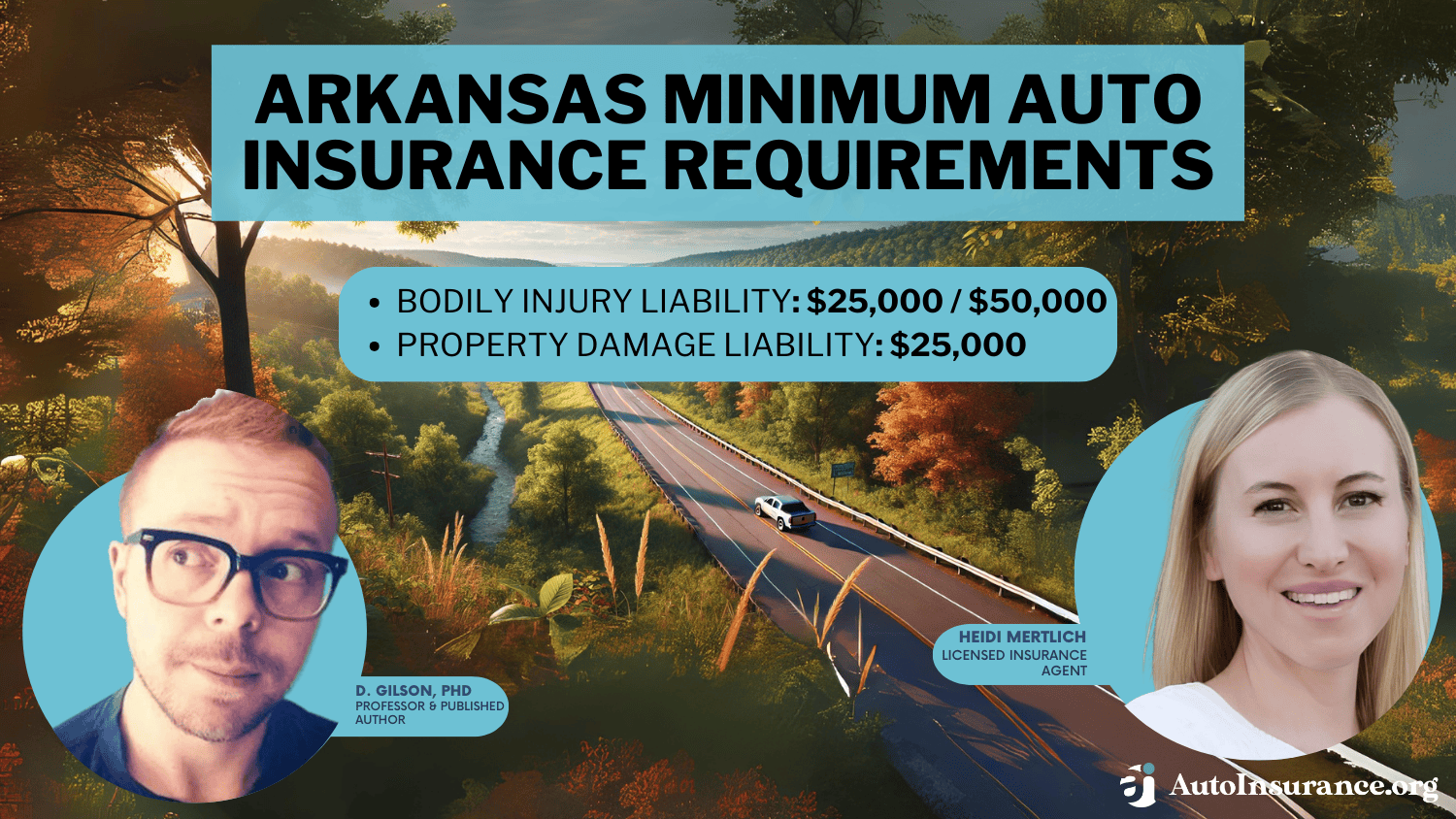
Under Georgia Code (O.C.G.A. § 33-34-4), the state establishes mandatory minimum limits for motor vehicle liability insurance. Drivers residing in Adairsville must maintain policy coverage meeting or exceeding the 25/50/25 benchmark:
- $25,000 for Bodily Injury per Person: The maximum amount your policy pays for medical treatment, lost wages, or legal expenses for a single individual injured in an accident you cause.
- $50,000 for Bodily Injury per Accident: The aggregate limit your insurer pays for injuries sustained by two or more individuals in a single crash where you are at fault.
- $25,000 for Property Damage per Accident: The maximum payment available to repair or replace property owned by others—such as another driver’s vehicle, road signs, or guardrails—damaged in an accident you cause.
While meeting state minimums fulfills legal requirements to register and operate a car in Bartow County, these liability limits offer minimal financial protection. In multi-vehicle accidents or crashes involving modern luxury vehicles, damages can quickly surpass $25,000 in property damage or $50,000 in medical bills. Any remaining financial obligations after your policy limits are exhausted become your personal responsibility, potentially putting personal savings, property, and future wages at risk.
The Georgia Electronic Insurance Monitoring System (GEIMS)
Georgia tracks auto insurance compliance digitally through the Georgia Electronic Insurance Monitoring System (GEIMS), which operates via the Georgia Department of Revenue’s DRIVES database. Insurance companies operating in the state are legally required to report real-time changes in policy status—such as activations, cancellations, or lapses—directly to the state database.
If your insurance coverage lapses for even a single day, the state flags the vehicle's registration. Operating an uninsured vehicle or allowing registration to become suspended in Georgia carries stiff penalties, including:
- Lapse Fees and Reinstatement Penalties: Initial lapse fees start at $25, with progressive penalties for repeated or extended lapses.
- Registration Suspension: Unresolved lapses result in the immediate suspension of your vehicle's registration, making it illegal to drive the vehicle anywhere in Georgia.
- Misdemeanor Charges: Driving with a suspended registration or without insurance can result in a misdemeanor citation, fines up to $1,000, mandatory court appearances, and potential suspension of your driver's license.
Core Coverage Types: Legal Minimums vs. Full Protection
Understanding auto insurance requires distinguishing between coverage mandated by law and optional coverage designed to protect your vehicle and personal finances.
- COMPLETE AUTO INSURANCE POLICY
- Mandatory Requirements
- Bodily Injury Liability (25/50)
- Property Damage Liability (25)
- Optional Coverage
- Collision Coverage
- Comprehensive Coverage
- Uninsured Motorist (UM/UIM)
- Medical Payments (MedPay)
- Mandatory Requirements
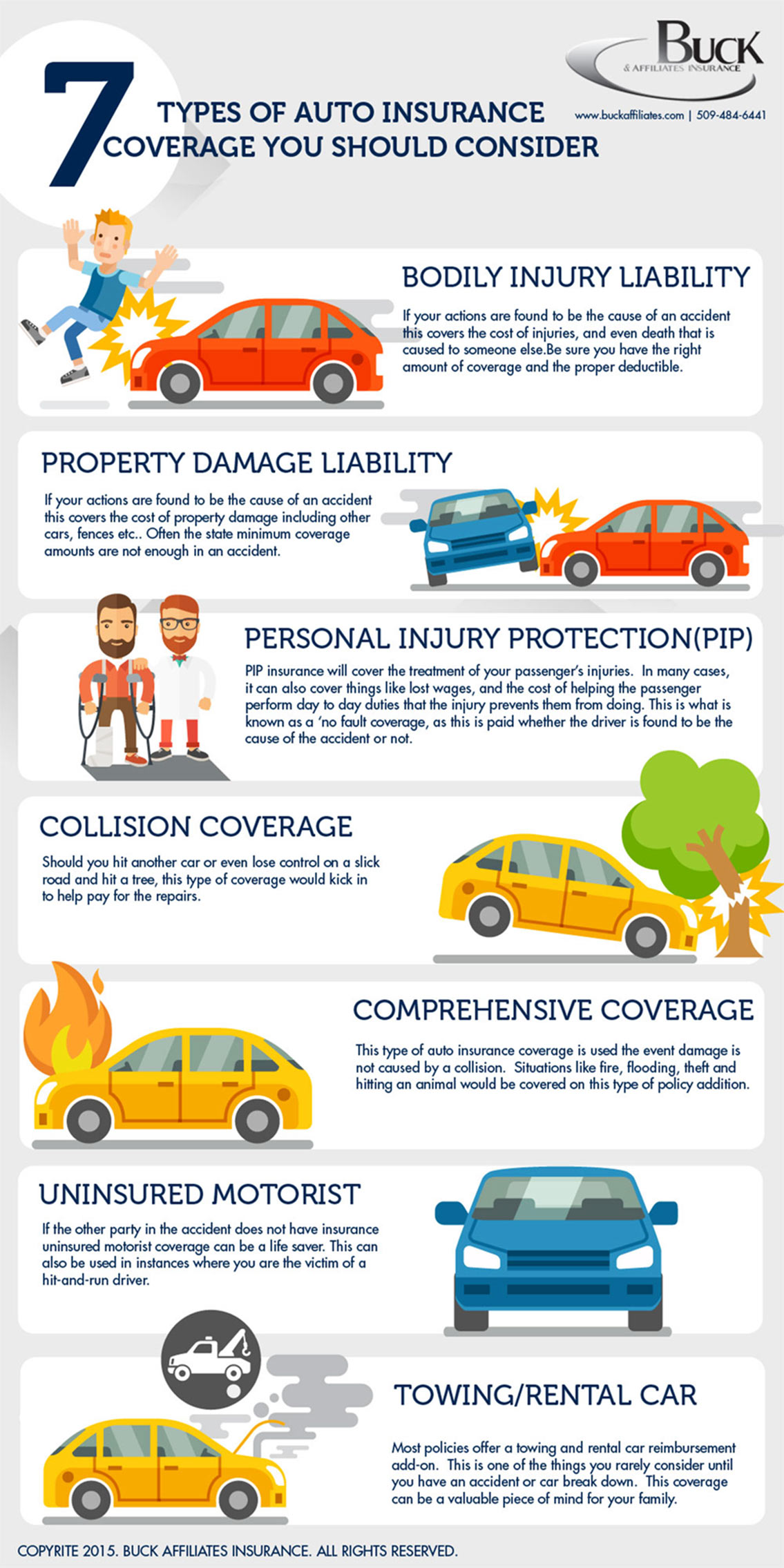
Liability Coverage (Bodily Injury & Property Damage)
Liability insurance pays exclusively for damages and injuries you inflict on other people. It never pays for damage to your own vehicle or medical bills for you and your passengers.
- Bodily Injury Liability (BI): Pays for third-party hospital stays, emergency room visits, physical therapy, long-term care, lost income, and legal defense expenses if an injured party sues you after an accident.
- Property Damage Liability (PD): Pays to repair or replace the recipient's automobile, structures, fences, or municipal infrastructure damaged during a collision.
Comprehensive and Collision Coverage (Physical Damage)
Known collectively as "full coverage" when combined with basic liability, these two options protect your financial interest in your vehicle. If your vehicle is financed or leased through a bank or financial institution, the lender will almost universally mandate both coverage types until the loan is fully paid off.
- Collision Coverage: Pays to repair or replace your vehicle after a crash with another vehicle, a stationary object (such as a tree, post, or concrete barrier), or a rollover event, regardless of who is at fault. Collision claims are subject to your selected policy deductible (typically ranging from $250 to $1,000).
- Comprehensive Coverage (Other than Collision): Covers damage to your vehicle resulting from non-collision events beyond your control. This includes theft, vandalism, falling objects (like tree limbs), fire, contact with animals, glass breakage, and environmental hazards such as hail, windstorms, or localized flooding.
Georgia Uninsured Motorist (UM) Coverage: Add-On vs. Reduced
According to industry estimates, a significant percentage of drivers on the road operate without valid insurance or with inadequate coverage limits. Georgia law (O.C.G.A. § 33-7-11) requires auto insurance providers to offer Uninsured/Underinsured Motorist (UM/UIM) coverage on every policy. While drivers have the option to reject this coverage in writing, keeping it is strongly recommended.
Georgia offers two distinct forms of Uninsured Motorist coverage, and understanding the difference is essential when structuring a policy:
- Add-On (Excess) UM Coverage: This structure adds your policy's UM coverage limit on top of whatever liability coverage the at-fault driver carries. For example, if an at-fault driver has the state minimum $25,000 liability limit and you hold $50,000 in Add-On UM, you can access up to $75,000 total ($25,000 from the at-fault driver + $50,000 from your policy) to cover medical expenses and damages.
- Reduced (Difference-in-Limits) UM Coverage: This structure offsets your UM policy limit by the amount of liability coverage the at-fault driver possesses. Using the same example, if the at-fault driver has $25,000 in liability and you hold $50,000 in Reduced UM, your policy only pays up to $25,000 ($50,000 limit minus the at-fault driver's $25,000 liability payment). If the at-fault driver's coverage equals or exceeds your Reduced UM limit, your UM policy pays zero.
Selecting Add-On UM provides superior financial protection against severely underinsured drivers, particularly in serious accidents involving costly hospital care.
Medical Payments (MedPay) and Supplemental Coverages
- Medical Payments (MedPay): An optional coverage that pays for immediate medical, surgical, dental, or funeral expenses for you and your passengers following an accident, regardless of fault. Unlike health insurance, MedPay typically carries no deductible or co-pays and applies immediately following an incident.
- Gap Insurance: Essential for newly purchased or leased vehicles. If your car is totaled in a crash, collision or comprehensive coverage pays only the vehicle’s current market value. Gap insurance covers the financial difference ("gap") between the insurance payout and the remaining balance on your auto loan.
- Rental Reimbursement: Pays for a rental car while your personal vehicle is undergoing repairs following a covered collision or comprehensive claim.
- Roadside Assistance: Offers emergency coverage for towing, flat tire changes, battery jump-starts, fuel delivery, and lockout services in and around Adairsville.
Local Factors Driving Auto Insurance Rates in Adairsville, GA
Insurers evaluate localized risk factors when calculating premiums. Residents of Adairsville (ZIP code 30103) experience specific geographic, infrastructural, and environmental factors that directly shape baseline rates in Bartow County.
Interstate 75 Corridor Dynamics and Commuter Risks
Adairsville sits directly along Interstate 75, a primary freight and passenger corridor linking Atlanta to Chattanooga and northern industrial hubs. The high volume of commercial semi-trucks, high-speed commuter traffic, and seasonal tourist travel along I-75 increases localized accident rates.
Drivers who commute regularly via I-75 toward Cartersville, Marietta, or Atlanta face higher exposure to multi-vehicle accidents, high-speed rear-end collisions, and heavy congestion. Insurance companies adjust premiums higher for vehicles registered in areas adjacent to major high-density transit corridors due to the elevated statistical probability of severe bodily injury and total-loss claims.
- I-75 Freight & Commuter Corridor
- Heavy Commercial Trucking
- High-Speed Traffic Density
- Multi-Vehicle Collision Risks
- Rural Secondary Roads (GA-140 / US-41)
- Deer & Wildlife Crossings
- Unlit Rural Routes
- Farm Machinery Interference
- North Georgia Severe Weather Patterns
- Spring Hail Storms
- Tornado & Severe Wind Risks
- Flash Flooding in Low-Lying Drainage Areas
Weather Patterns and Wildlife Hazards in Bartow County
- Severe Weather Events: North Georgia experiences frequent spring and summer thunderstorms capable of producing destructive hail, high wind gusts, and fallen trees. Severe hail incidents damage auto body panels and shatter windshields across large geographic areas, triggering influxes of comprehensive insurance claims.
- Wildlife Collisions: Navigating rural roadways around Adairsville—such as State Route 140 or US-41—presents significant risks from deer and other wildlife, particularly during autumn mating season and early morning hours. Vehicle collisions with large animals fall under comprehensive coverage; drivers who drop comprehensive coverage leave themselves entirely unprotected against these frequent rural hazards.
Credit-Based Insurance Scores and Personal Risk Profiling
Under Georgia insurance regulations, insurance carriers are permitted to utilize credit-based insurance scores as a factor when underwriting policies and setting premium prices. Actuarial data demonstrates a strong statistical correlation between credit stability and claim frequency.
In addition to credit history, auto insurers calculate premiums based on:
- Driving Record: Prior moving violations, speeding tickets, at-fault accidents, or DUI convictions on your Georgia MVR (Motor Vehicle Record) increase rates significantly for three to five years.
- Annual Mileage: Lower annual driving mileage correlates directly with reduced risk exposure, leading to lower premiums.
- Vehicle Characteristics: High-performance sports cars, vehicles with elevated theft rates, and expensive-to-repair luxury models cost substantially more to insure than standard sedans or compact SUVs with advanced safety features.
Comparing Coverage Plans: Minimum Mandate vs. Recommended Real-World Limits
Choosing auto insurance limits requires comparing legal compliance with true financial security. The following matrix illustrates the differences between minimum coverage, standard protection, and high-asset protection tiers for Adairsville drivers.
| Coverage Element | Tier 1: State Minimum Mandate | Tier 2: Recommended Standard | Tier 3: High Asset Protection |
|---|---|---|---|
| Target Driver | Drivers seeking basic legal compliance for low-value vehicles | Standard commuters, families, and vehicle owners with active loans | Homeowners, high-net-worth individuals, and heavy I-75 commuters |
| Bodily Injury Liability | $25,000 per person / $50,000 per accident | $100,000 per person / $300,000 per accident | $250,000 per person / $500,000 per accident |
| Property Damage Liability | $25,000 per accident | $100,000 per accident | $100,000 to $250,000 per accident |
| Uninsured Motorist (UM) | Declined in writing or minimum limits | $100k/$300k (Add-On selection) | $250k/$500k (Add-On selection) |
| Collision Coverage | Excluded | Actual Cash Value ($500–$1,000 Deductible) | Actual Cash Value ($250–$500 Deductible) |
| Comprehensive Coverage | Excluded | Actual Cash Value ($500 Deductible) | Actual Cash Value ($250 Deductible) |
| Medical Payments (MedPay) | Excluded | $2,500 to $5,000 per person | $10,000+ per person |
| Umbrella Policy Support | Ineligible | Optional | Integrates with $1M+ Personal Umbrella |
Practical Steps to Lower Your Premium in Adairsville
Driver coverage needs vary, but several actionable strategies allow Bartow County residents to reduce their premium costs without sacrificing essential coverage:
Strategic Deductible Management
Adjusting policy deductibles offers immediate control over insurance rates. Increasing collision and comprehensive deductibles from $250 or $500 to $1,000 lowers annual policy costs noticeably. However, drivers should keep this money set aside in an accessible emergency savings account so funds are readily available in the event of an unpredicted collision or storm claim.
Multi-Policy Bundling and Telematics Programs
- Multi-Policy Bundling: Combining auto coverage with your homeowners, renters, or condo insurance through the same company yields discounts between 10% and 25% across both policies.
- Telematics (Usage-Based Insurance): Many national and regional insurers offer mobile app programs that track real-time driving habits (such as braking habits, speed, driving hours, and phone distraction). Safe drivers in Adairsville who avoid late-night commutes and erratic driving can qualify for significant policy discounts through telematics monitoring.
- Defensive Driving Courses: Completing a state-approved defensive driving course approved by the Georgia Department of Driver Services (DDS) often qualifies drivers aged 25 and older—or mature drivers over 55—for mandatory premium discounts under state guidelines.
Steps to Take After an Accident in Adairsville
Knowing how to handle a crash helps protect both your health and your subsequent insurance claim.
Step 1: Secure the Scene & Notify Law Enforcement (Call 911 / City Police or Bartow Sheriff)
Step 2: Document Evidence & Photos (Vehicles, License Plates, Road Conditions)
Step 3: Exchange Driver & Policy Details (Names, Phone Numbers, GEIMS-Verified Insurers)
Step 4: Report Incident to Your Insurer Promptly & Avoid Pre-Claim Guilt Statements
Secure the Scene and Request Emergency Services: Check all parties for injuries and move vehicles out of active traffic lanes if safe to do so. Call 911 to request response from the Adairsville Police Department or the Bartow County Sheriff’s Office. Ensure an official police report is generated; insurance companies rely heavily on law enforcement reports to determine fault and process claims efficiently.
Document the Incident Thoroughly: Use your mobile phone to photograph all vehicle damage, skid marks, traffic signals, weather conditions, and visible injuries. Take photos of license plates, street signs, and driver identification.
Exchange Relevant Information: Exchange names, contact details, driver's license numbers, and auto insurance details (policy numbers and carrier names) with all drivers involved. Refrain from debating fault, apologizing, or making statements on-scene regarding liability.
Notify Your Insurance Carrier Promptly: Contact your insurance provider’s claims department as soon as possible to initiate the claim process. Provide clear, accurate factual information backed by photos and official police reports.
Frequently Asked Questions
What happens if I drive without auto insurance in Adairsville, Georgia?
Driving without insurance in Georgia violates state financial responsibility laws. Your vehicle registration will be suspended, and you face mandatory state lapse fees starting at $25, court fines up to $1,000, potential license suspension, and misdemeanor criminal charges. Furthermore, if you cause an accident, you are personally liable for all resultant medical bills and property damage.
Does Georgia mandate collision and comprehensive coverage?
No. Georgia law requires only liability coverage (bodily injury and property damage limits). However, if your vehicle is financed or leased, your lender or leasing company will require you to maintain collision and comprehensive insurance until the contract is satisfied.
What is the difference between "Add-On" and "Reduced" Uninsured Motorist coverage in Georgia?
"Add-On" UM coverage adds your policy's uninsured motorist limit on top of whatever liability coverage the at-fault driver possesses. "Reduced" (or difference-in-limits) UM coverage offsets your policy limit by the at-fault driver's liability coverage. Add-On UM provides significantly broader protection against severely underinsured drivers.
How do local weather conditions in Bartow County impact my policy costs?
Adairsville is subject to severe thunderstorms, hail events, and fallen trees. Insurers evaluate regional weather history when establishing comprehensive coverage rates. Carrying comprehensive coverage with an affordable deductible ensures your vehicle is protected against hail damage, fallen limbs, and severe storm destruction.
Can my credit history affect my auto insurance rate in Georgia?
Yes. Georgia law allows insurance carriers to use credit-based insurance scores when calculating auto rates. Drivers with higher credit scores generally secure lower insurance premiums, while lower credit scores can lead to higher monthly rates.
Recommended Next Steps for Adairsville Drivers
To ensure your auto policy offers optimal coverage for driving conditions in Bartow County, follow these action steps:
- Review Existing Policy Limits: Examine your policy declarations page to verify that your bodily injury and property damage limits meet modern driving risks. If you currently hold legal minimums (25/50/25), consider raising them to at least 100/300/100 to protect personal savings.
- Confirm Uninsured Motorist Structure: Check whether your UM coverage is configured as Add-On or Reduced. Switch to Add-On UM whenever feasible to maximize compensation after an accident with an underinsured driver.
- Audit Your Comprehensive Coverage: Ensure your policy includes comprehensive coverage to guard against local hail, windstorms, and deer strikes common on North Georgia roadways.
- Request Updated Quotes: Obtain quotes from at least three licensed carriers operating in Bartow County every 12 to 18 months, ensuring you ask about multi-policy, telematics, and defensive driving course discounts.