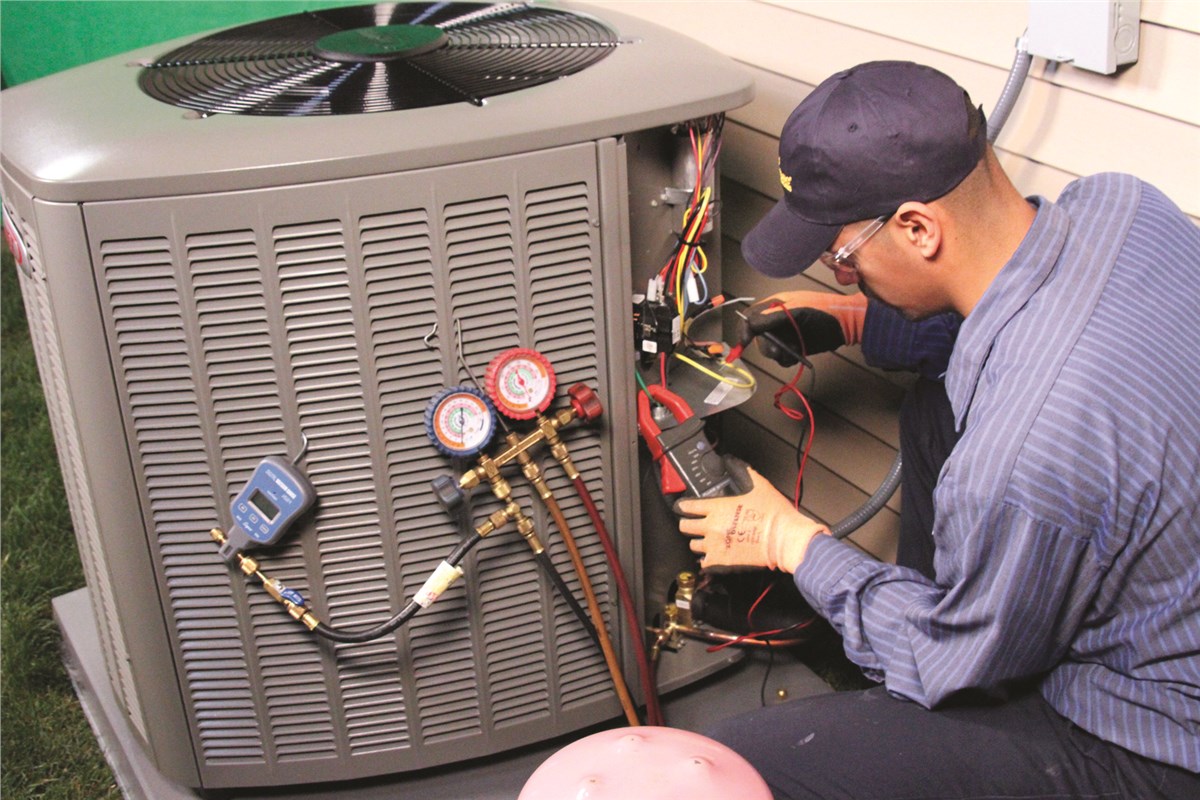
Reliable AC repair in Indianapolis requires a combination of rapid diagnostic response and specialized knowledge of the region's high-humidity climate. In 2026, professional HVAC services focus on optimizing high-efficiency SEER2 systems, managing the phase-out of older refrigerants, and ensuring that complex electrical components like dual-run capacitors and ECM motors function correctly. Most local repairs range from $150 to $600 for common electrical or drainage issues, while major component failures necessitate licensed technicians to ensure compliance with Indiana building codes and EPA environmental standards.
Understanding the Indianapolis Cooling Climate
Indianapolis presents a unique challenge for residential air conditioning systems. The humid continental climate leads to significant fluctuations in temperature, often jumping from mild spring conditions to oppressive 90-degree days with high dew points in a matter of hours. This volatility forces HVAC systems to cycle frequently, increasing the wear and tear on the compressor and the start-up components.
In 2026, the demand for AC repair typically peaks between late May and early September. During these months, the city’s high humidity levels mean that an air conditioner is not just a cooling device but also a primary dehumidifier. When a system fails to remove moisture effectively, indoor air quality suffers, and the risk of biological growth within the ductwork increases. Understanding these regional stressors is the first step in diagnosing why a system might be underperforming.
Common Air Conditioning Failures in Central Indiana
While every HVAC system is a complex network of mechanical and electrical parts, several issues are particularly prevalent in the Indianapolis metropolitan area due to local environmental factors.
Capacitor and Electrical Component Failure
The most frequent reason for an emergency service call is a failed capacitor. Capacitors store energy to provide the "kick" needed to start the compressor and the fan motor. In the heat of an Indiana July, these components are prone to overheating. If you hear a humming sound coming from your outdoor unit but the fan isn't spinning, a "blown" capacitor is likely the culprit.
Refrigerant Leaks and the 2026 Transition
As of 2026, the HVAC industry has significantly transitioned away from R-410A toward lower Global Warming Potential (GWP) refrigerants like R-454B and R-32. For Indianapolis homeowners with systems installed before 2023, repairing a refrigerant leak has become more expensive due to the diminishing supply of older refrigerants. A leak typically manifests as a gradual loss of cooling capacity or ice formation on the evaporator coil (the indoor unit).
Condensate Drainage Issues
Because Indianapolis air is often saturated with moisture, AC units pull gallons of water out of the air daily. This water must exit through a condensate drain line. Over time, algae, dust, and "sludge" can clog these lines. In 2026, most modern systems include a float switch that automatically shuts the system down if a backup is detected, preventing water damage to your home but requiring a professional to clear the blockage and reset the safety sensors.
Professional Diagnostic and Repair Process
When you schedule AC repair in Indianapolis, the process follows a standardized technical protocol to ensure both safety and system longevity.
- Initial Assessment and Safety Check: The technician begins by verifying high-voltage and low-voltage power sources. This includes checking the disconnect box and the circuit breakers to rule out simple electrical trips.
- Performance Testing: Using digital manifolds and thermal hygrometers, the technician measures the "split"—the temperature difference between the return air and the supply air. Ideally, this should be between 16 and 22 degrees Fahrenheit.
- Component Testing: The technician tests the "microfarads" of the capacitors and the "amps" of the motors. This preventive step often identifies parts that are still working but are "out of spec" and likely to fail soon.
- Refrigerant Charge Verification: If the temperatures are off, the technician checks the subcooling or superheat levels. In 2026, precise charging is critical, as newer high-efficiency systems are far less tolerant of overcharging or undercharging than older models.
- System Clearing and Calibration: Once the mechanical repair is complete, the technician should clear the drain lines and calibrate the thermostat to ensure the communication between the indoor and outdoor units is seamless.
Cost Analysis of AC Repairs in Indianapolis (2026)
Pricing for HVAC services in Central Indiana is influenced by labor rates, the cost of specialized parts, and the type of refrigerant required. Emergency or "after-hours" calls typically incur a premium diagnostic fee.
| Repair Type | Estimated Cost Range (Parts & Labor) | Average Time to Complete |
|---|---|---|
| Service Call / Diagnostic Fee | $95 – $165 | 30 – 60 Minutes |
| Capacitor Replacement | $175 – $350 | 30 – 45 Minutes |
| Contactor Replacement | $150 – $300 | 30 – 45 Minutes |
| Condensate Pump/Drain Clear | $150 – $400 | 1 – 2 Hours |
| Blower Motor (ECM) | $600 – $1,200 | 2 – 3 Hours |
| Evaporator Coil Repair/Leak Fix | $800 – $2,500 | 4 – 6 Hours |
| Compressor Replacement | $1,800 – $3,500 | 4 – 8 Hours |
| Refrigerant Recharge (R-410A) | $150 – $250 per lb | 1 – 2 Hours |
Note: Prices are estimates for 2026 and can vary based on unit size and manufacturer (e.g., Carrier, Trane, Lennox).
Why DIY Repairs are Discouraged
Many Indianapolis homeowners are tempted to perform their own repairs to save on labor costs. However, several factors make professional intervention necessary for AC systems:
- EPA Section 608 Certification: It is a federal violation of the Clean Air Act for an uncertified individual to open a refrigerant circuit or purchase regulated refrigerants.
- High Voltage Risks: AC units operate on 240-volt circuits. One error in handling the disconnect or discharging a capacitor can lead to severe electrical shock.
- Warranty Integrity: Most manufacturers require proof of professional maintenance and repair to honor parts warranties. A DIY fix often voids these protections.
- Precision Tools: Modern SEER2 systems require calibrated digital gauges and vacuum pumps that cost thousands of dollars—tools the average homeowner does not possess.
Selecting a Qualified Indianapolis HVAC Contractor
With hundreds of providers in the Indianapolis area, homeowners should look for specific credentials to ensure they are receiving high-quality service.
Licensing and Insurance
The City of Indianapolis Department of Business and Neighborhood Services requires HVAC contractors to hold a specific license (Residential or Commercial). Always verify that the company is bonded and carries general liability insurance to protect your property during the repair.
Technical Certifications
Look for technicians who are NATE-certified (North American Technician Excellence). This is the gold standard for technical competency in the HVAC industry. In 2026, specialized training in inverter-driven compressors and smart home integration is also a significant plus, as these systems are now standard in newer Indianapolis homes.
Local Reputation and Transparency
Avoid companies that provide "flat rate" quotes over the phone without seeing the unit. A reputable Indianapolis AC repair service will provide a written diagnostic report and a clear breakdown of parts and labor before any work begins.
Energy Efficiency and Rebates in 2026
In 2026, repairing an old, inefficient unit might not always be the best financial move. If a repair exceeds 50% of the value of the system and the unit is over 12 years old, replacement is often recommended.
Indianapolis residents can take advantage of various incentives:
- Utility Rebates: Companies like AES Indiana and Duke Energy often offer rebates for upgrading to high-efficiency systems or installing smart thermostats that reduce grid strain during "peak" events.
- Federal Tax Credits: Under current 2026 guidelines, certain high-efficiency heat pump or AC repairs/upgrades may qualify for federal tax credits if they meet specific SEER2 and EER2 thresholds.
Frequently Asked Questions
Why is my AC running but not cooling my Indianapolis home?
This is usually caused by a dirty air filter, a clogged condenser coil (the outdoor unit), or a low refrigerant charge. In Indianapolis, "cottonwood" seeds from local trees often clog outdoor units in late spring, preventing heat transfer. If the filter is clean and the outdoor unit is clear, you likely have a mechanical issue or a refrigerant leak that requires a professional.
How often should I have my AC serviced in Indianapolis?
Ideally, you should have a professional tune-up once a year, typically in the spring. Because of the high humidity and pollen counts in Central Indiana, coils can become fouled quickly. Regular maintenance can prevent up to 80% of the common repairs listed in the cost table above.
What is a SEER2 rating and why does it matter for my repair?
SEER2 (Seasonal Energy Efficiency Ratio 2) is the updated standard for measuring efficiency as of 2023. If you are replacing parts on a system in 2026, the technician must ensure that those parts are compatible with the higher pressures and more rigorous standards of SEER2-compliant equipment. Using older, non-compliant parts can significantly reduce the lifespan of your unit.
My AC is leaking water inside. Is this an emergency?
While not a fire hazard, a water leak is a "service-now" situation. In Indianapolis's humid climate, a clogged drain can dump gallons of water into your furnace closet or attic in a single day. This can lead to ceiling collapses, floor damage, and mold growth. Turn the system off and call for repair immediately.
How long do AC units typically last in the Indianapolis area?
Due to the heavy usage during humid summers and the idle time during freezing winters, most well-maintained systems in Indianapolis last between 12 and 15 years. Systems near high-traffic areas or those that are neglected may fail closer to the 10-year mark.
Recommended Next Steps
If your air conditioner is failing to maintain the set temperature or is making unusual noises, follow these steps:
- Check the Thermostat: Ensure it has fresh batteries and is set to "Cool" and "Auto."
- Inspect the Filter: A clogged filter is the #1 cause of airflow-related shutdowns.
- Check the Breaker: Ensure the outdoor unit hasn't tripped the circuit.
- Schedule a Diagnostic: If the above steps don't work, contact a licensed Indianapolis HVAC technician. Avoid running the system if it is making grinding or screeching noises, as this can lead to permanent compressor damage.