When examining population-level public health statistics in the United States, researchers, policymakers, and public health advocates frequently analyze mortality and medical procedure metrics such as abortions and gun deaths to understand underlying societal trends, healthcare access, and safety policy implications. While these two phenomena occupy vastly different categories—one representing a medical procedure governed by healthcare regulations and reproductive rights laws, and the other representing traumatic injury mortality overseen by criminal justice, public health, and firearms legislation—they are often evaluated within broader comparative frameworks of public health data, resource allocation, and civil rights debates.
Understanding the Scope of Abortion Data
Abortion is a medical procedure used to terminate a pregnancy. Data regarding the frequency, demographics, and clinical contexts of abortions in the United States are collected and published primarily by government agencies such as the Centers for Disease Control and Prevention (CDC), as well as private research organizations like the Guttmacher Institute.
The CDC relies on voluntary reporting from state health departments and central health agencies, which means national totals often involve estimations due to incomplete reporting from certain jurisdictions. Conversely, the Guttmacher Institute conducts periodic, comprehensive censuses of all known abortion providers across the country, generally yielding higher and more complete count estimates than the federal surveillance system.
Clinical Safety and Legal Frameworks
From a public health perspective, legal abortion in the United States is statistically characterized by a very low rate of major medical complications and mortality. According to historical and contemporary CDC surveillance data, the vast majority of abortions occur during the first trimester, with medical abortions (utilizing medications such as mifepristone and misoprostol) and aspiration procedures making up the vast majority of interventions.
Following the Supreme Court's 2022 decision in Dobbs v. Jackson Women's Health Organization, the legal landscape governing abortion access underwent a profound transformation. Authority returned to individual state legislatures, resulting in a patchwork of total bans, gestational age restrictions, and robust protections depending on the state. This legal fragmentation has significantly altered state-level data collection methodologies, patient travel patterns for care, and the geographic distribution of reported procedures.
Understanding the Scope of Gun Death Data
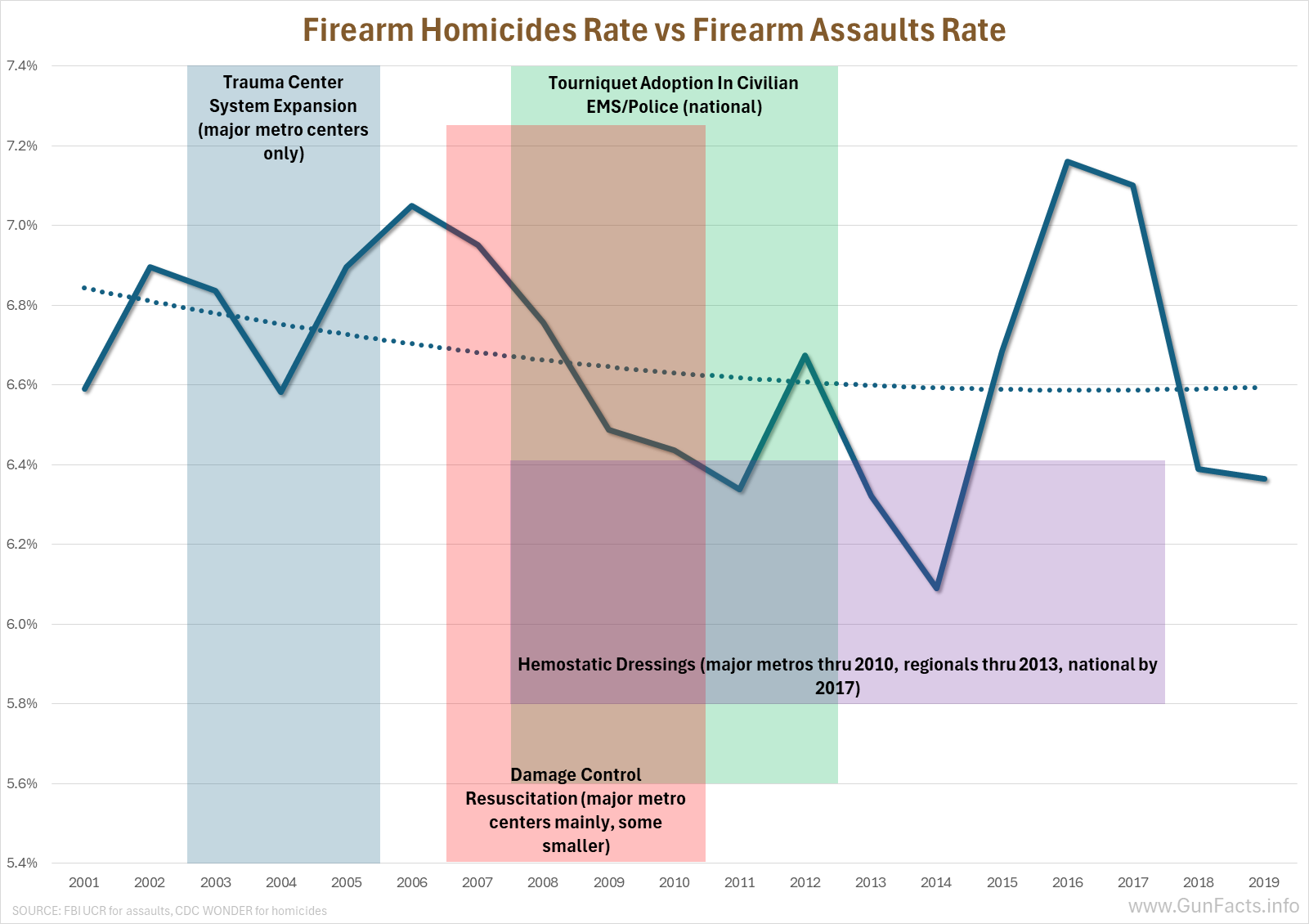
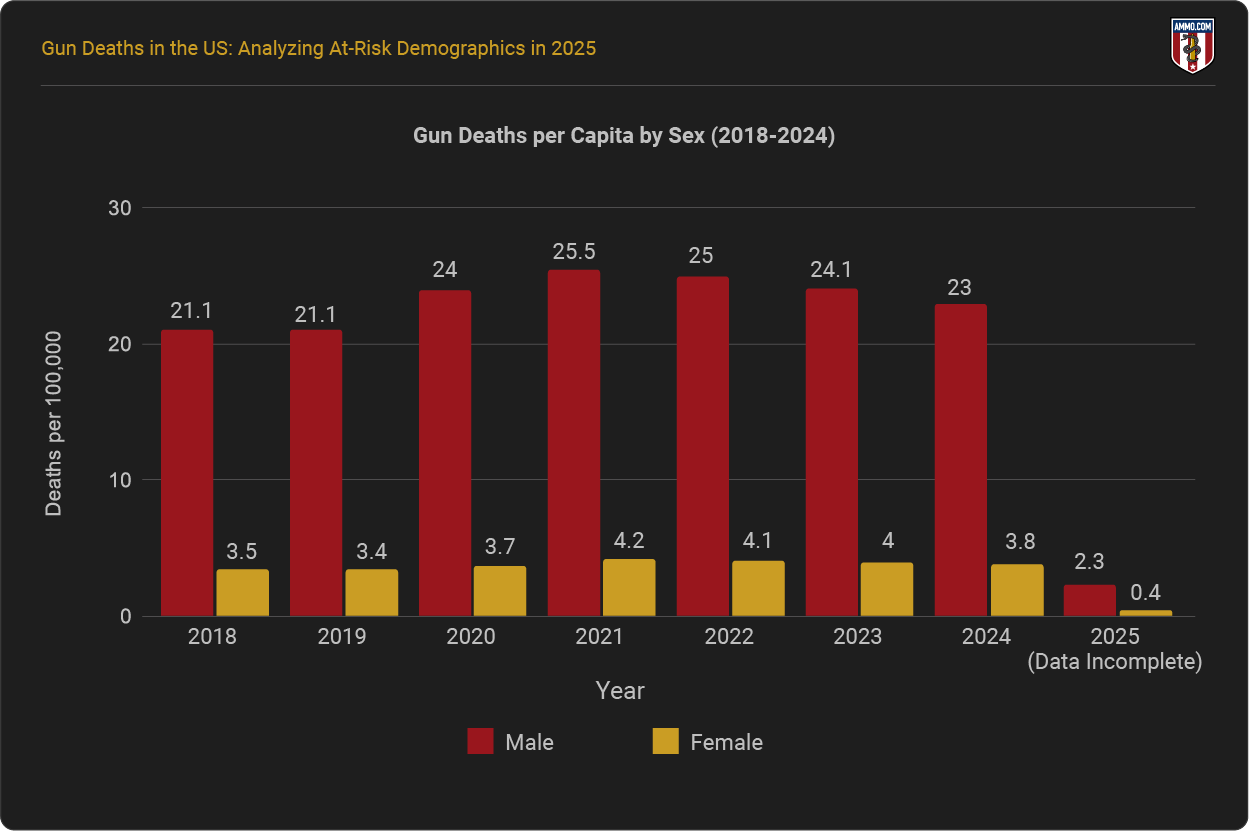
Gun deaths encompass a category of mortality tracked comprehensively by the National Center for Health Statistics (NCHS), a division of the CDC, utilizing death certificates processed through the National Vital Statistics System (NVSS). Unlike medical procedures, which involve living patients seeking voluntary healthcare, firearm mortality data represents absolute counts of fatalities resulting directly from firearm injuries.
The CDC categorizes firearm deaths into distinct epidemiological groupings:
- Homicides: Deaths resulting from interpersonal violence directed by one individual against another.
- Suicides: Self-inflicted fatal injuries, which historically account for the majority of firearm-related deaths in the United States.
- Unintentional/Accidental Shootings: Fatalities caused by the inadvertent discharge of a firearm.
- Law Enforcement/Undetermined Intent: Deaths occurring during legal intervention or instances where the precise intent cannot be conclusively determined by medical examiners.
Epidemiological Trends and Public Health Impact
Firearm mortality has increasingly been recognized by major medical associations—including the American Medical Association and the American Academy of Pediatrics—as a critical public health crisis. Unlike infectious diseases or natural biological processes, firearm injuries affect broad demographics, with distinct epidemiological curves observed across different age groups, geographic regions, and socioeconomic strata.
Data from recent decades indicate that firearm-related injuries have become a leading cause of death among children and adolescents in the United States, surpassing motor vehicle crashes in certain demographic cohorts. Tracking these deaths involves strict coding standards using the International Classification of Diseases (ICD-10) framework, ensuring consistency across state and federal reporting mechanisms.
Comparative Overview: Metrics, Context, and Measurement
Comparing abortions and gun deaths requires acknowledging that they measure fundamentally different social, medical, and legal phenomena. One tracks the utilization of a regulated reproductive healthcare service, while the other tracks fatal traumatic injuries resulting from mechanical weapons.
However, policy analysts and researchers frequently examine both datasets simultaneously when evaluating overall population well-being, the effectiveness of state-level social policies, and the allocation of public health research funding.
| Metric Category | Abortion Data | Gun Death Data |
|---|---|---|
| Primary Data Source | CDC Abortion Surveillance & Guttmacher Institute | CDC National Vital Statistics System (NVSS) |
| Nature of Event | Voluntary medical procedure / healthcare service | Fatal injury / mortality event |
| Primary Classifications | Medication vs. surgical; gestational age weeks | Homicide, suicide, unintentional, law enforcement |
| Regulatory Framework | State-by-state laws post-Dobbs decision | Federal and state firearm laws, background checks |
| Primary Public Health Goal | Ensuring safe clinical access and reproductive health | Injury prevention, trauma care, and violence reduction |
The Role of Public Policy and Data Collection
The intersection of policy, law, and data collection shapes how both abortions and gun deaths are perceived and addressed by the public. Accurate data is essential for allocating healthcare infrastructure, deploying emergency response services, and understanding the downstream effects of legislative changes.
Federal Funding Restrictions and Research Limitations
For decades, federal research funding for firearm mortality has faced legislative hurdles, most notably the Dickey Amendment enacted in 1996, which prohibited the CDC from using federal funds to advocate or promote gun control. While the amendment did not explicitly ban scientific research into gun violence prevention, it created a chilling effect that significantly depressed federal grant allocations for firearm safety research for many years.
Similarly, federal funding restrictions—such as the Hyde Amendment—prohibit the use of federal Medicaid funds for abortions in most circumstances, influencing healthcare delivery models and creating significant disparities in access based on socioeconomic status. Data collection for both issues is heavily influenced by political priorities, funding availability, and the willingness of state governments to cooperate with federal public health agencies.
Geographic Disparities and Interstate Travel
Both issues exhibit marked geographic disparities across the United States. In the context of abortion, state-level bans and severe restrictions have driven a massive increase in interstate travel, with patients crossing state lines to access care in jurisdictions where abortion remains legal and protected. This complicates state-level surveillance, as patients are often counted in the state where the procedure is performed rather than the state where they reside.
Similarly, gun death rates vary dramatically by state, driven by differences in local firearm laws, urbanization, socioeconomic conditions, and community safety initiatives. States with permissive gun laws and lower investments in social safety nets frequently report higher rates of firearm-related mortality, particularly regarding suicides and homicides, compared to states with comprehensive regulatory frameworks.
Common Methodological Challenges in Public Health Research
Analyzing complex data sets involving life, death, and reproductive healthcare requires navigating significant methodological challenges. Researchers must account for confounding variables, reporting lags, and shifts in legal definitions.
- Underreporting and Stigma: Social stigma surrounding both abortion and certain types of gun violence (such as suicides or accidental shootings) can lead to underreporting or misclassification on official documents and surveys.
- Coding Changes: Modifications in how medical examiners classify cause of death or how states report clinical procedures can create artificial spikes or drops in longitudinal data trends.
- Correlation vs. Causation: Researchers must exercise caution when evaluating the relationship between specific laws and population outcomes, ensuring that socioeconomic factors, healthcare access, and demographic shifts are appropriately controlled for in statistical models.
Frequently Asked Questions
How are national abortion statistics collected in the United States?
National abortion statistics are gathered through two primary channels: the Centers for Disease Control and Prevention (CDC), which compiles voluntary reports from state health agencies, and the Guttmacher Institute, which conducts direct surveys of all known abortion providers nationwide. Because state reporting is voluntary and varies widely, Guttmacher estimates are often cited for more comprehensive totals.
What are the main categories of gun deaths tracked by public health agencies?
The CDC categorizes gun deaths using standard death certificate data into four primary intents: homicides (interpersonal violence), suicides (self-inflicted injuries), unintentional or accidental shootings, and law enforcement or undetermined intent incidents. Suicides historically account for the largest share of overall firearm fatalities in the country.
Why is it difficult to directly compare abortion rates to gun death rates?
Comparing these two metrics is methodologically challenging because they measure entirely different events. Abortions represent a legal, elective medical procedure sought by living patients, whereas gun deaths represent fatal injuries resulting from violence, self-harm, or accidents. They are governed by entirely different legal structures, medical protocols, and public policy debates.
How has the legal landscape changed abortion data collection in recent years?
Following the 2022 Supreme Court ruling overturning Roe v. Wade, abortion access became heavily regulated or banned at the state level. This fragmentation led to shifts in patient travel patterns, increased reliance on telehealth and mailed medication abortion pills, and altered how state health departments track and report clinical procedures.
What impact do federal funding restrictions have on gun violence and abortion research?
Federal funding restrictions—such as historical limitations on CDC research into firearm injuries and prohibitions on federal Medicaid funding for abortions—have historically constrained comprehensive scientific study. These constraints affect the availability of robust, federally backed data needed to evaluate clinical outcomes, safety interventions, and public health strategies.
Practical Next Steps for Researchers and Policy Advocates
For professionals, researchers, and policymakers navigating these complex public health landscapes, relying on verified, primary data sources is essential. Analysts should consult official periodic reports from the CDC's National Center for Health Statistics and the National Vital Statistics System for accurate firearm mortality trends. For reproductive health metrics, triangulating data from the CDC Abortion Surveillance reports with independent research from organizations like the Guttmacher Institute provides a balanced, comprehensive view. Stakeholders should prioritize evidence-based injury prevention frameworks and transparent healthcare reporting to ensure that policy decisions are grounded in verifiable empirical data.