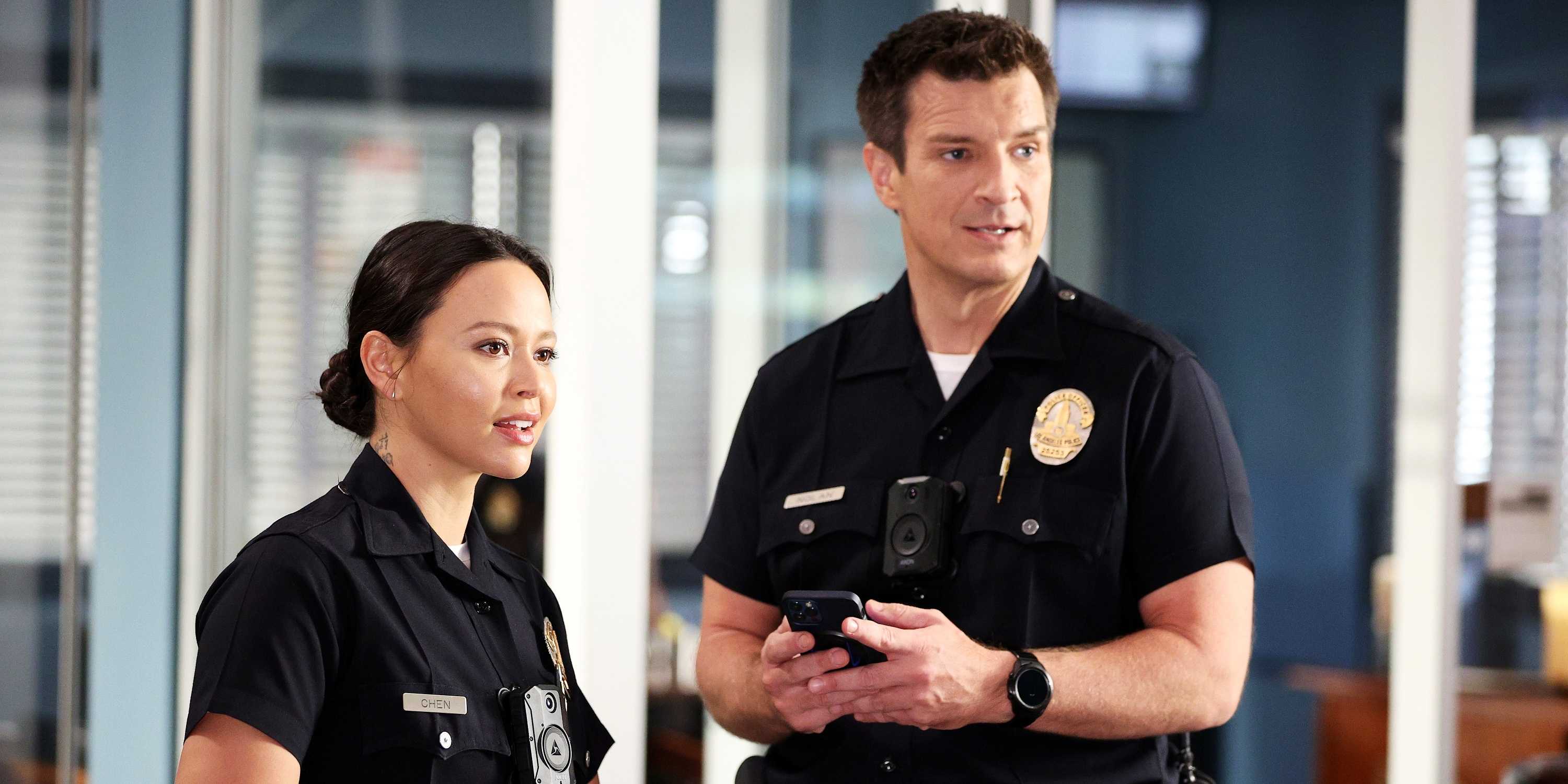
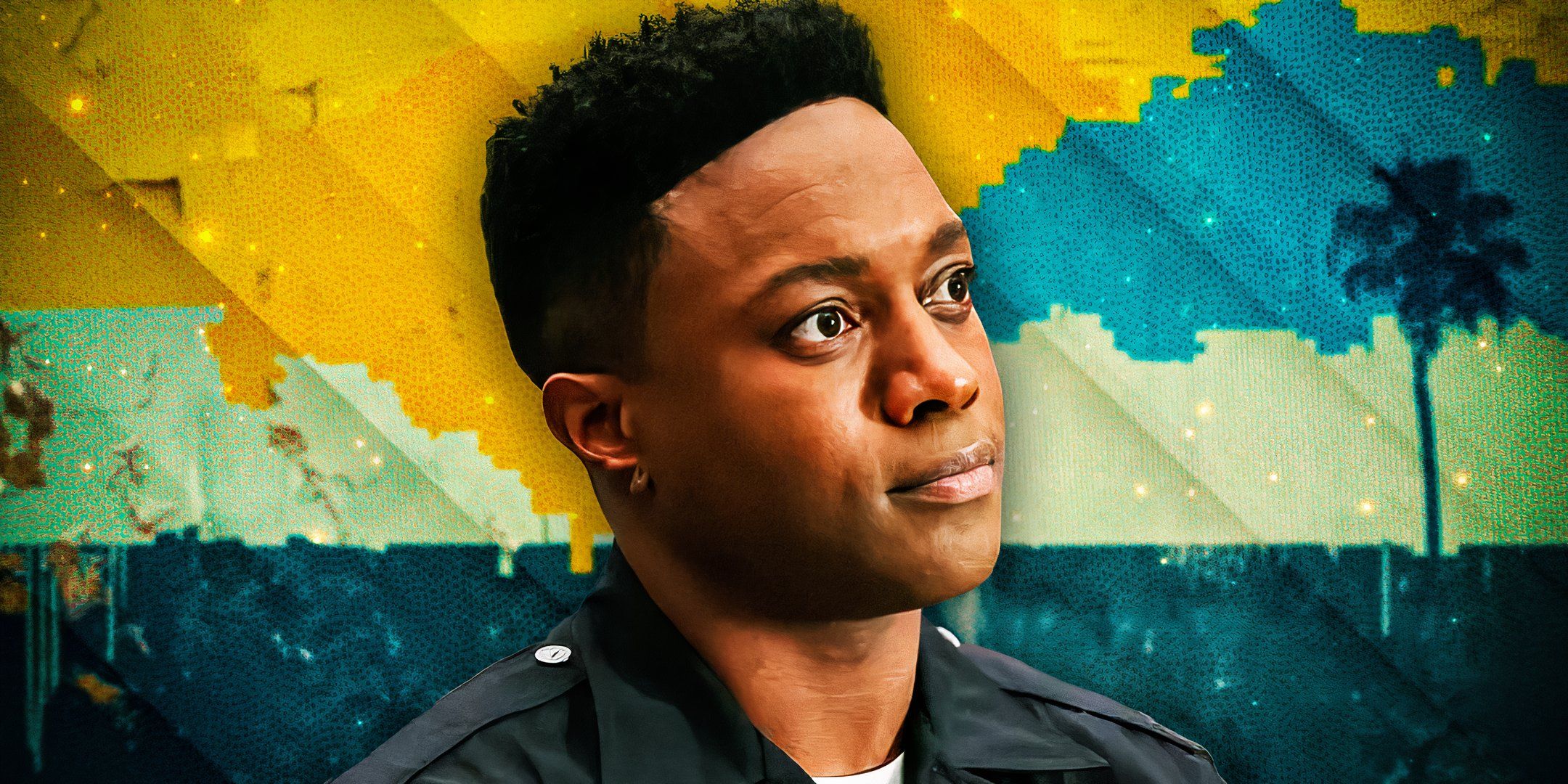
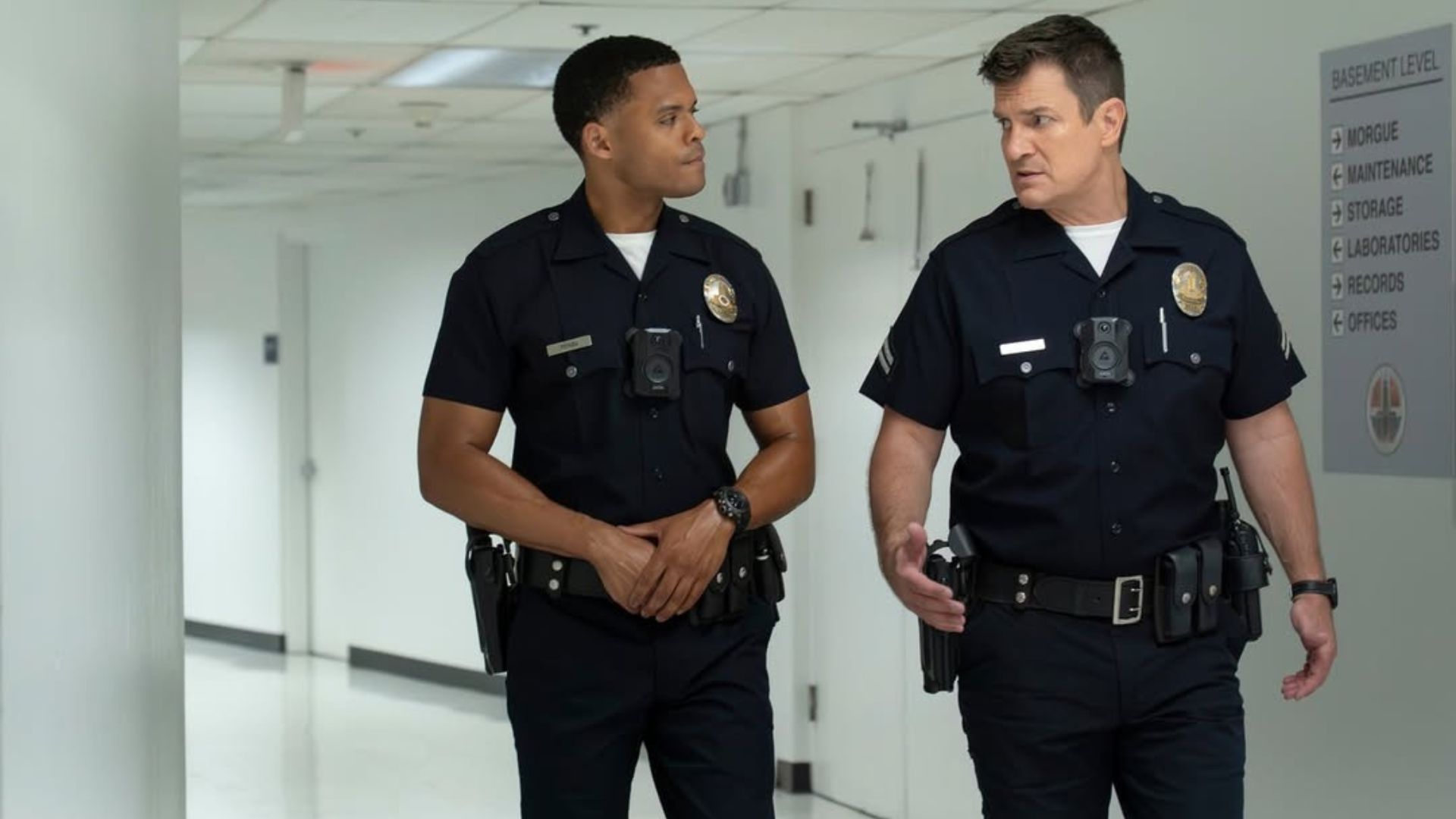
In the television series The Rookie, Aaron Thorsen, portrayed by Tru Valentino, navigates his probationary period within the Los Angeles Police Department under the mentorship of Training Officer Nyla Harper. This mentorship is a foundational element of the show’s procedural structure, defining Thorsen’s transition from a high-profile social media figure to a dedicated police officer through rigorous field training and interpersonal guidance.
The Role of the Training Officer in The Rookie
In the context of the Los Angeles Police Department as depicted in The Rookie, a Training Officer (TO) is an experienced veteran responsible for supervising, evaluating, and mentoring probationary officers—commonly referred to as "rookies." The TO serves as a gatekeeper of police culture, safety protocols, and technical proficiency. For a rookie, the relationship with their TO is the most critical professional bond they will form during their early career, as the TO’s evaluations determine whether the rookie is capable of serving as a solo officer.
When Aaron Thorsen joined the Mid-Wilshire Division, his path was complicated by his public history—specifically, his involvement in a high-profile murder case in France. Because of this, his integration into the department was not merely a matter of mastering patrol tactics; it required him to prove his dedication to law enforcement over his past notoriety. Nyla Harper, his assigned Training Officer, brought a distinct background to this dynamic. Having served as an undercover detective, Harper possessed a gritty, pragmatic approach to policing that stood in stark contrast to Thorsen’s initial naivety and the public scrutiny surrounding his name.
Defining the Mentor-Mentee Dynamic
The relationship between Nyla Harper and Aaron Thorsen is defined by a rigorous application of the Field Training Officer (FTO) program. Unlike other pairings in the show, the Harper-Thorsen dynamic emphasizes the necessity of shedding one's previous identity. Harper was frequently tasked with stripping away Thorsen’s reliance on his social media presence and his desire for public approval, pushing him to focus on the objective realities of street work.
This mentorship involved several core components:
- Tactical Realism: Harper insisted on absolute adherence to departmental procedures, emphasizing that in the field, deviations lead to life-or-death consequences.
- Psychological Fortitude: Thorsen’s struggle to overcome his past required Harper to act as both a supervisor and a psychologist, forcing him to confront how he was perceived by the public and his fellow officers.
- Accountability: Harper utilized a "tough love" methodology. She rarely shielded Thorsen from the consequences of his mistakes, forcing him to take ownership of his actions—a requirement for anyone hoping to graduate from the FTO program.
Comparison of Training Philosophies in The Rookie
The LAPD mentorship model in The Rookie varies significantly depending on the personalities involved. Below is a breakdown of how the FTO dynamic functions across the division, illustrating where Aaron Thorsen’s experience fits within the departmental hierarchy.
| Training Officer | Mentee Profile | Key Mentorship Focus |
|---|---|---|
| Nyla Harper | Aaron Thorsen | Shedding public identity and developing grit. |
| Tim Bradford | Lucy Chen | Pushing boundaries and high-stress decision making. |
| Angela Lopez | Jackson West | Navigating the politics of the job and ethics. |
| Wade Grey | Various | Administrative oversight and long-term career pathing. |
The differences between these pairings highlight that training at Mid-Wilshire is not a one-size-fits-all process. While Tim Bradford used an aggressive, high-pressure approach to test Lucy Chen’s reflexes, Harper’s approach with Thorsen was more clinical, focusing on professional maturity and the transition from a "civilian" mindset to that of a sworn officer.
The Impact of Probationary Status
The "Rookie" stage of the show refers to the Police Officer Probationary (POP) period. During this time, candidates are subject to daily performance evaluations. These evaluations are not merely academic; they impact every facet of the rookie’s day-to-day life, including shift scheduling, patrol assignments, and administrative scrutiny.
For Aaron Thorsen, the stakes were compounded by his background. If he performed poorly, the public controversy surrounding his recruitment would likely have been cited as evidence of a failed hiring process. Consequently, the pressure on him was higher than on other rookies. Harper’s role was to ensure that Thorsen became a "boring" cop—someone who followed the rules so closely that his previous reputation became irrelevant. This shift is a recurring theme in the series: the transformation of a "character" into a "clerk of the law."
Challenges and Growth in the Field
Throughout the seasons, the field training of Aaron Thorsen involves several developmental milestones. These are typical of the FTO process but are underscored by the specific challenges Thorsen faced as a man of status entering a profession that values anonymity and uniformity.
- Initial Skepticism: The primary challenge for any rookie is earning the respect of veteran officers. Thorsen faced double the skepticism due to his social media following. Harper acted as a buffer, but she also required him to prove his worth on the streets rather than using his charm to diffuse tense situations.
- Decision-Making under Duress: In several episodes, Thorsen was forced to make split-second decisions involving suspects. These moments are where the FTO program’s effectiveness is measured. The goal is to move the trainee from reactive, panic-driven decision-making to proactive, procedure-based action.
- Communication Skills: Thorsen was naturally charismatic, a trait that can be both an asset and a liability. Harper worked to refine this, teaching him how to use his communication skills to de-escalate rather than to perform for an audience.
The Significance of the "Training Officer" Title
In the real-world LAPD and within the show’s universe, the title of "Training Officer" is earned, not given. It represents a level of mastery that only a small percentage of patrol officers reach. Harper’s status as a veteran detective who moved back into a training role adds weight to her guidance. When she speaks, it is with the authority of someone who has navigated the complexities of undercover work and high-stakes criminal investigations.
For Thorsen, having a TO with such a decorated history served as a constant reminder of the standard he was expected to meet. The dynamic is less of a partnership between equals and more of a master-apprentice model. By 2026, the series has moved well past the initial training phases for many characters, yet the impact of the Harper-Thorsen mentorship continues to define how Thorsen approaches his duties as a fully vetted officer. His reliance on the lessons learned during those formative months is visible in his tactical choices and his interpersonal handling of suspects.
Frequently Asked Questions
Who was Aaron Thorsen’s primary Training Officer in The Rookie? Aaron Thorsen’s primary Training Officer was Nyla Harper. She was assigned to him during his probationary period at the Mid-Wilshire Division, providing the guidance and oversight necessary for him to transition into a full-time police officer.
Why was Aaron Thorsen’s training more difficult than other rookies? Thorsen’s training was complicated by his high-profile past and his previous status as a social media celebrity. He had to overcome public skepticism and the departmental suspicion that he was not taking the role of a police officer seriously, requiring him to work significantly harder to earn the trust of his peers and superiors.
Does Nyla Harper remain a Training Officer throughout the series? While Harper initially serves as a Training Officer, the characters in The Rookie often advance in rank or move to different divisions. However, her foundational influence on Thorsen’s career remains a constant, and her role as his TO during his probation is one of the most critical arcs for his character development.
How does the LAPD training process in The Rookie compare to real life? The show dramatizes the Field Training Officer (FTO) program for narrative effect. While real-world FTO programs are rigorous, structured, and focused on safety and procedure, the show emphasizes the interpersonal drama and high-stakes scenarios typical of a television procedural.
What is the end goal of the training phase for a character like Thorsen? The end goal is the completion of the probationary period, which allows the officer to be released for solo patrol. For Thorsen, it meant moving beyond the scrutiny of his past and becoming a reliable, competent member of the police force who operates entirely within the boundaries of the law and department protocol.
Practical Implications for Understanding the Series
When viewing The Rookie, understanding the FTO-probationary relationship is essential to grasping the show's pacing. The relationship between a TO and a rookie creates a natural structure for episodic storytelling. Each shift brings a new conflict, a new lesson, and a new test of the rookie’s competence.
If you are looking to understand the growth of Aaron Thorsen’s character, focus on the episodes where he and Nyla Harper have the most significant screen time. These scenes are designed to show the evolution of his professional judgment. Notice how his language changes, how his posture becomes more controlled, and how he stops seeking validation from the public, shifting his focus entirely to the safety of his team and the community he serves. This progression is a testament to the effectiveness of the training he received under Harper’s command.