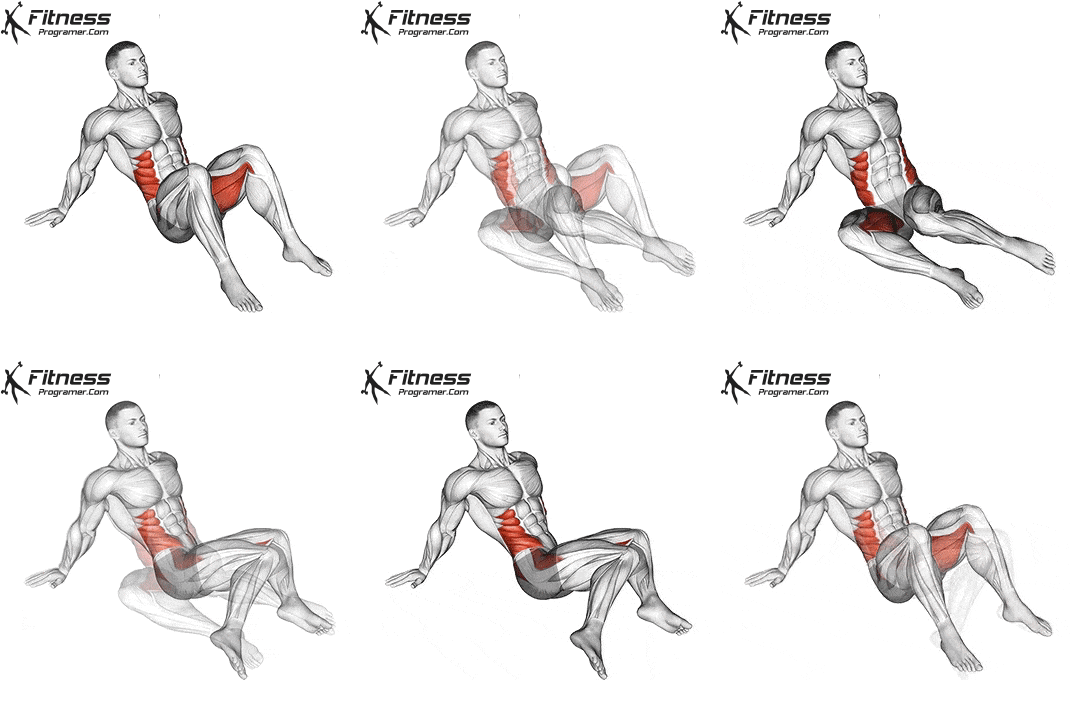
The 90/90 stretch is a foundational mobility exercise designed to improve the range of motion in the hip joints by simultaneously targeting internal and external rotation. By positioning the legs at 90-degree angles, this movement helps decompress the hip capsule, alleviate lower back tension, and enhance athletic performance through better pelvic alignment.
The Biomechanics of the 90/90 Position
To understand why the 90/90 stretch is considered the "gold standard" for hip mobility in 2026, we must first look at the anatomy of the hip joint. The hip is a ball-and-socket joint (the acetabulofemoral joint) capable of moving in multiple planes. However, modern lifestyles—characterized by prolonged sitting—often lead to a "frozen" hip capsule, where the joint loses its ability to rotate internally and externally.
The 90/90 stretch is unique because it places one hip into maximal external rotation (the lead leg) and the other into maximal internal rotation (the trail leg). This dual-action approach addresses the entire hip capsule in a single seated position. Most traditional stretches, such as the Pigeon Stretch, focus heavily on external rotation but neglect the internal rotation of the trailing hip. Internal rotation is arguably more critical for functional movements like the deep squat and the terminal stance phase of walking or running.
When you sit in the 90/90 position, you are not just stretching muscles like the gluteus medius or the piriformis; you are providing a mechanical stimulus to the joint capsule itself. This helps to hydrate the joint tissues and improve the "glide" of the femoral head within the socket.
Step-by-Step Guide to the 90/90 Stretch
Performing the 90/90 stretch requires precision. Small shifts in your torso or pelvic angle can significantly change which tissues are being targeted. Follow these steps to ensure you are maximizing the effectiveness of the movement.
Initial Setup
- Sit on a flat, firm surface (a yoga mat is ideal). Avoid soft couches or beds, as they do not provide the necessary feedback for your pelvis.
- Place your right leg in front of you. Bend the knee to exactly 90 degrees. Your shin should be perpendicular to your torso.
- Place your left leg to the side and behind you. Bend this knee to 90 degrees as well. Your left thigh should be pointing straight out to the side, and your left shin should be pointing straight back.
- Flex your feet (pull your toes toward your shins). This "active foot" position helps protect the knee joint by engaging the muscles surrounding the lower leg.
Refining the Lead Leg (External Rotation)
Once you are in position, focus first on the front leg. Your goal is to keep your spine tall. Many people make the mistake of "collapsing" into the stretch. Instead, imagine a string pulling the crown of your head toward the ceiling.
Slowly hinge forward from the hips—not the waist. Keep your chest proud and your back flat. As you lean over the front shin, you should feel a deep stretch in the outer hip and glute of the front leg. Hold this for 60 to 90 seconds to allow the nervous system to relax into the range of motion.
Refining the Trail Leg (Internal Rotation)
The back leg is where most people struggle. In the 90/90 position, the back hip is in internal rotation. To deepen this, try to sit your back sit-bone (the ischial tuberosity) down toward the floor. It is common for this hip to "hike" up.
While staying tall, rotate your torso slightly toward the back leg. You may feel a "pinchy" sensation or a deep tightness in the groin or the side of the hip. This is the internal rotation being challenged. Ensure you are breathing deeply; shallow breathing can trigger a sympathetic nervous system response that causes muscles to guard and tighten further.
Why Hip Mobility Matters for Total Body Health
In 2026, physical therapists and strength coaches emphasize the "joint-by-joint" approach to human movement. This theory suggests that the body is a stack of joints that alternate between needing stability and needing mobility. The foot needs stability, the ankle needs mobility, the knee needs stability, and the hip needs mobility.
If the hip joint is immobile, the body will seek that missing range of motion from the nearest available source: the lumbar spine (lower back) or the knees. This is why hip stiffness is a primary contributor to chronic lower back pain and ACL or meniscus issues.
Impact on the Lower Back
The lumbar spine is designed for stability, not excessive rotation or flexion. When your hips cannot rotate during a movement—like swinging a golf club or picking up a heavy box—your lower back takes the brunt of the force. By utilizing the 90/90 stretch to restore hip rotation, you effectively "unlock" the pelvis, allowing it to move independently of the spine.
Impact on Athletic Performance
For athletes, hip mobility is the key to power generation. The "hip hinge" is the foundation of the deadlift, the swing, and the jump. If the hip capsule is tight, you cannot reach full extension, which means you are leaving power on the table. Furthermore, internal rotation is required for "deceleration." If you are a runner or a field athlete, the ability to stop and change direction depends heavily on the internal rotation capacity of the hip.
Comparing Hip Mobility Exercises
Not all hip stretches are created equal. Depending on your specific tightness, you might need to prioritize different movements.
| Exercise | Primary Focus | Difficulty Level | Best Used For |
|---|---|---|---|
| 90/90 Stretch | Internal & External Rotation | Intermediate | Comprehensive joint health and capsule mobility. |
| Pigeon Stretch | External Rotation (Glutes) | Intermediate | Relieving sciatica-like symptoms and glute tightness. |
| Frog Stretch | Adductors (Inner Thigh) | Advanced | Improving squat depth and wide-stance power. |
| Couch Stretch | Hip Flexors & Quads | Intermediate | Correcting "anterior pelvic tilt" from sitting. |
| Butterfly Stretch | Adductors | Beginner | General relaxation and light groin opening. |
Common Mistakes to Avoid
To reap the benefits of the 90/90 stretch, you must avoid the "compensation patterns" that the body uses to bypass the hip joint.
1. Rounding the Lumbar Spine
The most common error is rounding the back to get closer to the floor. This takes the tension off the hip and places it on the spinal ligaments. Always prioritize a flat back over "depth." If you can only lean forward one inch while keeping a flat back, that is far more effective than touching your head to the floor with a rounded spine.
2. Forcing the Range of Motion
The hip is a sensitive joint. If you feel sharp, stabbing pain (particularly in the front of the hip), you may be experiencing Femoroacetabular Impingement (FAI). This is where the bone of the femur hits the rim of the socket. If you feel this, do not "push through" it. Instead, back off the angle or use a yoga block to elevate your hips.
3. Neglecting the Breath
Mobility is as much a neurological process as it is a physical one. If you are tensing your jaw or holding your breath, your brain will send signals to your muscles to stay tight as a protective mechanism. Use long, slow exhales (4-6 seconds) to signal to your brain that the position is safe.
Regressions and Progressions
Not everyone can sit comfortably in a 90/90 position on day one. If your hips are exceptionally tight, you may need to modify the exercise.
Regression: Elevated Hips
If you cannot sit upright without leaning heavily on your hand, sit on a yoga block, a rolled-up towel, or a firm cushion. Elevating the pelvis reduces the closing angle of the hip joint, making it much easier to maintain a neutral spine. You can also place a block under the front knee if it does not reach the ground.
Progression: The 90/90 "Flow"
Once you have mastered the static stretch, you can turn it into a dynamic mobility drill. While sitting in the 90/90 position, lift your knees off the floor and pivot on your heels to switch to the opposite side without using your hands for support. This requires significant core stability and active hip control. This "windshield wiper" motion is a staple in modern functional training programs.
Progression: PNF Stretching
Proprioceptive Neuromuscular Facilitation (PNF) involves contracting the muscle you are trying to stretch. While in the lead leg stretch, press your front ankle and knee into the floor as hard as you comfortably can for 10 seconds. Relax, then sink deeper into the stretch. This overrides the "stretch reflex" and allows for rapid gains in range of motion.
Medical Considerations and Safety
While the 90/90 stretch is generally safe, certain populations should exercise caution. If you have had a total hip replacement, you must consult your surgeon before attempting this, as extreme internal and external rotation may be contraindicated depending on the surgical approach used.
Additionally, individuals with "hypermobility" (excessively flexible joints) should focus more on controlling the 90/90 position through muscle tension rather than just "hanging out" in the end-range. For these individuals, the goal is stability within the range, not necessarily more range.
According to a study published in the Journal of Bodywork and Movement Therapies, active mobility drills like the 90/90 are more effective at long-term range of motion retention than passive stretching alone because they involve the nervous system in the movement process.
Frequently Asked Questions
How often should I do the 90/90 stretch?
For best results, perform the 90/90 stretch 3 to 5 times per week. Consistency is more important than duration. Daily practice is even better if you spend more than six hours a day sitting. Short, frequent bouts of mobility work tell the nervous system that this new range of motion is a permanent requirement.
Is it normal for my knees to hurt during this stretch?
No, you should not feel pain in the knee joint. If you do, it is usually a sign that your hip is so tight that the rotational force is "bleeding" into the knee. To fix this, ensure your feet are flexed (dorsiflexion) and try elevating your hips on a block. If the pain persists, reduce the angle of the knee from 90 degrees to a more acute angle.
Can the 90/90 stretch help with sciatica?
It can, depending on the cause of the sciatica. If your sciatic nerve is being compressed by a tight piriformis muscle (known as Piriformis Syndrome), the external rotation component of the 90/90 stretch can help release that tension. However, if your sciatica is caused by a herniated disc in the lumbar spine, you should be very careful with the forward-hinging motion.
Why is internal rotation so hard for me?
Internal rotation is often the first thing lost in the hip joint as we age or become sedentary. The muscles responsible for internal rotation (like the TFL and gluteus minimus) are often chronically tight or "shortened." Furthermore, many traditional fitness programs overemphasize external rotation, leading to a significant imbalance in the joint capsule.
How long should I hold each side?
For a static stretch, aim for 2 minutes per side. This is the approximate time required for the fascia and the joint capsule to begin to remodel. If you are using it as a dynamic warm-up, you can move through the positions more quickly, holding for only 5-10 seconds per side for 10 repetitions.
Final Recommendation
To truly transform your hip mobility, do not treat the 90/90 stretch as a mindless cool-down. Instead, approach it as a skill to be practiced. Start your next session by sitting in the 90/90 position for 2 minutes per side, focusing intently on your breath and spinal alignment. If you are consistent for 30 days, you will likely notice significant improvements in your squat depth, a reduction in lower back stiffness, and a more fluid gait when walking or running.