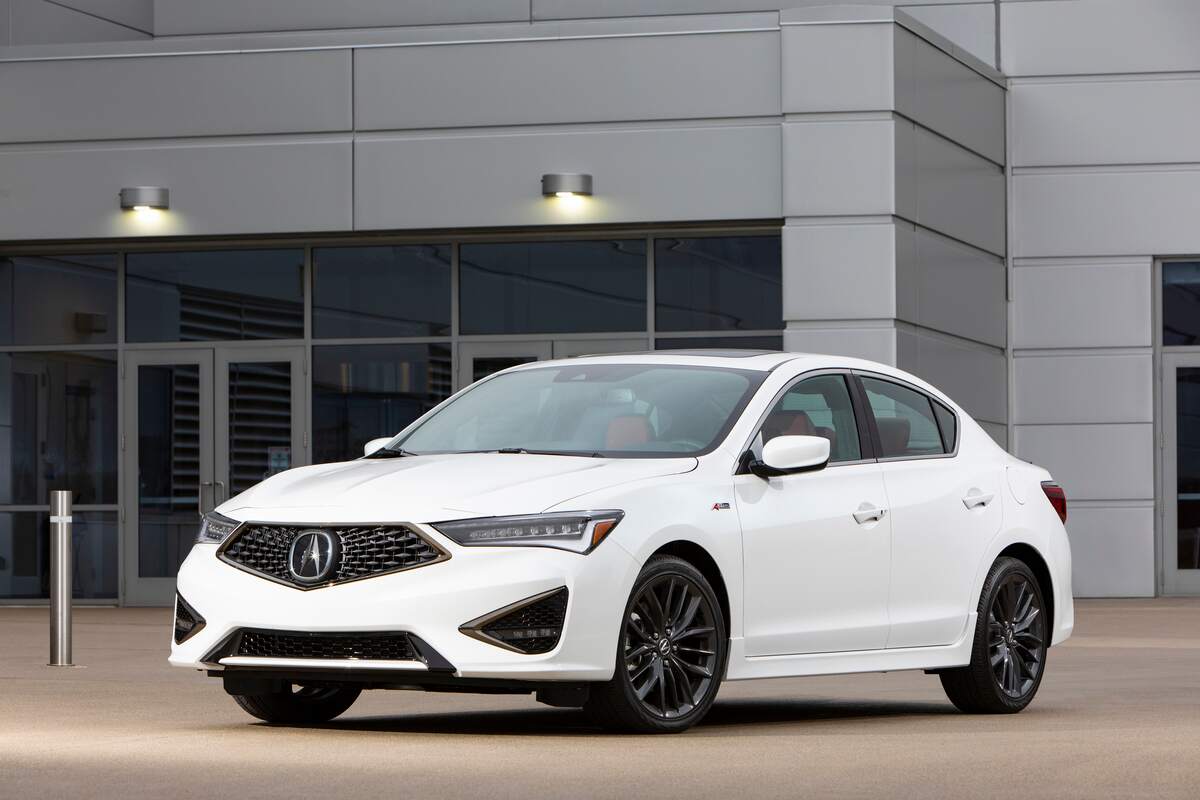
The quickest 0-60 mph time recorded for a stock Acura ILX is 6.4 seconds, a feat achieved by models produced between 2016 and 2022. This performance is specifically attributed to the 2.4-liter i-VTEC engine paired with Acura’s unique 8-speed Dual-Clutch Transmission (DCT), which optimized power delivery compared to earlier iterations.
The Acura ILX occupied a unique space in the entry-level luxury segment for a decade. While it was often criticized for its aging platform, its performance metrics—specifically the 6.4-second sprint to 60 mph—remained competitive until its eventual replacement by the revived Integra. To understand how a front-wheel-drive premium sedan achieved these numbers, one must look closely at the synergy between its high-revving naturally aspirated engine and a transmission that was, at the time of its release, ahead of its class.
The Mechanical Heart: The 2.4L K24W7 Engine
The primary driver behind the 6.4-second 0-60 mph time is the K24W7 engine. Introduced as part of the "Earth Dreams" technology suite during the 2016 mid-cycle refresh, this engine replaced both the lethargic 2.0-liter base engine and the previous 2.4-liter variant that required a manual transmission to extract its full potential.
Displacement and Power Density
The K24W7 is a 2.4-liter, dual-overhead-cam (DOHC) inline-four engine. In its ILX application, it produces 201 horsepower at 6,800 RPM and 180 lb-ft of torque at 3,600 RPM. While 201 horsepower might seem modest in the context of 2026 performance standards, the ILX benefited from a relatively low curb weight of approximately 3,100 pounds. This resulted in a power-to-weight ratio that allowed the vehicle to punch above its weight class during standing starts.
i-VTEC and Direct Injection
The "Earth Dreams" iteration of the K-series engine utilized direct injection and Acura’s signature i-VTEC (Intelligent Variable Valve Timing and Lift Electronic Control). By optimizing valve lift and timing for both low-end torque and high-end horsepower, the engine provided a linear power band. This linearity is crucial for a 0-60 mph sprint, as it prevents the "dead spots" in acceleration often found in small-displacement turbocharged engines that suffer from lag.
The Game Changer: The 8-Speed Dual-Clutch Transmission (DCT)
If the engine provided the muscle, the 8-speed Dual-Clutch Transmission (DCT) provided the brains. Before 2016, the ILX was split between a slow 5-speed automatic and a niche 6-speed manual. The introduction of the 8-speed DCT as the sole powertrain option across all trims unified the lineup's performance.
The Torque Converter Innovation
Most DCTs, such as those used by Volkswagen or Audi, use a computer-controlled clutch to launch the vehicle from a standstill. This can sometimes lead to "clutch chatter" or jerky low-speed behavior. Acura solved this by equipping their 8-speed DCT with a torque converter.
This hybrid approach provided the smooth, cushioned take-off of a traditional automatic while maintaining the lightning-fast gear changes of a dual-clutch system once the car was in motion. For 0-60 mph testing, this allowed the ILX to "brake boost" slightly at the line, building engine speed before releasing the brakes, which contributed significantly to achieving that 6.4-second mark.
Gear Ratio Optimization
The eight forward gears allowed engineers to use shorter ratios for the lower gears. Shorter gearing multiplies torque more effectively, resulting in more aggressive off-the-line acceleration. In a 0-60 mph test, the ILX typically requires two shifts, reaching 60 mph in third gear. The DCT’s ability to swap gears in milliseconds—far faster than a human could with a manual—is the reason the automatic model eventually outpaced the older manual versions in official testing.
Historical Performance Context: 2013–2022
To appreciate the 6.4-second figure, we must look at the evolution of the ILX performance. The model underwent significant changes that impacted its acceleration times over its ten-year production run.
| Model Year Range | Engine Displacement | Transmission Type | 0-60 MPH (Estimated) |
|---|---|---|---|
| 2013–2015 (Base) | 2.0L i-VTEC | 5-Speed Automatic | 8.8 – 9.2 Seconds |
| 2013–2015 (Premium) | 2.4L i-VTEC | 6-Speed Manual | 6.7 – 6.9 Seconds |
| 2016–2018 (Refresh) | 2.4L Earth Dreams | 8-Speed DCT | 6.4 – 6.6 Seconds |
| 2019–2022 (Final) | 2.4L Earth Dreams | 8-Speed DCT | 6.6 – 6.9 Seconds* |
*Note: Later models saw slight increases in weight due to added safety tech and sound deadening, occasionally resulting in marginally slower real-world test times compared to the lean 2016 launch model.
The jump from the 9-second range of the early 2.0L models to the 6.4-second range of the 2.4L DCT models represented a massive leap in drivability and prestige for Acura. It moved the ILX from being a "dressed-up Civic" to a legitimate entry-level sport sedan.
Real-World Factors Influencing the 0-60 Time
While 6.4 seconds is the benchmark "hero" time recorded by professional testers in optimal conditions, everyday drivers in 2026 may see variations. Performance is not a static number; it is a result of environmental and mechanical variables.
Tire Quality and Compound
The ILX came standard with all-season tires designed for longevity and fuel economy rather than maximum grip. Professional testers who achieved 6.4 seconds often did so on pre-prepped surfaces or with tires that had been properly warmed. In 2026, owners looking to replicate these times should look toward high-performance summer tires, which reduce wheel spin—a common issue for high-torque front-wheel-drive cars.
Fuel Octane and Engine Health
Although the ILX could run on 87-octane fuel, Acura recommended 91-octane premium fuel for maximum performance. Using lower-grade fuel causes the engine's knock sensors to retard ignition timing to prevent damage, which directly reduces horsepower and increases 0-60 mph times. Furthermore, as these vehicles age into 2026, carbon buildup on the intake valves (a common trait of direct-injection engines) can slightly degrade performance unless regular maintenance is performed.
Environmental Conditions
Density altitude plays a major role in naturally aspirated engine performance. A 2.4L ILX running in the cool, sea-level air of a California coast will be significantly faster than the same car running in the thin, hot air of Denver, Colorado. Because it lacks a turbocharger to force air into the cylinders, the ILX is more susceptible to "power fade" in high temperatures.
Comparing the ILX to Its Successors and Rivals
By 2026, the ILX has been replaced by the Acura Integra. While the Integra offers a more modern interior and a turbocharged engine, the ILX’s 6.4-second time remains a point of comparison for used car buyers.
ILX vs. 2023-2026 Integra
The standard Integra (non-Type S) utilizes a 1.5-liter turbocharged engine. While the Integra offers more torque at lower RPMs, its 0-60 mph times are often remarkably similar to the ILX, usually falling in the 7.0 to 7.5-second range when equipped with the CVT. Only the 6-speed manual Integra or the high-performance Type S significantly outshines the old ILX in a straight line. This makes the ILX a "sleeper" value for those who prefer the feel of a high-revving naturally aspirated engine and a lightning-fast DCT.
ILX vs. The Competition
When the ILX was recording its 6.4-second times, its primary rivals were the Audi A3 and the Mercedes-Benz CLA 250.
- Audi A3 (2.0T): Generally faster, often hitting 0-60 in 5.5 to 6.0 seconds thanks to Quattro all-wheel drive.
- Mercedes CLA 250: Comparable to the ILX, usually clocking in around 6.3 to 6.8 seconds.
- Lexus IS 200t/300: Often slower than the ILX in real-world testing due to its significantly higher curb weight, usually landing in the 6.8 to 7.2-second range.
Enhancing the ILX Performance: Beyond 6.4 Seconds
For enthusiasts who find the 6.4-second time insufficient, the aftermarket for the K-series engine is vast. Even in 2026, the ILX remains a popular platform for "OEM+" tuning.
- Electronic Control Unit (ECU) Tuning: Platforms like Hondata or KTuner allow owners to reflash the ILX's computer. This can lower the VTEC engagement point and optimize fuel maps, potentially shaving a few tenths off the 0-60 time.
- Intake and Exhaust: While the gains are modest on a naturally aspirated engine, improving airflow can help the 2.4L engine breathe better at the high RPMs required for a 6.4-second sprint.
- Weight Reduction: Removing the spare tire and using lightweight alloy wheels can improve the power-to-weight ratio. Since the ILX is front-wheel drive, reducing "unsprung weight" at the front wheels also helps the suspension react faster, improving traction during a launch.
Maintenance for Peak Acceleration
To maintain the quickest possible acceleration in an aging ILX, specific mechanical areas require attention:
- DCT Fluid Changes: The 8-speed DCT is a precision instrument. Acura recommends changing the fluid every 30,000 to 60,000 miles. Fresh fluid ensures the clutches engage crisply without slipping.
- Spark Plugs: Using the correct iridium-tipped plugs is essential for the high-compression K24 engine to ensure complete combustion.
- Mounting Hardware: The engine mounts in the ILX are known to wear. If the mounts are soft, the engine "rocks" during a hard launch, leading to wheel hop and slower 0-60 times.
Summary of Findings
The "6.4 second quickest Acura ILX 0-60" is not just a marketing number; it represents the pinnacle of Acura's naturally aspirated, small-displacement engineering. It was made possible by the combination of the 201-hp K24W7 engine and the innovative 8-speed DCT.
Frequently Asked Questions
Is the Acura ILX faster than the Acura Integra? In base configurations, the 2016–2022 ILX is often faster in a 0-60 mph sprint than the 2023–2026 base Integra equipped with a CVT. However, the Integra Type S is significantly faster, with a 0-60 mph time under 5.5 seconds.
Which year of the Acura ILX is the fastest? The 2016 through 2022 models are the fastest. Specifically, the 2016–2017 models are often cited as the quickest because they were slightly lighter than the later models which included more standard safety equipment (AcuraWatch).
Does the Acura ILX have a turbo? No, the Acura ILX never came with a factory turbocharger. It relied on high-revving, naturally aspirated i-VTEC engines. This contributes to its reputation for reliability compared to newer turbocharged rivals.
Why did Acura use a torque converter in a dual-clutch transmission? Acura used a torque converter to eliminate the low-speed jerkiness common in DCTs. This allowed the ILX to have the smooth take-off of a luxury car while maintaining the fast shifts of a sports car, which helped it achieve its 6.4-second 0-60 time.
Can I get an Acura ILX with a manual transmission and still get 6.4 seconds? The 6-speed manual was only available on the 2013–2015 models. While it was engaging to drive, its 0-60 times were generally closer to 6.7–6.9 seconds. The 8-speed DCT is the transmission that enables the quickest 6.4-second time.
Final Recommendation
If you are looking for a reliable, entry-level luxury sedan with respectable acceleration in 2026, the 2016–2022 Acura ILX remains a strong contender on the used market. To ensure you hit that 6.4-second potential, prioritize a well-maintained vehicle with a documented history of DCT fluid changes and use high-quality premium fuel and performance-oriented tires.