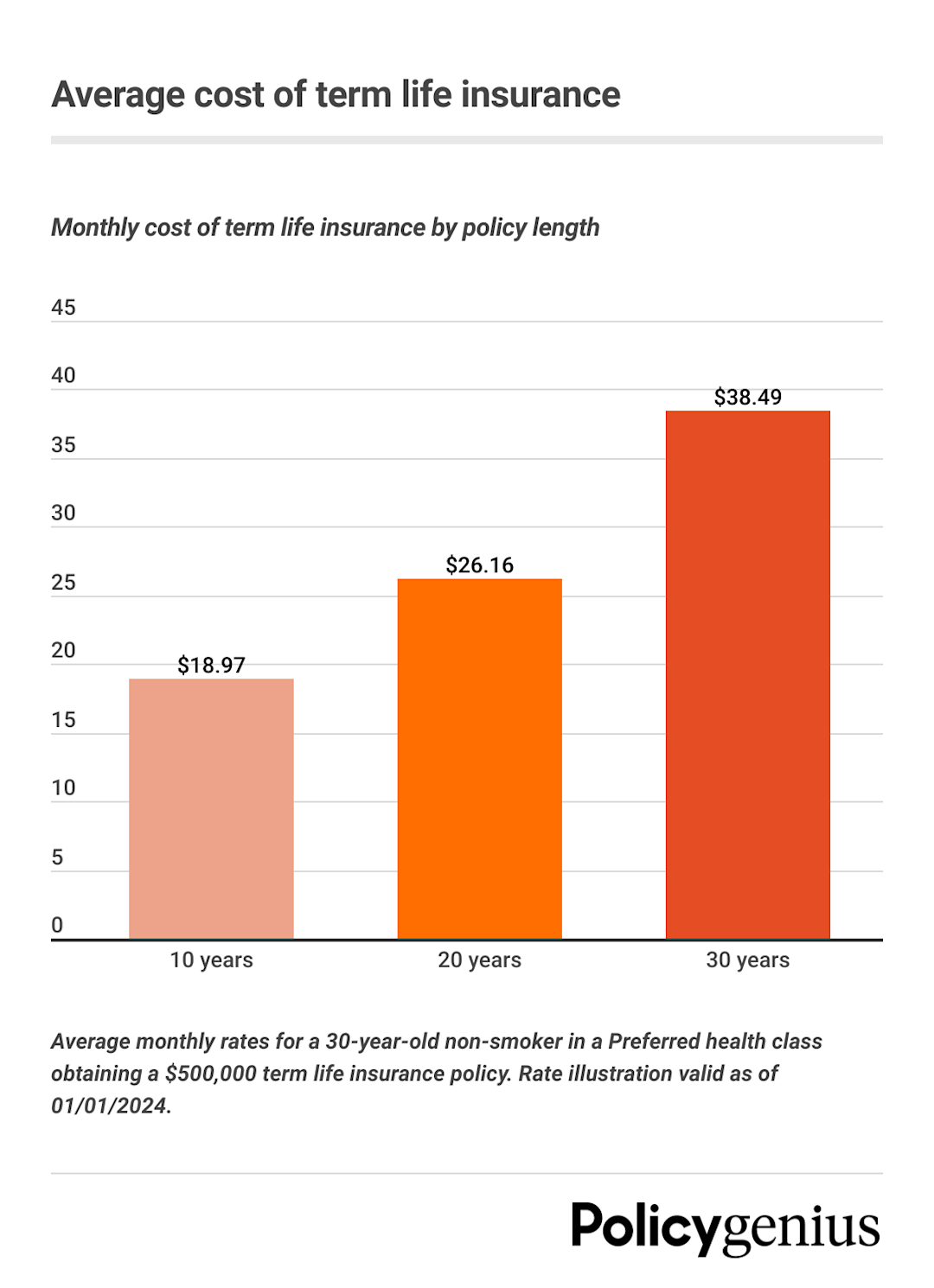
Securing a $500,000 20-year term life insurance policy at age 62 as a non-smoker typically requires navigating significantly higher premium rates than younger brackets, with monthly costs generally ranging from $300 to over $700 depending on exact health classifications, underwriting stringency, and policy riders.
Purchasing life insurance later in life is an intentional financial decision. When you reach age 62, the traditional landscape of life insurance shifts dramatically compared to your thirties or forties. Many individuals at this stage of life are looking to replace lost income, cover remaining mortgage balances, protect a spouse's retirement income, or finalize estate planning goals. Because a 20-year term policy will stretch until the insured reaches age 82, life insurance carriers evaluate the mortality risk meticulously. Understanding the nuances of pricing, underwriting categories, and alternative policy structures is essential for securing adequate financial protection without overpaying.
The Financial Reality of Age 62 Term Life Insurance
At age 62, chronological age is one of the primary drivers of premium costs. Insurance companies rely on actuarial tables that map out life expectancy based on large pools of statistical data. When a policy spans twenty years—concluding when the insured is 82—the probability of an insurable event occurring increases relative to younger cohorts. Consequently, the cost of coverage reflects this elevated risk.
A $500,000 face amount is a substantial death benefit designed to fulfill significant financial obligations. For a 62-year-old non-smoker, insurance carriers do not look at "non-smoker" as a monolithic category. Instead, they divide non-smokers into multiple health tiers, such as Preferred Plus, Preferred, Standard Plus, and Standard. Two individuals of the exact same age and height-to-weight ratio can receive drastically different quotes based on minor blood pressure readings, cholesterol levels, or family medical histories.
Furthermore, economic factors such as inflation, carrier overhead, and state-specific regulatory fees can influence the final pricing. While term life insurance remains significantly more affordable than permanent options like whole life or universal life, locking in a 20-year commitment at age 62 requires a realistic assessment of long-term budgetary capacity.
How Underwriting Categories Shape Your Premium
When you apply for a $500,000 20-year term policy, the insurance carrier's underwriters evaluate your medical and lifestyle profile. The classification you receive determines your final monthly or annual premium. Understanding these tiers helps demystify why initial online quote calculators often differ from final formal offers.
Health Tiers Breakdown for Non-Smokers
- Preferred Plus (or Preferred Best): Reserved for individuals with optimal health metrics. Blood pressure, cholesterol, build (height and weight), and family medical history must fall within strict, highly favorable parameters. There can be no history of major chronic illnesses.
- Preferred: Designed for healthy individuals who may have minor, well-controlled health variations or a slightly less pristine family medical history, yet still represent a lower-than-average mortality risk for their age.
- Standard Plus: A common category for individuals who are generally healthy and active, but perhaps take medication for manageable conditions like mild hypertension or have slightly elevated cholesterol that is successfully regulated.
- Standard: The baseline category for applicants of average health. This tier accommodates minor health issues, a higher body mass index (BMI), or routine prescriptions that do not indicate severe systemic disease.
Even as a non-smoker, any history of tobacco use within the past 3 to 5 years—including cigars, pipes, chewing tobacco, or e-cigarettes/vaping—will typically disqualify an applicant from non-smoker rates, moving them into much higher smoker or tobacco rate classes. It is crucial to be entirely truthful on the application, as paramedical exams and medical record reviews (such as the Medical Information Bureau database and prescription history checks) will verify tobacco-free status through nicotine metabolites.
Estimated Cost Matrix for a 500k 20-Year Term Policy at Age 62
To provide a clear baseline, the table below outlines estimated monthly and annual premium ranges for a healthy 62-year-old non-smoker securing a $500,000 20-year term life insurance policy. Note: These figures are approximations based on aggregate industry averages and vary based on gender, state of residence, and specific underwriting outcomes.
| Underwriting Health Class | Estimated Monthly Premium ($) | Estimated Annual Premium ($) |
|---|---|---|
| Preferred Plus (Male) | $310 – $390 | $3,650 – $4,600 |
| Preferred Plus (Female) | $260 – $330 | $3,050 – $3,900 |
| Standard (Male) | $550 – $750 | $6,450 – $8,800 |
| Standard (Female) | $430 – $580 | $5,050 – $6,800 |
As demonstrated by the data, gender plays a notable role in pricing. Because statistical data indicates women generally have a longer life expectancy than men, female applicants across identical health classes secure lower premium rates.
Key Factors That Influence Your Quote
Beyond your age and smoking status, several distinct variables will be scrutinized during the underwriting process for a policy of this size.
Medical Examination and Lab Work
Almost all traditional 500k term life insurance applications for a 62-year-old require a paramedical exam. A licensed medical professional will visit your home or office to measure your height, weight, blood pressure, pulse, and collect blood and urine samples. These labs screen for glucose levels (diabetes indicators), liver and kidney function, cholesterol panels, and traces of nicotine or other substances.
Medical History and Prescription Records
Underwriters will request an Attending Physician Statement (APS) from your primary care doctor if you report any chronic conditions. They also cross-reference your identity with prescription database histories. Regular maintenance medications for conditions like asthma, mild anxiety, or minor joint pain are often acceptable, provided the conditions are stable and well-documented.
Driving Record and Lifestyle Habits
Your motor vehicle report (MVR) will be reviewed for major infractions, DUIs, or excessive speeding tickets within the past 3 to 5 years. Additionally, engaging in high-risk hobbies such as private aviation, skydiving, rock climbing, or scuba diving can result in flat extra premium charges or coverage exclusions.
Alternatives and Considerations for Age 62
If a 20-year term policy proves too costly or if your financial obligations do not require a full two-decade commitment, you have several alternative pathways to explore.
Considering Shorter Term Lengths
At age 62, a 15-year or even a 10-year term policy might align more accurately with your actual financial liabilities. For example, if you only have 10 years remaining on your mortgage or until your youngest dependent finishes college, opting for a shorter term will significantly reduce your monthly premium, making $500,000 of coverage much more budget-friendly.
Conversion Privileges
Many reputable term life insurance policies include a conversion rider. This contractual feature allows the policyholder to convert all or part of their term coverage into a permanent life insurance policy (such as whole life) without undergoing a new medical examination. For a 62-year-old, this offers the flexibility to secure affordable temporary coverage now while retaining the option to lock in permanent protection later in life.
Graduated or Decreasing Term Structures
If your primary concern is covering a specific debt that decreases over time, specialized products can sometimes be structured to match that trajectory. However, for most estate planning and income replacement needs, a level-premium term policy remains the standard recommendation because the death benefit and premium costs remain constant throughout the 20-year duration.
Frequently Asked Questions
Can I qualify for preferred non-smoker rates if I occasionally smoke cigars?
Most life insurance underwriting guidelines treat any form of tobacco or nicotine use—including occasional or social cigar smoking—as a smoker classification, which drastically increases the cost. A few companies may offer non-smoker rates if you test negative for nicotine and can prove infrequent use through a signed questionnaire, but these are exceptions rather than the rule.
Will I need a medical exam for a 500k policy at age 62?
Yes, for a face value of $500,000 at age 62, almost all insurance carriers require a full paramedical exam and lab work. While "no-exam" or accelerated underwriting policies exist, they are typically capped at lower face amounts (often $250,000 or less) and are more frequently marketed to younger, highly healthy demographics.
What happens if I outlive the 20-year term policy?
A term life insurance policy provides pure protection for a specified period. If you reach age 82 and the 20-year term expires, the coverage terminates, and no death benefit is paid out unless you die during the active term. Premiums paid into the policy are not refunded unless you purchased a rare and expensive Return of Premium (ROP) rider.
Can my rates increase during the 20-year term?
No. One of the defining characteristics of a level-term life insurance policy is that once your application is approved and the policy is issued, your premium remains locked for the entire 20-year duration, provided you pay your premiums on time.
Is it better to buy one 500k policy or two 250k policies?
Purchasing a single $500,000 policy is almost always more cost-effective than buying two separate smaller policies. Life insurance companies often have pricing tiers (band structures) where rates drop slightly once you cross certain coverage thresholds, such as $250,000 or $500,000, meaning administrative fees are only applied once.
Next Actions and Recommendations
If you are prepared to move forward with securing a $500,000 20-year term life insurance policy at age 62, your immediate next step is to consult with an independent insurance broker. Because independent agents represent multiple carriers rather than just one, they can shop your specific health profile across various insurance companies to find the most competitive underwriting offer. Gather your medical history, list your current prescription medications, and request formal quotes to compare your options accurately.