The cinematic expansion of the DC Extended Universe brought a fresh wave of mythological depth and superhero action to the screen, highlighted by Shazam! Fury of the Gods (2023). Amidst a crowded roster of fantastical beings, divine deities, and teenage foster kids bestowed with immense cosmic power, five specific characters drive the core narrative forward. Understanding these figures, their dramatic responsibilities, and their narrative functions reveals how the film balances high-stakes comic book spectacle with themes of family, maturity, and responsibility.
Introduction to the Shazam Cinematic Mythos
Before exploring the individual players, it is vital to understand the structural framework of the Shazam universe. When Billy Batson says the magical word, he transforms into an adult champion endowed with the wisdom of Solomon, the strength of Hercules, the stamina of Atlas, the power of Zeus, the courage of Achilles, and the speed of Mercury. In the sequel, these divine attributes are pushed to their absolute limits when the orphaned foster family faces an existential threat from ancient Greek mythology.
The narrative introduces a blend of returning fan-favorites and formidable antagonists who challenge the status quo of the Shazam Family. By dissecting five key characters—Billy Batson/Shazam, Hespera, Kalypso, Freddy Freeman, and Anthea—audiences gain a comprehensive look at how mortal flaws and godly burdens intersect. Each of these figures occupies a distinct role in the plot, functioning either as a pillar of emotional weight, a vector of mythological conflict, or a catalyst for personal growth.
1. Billy Batson / Shazam (Asher Angel / Zachary Levi)
The Burden of Leadership and Identity
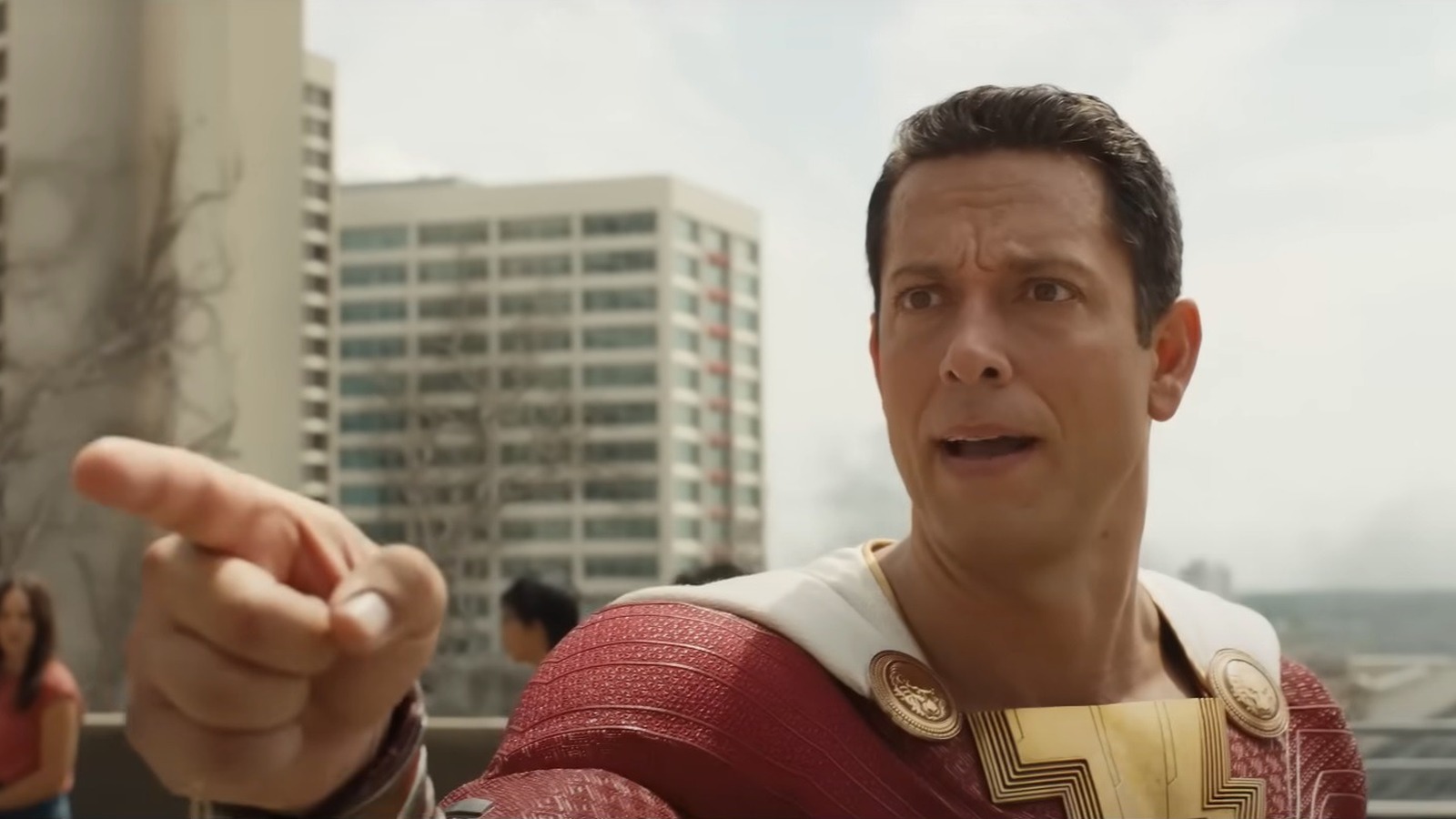
As the central protagonist of the narrative, Billy Batson stands at a crossroads of maturity. Having shared his powers with his foster siblings at the end of the first film, Billy now leads a team of teenage superheroes. However, as he approaches his eighteenth birthday, the looming reality of aging out of the foster care system threatens to dismantle the only family he has ever truly known.
Zachary Levi’s portrayal of the superhero alter ego balances childlike exuberance with the crushing weight of existential anxiety. Billy’s primary role in Shazam! Fury of the Gods is to learn that leadership does not mean carrying every burden alone. His arc shifts from desperately trying to hold his siblings together through rigid control to trusting them as independent heroes in their own right. This emotional vulnerability grounds the high-concept fantasy elements, ensuring that the character's journey resonates with the overarching themes of belonging and abandonment.
Tactical Function in the Narrative
From a structural standpoint, Billy serves as the primary focal point for the film's external conflict. As the champion chosen by the ancient wizard, he possesses the direct line to the power of the gods, making him the primary target of the vengeful daughters of Atlas. His battles against divine forces test the limits of his durability and require him to evolve past simple bravado into tactical maturity.
2. Hespera (Helen Mirren)
The Eldest Daughter of Atlas and Arbiter of Vengeance
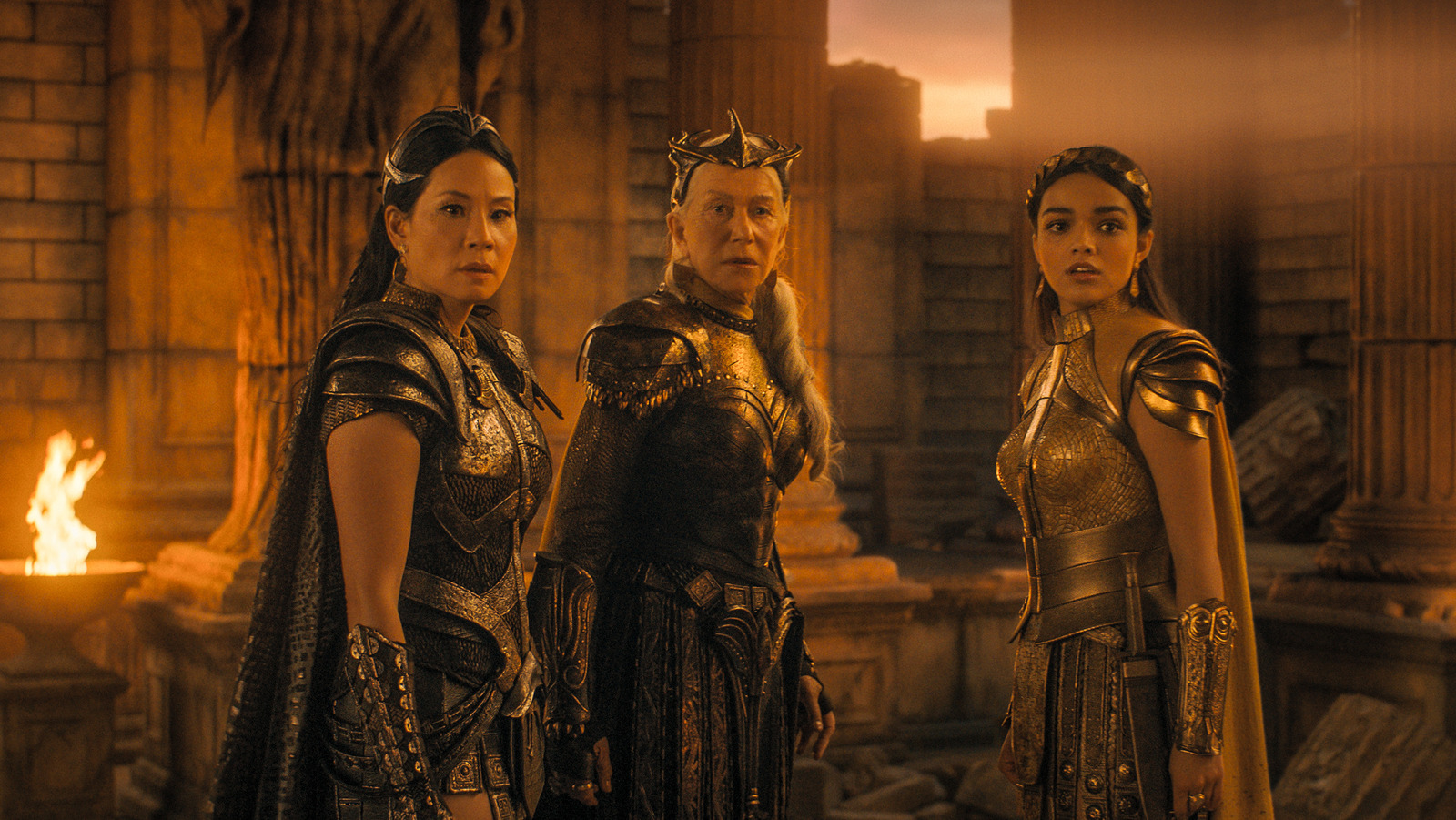
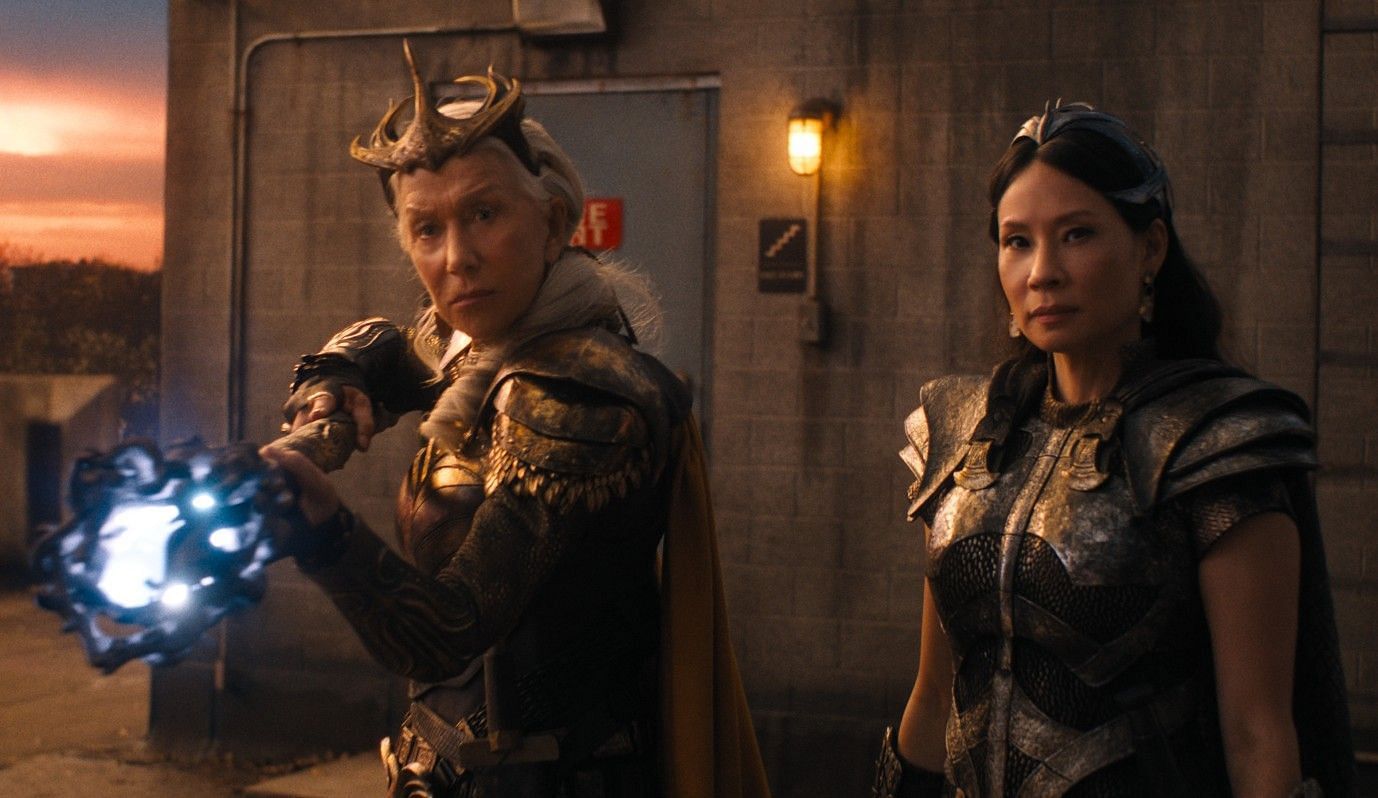
Portrayed by Academy Award-winning actress Helen Mirren, Hespera is the eldest of the three daughters of Atlas and a principal antagonist of the film. Armed with the formidable power to manipulate elements and enforce her will, Hespera embodies a tragic sense of divine entitlement. Her primary motivation stems from the theft and breaking of the Wizard's staff, which she views as a sacred artifact stolen from her lineage by mortal beings whom she considers unworthy.
Hespera’s role in the narrative is multifaceted. Unlike her more volatile sister, she initially displays a sense of diplomacy and strategic restraint, seeking to reclaim the lost power of the gods to restore her realm rather than resorting to mindless destruction. Her character serves as a foil to Billy Batson; both are fiercely protective of their respective "families," but Hespera's protective instincts are warped by thousands of years of isolation, grief, and a rigid adherence to mythological hierarchy.
Strategic Conflict and Complexity
Mirren’s performance brings a layer of weary majesty to the character. Hespera understands the catastrophic consequences of using the Apple of Discord, yet she feels compelled by duty to her deceased father to reclaim their lost divine heritage. Her interactions with Billy create a thematic dialogue about legacy, raising the question of whether children are eternally bound to avenge the grievances of their parents.
3. Kalypso (Lucy Liu)
The Agent of Absolute Destruction
Played by Lucy Liu, Kalypso is the middle daughter of Atlas and the most aggressively hostile force in the narrative. While Hespera clings to a sense of order and restoration, Kalypso is consumed by bitter resentment and a desire to use the seed of the Tree of Life to reshape the Earth in the image of the ancient gods. Wielding the power of chaos and manipulation, she acts as the driving catalyst for the film's third-act escalation.
Kalypso’s role centers on pushing the narrative past the point of negotiation. Her willingness to sacrifice her own kin and devastate mortal populations highlights the dangers of unchecked divine wrath. By utilizing the mythological creatures of the ancient world—such as dragons, harpies, and minotaurs—Kalypso brings traditional fantasy tropes into the modern urban landscape of Philadelphia, forcing the Shazam Family into a desperate defensive war.
4. Freddy Freeman (Jack Dylan Grazer / Adam Brody)
The Heart, Humor, and Quest for Independence
Freddy Freeman serves as the emotional anchor of the supporting cast. As Billy’s witty, comic-book-obsessed foster brother, Freddy remains in his mortal form longer than the others, grappling with his own physical disability and a deep desire to prove himself as a hero independently of Billy's shadow. When he crosses paths with Anthea, his trajectory shifts into a deeply personal storyline involving trust, teenage romance, and validation.
Jack Dylan Grazer’s comedic timing and earnest delivery provide much of the film's levity, while Adam Brody’s superhero counterpart balances this with classic comic-book bravado. Freddy’s role is critical because he represents the human cost of the superhero lifestyle. His kidnapping by the daughters of Atlas raises the dramatic stakes for Billy, transforming a cosmic conflict into a deeply personal rescue mission.
5. Anthea / Anne (Rachel Zegler)
The Mysterious Catalyst and Goddess of Youth
Rachel Zegler portrays Anthea, the youngest daughter of Atlas, who infiltrates the mortal world disguised as a high school student named Anne. Posing as a teenager allows Anthea to get close to Freddy Freeman, creating a subtle psychological dynamic that complicates the simplistic division between heroes and villains. Anthea possesses the divine ability to manipulate gravity, allowing her to bend spatial geometry to her will.
Anthea’s role in the story is that of a reluctant participant. Unlike her sisters, she is weary of the endless cycle of divine vengeance and feels disconnected from the aggressive ambitions of Kalypso. Her growing bond with Freddy introduces a moral gray area, demonstrating that not all descendants of the gods are committed to human eradication. Through her interactions with the Shazam Family, Anthea helps bridge the gap between mortal empathy and divine heritage, ultimately turning against her family to save innocent lives.
Character Dynamics and Narrative Comparison
To fully grasp how these five figures interact within the cinematic structure, it is helpful to examine their alignments, powers, and primary narrative functions side by side.
| Character | Actor | Affiliation / Role | Core Power Set | Primary Narrative Function |
|---|---|---|---|---|
| Billy Batson | Asher Angel / Zachary Levi | Shazam Family / Protagonist | Omnipotence via magic word (Wisdom, Strength, Stamina, Power, Courage, Speed) | Learns the true meaning of family leadership and selfless sacrifice. |
| Hespera | Helen Mirren | Daughters of Atlas / Antagonist | Elemental manipulation, combat mastery, martial endurance | Represents tragic divine entitlement and weary guardianship. |
| Kalypso | Lucy Liu | Daughters of Atlas / Primary Antagonist | Chaos manipulation, mental domination, control of mythological beasts | Acts as the destructive force driving the ultimate climax. |
| Freddy Freeman | Jack Dylan Grazer / Adam Brody | Shazam Family / Supporting Lead | Enhanced durability/flight in hero form; intellectual wit in mortal form | Drives emotional stakes and personal quests for independence. |
| Anthea | Rachel Zegler | Daughters of Atlas / Reluctant Ally | Gravitational manipulation, spatial distortion | Provides moral nuance and bridges the mortal-divine divide. |
Practical Impact and Common Misconceptions
When evaluating these characters within the broader scope of comic book adaptations, viewers often debate their fidelity to source materials. It is important to note that Hespera and Kalypso were created specifically for the cinematic universe, drawing loose inspiration from various figures in Greek mythology rather than existing as prominent fixtures in DC Comics canon. Anthea similarly reinterprets classical mythological motifs to fit the contemporary framing of a foster family narrative.
A common pitfall for audiences approaching this ensemble is viewing the villains as one-dimensional threats. In practice, the narrative attempts to give the daughters of Atlas a sympathetic foundation rooted in the loss of their father and homeland. However, the pacing often prioritizes fast-paced action sequences over deep character exploration for the antagonists, leaving Hespera and Kalypso defined more by their mythological opposition than complex psychological arcs.
Conclusion and Next Actions
Examining the roles of Billy Batson, Hespera, Kalypso, Freddy Freeman, and Anthea illustrates how Shazam! Fury of the Gods uses its character ensemble to explore themes of maturity, belonging, and familial loyalty. Whether revisiting the film for its mythological set pieces or analyzing its character dynamics, focusing on these five figures uncovers the emotional core driving the spectacle. To deepen your appreciation of the movie, consider re-watching key dialogue scenes between Billy and Hespera to observe how their contrasting views on family dictate the narrative's ultimate resolution.