The finale of True Detective Season 3, titled "Now Am Found," delivers a deeply emotional and character-driven resolution to the decades-long Purcell case. Rather than leaning into the occult conspiracies of the first season, it focuses on the ravages of time, the fragility of memory, and the redemptive power of friendship, offering a quiet, poignant conclusion to Wayne Hays’ journey.
Decoding the Mystery: What Really Happened to Julie Purcell?
The primary tension throughout Season 3 was the fate of Julie Purcell, who vanished in 1980 alongside her brother, Will. For eight episodes, viewers were led down a rabbit hole of potential pedophile rings, corporate cover-ups, and ritualistic imagery. However, the finale subverts these expectations by revealing a story that is far more grounded in human tragedy and accidental grief than in systemic evil.
The "One-Eyed Man," revealed to be Junius "Mr. June" Watts, provides the missing pieces of the puzzle. Through his confession to Wayne (Mahershala Ali) and Roland (Stephen Dorff) in the 2015 timeline, we learn that Isabel Hoyt, the grieving daughter of the Hoyt Foods patriarch, had lost her own husband and daughter in a car accident. In her instability, she sought a connection with Julie Purcell. This connection was facilitated by Mr. June, leading to "playdates" in the woods.
The tragedy occurred when Will Purcell tried to prevent Isabel from taking his sister. In the ensuing struggle, Will fell and hit his head on a rock, dying instantly. Isabel, in a state of manic desperation, took Julie back to the Hoyt estate, where the young girl was kept in a "pink room" and drugged with lithium to keep her compliant and forgetful of her past. Eventually, with the help of Mr. June, Julie escaped as an adult, found sanctuary in a convent, and was believed to have died of HIV/AIDS. However, the finale provides a final twist: Julie faked her death with the help of the nuns and a childhood friend, Lucy’s classmate Mike Ardoin, to live a quiet, anonymous life.
The Subversion of Expectations: Tragedy vs. Conspiracy
One of the most discussed aspects of the True Detective Season 3 finale is its refusal to mirror the "Yellow King" grandiosity of Season 1. By 2026, television critics have largely come to appreciate this subversion, though it was polarizing at the time of its 2019 release. Nic Pizzolatto, the show’s creator, used the audience's familiarity with the genre to create red herrings. The straw dolls and the ominous Hoyt family were not markers of a cult, but symptoms of a wealthy family’s private, messy grief and the lengths they would go to protect their own.
By stripping away the supernatural or hyper-violent elements, the finale forces the viewer to confront the reality of the characters' lives. The "monster" wasn't a cosmic entity; it was a series of bad decisions, accidents, and the slow erosion of the truth by time. This makes the resolution feel more intimate. The horror is not in a hidden dungeon, but in the lost decades of a young girl’s life and the toll the search took on Wayne and Roland.
Mahershala Ali and the Fragility of Memory
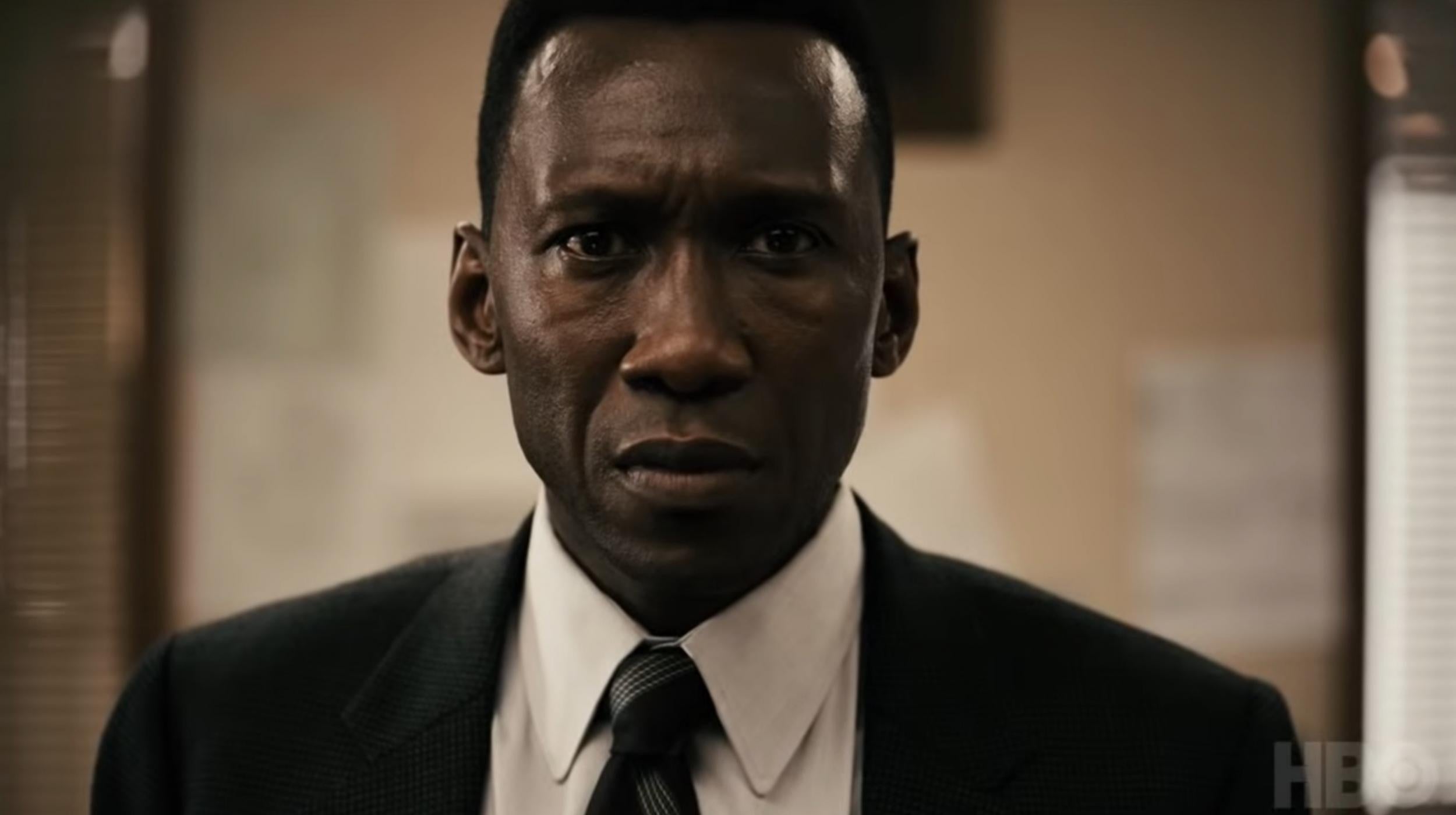
The 2015 timeline serves as the emotional anchor of the finale. Mahershala Ali’s performance as the elderly Wayne Hays is a masterclass in subtlety. In this timeline, Wayne is battling early-stage dementia, a condition that mirrors the fractured nature of the show’s storytelling. His memory is a sieve, and his obsession with the Purcell case is the only thing keeping his identity intact.
The moment Wayne finally arrives at the Ardoin house—having deduced Julie's location through a sheer spark of clarity—is perhaps the most heartbreaking scene in the series. Just as he stands on the threshold of the truth he has sought for 35 years, his memory fails him. He forgets why he is there. He asks for directions, drinks a glass of water provided by Julie herself (whom he does not recognize), and leaves.
This sequence emphasizes a central theme of the season: some truths are unreachable, not because they are hidden, but because we lose the capacity to hold onto them. While the audience receives closure, the protagonist is denied it, leaving him in a state of peaceful ignorance that is both frustrating and merciful.
The Bond of Wayne and Roland: The Real Heart of the Season
While the mystery provides the plot, the relationship between Wayne Hays and Roland West provides the soul. The finale spends a significant amount of time in the 2015 timeline showing these two old men reconciling. Stephen Dorff’s portrayal of Roland in his later years—lonely, living in a remote cabin with his dogs—complements Ali’s performance perfectly.
Their reunion is built on shared trauma and the weight of their past actions, specifically the extrajudicial killing of Harris James in 1990. The finale suggests that their friendship is the only tangible thing they have left. The scene where they sit on the porch, acknowledging their physical and mental decline, is more impactful than any shootout or arrest. It highlights the season's focus on the "detective" as a human being rather than a mere vessel for solving crimes.
| Timeline | Key Focus in Finale | Resolution Status |
|---|---|---|
| 1980 | The immediate aftermath of the disappearance. | Discovery of the cave and the straw dolls; initial failure of the investigation. |
| 1990 | The reopening of the case and the Harris James confrontation. | Discovery of the cover-up; Wayne and Roland commit a crime that binds them forever. |
| 2015 | The search for the "One-Eyed Man" and the final confrontation. | The truth is revealed to the audience and Roland, but lost to Wayne’s memory. |
Visuals and Atmosphere: Capturing the Arkansas Gloom
The cinematography in the finale maintains the somber, washed-out palette that defined the season. The Ozarks are portrayed not just as a setting, but as a witness to the passage of time. The contrast between the lush, dangerous woods of 1980 and the sterile, lonely suburbs of 2015 reinforces the theme of entropy.
Director Daniel Sackheim utilizes long takes and close-ups to heighten the intimacy of the character interactions. In the 2015 timeline, the lighting is often soft and hazy, reflecting Wayne’s mental state. This visual language helps the viewer transition between the eras without the need for jarring title cards, relying instead on the masterful makeup work and the physical acting of the leads.
The Role of Amelia Hays
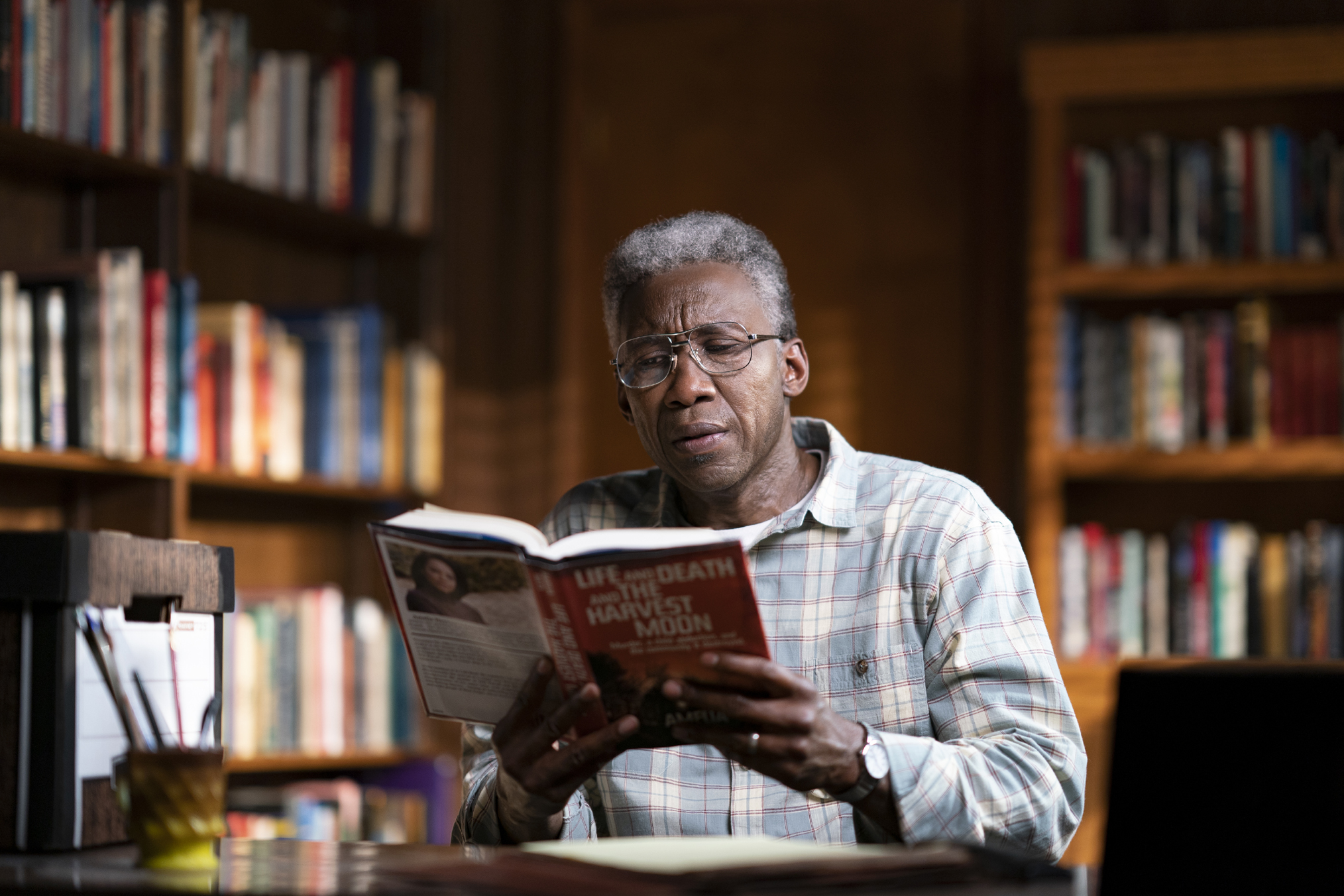
Amelia Hays (Carmen Ejogo) remains a pivotal figure in the finale, even in the 2015 timeline where she appears as a hallucination or a memory helping Wayne process his thoughts. Her book, Life and Death and the Harvest Moon, is the tool that eventually leads Wayne to the truth.
The finale clarifies that their marriage was not just a romantic partnership but an intellectual one, fueled by their mutual obsession with the Purcell case. Amelia represents the "literary" side of the investigation—the part that seeks meaning and narrative in the chaos. Her presence in Wayne’s final moments of clarity suggests that while he lost his memory, the love and the intellectual spark they shared remained the foundation of his consciousness.
Critical Reception and Legacy as of 2026
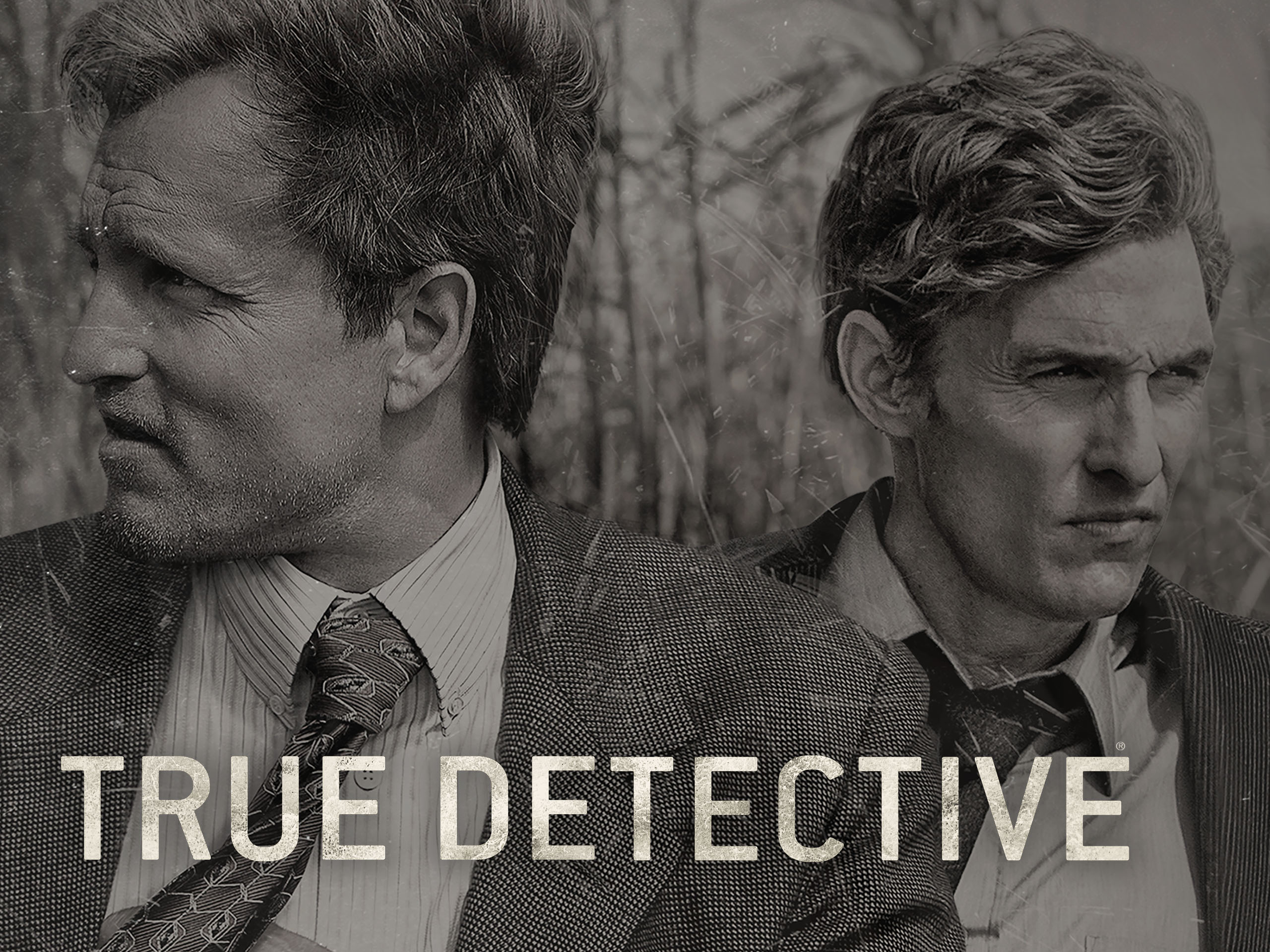
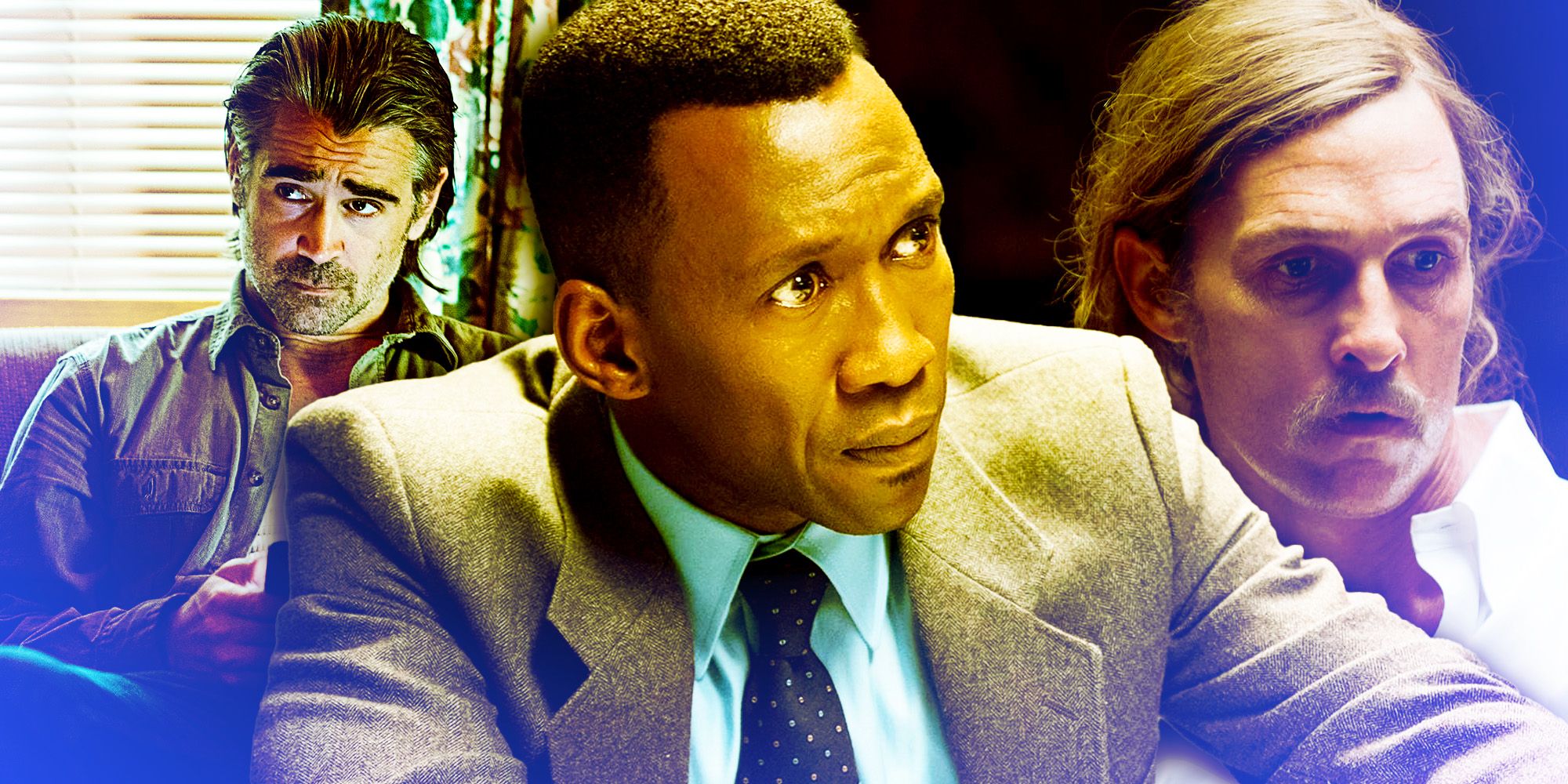
In the years following its conclusion, True Detective Season 3 has seen a significant critical re-evaluation. While Season 1 remains the cultural touchstone for the "Prestige TV" era, Season 3 is often cited by scholars and fans as the most emotionally mature entry in the anthology. Looking back from 2026, it stands as a bridge between the hyper-masculine energy of the early seasons and the more experimental, atmospheric approach seen in later installments like Night Country.
The finale is praised for its "unsolved" nature—not in terms of the plot, but in terms of the character’s internal peace. It chose to prioritize a happy ending for the victim (Julie) and a quiet ending for the detectives, a rarity in the noir genre which typically demands a high body count or a cynical outlook.
Analyzing the Final Scene: The Jungle
The very last shot of the season takes us back to Wayne’s time in Vietnam, showing him walking into the dark, dense jungle. This ending is open to interpretation. Some view it as a metaphor for Wayne’s final descent into the "jungle" of his own mind, where his memories are lost forever. Others see it as a representation of the "warrior" spirit that defined him—a man who spent his entire life in the brush, searching for something that could never truly be found.
Regardless of the interpretation, the scene serves as a reminder of the trauma that shaped Wayne before the Purcell case ever began. It brings the character full circle, suggesting that his identity was forged in the shadows of the jungle and faded in the shadows of the Ozarks.
Frequently Asked Questions
Did Wayne Hays ever realize he found Julie Purcell? In the 2015 timeline, Wayne deduces Julie's location and drives to her house. However, upon arriving, he suffers a lapse in memory due to his dementia. While he talks to Julie and her daughter, he does not consciously recognize her. He leaves the house with the mystery unsolved in his own mind, even though the audience knows he found her.
Who was the "One-Eyed Man" and why was he important? The One-Eyed Man was Junius "Mr. June" Watts, a former employee of the Hoyt family. He acted as the intermediary between Isabel Hoyt and the Purcell children. He is the one who finally explains the truth to Wayne and Roland in 2015, revealing that Will’s death was an accident and Julie had been kept in the Hoyt basement for years.
What happened to the "Yellow King" or the cult elements? Season 3 intentionally avoids the cult conspiracies of Season 1. The straw dolls and other "occult" clues were red herrings. The dolls were actually toys made by a woman who worked for the Hoyts to make Julie feel comfortable. The season focuses on the idea that human error and grief can be just as devastating as a grand conspiracy.
Is Julie Purcell still alive at the end of the season? Yes. Although records indicated she died at a convent, she actually faked her death to escape the shadow of her past. She married her childhood friend Mike Ardoin, and they lived a quiet life under different names. The little girl Wayne speaks to at the end is Julie’s daughter, Lucy, named after Julie's mother.
How does Season 3 compare to Season 1? While Season 1 is a gothic, philosophical thriller with supernatural undertones, Season 3 is a grounded, melancholic character study. Both seasons use multiple timelines and a "buddy cop" dynamic, but Season 3 places a much heavier emphasis on the long-term psychological effects of a cold case and the reality of aging.
Final Recommendation
For those who haven't revisited the True Detective Season 3 finale since its original airing, it is highly recommended to watch the entire season as a binge-watch. The nuances of Mahershala Ali's performance and the slow-burn clues regarding the Hoyt family are much more effective when viewed in close succession. It remains a definitive example of how a series can provide closure without sacrificing its thematic integrity. The next step for fans is to explore the supplemental interviews with Nic Pizzolatto, which provide deeper insight into the Vietnam parallels and the original drafts of the "pink room" resolution.