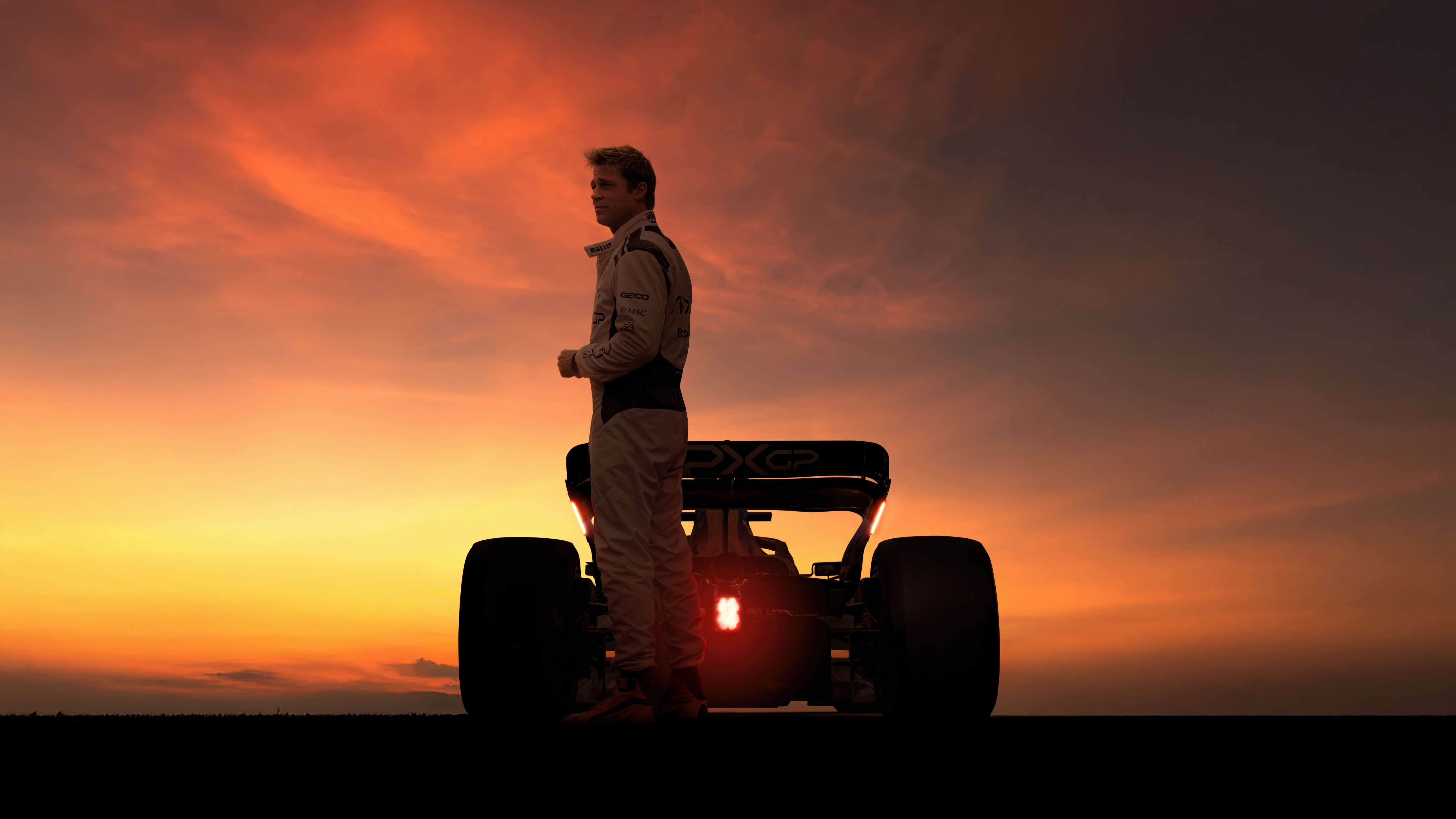
The feature film titled F1, starring Brad Pitt and directed by Joseph Kosinski, was officially released in international theaters on June 25, 2025, followed by its North American debut on June 27, 2025. Distributed by Warner Bros. Pictures and produced by Apple Original Films, the movie represents the most ambitious attempt to capture the technical and emotional intensity of Grand Prix racing in cinematic history.
The Strategic Timing of the June 27, 2025 Release
The selection of June 27, 2025, as the primary release date for F1 was a calculated move by Apple Original Films and Warner Bros. Pictures. In the industry, late June serves as the gateway to the high-traffic summer blockbuster season in the United States. For a film with a reported budget exceeding $250 million, securing a prime summer window was essential to maximize theatrical returns before the movie transitioned to its eventual home on the Apple TV+ streaming platform.
The timing also coincided perfectly with the mid-point of the actual 2025 Formula 1 World Championship. By releasing the film during the height of the European leg of the racing calendar—specifically around the timeframe of the Austrian and British Grands Prix—the producers leveraged the natural peak in global racing interest. This synergy between real-world sports events and fictional media has become a cornerstone of Formula 1's marketing strategy under Liberty Media.
Historically, racing films have struggled with release timing. By avoiding the crowded late-year holiday season and the early-year "dump months," F1 positioned itself as a premium IMAX experience. The June 27 date allowed the film to breathe in premium large-format (PLF) theaters for several weeks, capitalizing on a gap where high-octane, adult-oriented dramas are often in short supply compared to animated family features.
Production Challenges: From Strikes to Trackside Realism
The journey to the June 2025 release was marked by significant logistical hurdles and external disruptions. Principal photography began in 2023, notably at the Silverstone Circuit during the British Grand Prix. However, the production faced a major setback due to the 2023 SAG-AFTRA strike, which halted filming for several months. This delay was a primary reason the film was slated for 2025 rather than an earlier 2024 window.
One of the most remarkable aspects of the production was the commitment to "in-race" filming. Unlike previous racing movies that relied heavily on green screens and CGI, director Joseph Kosinski—fresh off the success of Top Gun: Maverick—insisted on capturing real footage during actual Grand Prix weekends. This required unprecedented cooperation from the FIA (Fédération Internationale de l'Automobile) and the ten existing F1 teams.
The production team created a fictional 11th team on the grid, known as APXGP. They were granted a dedicated garage in the pit lane and were allowed to run modified cars on track between official sessions. These cars, which were based on Formula 2 chassis but modified by Mercedes-Benz Grand Prix Ltd to look like modern F1 machinery, were equipped with state-of-the-art camera systems that had never been used in a racing environment before.
The Fictional APXGP Team and Technical Authenticity
At the heart of the June 2025 release is the story of Sonny Hayes, played by Brad Pitt. Hayes is a veteran driver who competed in the 1990s but suffered a horrific crash that forced him out of the sport. He is recruited back into the fold by the owner of the struggling APXGP team to mentor a rising young phenom, Joshua Pearce, played by Damson Idris.
Engineering the APXGP Cars
To ensure the movie felt authentic to die-hard fans, the production did not use generic "movie cars." The vehicles seen on screen were the result of months of collaboration with Mercedes' design team. The goal was to mimic the aerodynamic intricacies of the current "ground effect" regulations that F1 introduced in 2022. By using real F2 chassis, the cars could reach speeds and cornering forces that looked genuine on camera because they were genuine.
The cars featured:
- Custom Aerodynamic Bodywork: Designed to resemble the 2024/2025 spec F1 cars, including intricate front wings and venturi tunnels.
- Integrated Camera Mounts: Small, high-definition Sony Venice 2 cameras were hard-mounted into the chassis and cockpit to provide 6K resolution footage from angles previously only seen in real-world broadcast "T-cams."
- Authentic Livery: The black and gold APXGP livery was designed to look professional and sponsor-heavy, featuring real brands like IWC, Tommy Hilfiger, and MSC Cruises.
Lewis Hamilton’s Role as Producer
Seven-time World Champion Lewis Hamilton served as a producer through his production company, Dawn Apollo Films. His involvement was not merely ceremonial; Hamilton was deeply involved in the script and technical details. He reportedly spent hours reviewing the screenplay to ensure that the dialogue between drivers and engineers was realistic and that the "racing physics" displayed on screen did not violate the laws of reality. This level of scrutiny was vital for the film's reception among the core F1 fanbase, who are notoriously critical of Hollywood’s tendency to exaggerate racing mechanics.
Revolutionary Cinematography: Bringing the Audience into the Cockpit
A significant portion of the film’s $250 million+ budget was dedicated to developing new camera technology. Building on the techniques used in Top Gun: Maverick, Kosinski and his cinematographer worked with Sony to develop the smallest 6K-certified cameras ever used in cinema. These were placed inside the cockpit, mere inches from the actors' faces, to capture the physical toll of G-forces.
The film utilized:
- The Rialto System: This allowed the sensor of the Sony Venice 2 to be separated from the camera body, making it possible to tuck lenses into the tight confines of a single-seater cockpit.
- Remote Operation: Cameras were operated remotely from the pit wall or a following vehicle, allowing the director to adjust focus and exposure while the cars were moving at speeds exceeding 150 mph.
- High-Speed Chase Vehicles: Custom-built camera cars (often high-performance SUVs or modified Mercedes AMG cars) were used to track the APXGP vehicles through corners, providing a sense of speed that static trackside cameras often fail to convey.
This technical depth ensured that when the film hit IMAX screens on June 27, 2025, the audience experienced the vibration, wind noise, and claustrophobia of a modern F1 car. The sound design was equally meticulous, using binaural recordings of the current V6 Turbo Hybrid power units to provide an immersive auditory experience.
Distribution and the Apple-Warner Bros. Partnership
The release of F1 was a landmark moment for film distribution. While the film is an Apple Original, Apple opted for a traditional theatrical release before moving the content to its streaming service. To execute this, they partnered with Warner Bros. Pictures, a studio with a massive global infrastructure for physical distribution.
This partnership allowed the film to open in over 4,000 theaters in North America alone. The agreement specified a "theatrical window" of at least 45 to 60 days, ensuring that the film had time to generate significant box office revenue and cultural "buzz" before becoming available to Apple TV+ subscribers. For Apple, this strategy served two purposes: it validated the film as a "prestige" event and provided a massive marketing campaign for their streaming platform.
Comparison of Major Racing Films
To understand where F1 fits into the landscape of cinema, it is helpful to compare it to previous landmarks in the genre.
| Feature | F1 (2025) | Ford v Ferrari (2019) | Rush (2013) | Grand Prix (1966) |
|---|---|---|---|---|
| Director | Joseph Kosinski | James Mangold | Ron Howard | John Frankenheimer |
| Primary Focus | Modern Formula 1 | 1966 Le Mans | 1976 F1 Season | Fictional 1966 Season |
| Tech Used | 6K In-Cockpit / Real GPs | Physical Stunt Cars / CGI | Period-Correct Replicas | Real Cars / 65mm Film |
| Star Power | Brad Pitt | Matt Damon / Christian Bale | Chris Hemsworth | James Garner |
| Authenticity | High (FIA Sanctioned) | High (Historical) | High (Biographical) | Very High (Real Drivers) |
| Theatrical Window | June 27, 2025 | Nov 15, 2019 | Sept 27, 2013 | Dec 21, 1966 |
The Impact on Formula 1's Global Footprint
As we look back from 2026, the impact of the movie's June 2025 release is clear. While the Netflix series Drive to Survive is credited with igniting the initial "F1 boom" in the United States, the F1 movie took that momentum into the mainstream cinematic consciousness.
The film served as a gateway for casual viewers who found the technicalities of the sport intimidating but were drawn in by the star power of Brad Pitt. By showcasing the tracks of the world—from the neon-lit streets of Las Vegas to the historic hills of Spa-Francorchamps—the film acted as a two-hour advertisement for the global championship.
Furthermore, the movie's release coincided with a period of significant growth for the sport in North America. With three races in the U.S. (Miami, Austin, and Las Vegas), the film provided the cultural "glue" that helped solidify F1 as a staple of American sports entertainment. The APXGP team, though fictional, became so popular that merchandise for the "11th team" was sold alongside official team gear at Grand Prix events throughout 2025 and 2026.
Frequently Asked Questions
Is the F1 movie based on a true story?
While the movie incorporates real elements of Formula 1—such as actual tracks, current teams, and cameos from real drivers like Lewis Hamilton and Max Verstappen—the story of Sonny Hayes and the APXGP team is fictional. The narrative is designed to capture the "spirit" of the sport, focusing on the comeback arc of a veteran driver and the pressures of modern racing.
Why was the release date pushed to June 2025?
The original production timeline was disrupted by the 2023 Hollywood labor strikes (SAG-AFTRA and WGA). Because the film relied on capturing footage during specific racing windows throughout the year, missing several weeks of filming meant the production had to wait for the 2024 racing season to finish its primary photography, leading to the June 27, 2025, release date.
Did Brad Pitt actually drive a Formula 1 car?
Brad Pitt and co-star Damson Idris drove modified Formula 2 cars that were designed to look like F1 cars. While they did not drive actual 1,000-horsepower F1 machinery (which requires a FIA Super License and years of specialized training), they did undergo extensive training to drive the high-speed modified cars on track. Much of the high-speed stunt work was performed by professional racing drivers, though the close-up cockpit shots feature the actors actually driving at significant speeds.
Where can I watch the F1 movie now?
As of 2026, the movie is available for streaming on Apple TV+. Following its successful theatrical run that began in June 2025, it moved to the streaming platform in late 2025. It is also available for digital purchase and on physical 4K Ultra HD Blu-ray through Warner Bros. Home Entertainment.
Was the movie filmed at every F1 track?
The production filmed at several key locations to provide a diverse look at the calendar. Major filming took place at Silverstone (UK), the Hungaroring (Hungary), Spa-Francorchamps (Belgium), Monza (Italy), Zandvoort (Netherlands), Las Vegas (USA), and Abu Dhabi (UAE). This allowed the film to capture different lighting conditions, track layouts, and atmospheric pressures.
Final Recommendation for Viewers
If you are a fan of high-octane cinema or professional motorsport, F1 remains a must-watch technical achievement. For the best experience, the film should be viewed in IMAX or on a home theater system that supports Dolby Atmos and HDR10+/Dolby Vision, as the sound design and cinematography are the film's greatest strengths. For those interested in the "making of" aspect, the documentary features available on Apple TV+ offer a fascinating look at how the production team managed to embed a fictional movie crew into the world's most exclusive racing series.