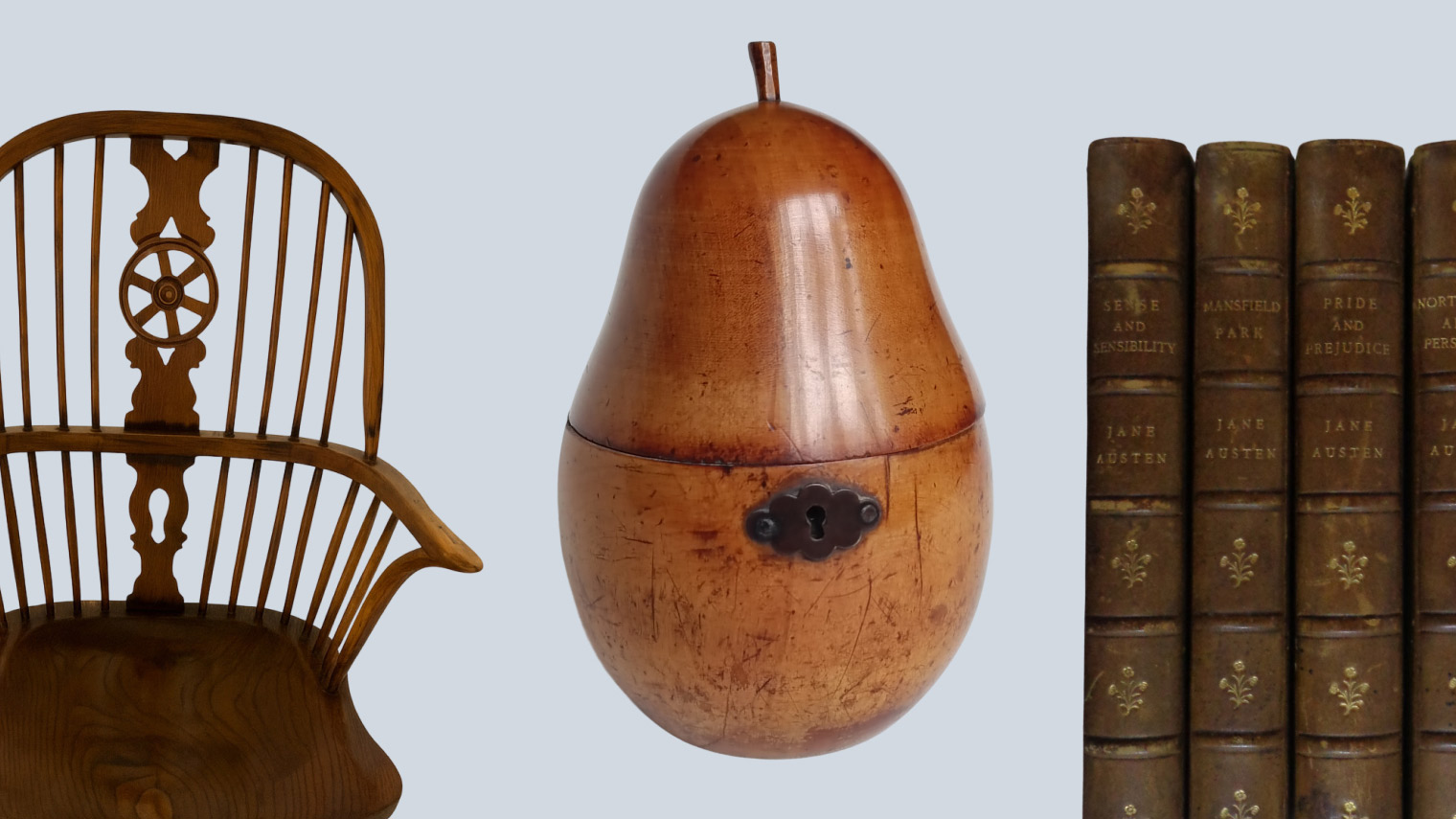
The 250th anniversary of Jane Austen’s birth—which falls in December 2025 and extends throughout 2026—marks a significant milestone in global literature. This period serves as an opportunity for scholars, readers, and institutions to re-examine the socio-economic critiques, narrative innovations, and enduring cultural impact of one of history’s most influential novelists, whose six completed major novels continue to define the comedy of manners genre.
The Historical Foundation of the Austen Legacy
Born December 16, 1775, in Steventon, Hampshire, Jane Austen lived a life constrained by the social and financial limitations of her era, yet she utilized these very constraints to build expansive, nuanced fictional worlds. To understand why we are observing 250 years of Jane Austen in 2026, one must first recognize the evolution of her reception.
During her lifetime, Austen published Sense and Sensibility (1811), Pride and Prejudice (1813), Mansfield Park (1814), and Emma (1815) anonymously. It was not until the posthumous publication of Northanger Abbey and Persuasion in 1817 that her identity was fully revealed to the public. The intervening centuries have seen a transition from modest nineteenth-century appreciation to her current status as a cornerstone of the Western canon. The 250-year mark provides a vantage point to assess how her work has been adapted, politicized, and analyzed across different media.
Analytical Framework: Why Austen Remains Relevant
The primary question facing readers and researchers in 2026 is how Austen’s work maintains its structural integrity despite being separated by two and a half centuries from its inception. Unlike many contemporaries who favored Gothic melodrama or didactic moralism, Austen pioneered the technique of free indirect discourse.
Free indirect discourse allows a narrator to inhabit a character’s consciousness while maintaining a third-person perspective, creating a unique irony. This technical mastery is the main reason her novels are studied in academic settings today; she effectively invented the psychological depth expected in the modern novel. By focusing on the landed gentry’s domestic life, she exposed the intersection of marriage, property law, and class mobility—factors that remain relevant subjects of sociological study.
Key Works and Their Continued Impact
While Austen’s six major novels are the pillars of her legacy, the 250-year commemoration encourages a deeper look at the progression of her writing style.
- Sense and Sensibility (1811): The initial exploration of the tension between rationalism and emotional susceptibility, serving as the blueprint for her subsequent critiques of social hypocrisy.
- Pride and Prejudice (1813): The most recognizable work, functioning as both a romantic comedy and a sharp critique of the British class structure and the necessity of "advantageous" matches.
- Mansfield Park (1814): Often cited as her most complex and controversial novel, exploring moral rectitude, colonial wealth, and the dangers of moral stagnation.
- Emma (1815): A masterful character study of internal growth and the danger of meddling, featuring a protagonist who is famously intended to be unlikeable, yet remains compelling.
- Northanger Abbey (1817): A satire on the proliferation of Gothic novels, demonstrating her awareness of literary trends and her capacity for parody.
- Persuasion (1817): A departure into more somber, mature territory, focusing on the possibility of second chances and the passage of time.
Comparative Analysis of Austen’s Literary Themes
When evaluating the breadth of her career, it is useful to see how specific themes evolved. The following table identifies the core components of her major novels to assist those looking to study or teach these works in 2026.
| Novel | Primary Theme | Social Critique Focus | Protagonist Archetype |
|---|---|---|---|
| Sense and Sensibility | Rationality vs. Emotion | Financial dependency | The prudent sister |
| Pride and Prejudice | Preconception and Class | Marriage market pressure | The independent thinker |
| Mansfield Park | Moral integrity | Wealth and colonial origin | The quiet observer |
| Emma | Self-deception | Social status and hierarchy | The self-assured meddler |
| Northanger Abbey | Reality vs. Fiction | Romantic literature tropes | The naive enthusiast |
| Persuasion | Regret and Resilience | The shifting British nobility | The long-suffering heroine |
Navigating Austen’s World: A Reader’s Guide
For those looking to engage with the 250-year celebration, the path to understanding Austen involves more than reading the novels; it requires an engagement with the historical context of the late Georgian era.
- Understand the Financial Context: Austen’s characters are almost always defined by their income. Understanding that a "gentleman" required an annual income of several hundred to several thousand pounds to sustain his position is essential for grasping the stakes of her plots.
- Research the Regency Period: Familiarize yourself with the British social hierarchy, specifically the distinction between the gentry and the nobility.
- Engage with Primary Source Scholarly Material: Utilize archives such as the British Library’s digitized Austen manuscripts. These provide insight into her editing process, which was surprisingly methodical.
- Avoid Misinterpretations via Modern Adaptation: While films and miniseries have brought Austen to a wider audience, they often condense the irony of her prose into pure romance. Always return to the source text to verify the actual moral stance of the author.
Challenges in Literary Preservation
One of the significant challenges in this 250th-anniversary year is the potential for "cultural dilution." Because Austen’s brand has become so ubiquitous, there is a risk that her sharp social commentary is obscured by the aesthetics of "cottagecore" or simplified romantic tropes. To maintain an accurate understanding of her legacy, one must emphasize her as a satirist first and a romantic novelist second.
Her satire was often directed at the very institutions her readers might feel nostalgic about, such as the landed estate system and the lack of educational opportunities for women. Acknowledging these critiques is vital for an honest assessment of her body of work in 2026.
Frequently Asked Questions (FAQ)
Why is 2026 significant to Jane Austen’s legacy? 2026 represents the conclusion of the 250th anniversary of her birth. This milestone has triggered a global focus on her archival materials, newly digitized manuscripts, and critical re-evaluations of her social contributions within the context of the 18th and 19th centuries.
What is the best way to start reading Austen if you are new to her work? Pride and Prejudice remains the most accessible starting point due to its wit and structured plot. However, if you prefer a study of personal development, Emma is often considered her most structurally perfect work.
How do 250 years of distance change our reading of Austen? Distance allows us to strip away the contemporary biases of her own time and view her as a chronicler of structural inequality. Where her original audience might have seen a domestic drama, modern readers can observe the systemic economic constraints placed upon women.
Are there still "lost" works by Jane Austen? While her six major novels are well-documented, Austen wrote several "juvenilia" works and the unfinished Sanditon and The Watsons. These fragments are essential reading for those who wish to see the evolution of her narrative voice before her professional career began.
Where can one verify facts about Austen’s personal life? The most reliable records are found through the Jane Austen Society and the archives at the Chawton House library. These institutions hold the original papers and provide the most accurate, peer-reviewed biographical data.
Next Steps for Enthusiasts and Scholars
To truly honor 250 years of Jane Austen, the most effective approach is to move beyond superficial appreciation. If you are a student, focus your research on the legal aspects of inheritance and marriage settlement described in the novels. If you are a general reader, commit to a reread of the texts with a focus on the narrator’s tone rather than the romantic plot.
The goal is to maintain the integrity of her work as an intellectual pursuit. By engaging with the source material directly and participating in academic discourse, you contribute to a more nuanced understanding of an author whose work remains a functional, necessary guide to understanding the intersection of human nature and societal architecture. The Austen legacy is not a static object from the past; it is a living body of text that continues to provide the same clear-eyed scrutiny of human behavior today as it did when first penned.