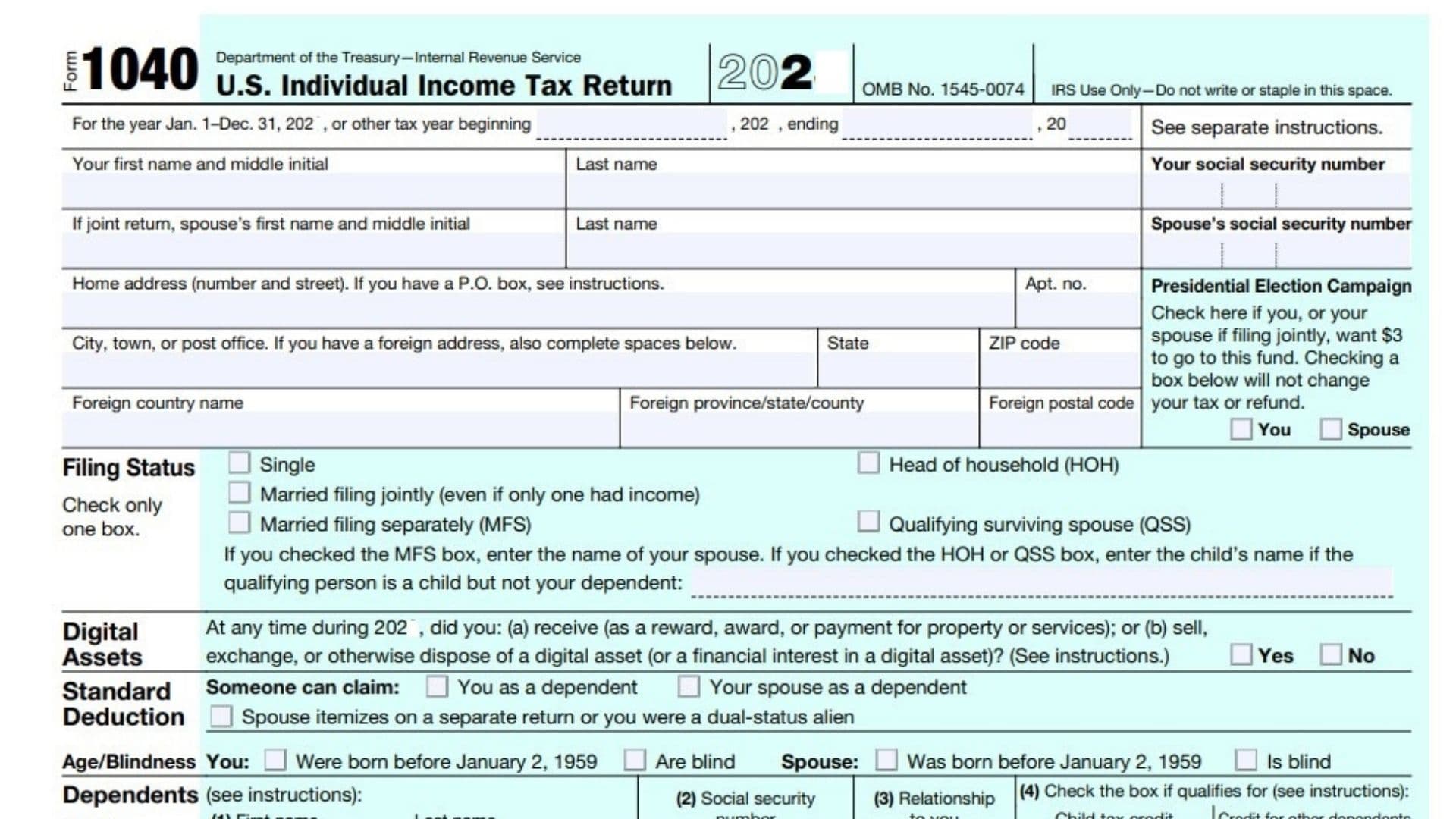
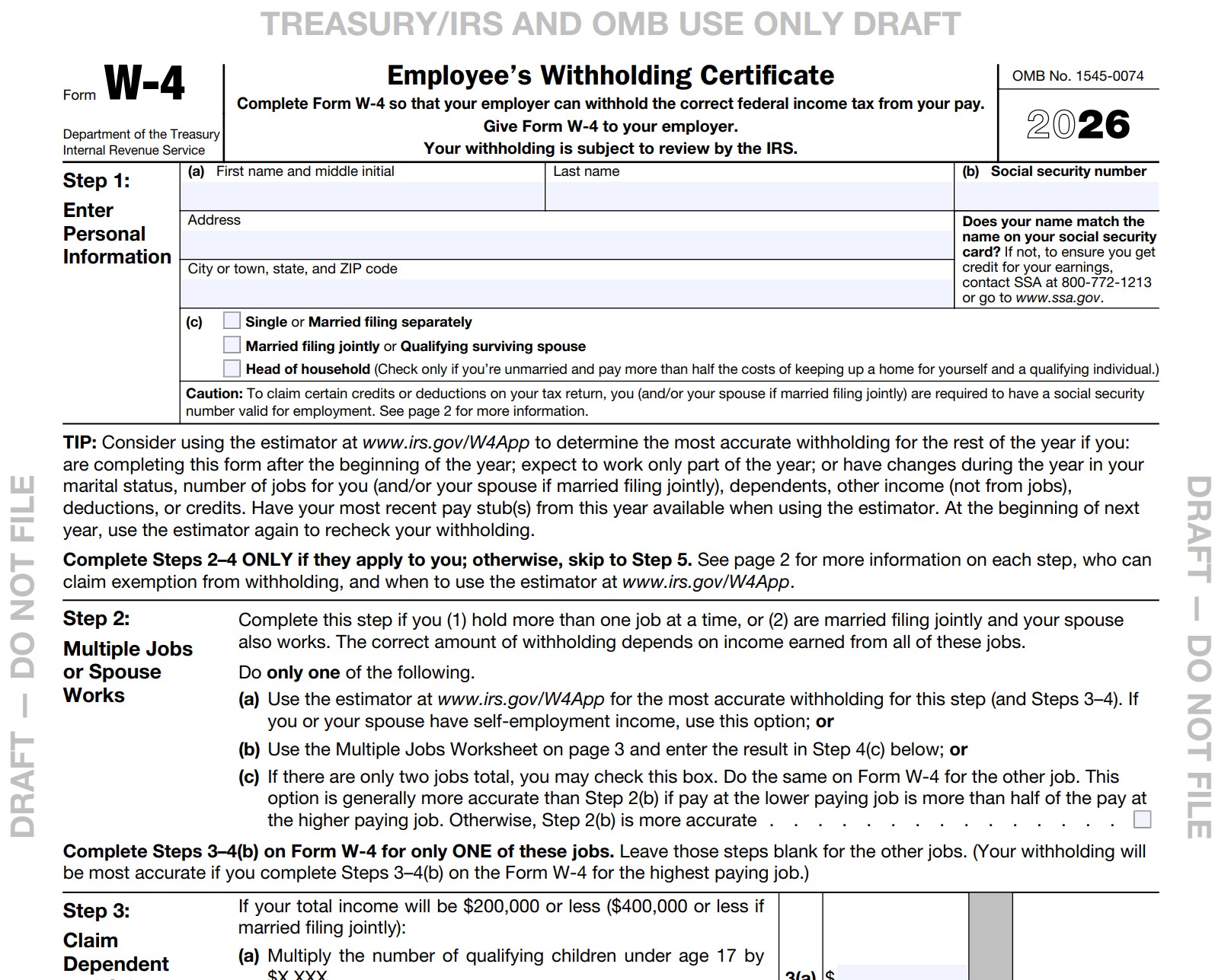
Understanding federal estimated tax forms is essential for taxpayers who do not have enough income tax withheld from their paychecks or who earn income that is not subject to withholding. In 2026, the Internal Revenue Service (IRS) continues to require quarterly estimated tax payments from self-employed individuals, investors, and others with significant non-wage income to ensure they meet their tax obligations throughout the calendar year and avoid potential underpayment penalties.
The Purpose of Federal Estimated Tax
The United States operates on a "pay-as-you-go" tax system. This means that the government expects you to pay your taxes as you earn or receive income during the year. For most employees, this is handled through automatic withholding by their employer. However, if you are a freelancer, a small business owner, a landlord, or an investor, you likely do not have an employer withholding taxes for you.
If you fail to pay enough tax through withholding or estimated payments, you may be subject to an underpayment penalty when you file your annual tax return. The system of estimated tax is the mechanism designed to keep your tax payments current, effectively spreading the financial burden across four payment periods rather than requiring a large, lump-sum payment at the annual filing deadline.
Identifying If You Need to File
Not every taxpayer needs to submit estimated tax payments. Generally, you must pay estimated tax if you expect to owe at least $1,000 in tax for the 2026 tax year after subtracting your withholding and refundable credits.
However, there is an additional threshold based on your prior year’s tax liability. If your withholding and estimated tax payments equal at least 90% of the tax shown on your 2026 return, or 100% of the tax shown on your 2025 return (whichever is smaller), you generally avoid the underpayment penalty. For high-income earners with an adjusted gross income (AGI) exceeding $150,000 (or $75,000 if married filing separately), the requirement is 110% of the prior year's tax.
Understanding Form 1040-ES
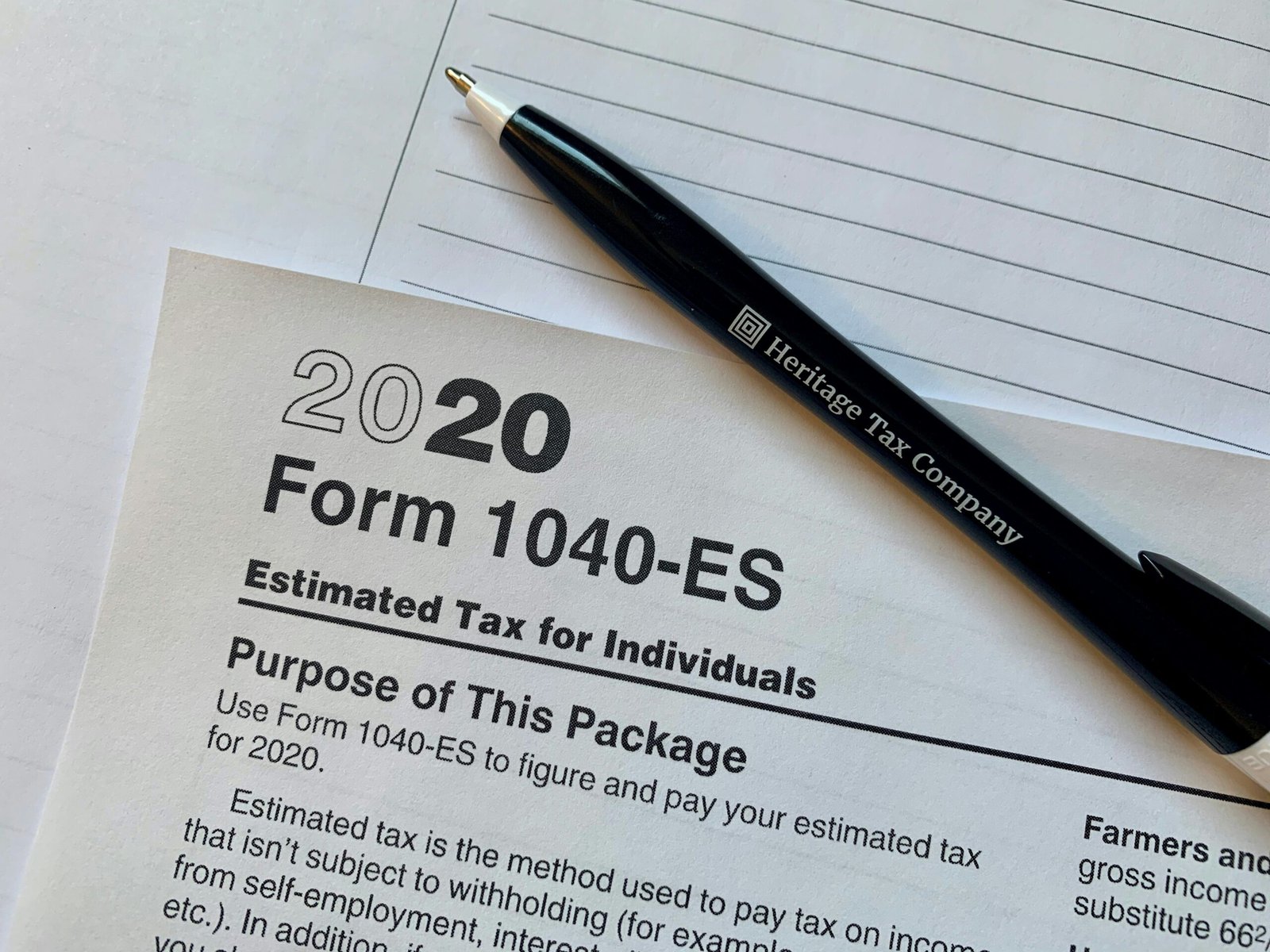
The primary document used for calculating and reporting these payments is IRS Form 1040-ES, "Estimated Tax for Individuals." This form is not a return that you file with the IRS; rather, it is a worksheet used to calculate the amount you should pay each quarter.
The 1040-ES package contains:
- The Estimated Tax Worksheet: A structured series of lines that helps you estimate your total expected income, deductions, and credits for 2026.
- Payment Vouchers: These are essentially slips that you use if you are mailing in your payment by check or money order.
Most taxpayers in 2026 have moved away from using the physical paper vouchers provided in the 1040-ES packet, opting instead for electronic payment methods. Even if you choose to pay online, keeping a copy of the worksheet is critical for your own financial records.
2026 Quarterly Payment Deadlines
Estimated tax payments are due on a specific quarterly schedule. It is vital to note that these "quarters" are not strictly three-month periods, but rather fixed dates established by the IRS.
| Payment Period | Income Period | Due Date |
|---|---|---|
| First Quarter | Jan 1 – March 31 | April 15, 2026 |
| Second Quarter | April 1 – May 31 | June 15, 2026 |
| Third Quarter | June 1 – Aug 31 | September 15, 2026 |
| Fourth Quarter | Sept 1 – Dec 31 | January 15, 2027 |
If a due date falls on a weekend or a legal holiday, the payment is typically due on the next business day. If you pay your fourth-quarter estimated tax by January 31, 2027, and file your 2026 return by that same date, you may skip the fourth-quarter payment entirely.
Calculating Your Estimated Tax
To accurately determine your quarterly payment, you must project your annual income. Start with your expected adjusted gross income for 2026. This includes:
- Self-Employment Income: Net earnings from your trade or business.
- Investment Income: Interest, dividends, and capital gains.
- Rental Income: Net profit from real estate holdings.
- Other Sources: Prizes, gambling winnings, or taxable alimony.
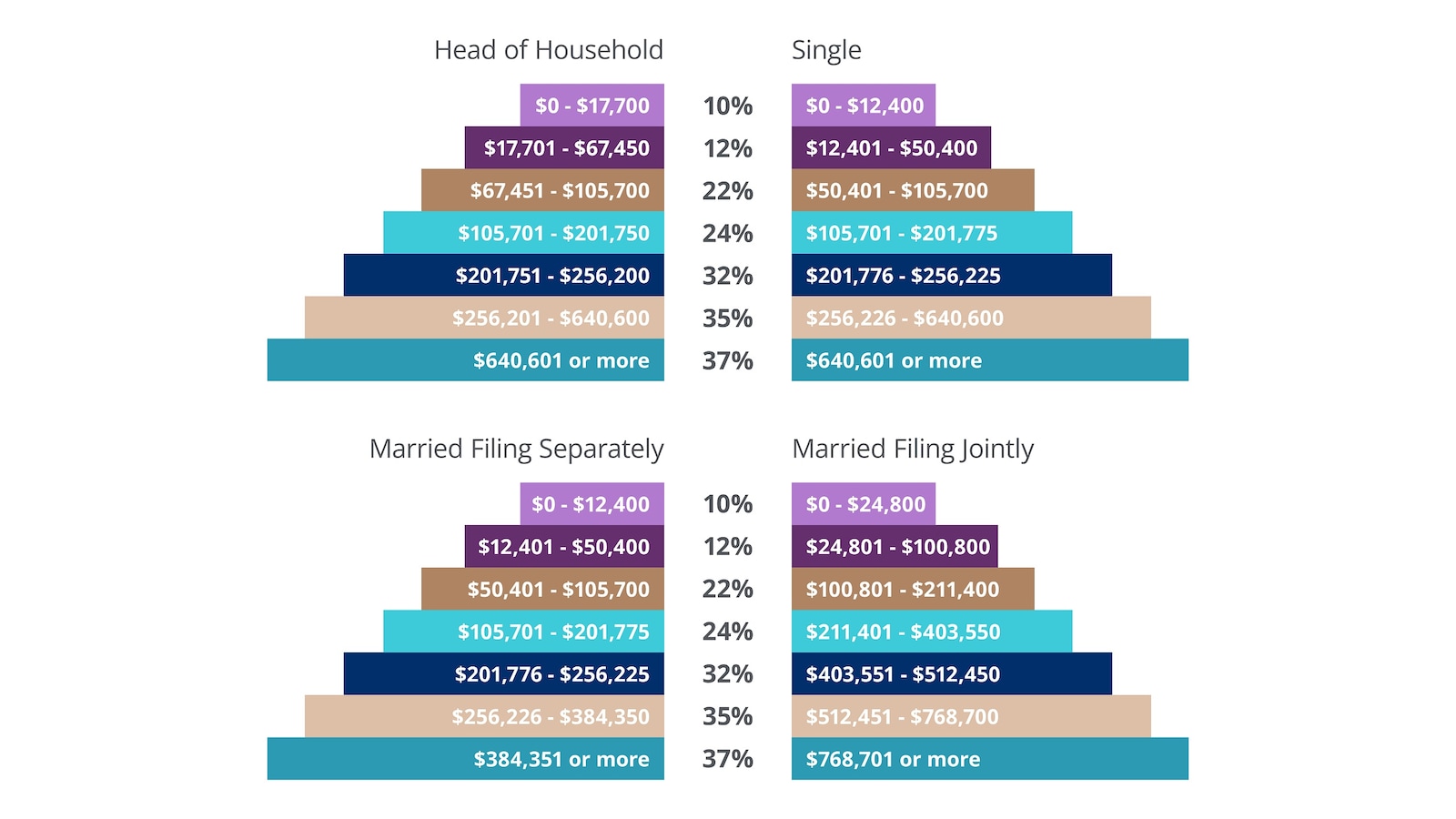
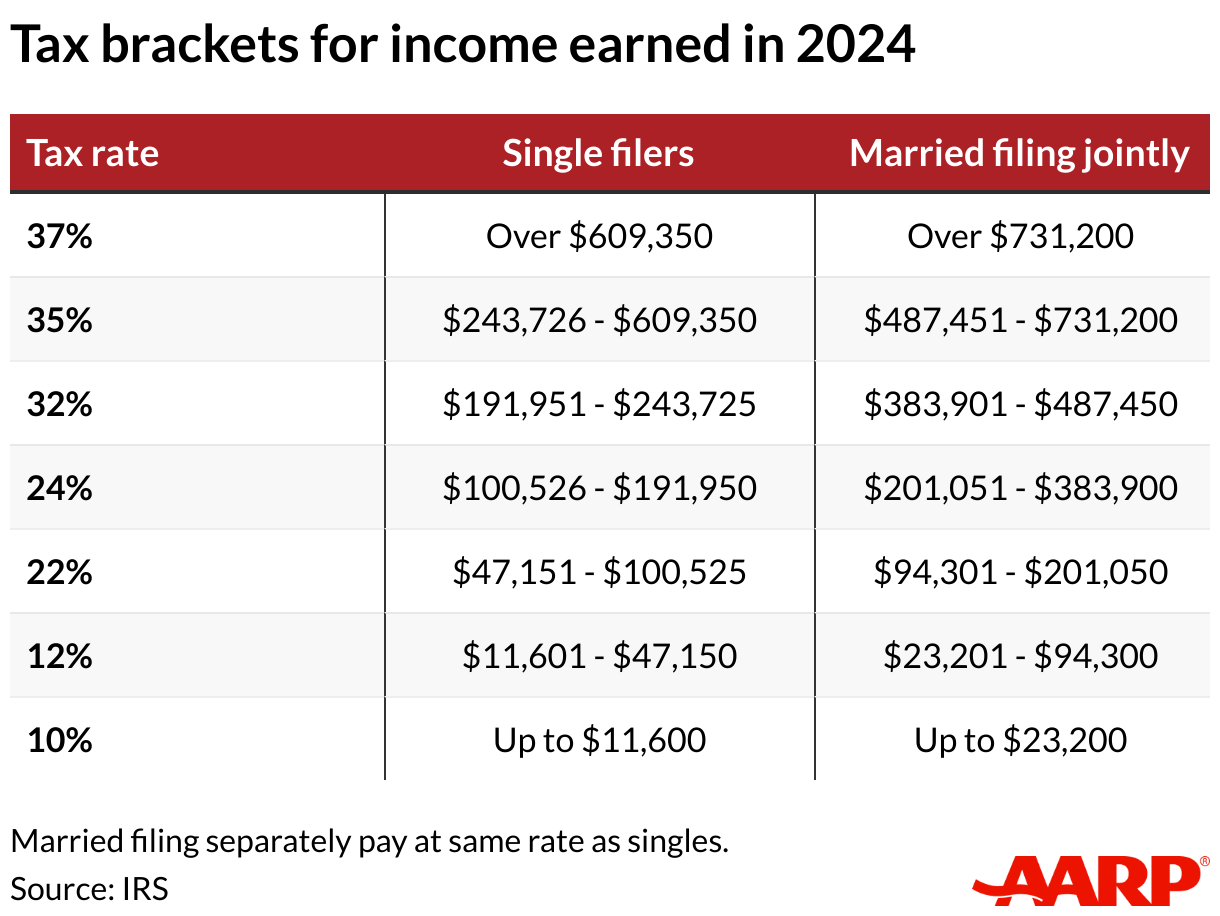
Once you determine your estimated AGI, subtract your expected deductions (such as the standard deduction or itemized deductions) to arrive at your estimated taxable income. Apply the current tax brackets to this amount to determine your "Total Tax." From this, subtract any expected tax credits (like the Child Tax Credit or Education Credits) and any withholding you expect from W-2 employment. Dividing the remaining amount by four provides your quarterly estimated payment figure.
Methods of Payment
The IRS provides several methods for submitting payments. The most efficient and recommended way is through the IRS Direct Pay website, which allows you to pay directly from your checking or savings account without any fees.
- Electronic Federal Tax Payment System (EFTPS): This is highly recommended for business owners and those making frequent or larger payments. It requires initial registration but offers robust history tracking.
- Debit/Credit Card Payments: You can pay via authorized third-party processors. Note that these processors charge a convenience fee, which is an additional cost to the taxpayer.
- Check or Money Order: If you prefer mail, you must include a 1040-ES payment voucher with your check payable to the "United States Treasury." Always write your Social Security Number and "2026 Form 1040-ES" on the memo line.
Common Mistakes to Avoid
Many taxpayers run into trouble by failing to adjust their payments when their income fluctuates. If you have a "lumpy" income—common in industries like consulting or seasonal retail—you might receive a large payment in August. In such cases, you may be eligible to use the Annualized Income Installment Method. This method allows you to calculate your payments based on the actual income received during the period, potentially reducing your payments in quarters where your income was lower.
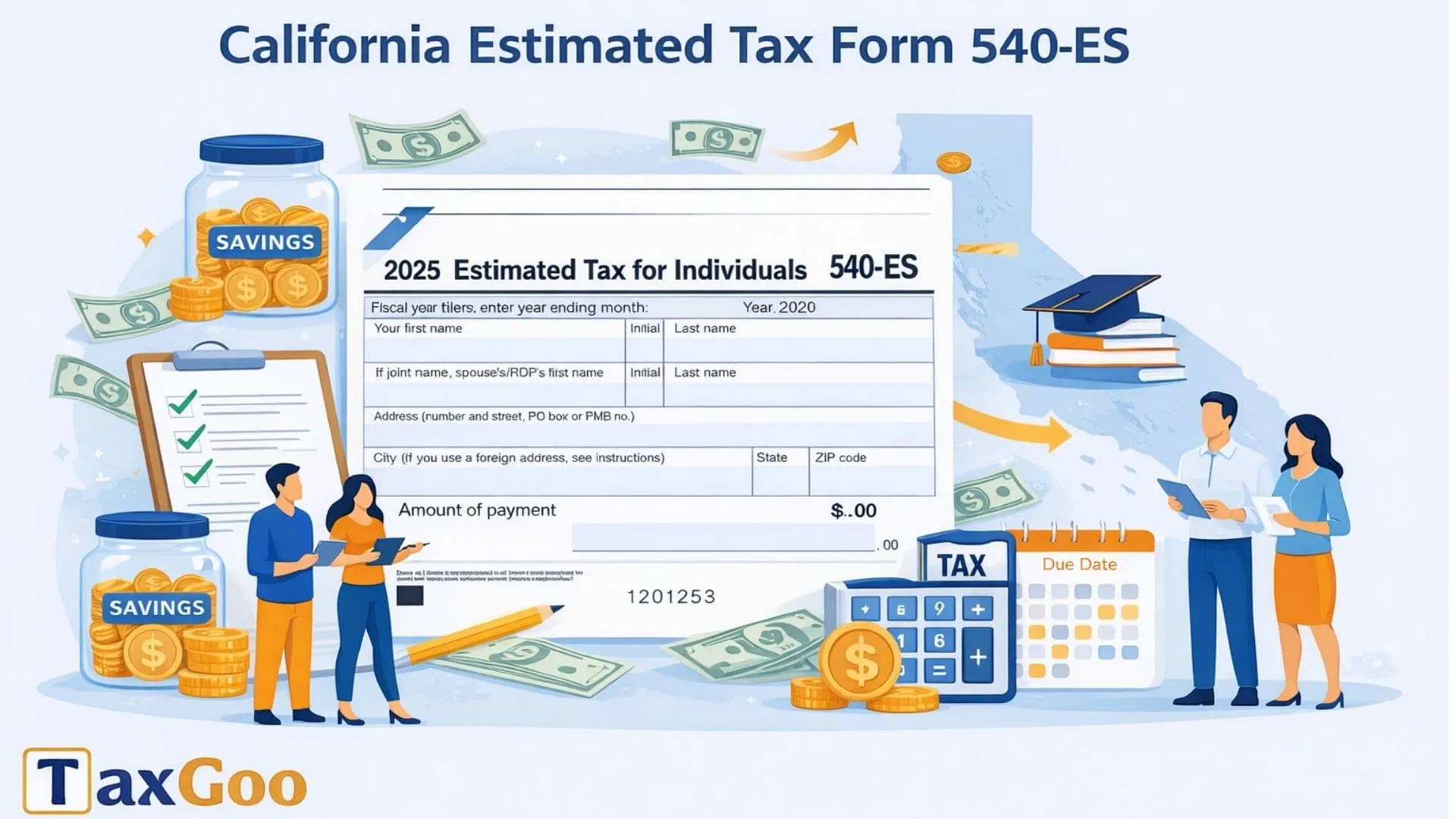
Another common error is forgetting that state income tax also requires estimated payments in many jurisdictions. Your federal 1040-ES calculation does not cover your state obligations; you must verify your state’s specific requirements separately.
What Happens If You Underpay?
If you underpay your estimated taxes, the IRS calculates a penalty based on the difference between what you paid and what you should have paid, multiplied by the current federal short-term interest rate plus three percentage points. Because this penalty is calculated as a daily interest charge, the longer you wait to rectify an underpayment, the more it will cost you.
If you realize mid-year that your income will be significantly higher than you originally projected, you should increase your subsequent payments to cover the shortfall. You do not need to file an amended 1040-ES form; simply adjust your payment amount in the next quarter.
Expert Guidance and Professional Advice
Financial planning for tax liability is a complex task. For those with multiple income streams, international assets, or complex business structures, using the IRS worksheets may not be sufficient. A Certified Public Accountant (CPA) or Enrolled Agent (EA) can provide significant value by performing "what-if" scenarios to ensure your payments are optimized.
Disclaimer: This information is for educational purposes only and does not constitute official tax or legal advice. Tax laws are subject to change and individual financial situations vary. You should consult with a qualified tax professional regarding your specific 2026 tax obligations.
Frequently Asked Questions
1. Do I need to send the 1040-ES voucher if I pay online? No. If you pay through the IRS Direct Pay website or EFTPS, you do not need to mail a physical voucher. The online system captures all the necessary information, and the payment is electronically associated with your taxpayer account.
2. Can I change my estimated tax payment amount throughout the year? Yes. You can increase or decrease your payments if your income or deductions change. If you find your income is lower than expected, you can reduce subsequent payments. If your income increases, you should increase your payments to avoid the underpayment penalty.
3. What is the difference between withholding and estimated tax? Withholding is tax taken directly out of your paycheck by an employer. Estimated tax is a payment you make yourself directly to the IRS. Both are designed to satisfy your annual tax liability incrementally throughout the year.
4. Will I get a refund if I overpay my estimated taxes? Yes. Any amount you pay through 1040-ES that exceeds your total tax liability for the year will be refunded to you when you file your 2026 tax return in 2027, provided you have filed all necessary paperwork correctly.
5. Is there a penalty if I miss one quarterly deadline? Potentially, yes. The IRS calculates the underpayment penalty for each quarter. If you miss a deadline, you should make the payment as soon as possible. Even a late payment is generally better than no payment, as it reduces the principal amount upon which the underpayment interest is calculated.
Next Steps for Taxpayers
To ensure you are on the right track for 2026, gather your income records from the previous year and estimate your expected earnings. If you expect to owe tax beyond your withholding, create an account on the IRS website to view your payment history. Set a reminder in your calendar for each of the four 2026 deadlines to ensure you remain compliant and avoid unnecessary penalties. By staying organized, you can manage your tax obligations efficiently without the stress of unexpected bills at the end of the year.