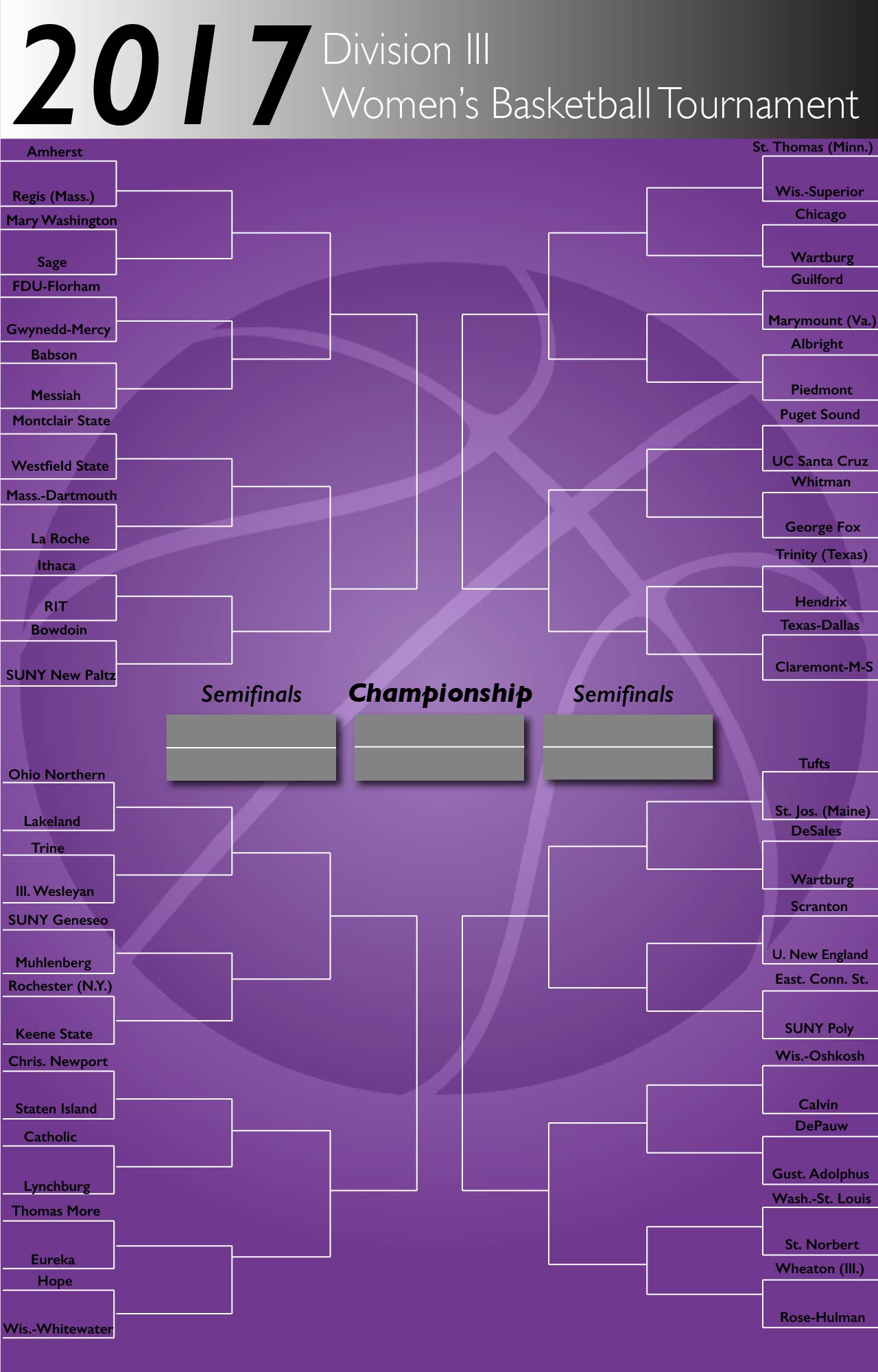
The 2024 NCAA Division III men’s and women’s basketball rankings serve as the definitive record of the competitive landscape for the 2023–2024 academic year. These rankings, maintained by organizations such as D3hoops.com and the NCAA regional advisory committees, track win-loss records, strength of schedule, and performance metrics to determine post-season tournament eligibility and seeding throughout the season.
Understanding the Structure of Division III Rankings
Division III basketball occupies a unique space in collegiate athletics. Unlike Divisions I and II, Division III does not award athletic scholarships, which fundamentally shifts the focus of the rankings toward pure program quality, team chemistry, and consistency rather than recruiting-heavy talent acquisition. Rankings in this division are largely collaborative and consensus-driven, as the NCAA does not publish an official "top 25" poll in the same manner as major media outlets do for Division I.
Instead, the primary authority for rankings within the DIII ecosystem is D3hoops.com, which provides a weekly poll voted on by a panel of sports information directors, coaches, and media members. Simultaneously, the NCAA utilizes its own internal Regional Advisory Committees (RACs) to evaluate teams. While the public polls provide a snapshot of team quality and narrative momentum, the RACs focus specifically on criteria such as the Regional Ranking index, which ultimately dictates the composition of the NCAA tournament bracket.
Criteria for Evaluation and Ranking Methodology
When analyzing the 2024 rankings, it is essential to distinguish between a "poll" and the "selection criteria." A ranking found on a media site often relies on subjective analysis, whereas the NCAA’s official selection process is anchored in quantitative data.
- Strength of Schedule (SOS): This is perhaps the most significant metric. Because Division III is composed of hundreds of schools across varied athletic conferences, playing a rigorous non-conference schedule is crucial for teams looking to secure an at-large bid.
- Regional Ranking: The NCAA divides its schools into geographical regions. A team’s performance against regional opponents is weighted more heavily than national performance because regional play drives the competitive balance of the tournament’s early rounds.
- Head-to-Head Results: Direct competition between two ranked teams is the simplest way for selectors to differentiate between programs with similar records.
- Performance Against Common Opponents: If two teams did not play each other, the committee examines how they fared against the same conference or regional rivals.
- Road vs. Home Performance: Winning on the road is viewed as a high-value achievement in the DIII rankings, as the environment in smaller gyms can be notoriously difficult for visiting teams.
The Role of Conferences in National Standing
The 2024 rankings were heavily influenced by conference dominance. In Division III, winning an automatic qualifier (AQ) bid through a conference tournament is the most reliable path to the NCAA tournament. However, for elite teams that fall short in their conference tournament, the national ranking acts as a safety net for an at-large selection.
Conferences like the Wisconsin Intercollegiate Athletic Conference (WIAC) and the University Athletic Association (UAA) consistently produced top-ranked teams in 2024. These leagues possess a high concentration of schools with long histories of success, which inflates the strength of schedule for every member. When reviewing the 2024 data, it becomes clear that teams from these perennial powerhouses received a "strength of schedule bonus" that allowed them to maintain high rankings even when they dropped a game during the regular season.
Data Comparison: Public Polls vs. NCAA Selection Principles
To navigate the 2024 landscape effectively, stakeholders must understand how public sentiment diverged from the official selection data.
| Metric | D3hoops.com Top 25 | NCAA Tournament Selection |
|---|---|---|
| Primary Goal | Media recognition and fan engagement | Bracket seeding and fairness |
| Evaluators | Diverse panel of experts | Regional Advisory Committees |
| Data Weighting | Subjective win-loss significance | Quantitative regional index |
| Outcome | Weekly "Top 25" ranking | Selection and seeding for NCAA tourney |
This table illustrates why a team might appear in the top 10 of a weekly poll but face difficulties in being selected for the national tournament if their regional metrics are weak. The 2024 season saw several instances where teams with strong records struggled to secure high seeds because they did not face enough high-ranking regional opponents, illustrating the importance of scheduling strategy.
Navigating the 2024 Season Narrative
The 2024 basketball season in Division III was defined by the transition away from pandemic-era disruptions and a return to traditional regional rivalries. Throughout the year, observers noted a significant tightening of the gap between the top-ranked teams and those on the bubble.
Programs that invested in travel to play high-quality non-conference games were rewarded by the ranking systems. In contrast, teams that stayed within their local conference for the majority of the season found themselves penalized by the rankings, regardless of their total number of wins. This highlights a persistent reality in DIII basketball: it is often better to have a 20-5 record with three high-quality road wins against ranked opponents than a 23-2 record consisting entirely of conference victories against bottom-tier league teams.
Common Misconceptions About DIII Rankings
A frequent error made by casual fans is assuming that a high ranking guarantees a "home court" advantage throughout the tournament. While high rankings correlate with better seeds, the NCAA holds specific requirements for tournament hosting. A team might be the #1 ranked team in the nation, but if their home facility does not meet the necessary technical requirements for NCAA hosting standards—such as specific locker room dimensions, seating capacity, or media facilities—they may be forced to play at a neutral site or a different venue.
Furthermore, there is a misconception that rankings are "locked in" after the mid-season. In truth, the rankings are dynamic and undergo massive shifts in February. As teams play through their conference tournaments, the value of their previous wins is recalibrated. A team that seemed unstoppable in January might drop ten spots in the rankings in February if their opponents start losing, causing the "strength" of those past wins to diminish.
Next Steps for Coaches and Program Stakeholders
For those looking to influence their team's position in future rankings based on the 2024 model, the priority must be a balanced, rigorous schedule. Coaches must:
- Prioritize Regional Games: Ensure that at least 30-40% of the non-conference schedule consists of teams within your designated NCAA region.
- Monitor the Regional Index: Regularly check the NCAA’s public reporting on regional rankings to understand which specific opponents are helping or hurting your SOS.
- Document Non-Traditional Statistics: While the public rankings care about scores, the committee looks at the "Efficiency" of play. Keeping high-quality internal data on offensive and defensive efficiency can assist in making a case for your program if an at-large bid is on the line.
Frequently Asked Questions
1. Does the D3hoops.com poll officially determine the NCAA bracket? No. The D3hoops.com poll is a media ranking. The actual NCAA tournament field is selected by committees that use internal data, including regional rankings and won-lost records against common opponents, which may differ from the public media polls.
2. Why do teams from the same conference have such different rankings? Ranking disparity within a conference usually stems from the non-conference portion of the schedule. Because the NCAA looks at regional strength, a team that plays a difficult non-conference schedule will often be ranked higher than a conference peer who played a lighter schedule, even if their total conference records are similar.
3. What is the most important metric for NCAA tournament selection? The most important factor is the Regional Ranking Index. This metric incorporates a team's record against other teams within their region, adjusted for home and away performance. It is the primary tool used by committees to build the tournament field.
4. Can a team be ranked in the top 25 but miss the NCAA tournament? Yes. If a team has a high national ranking based on polls but fails to secure an automatic bid through their conference tournament and has a weak regional resume, they may be left out in favor of teams that have demonstrated better performance against their specific regional peers.
5. How often are the rankings updated? D3hoops.com publishes its Top 25 rankings weekly throughout the season. However, the official NCAA regional rankings are usually released in February, providing a more accurate look at how the committee views the tournament field as the season concludes.
Conclusion and Recommendations
The 2024 NCAA Division III basketball landscape demonstrated that success is defined by a combination of consistent winning and strategic scheduling. To effectively evaluate or engage with these rankings, observers should prioritize the official NCAA regional data over general media polls, as the former dictates the actual post-season path. If you are involved in a program, the primary takeaway is to focus on regional strength; scheduling high-caliber teams within your geographic proximity remains the single most effective way to ensure a favorable standing by the end of the season. Always verify the current season's regional guidelines on the official NCAA website, as specific criteria can shift based on regional realignment.