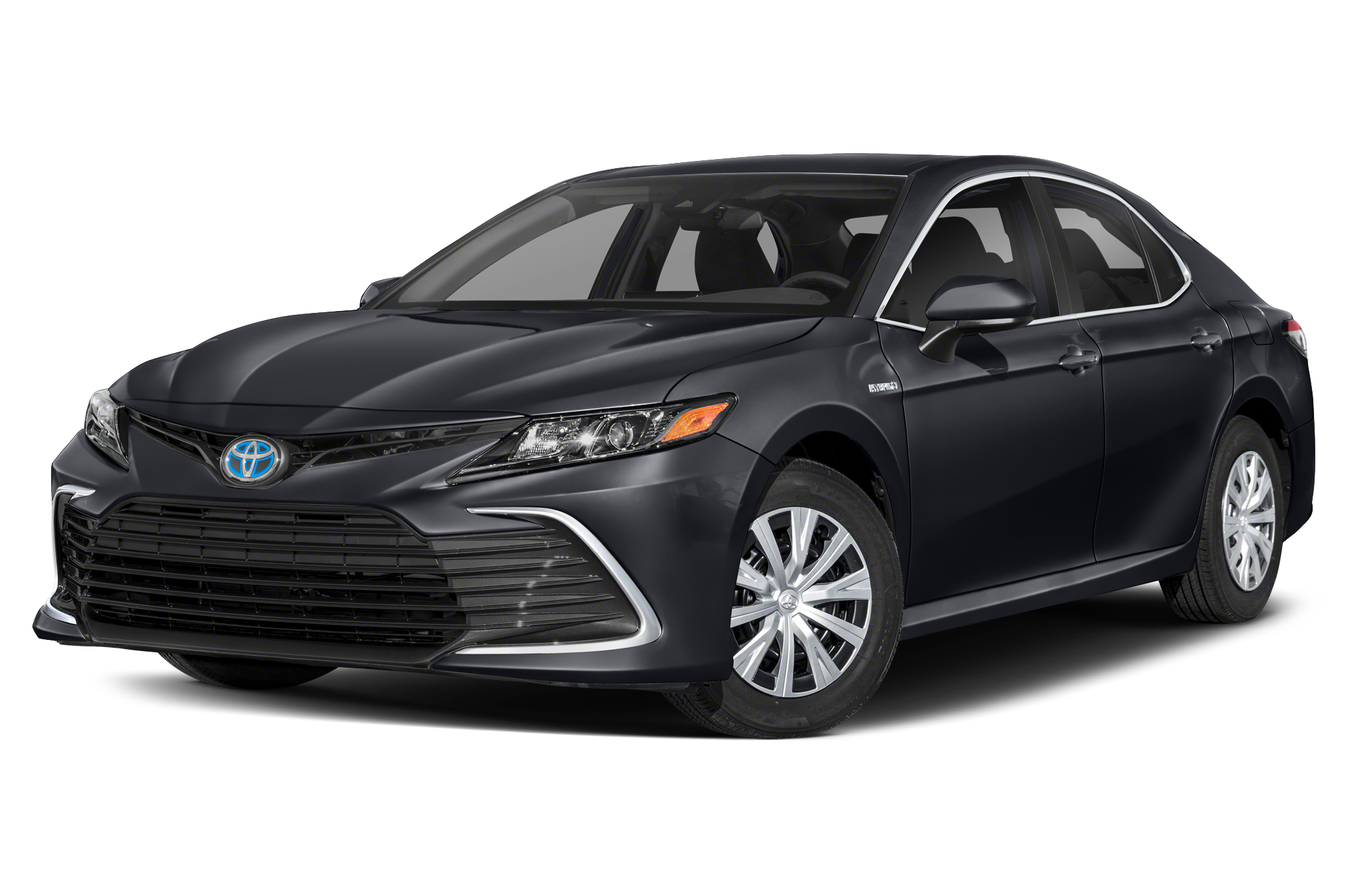
The 2021 Toyota Camry achieves an EPA-estimated fuel economy ranging from 22 mpg to 28 mpg in the city and 33 mpg to 39 mpg on the highway for standard gasoline models, while the hybrid variants reach up to 51 mpg city and 53 mpg highway, depending on the specific engine, trim level, and drivetrain configuration chosen.
Introduction to the 2021 Toyota Camry Powertrain Lineup
When evaluating the fuel economy of the 2021 Toyota Camry, prospective buyers and automotive researchers must look beyond a single EPA rating. The eighth-generation Camry, built on the Toyota New Global Architecture (TNGA-K) platform, offers a diverse mechanical lineup consisting of multiple distinct internal combustion engines and an advanced hybrid system. Understanding how these powertrains interact with different trim levels and drivetrain options is essential for accurately projecting real-world fuel consumption, ownership costs, and carbon output.
The 2021 model year introduced subtle design refreshes, updated safety features through Toyota Safety Sense 2.5+, and a rearranged trim hierarchy that impacted weight and aerodynamic profiles across the lineup. These minor variations alter miles-per-gallon (MPG) metrics. Whether analyzing the performance-oriented TRD trim powered by a stout V6 engine or examining the hyper-efficient Hybrid LE designed for maximum commuter economy, each model delivers specific efficiency numbers defined by its mechanical architecture.
Gasoline Powertrains: 2.5L Four-Cylinder Engine
The baseline engine for the 2021 Toyota Camry is a dynamic 2.5-liter Dynamic Force four-cylinder engine. This powerplant utilizes dual variable valve timing with intelligence (VVT-iE) on the intake camshaft and VVT-i on the exhaust camshaft, alongside a high compression ratio and D4-S direct injection. These technologies optimize thermal efficiency, allowing the engine to extract maximum energy from every drop of gasoline.
Vehicle weight, wheel size, and the presence of All-Wheel Drive (AWD) significantly influence the fuel economy of this four-cylinder engine. Front-Wheel Drive (FWD) models outfitted with smaller 16-inch or 17-inch wheels achieve the highest efficiency figures among standard gasoline variants. As buyers move up to sportier trims like the SE, XSE, or Nightshade edition, larger wheels, wider tires, and minor aerodynamic differences add rolling resistance and unsprung weight, shifting EPA estimates slightly.
Front-Wheel Drive (FWD) Four-Cylinder MPG Ratings
For standard FWD applications, the 2021 Camry four-cylinder paired with an 8-speed Direct-Shift automatic transmission performs exceptionally well for a midsize sedan:
- Camry LE (FWD): 28 mpg city / 39 mpg highway / 32 mpg combined
- Camry SE, Nightshade, and XLE (FWD): 28 mpg city / 39 mpg highway / 32 mpg combined
- Camry XSE (FWD): 27 mpg city / 38 mpg highway / 31 mpg combined
The slight reduction in the XSE trim's figures stems primarily from its standard 19-inch alloy wheels and lower-profile tires, which increase mechanical drag compared to the 17-inch or 18-inch wheels found on the LE, SE, and XLE.
All-Wheel Drive (AWD) Four-Cylinder MPG Ratings
Toyota introduced Dynamic Torque Control AWD to the Camry lineup for the 2020 model year and carried it forward into 2021. This system can direct up to 50 percent of engine torque to the rear wheels when wheel slippage is detected, seamlessly reverting to front-wheel drive when cruising to save fuel. However, the added weight of the propeller shaft, transfer case, and rear differential inevitably impacts overall fuel economy.
- Camry LE (AWD): 25 mpg city / 34 mpg highway / 29 mpg combined
- Camry SE and XLE (AWD): 25 mpg city / 34 mpg highway / 29 mpg combined
- Camry XSE (AWD): 25 mpg city / 34 mpg highway / 28 mpg combined
Drivers opting for AWD trade approximately 3 miles per gallon in combined driving cycles compared to their FWD counterparts in exchange for enhanced traction during inclement weather conditions.
High-Performance Gasoline: 3.5L V6 Engine
For drivers prioritizing acceleration and passing power over maximum fuel efficiency, the 2021 Toyota Camry offers a robust 3.5-liter V6 engine. Available exclusively in front-wheel drive and reserved for top-tier or specialized trims, this naturally aspirated V6 produces 301 horsepower.
While V6 engines face steeper fuel consumption penalties in stop-and-go urban environments, highway efficiency remains surprisingly respectable due to the wide gear spread of the 8-speed automatic transmission.
- Camry XLE V6: 22 mpg city / 33 mpg highway / 26 mpg combined
- Camry XSE V6: 22 mpg city / 32 mpg highway / 26 mpg combined
- Camry TRD: 22 mpg city / 32 mpg highway / 26 mpg combined
Despite its track-tuned suspension, aerodynamic body kit, and stiffer chassis bracing, the aggressive Camry TRD matches the fuel economy of the luxury-focused XLE V6 and sporty XSE V6 on paper, though spirited driving will cause real-world figures to deviate significantly from EPA estimates.
Hybrid Powertrains: Maximum Efficiency
The cornerstone of the 2021 Camry fuel economy lineup is the Toyota Hybrid System (THS II), which pairs a specially tuned 2.5-liter four-cylinder Atkinson-cycle engine with an electric motor-generator and an electronically controlled Continuously Variable Transmission (ECVT). This setup captures kinetic energy during braking through regenerative braking technology, storing it in a lithium-ion or nickel-metal hydride battery pack depending on the specific trim level.
The hybrid architecture shines brightest in urban settings where frequent stopping allows the electric motor to handle propulsion independently or assist the gasoline engine under heavy load.
Hybrid Trim Breakdown and MPG Metrics
Toyota expanded the hybrid's availability across multiple trims for the 2021 model year, allowing buyers to combine high fuel economy with sportier styling packages previously reserved for gasoline models.
- Camry Hybrid LE: 51 mpg city / 53 mpg highway / 52 mpg combined
- Camry Hybrid SE: 44 mpg city / 47 mpg highway / 46 mpg combined
- Camry Hybrid XLE: 44 mpg city / 47 mpg highway / 46 mpg combined
- Camry Hybrid XSE: 44 mpg city / 47 mpg highway / 46 mpg combined
The Camry Hybrid LE achieves class-leading fuel economy figures primarily due to its lighter weight, smaller 16-inch wheels, and lower rolling-resistance tires. Upgrading to the SE, XLE, or XSE hybrid trims introduces heavier wheel packages, panoramic glass roofs (on select models), and equipment that adds weight, resulting in an approximate 6 mpg drop in city ratings and a 6 mpg drop in highway ratings. Nevertheless, a 46 mpg combined rating across the sportier hybrid trims remains exceptional for a midsize sedan.
| Trim Level & Drivetrain | Engine Type | City MPG | Highway MPG | Combined MPG |
|---|---|---|---|---|
| LE / SE / XLE (FWD) | 2.5L 4-Cylinder | 28 | 39 | 32 |
| XSE (FWD) | 2.5L 4-Cylinder | 27 | 38 | 31 |
| LE / SE / XLE (AWD) | 2.5L 4-Cylinder | 25 | 34 | 29 |
| XSE (AWD) | 2.5L 4-Cylinder | 25 | 34 | 28 |
| XLE / XSE / TRD (V6) | 3.5L V6 | 22 | 32–33 | 26 |
| Hybrid LE | 2.5L Hybrid | 51 | 53 | 52 |
| Hybrid SE / XLE / XSE | 2.5L Hybrid | 44 | 47 | 46 |
Real-World Factors Influencing Camry Fuel Economy
While Environmental Protection Agency (EPA) laboratory tests provide a standardized baseline for comparing vehicle efficiency, real-world fuel economy frequently varies based on environmental conditions, driving habits, and vehicle maintenance. Understanding these variables helps drivers achieve or exceed the manufacturer's stated MPG figures.
Ambient Temperature and Climate Control
Temperature extremes place heavy demands on vehicle powertrains and auxiliary systems. During cold winter months, internal combustion engines require longer warm-up cycles, during which air-fuel mixtures are enriched. Furthermore, cabin heating draws thermal energy from the engine cooling system, forcing the engine to run more frequently—even in hybrid models—to maintain operating temperatures.
Conversely, heavy reliance on air conditioning during hot summer months increases engine load, leading to a noticeable dip in real-world fuel economy.
Driving Style and Topography
Aggressive driving habits, characterized by rapid acceleration, high-speed cruising, and frequent hard braking, neutralize the inherent efficiency advantages of both standard and hybrid powertrains. While standard models suffer from increased fuel delivery during acceleration, aggressive driving in hybrids reduces the efficiency of regenerative braking systems, as kinetic energy is lost as heat through mechanical friction brakes rather than being captured by the electric motor.
Topography also plays a substantial role; mountainous terrain requires sustained high-load engine operation on ascents, though descents allow hybrids to aggressively recharge their traction batteries.
Vehicle Maintenance and Rolling Resistance
Maintaining correct tire pressure is one of the most cost-effective ways to protect fuel economy. Under-inflated tires increase rolling resistance, forcing the engine to expend more energy to maintain forward momentum.
Additionally, utilizing low-viscosity synthetic motor oils specified by the manufacturer, replacing clogged air filters, and ensuring proper wheel alignment minimize mechanical drag and preserve optimal fuel efficiency throughout the vehicle's lifespan.
Comparative Fuel Economy Context
Evaluating the 2021 Toyota Camry against its primary midsize sedan competitors highlights how well Toyota balances performance and efficiency. Mid-generation competitors like the Honda Accord and Nissan Altima offer comparable four-cylinder and turbocharged options, but the Camry remains unique in its pairing of a high-output V6 option with an exceptionally broad hybrid lineup.
- Honda Accord (1.5T Four-Cylinder): Typically achieves around 30 mpg city / 38 mpg highway, positioning it closely alongside the base Camry FWD models.
- Honda Accord Hybrid: Reaches up to 48 mpg city / 47 mpg highway (52 mpg city / 47 mpg highway depending on specific sub-trim variations), rivaling the Camry Hybrid LE's highway numbers while matching or trailing its city metrics depending on test cycles.
- Nissan Altima (FWD Four-Cylinder): Delivers roughly 28 mpg city / 39 mpg highway, mirroring the baseline efficiency of the non-hybrid Camry.
The Camry’s ability to offer standard gasoline FWD, fuel-efficient AWD, a high-horsepower V6, and a class-leading hybrid system gives consumers rare flexibility within the midsize sedan class without sacrificing baseline fuel economy.
Frequently Asked Questions
What is the best fuel economy available for a 2021 Toyota Camry?
The highest fuel economy for a 2021 Toyota Camry belongs to the Camry Hybrid LE, which achieves an EPA-estimated 51 mpg in the city, 53 mpg on the highway, and 52 mpg combined. This efficiency is achieved through lightweight construction, specialized aerodynamic enhancements, and low rolling-resistance tires paired with Toyota's fourth-generation hybrid system.
Does the 2021 Toyota Camry AWD model use significantly more gas than the FWD version?
Yes, All-Wheel Drive models consume more fuel due to the additional mechanical components and vehicle weight. A 2021 Camry LE FWD achieves 32 mpg combined, whereas the LE AWD drops to 29 mpg combined—a penalty of approximately 3 mpg across mixed driving conditions.
Can the 2021 Toyota Camry V6 run on regular unleaded gasoline?
Yes, the 3.5-liter V6 engine in the 2021 Camry is designed to run on regular 87-octane unleaded gasoline. While premium fuel is not required, using regular fuel does not compromise the engine's 301 horsepower rating, making it more cost-effective to operate than many performance-oriented competitors requiring premium fuel.
Why does the Camry Hybrid XSE get lower MPG than the Hybrid LE?
The Camry Hybrid XSE has a lower EPA rating (44 mpg city / 47 mpg highway) than the Hybrid LE (51 city / 53 highway) because it comes equipped with larger 19-inch wheels, wider tires, sport-tuned suspension components, and additional interior and exterior trim pieces that increase curb weight and aerodynamic drag.
How does regenerative braking work to save fuel in the 2021 Camry Hybrid?
When the driver applies the brakes or coasts in a Camry Hybrid, the electric motor acts as a generator. Instead of wasting kinetic energy as friction heat through the traditional brake pads, the system captures that energy, converts it into electricity, and stores it in the hybrid battery pack to power the vehicle later.
Conclusion and Recommendations
The 2021 Toyota Camry provides a diverse array of fuel economy profiles tailored to different driving priorities. For maximum financial savings and minimal environmental impact, the Camry Hybrid LE stands out as the premier choice, offering exceptional mileage exceeding 50 mpg. Buyers requiring year-round traction in adverse weather can rely on the four-cylinder AWD models, accepting a modest MPG penalty for added security. Meanwhile, drivers seeking spirited performance can select the 3.0-liter V6 or TRD variants while accepting higher fuel consumption. Assessing individual commuting habits, regional weather patterns, and performance preferences will ensure the selection of the ideal Camry drivetrain configuration.