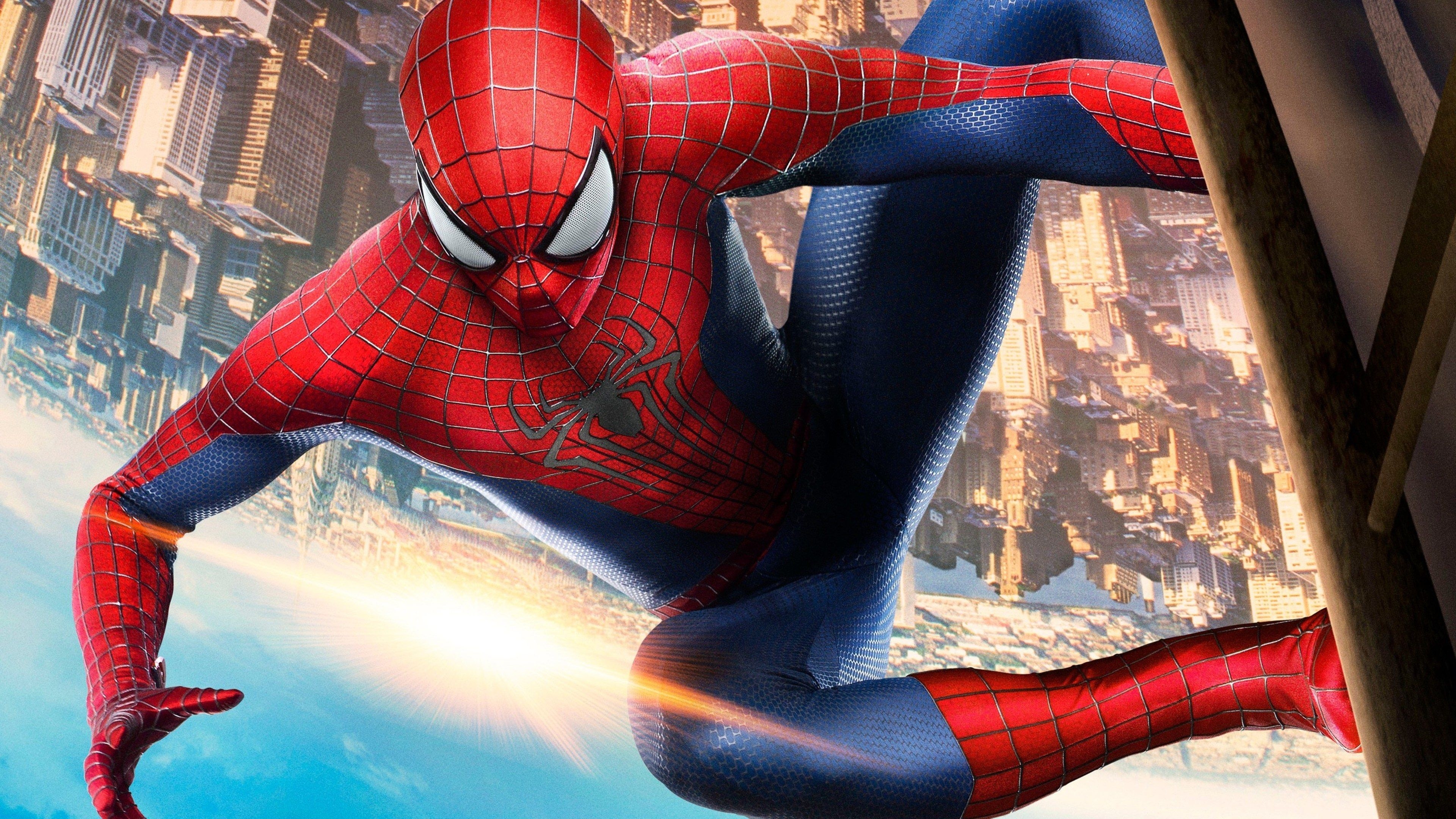
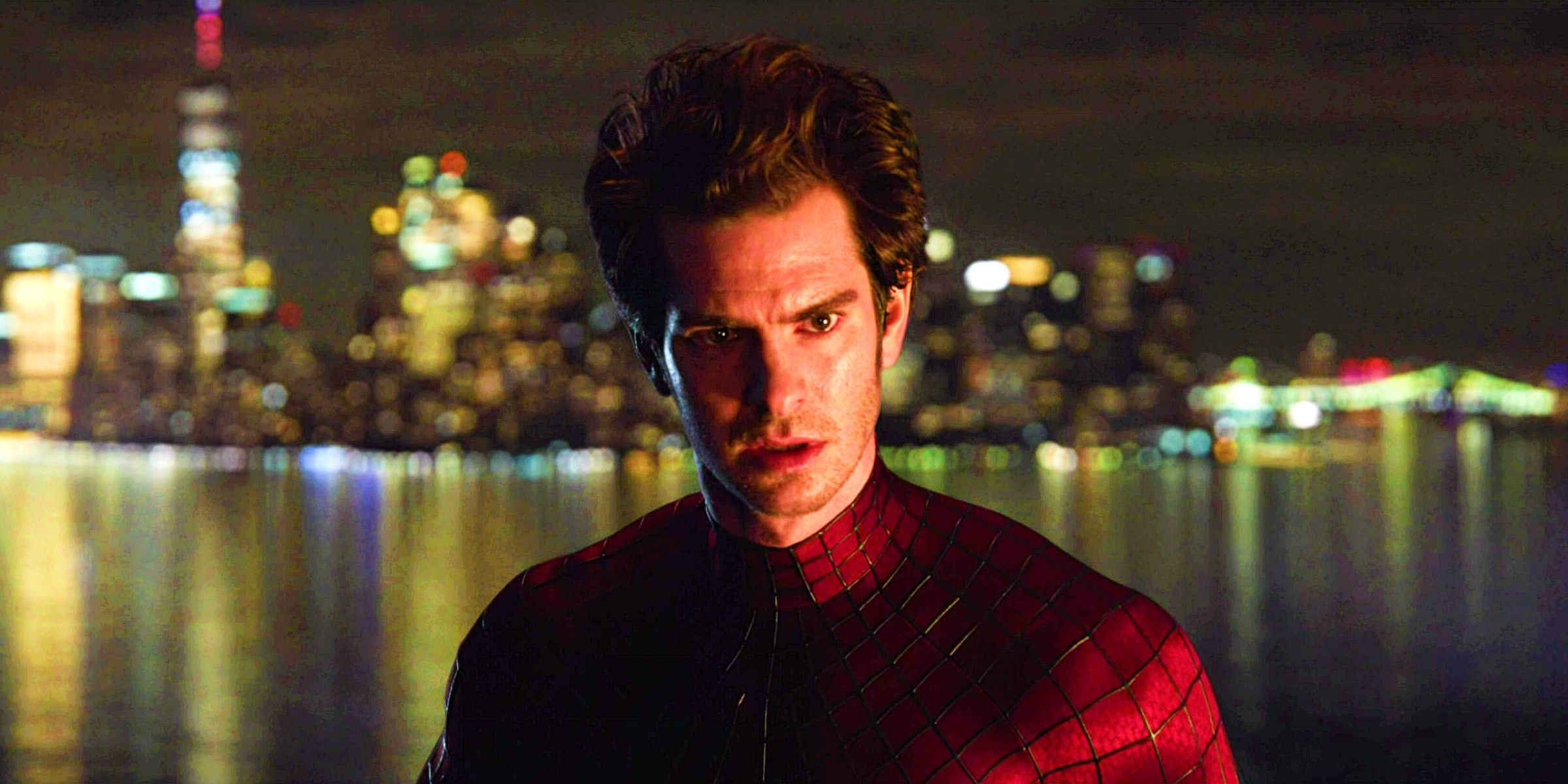
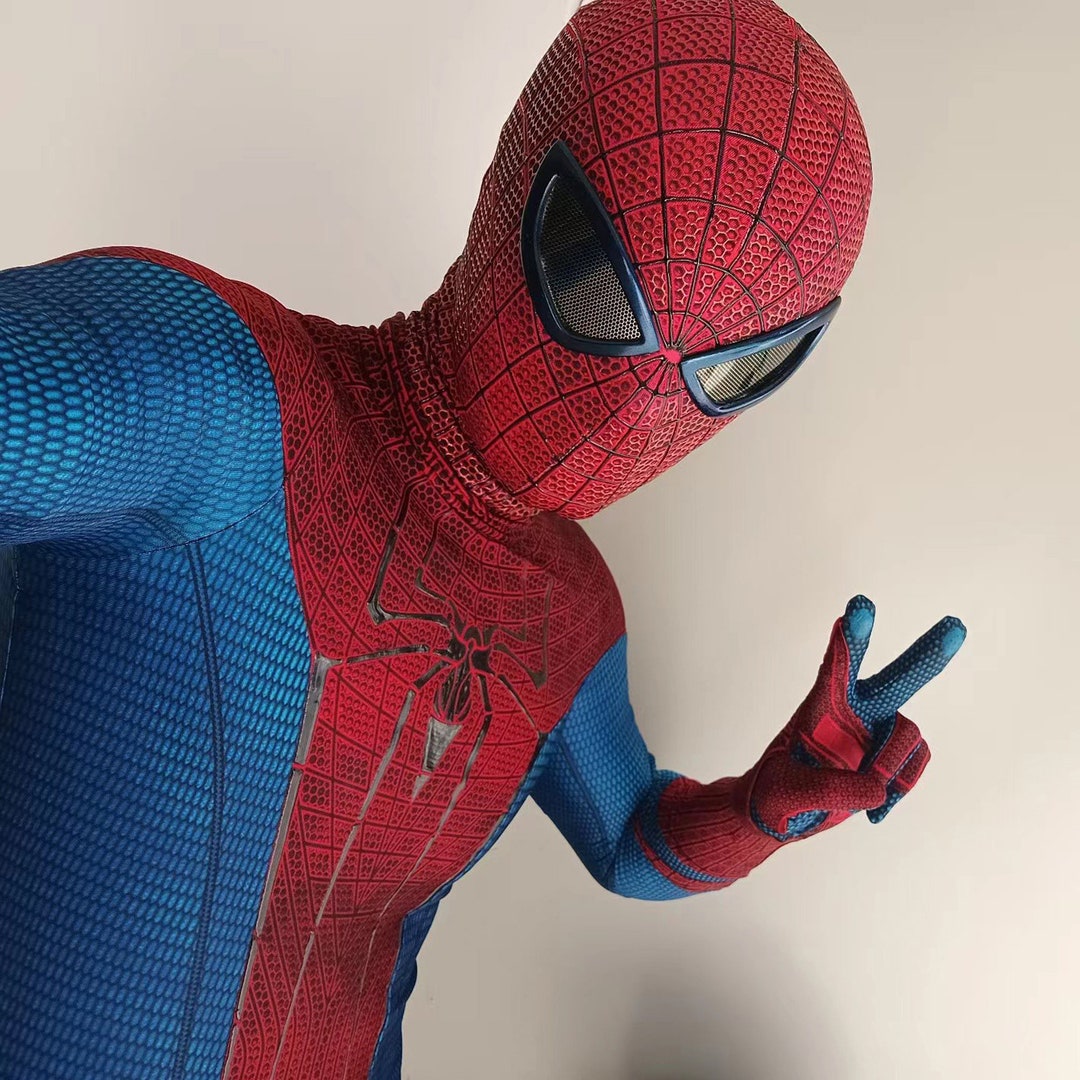
Andrew Garfield portrayed Peter Parker in The Amazing Spider-Man (2012), The Amazing Spider-Man 2 (2014), and Spider-Man: No Way Home (2021). His Spider-Man suits evolved from a gritty, homemade athletic gear aesthetic into what many fans and costume historians consider the most comic-accurate live-action Spider-Man suit ever put on screen.
The Vision Behind the Suits: Aesthetic and Narrative Goals
When Sony Pictures rebooted the Spider-Man film franchise under director Marc Webb in the early 2010s, the design team faced a distinct challenge: visually separating Andrew Garfield’s Spider-Man from the iconic Sam Raimi trilogy starring Tobey Maguire. The costume needed to reflect a different cinematic universe, a new take on Peter Parker’s tech-savviness, and an updated approach to modern stunt work and costume mechanics.
Costume designer Kym Barrett was brought in for The Amazing Spider-Man (2012) to craft a grounded, realistic outfit that a talented high school student could realistically build out of materials available to him. Barrett approached the costume through the lens of modern athletic wear, utilizing flexible synthetic fabrics, rubberized web textures, and modified consumer products.
By 2014, response to the first film's radical design departure prompted a creative pivot. Costume designer Deborah Lynn Scott took over the wardrobe department for The Amazing Spider-Man 2, shifting the aesthetic away from experimental streetwear toward the classic, vibrant art style pioneered by comic book artists John Romita Sr. and Mark Bagley. This visual evolution mirrored Peter Parker's growth from an uncertain vigilante into a confident, established superhero.
Breakdown of The Amazing Spider-Man (2012) Suit Design
The initial suit worn by Andrew Garfield remains one of the most unconventional interpretations of Spider-Man’s costume in cinematic history. Rather than pulling directly from silver-age comic panels, Kym Barrett drew inspiration from high-performance athletic apparel, Olympic speed-skating outfits, and modern running shoes.
| Design Element | Details |
|---|---|
| Lenses | Tinted Amber/Yellow (Repurposed Sunglass Lenses) |
| Textile | Synthetic Athletic Grid Mesh & 4-Way Stretch Spandex |
| Emblem | Elongated Legs, Minimalist Modernist Spider Motif |
| Footwear | Modified Asics Athletic Running Shoes Integrated in Legs |
| Webbing | Dark Black/Grey Low-Profile Urethane Print |
Athletic Materials and Custom Textiles
To emphasize Andrew Garfield’s leaner, more acrobatic build, the 2012 suit utilized a dense, stretchable synthetic fabric covered in an embossed hexagonal grid pattern. This texture gave the suit depth under movie camera lighting while simulating a lightweight armor or high-compression athletic garment.
The color palette was notably darker than classic depictions. The red regions were a deep brick-crimson, while the blue sections leaned toward a dark navy, almost midnight hue. This muted color profile suited the darker tone of the 2012 reboot, which spent considerable screentime in night-time urban environments across New York City.
The Sunglasses Lenses and Built-In Footwear
One of the most practical narrative touches in the 2012 design was Peter Parker's source material for the suit's eyes. The production team designed the eyepieces using modified yellow-tinted sunglass lenses fitted into custom dark frames. The yellow tint reduced glare for the character during high-speed swings and added a fierce, animalistic gaze to the mask.
For footwear, Barrett eschewed traditional leather boots or seamless cloth socks. Instead, the suit featured visible athletic shoe soles integrated into the leg bottoms. The prop department used soles from modified Asics running shoes, granting Garfield and his stunt doubles genuine traction during rooftop sprints and wall-running sequences while maintaining a grounded, DIY origin.
The Elongated Spider Emblem and Textured Webbing
The iconography of the 2012 suit diverged heavily from comic tradition:
- Front Emblem: The front spider emblem featured dramatically elongated legs that stretched down past the waistline, giving the torso a taller, narrower silhouette.
- Back Emblem: The rear symbol maintained a stylized, angular geometric spider shape in a bright red finish.
- Webbing: Rather than prominent silver or black raised lines, the webbing was subtle, thin, and printed in dark rubberized ink directly onto the fabric, allowing the underlying red textile texture to remain visible.
Breakdown of The Amazing Spider-Man 2 (2014) Suit Design
When The Amazing Spider-Man 2 debuted in 2014, the costume underwent a total overhaul. Designed by Academy Award-winning costume designer Deborah Lynn Scott, the new suit addressed fan requests for a traditional comic book look while advancing the technical construction to unprecedented levels of film precision.
The Return to Classic Comics: Large White Lenses
The defining feature of the 2014 suit is its oversized, bright white eyes. Modeled directly after Mark Bagley's 1990s Ultimate Spider-Man comic artwork, these lenses were crafted from high-tech materials:
- Outer Mesh: A high-density white plastic mesh with micro-perforations allowed the actor to see out while appearing completely solid white to the camera.
- Frame Structure: The eyes were set in bold, matte-black rubberized frames that contoured precisely to the curved faceshell beneath the fabric mask.
- Expression: The size and angle of the frames gave Garfield an instantly expressive look, balancing heroism with approachable warmth.
Fabrication, 3D Webbing, and Color Vibrancy
The 2014 costume replaced the dark, muted tones of the original with a radiant color palette:
- Vibrant Red & Rich Royal Blue: The red sections were custom-dyed to pop against grey New York skyscapes, while the blue segments were engineered with a subtle sheen to capture highlights during motion.
- Raised 3D Urethane Webbing: Unlike the printed webbing of the 2012 suit, the 2014 outfit featured three-dimensional, dark grey/black urethane webbing laid over the red fabric. This offered dramatic shadows and contrast under both natural sun and artificial film lighting.
- Classic Emblem Positioning: The elongated spider from 2012 was replaced with a classic, medium-proportioned spider emblem on the chest and a round, tick-like red spider symbol on the back.
Costume Engineering for Stunt Work and Movement
Making a suit that looks flawless on film while allowing an actor to perform flips, swings, and long shoot days requires sophisticated internal engineering. The production created dozens of suit iterations tailored for specific filming needs:
- Faceshell System: Underneath the fabric mask, Garfield wore a lightweight, custom-scanned rigid fiberglass/carbon-fiber faceshell. This shell maintained the smooth shape of the head, prevented the actor's nose and mouth from distorting the fabric, and housed magnetic attachment points for the eye lenses.
- Hidden Zippers: The suit featured invisible zippers tucked along seamlines down the ribs, legs, and back, enabling quick entry and exit between takes.
- Ventilation and Cooling: Stunt suits included tiny micro-ventilation zones and concealed ports for cooling tubes connected to external chillers during hot shooting conditions.
The Suit's Return in Spider-Man: No Way Home (2021)
When Andrew Garfield made his celebrated return in Marvel Studios’ Spider-Man: No Way Home (2021), the costuming team aimed to match his iconic 2014 aesthetic as closely as possible.
Because seven years had passed since The Amazing Spider-Man 2, the costume department recreated Garfield's suit using modern 3D scanning, digital pattern drafting, and updated fabric printing techniques. The result was a faithful recreation of the 2014 Deborah Lynn Scott suit, ensuring visual continuity for his character—designated "Peter-Three"—alongside Tobey Maguire ("Peter-Two") and Tom Holland ("Peter-One").
| Character | Lenses | Webbing Style | Primary Look |
|---|---|---|---|
| Peter-One (Tom Holland) | Expressive Mechanical | Recessed / Tech Etched Lines | MCU Stark-Tech Athletic |
| Peter-Two (T. Maguire) | Narrow Triangular | Raised Silver Thick Rubber | Raimi Classic Sculpted |
| Peter-Three (A. Garfield) | Oversized White Mesh | Raised Black Detailed Urethane | Bagley Comics Comic-Accurate |
Technical Comparison of Live-Action Suit Iterations
To understand how Andrew Garfield's Spider-Man suits stand in the broader history of cinematic superhero costuming, consider this comparative breakdown of design specs:
| Feature / Metric | The Amazing Spider-Man (2012) | The Amazing Spider-Man 2 (2014) | Spider-Man: No Way Home (2021) |
|---|---|---|---|
| Lead Designer | Kym Barrett | Deborah Lynn Scott | Sanja Hays / Marvel Props |
| Primary Lens Type | Amber/Yellow Tinted Sunglasses | Large White Micro-Perforated Mesh | Large White Micro-Perforated Mesh |
| Color Scheme | Crimson Red & Midnight Blue | Bright Scarlet Red & Royal Blue | Classic Red & Deep Royal Blue |
| Webbing Detail | Flat Rubberized Black Print | Raised 3D Molded Urethane | 3D Molded Urethane (Digital Recreation) |
| Footwear Style | Built-in Asics Running Shoe Soles | Integrated Seamless Fabric Soles | Integrated Seamless Fabric Soles |
| Chest Emblem | Elongated Modern Legs | Classic Medium Spider | Classic Medium Spider (Matched to 2014) |
| Aesthetic Goal | DIY Grounded Athletic Gear | Iconic Page-to-Screen Comic Accuracy | Seamless Multiverse Continuity |
Cosplay and Replica Guide: Recreating Andrew Garfield's Suit
For cosplayers, builders, and costume collectors, replicating Andrew Garfield's Spider-Man suits is a popular and rewarding project. Achieving screen accuracy requires careful planning, proper material selection, and deliberate assembly steps.
- Patterning & Sublimation Print (4-Way Spandex)
- Precision Tailoring & Invisible Zipper Install
- Custom Rigid Faceshell & Lens Fitting
- 3D Webbing Application (Urethane Glue/Puff Paint)
- Sole Attachment (Asics or Low-Profile Rubber)
1. Fabric Selection and Sublimation Printing
Whether building the 2012 or 2014 version, standard off-the-shelf fabric is insufficient. You need a high-quality 4-way stretch Spandex or Lycra blend (typically 80% Polyester / 20% Elastane) weighing at least 220-250 GSM (grams per square meter) to avoid transparency when stretched.
- Digital Files: Purchase or design a high-resolution dye-sublimation pattern tailored to Garfield's specific suit design. The pattern must include the muscle shading, brick textures (for 2014), or hexagonal grid patterns (for 2012).
- Printing: Work with a specialized dye-sublimation printer who can transfer the file onto 4-way stretch fabric without dulling the color saturation.
2. Crafting the Faceshell and Lens Assembly
A Spider-Man mask cannot maintain its clean iconic silhouette without an underlying structure.
- The Shell: 3D-print a custom-fitted faceshell using lightweight materials like PLA, PETG, or resin. Ensure the shell features ample nose ventilation holes and comfortable mouth openings.
- The Lenses:
- For TASM 1 (2012): Cut acrylic sunglass lenses with an amber/gold mirror coating and frame them in matte black flexible resin.
- For TASM 2 (2014): Use white perforated vinyl mesh or fine plastic micro-mesh glued behind custom-sculpted black frames. Secure lenses to the faceshell using strong Neodymium N52 magnets so they can be removed easily for cleaning or defogging.
3. Applying 3D Webbing
Applying webbing is the most labor-intensive phase of constructing the 2014 suit:
- Material: Use cast flexible urethane rubber webs (available from costume prop suppliers) or hand-apply raised liquid puff paint / silicone caulk along the printed web lines.
- Adhesive: If using pre-cast urethane webs, use specialized flexible fabric adhesives like barge cement or shoe-repair grade polyurethane adhesives.
- Application: Lay the suit sections flat over dummy forms stretched to match your body measurements before gluing; gluing webs onto unstretched spandex will cause them to pop off when worn.
4. Footwear Integration
- 2012 Style: Obtain a pair of black/grey low-profile running shoes (such as Asics Super J33 or similar soles), trim away the upper textile portion, and bond the rubber outsoles directly to the bottom of the suit feet using barge adhesive.
- 2014 Style: Use internal thin slipper insoles or attach flexible, low-profile rubber soles beneath the suit feet to preserve the seamless comic book look while protecting your feet during conventions or outdoors.
Frequently Asked Questions
Which suit did Andrew Garfield wear in The Amazing Spider-Man 2?
Andrew Garfield wore a redesigned costume created by costume designer Deborah Lynn Scott. It featured large white micro-mesh eye lenses, bright red and royal blue fabrics, and raised 3D black urethane webbing, drawing heavy inspiration from the comic art of John Romita Sr. and Mark Bagley.
Why did the Spider-Man suit change between TASM 1 and TASM 2?
The costume was redesigned to address fan feedback and align more closely with traditional Spider-Man comic book visuals. While the 2012 suit aimed for a grounded, athletic look with yellow lenses, the 2014 team shifted to a vibrant, classic design with large white lenses to emphasize warmth, charm, and comic fidelity.
How did Andrew Garfield see out of the suit in The Amazing Spider-Man 2?
The white lenses were constructed using a micro-perforated plastic mesh. The exterior surface was painted white, while the interior facing the actor was kept dark. This allowed light to pass through from the outside, letting Garfield see clearly while appearing opaque white from the outside looking in.
What shoes were used in Andrew Garfield's 2012 Spider-Man suit?
The 2012 suit incorporated modified soles from Asics athletic running shoes directly into the bottom of the costume legs. This gave the stunt teams real grip during athletic maneuvers while preserving the idea that high-school Peter Parker built the suit out of practical athletic components.
Is Andrew Garfield's 2014 suit the same one used in Spider-Man: No Way Home?
The design is identical, but the physical costumes used in Spider-Man: No Way Home (2021) were newly fabricated recreations by the Marvel Studios costume department. They used modern 3D scanning and pattern techniques to duplicate the 2014 suit made by Deborah Lynn Scott.
Recommended Next Actions for Fans and Cosplayers
If you are planning to build, purchase, or study the Andrew Garfield Spider-Man suit, consider the following practical next steps:
- Choose Your Target Iteration: Decide early whether you prefer the grounded, tactical look of TASM 1 (2012) or the comic-accurate aesthetics of TASM 2 (2014) / No Way Home (2021). The fabrication methods, materials, and costs differ significantly between the two.
- Obtain Precise Body Measurements: Dye-sublimation patterns require exact height, chest, waist, limb, and head circumferences. Always take measurements while wearing compression undergarments.
- Invest in a Quality Faceshell First: Before buying or tailoring your mask, acquire a properly fitted faceshell. The shape of the headform dictates how the mask pattern must be cut and how the eye lenses align with your eyes.
- Practice Web Application on Scrap Fabric: If attempting to apply 3D urethane or silicone webbing yourself, test adhesives and stretch ratios on scrap Lycra to ensure the bond holds when stretched over joints like elbows and knees.