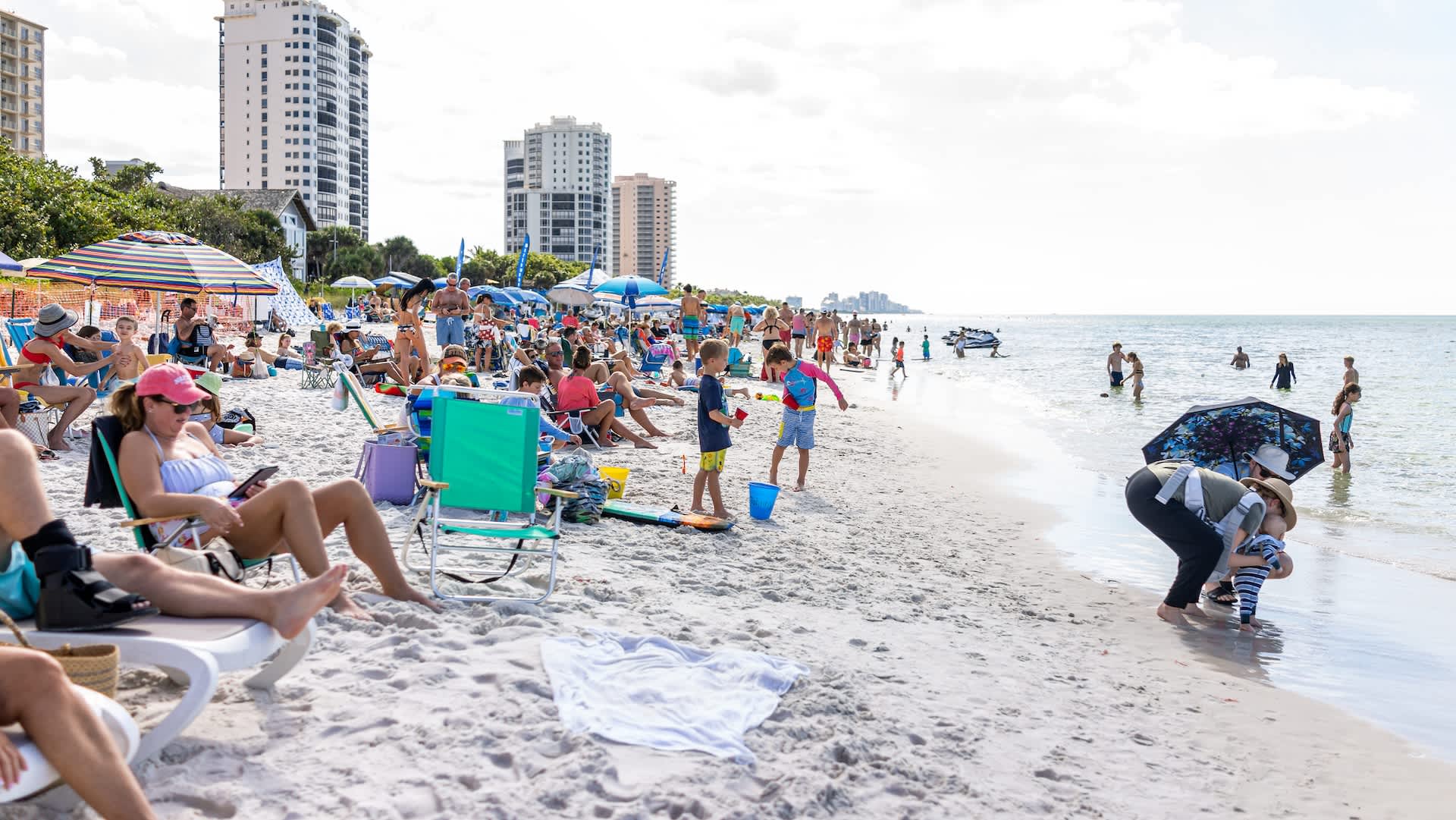
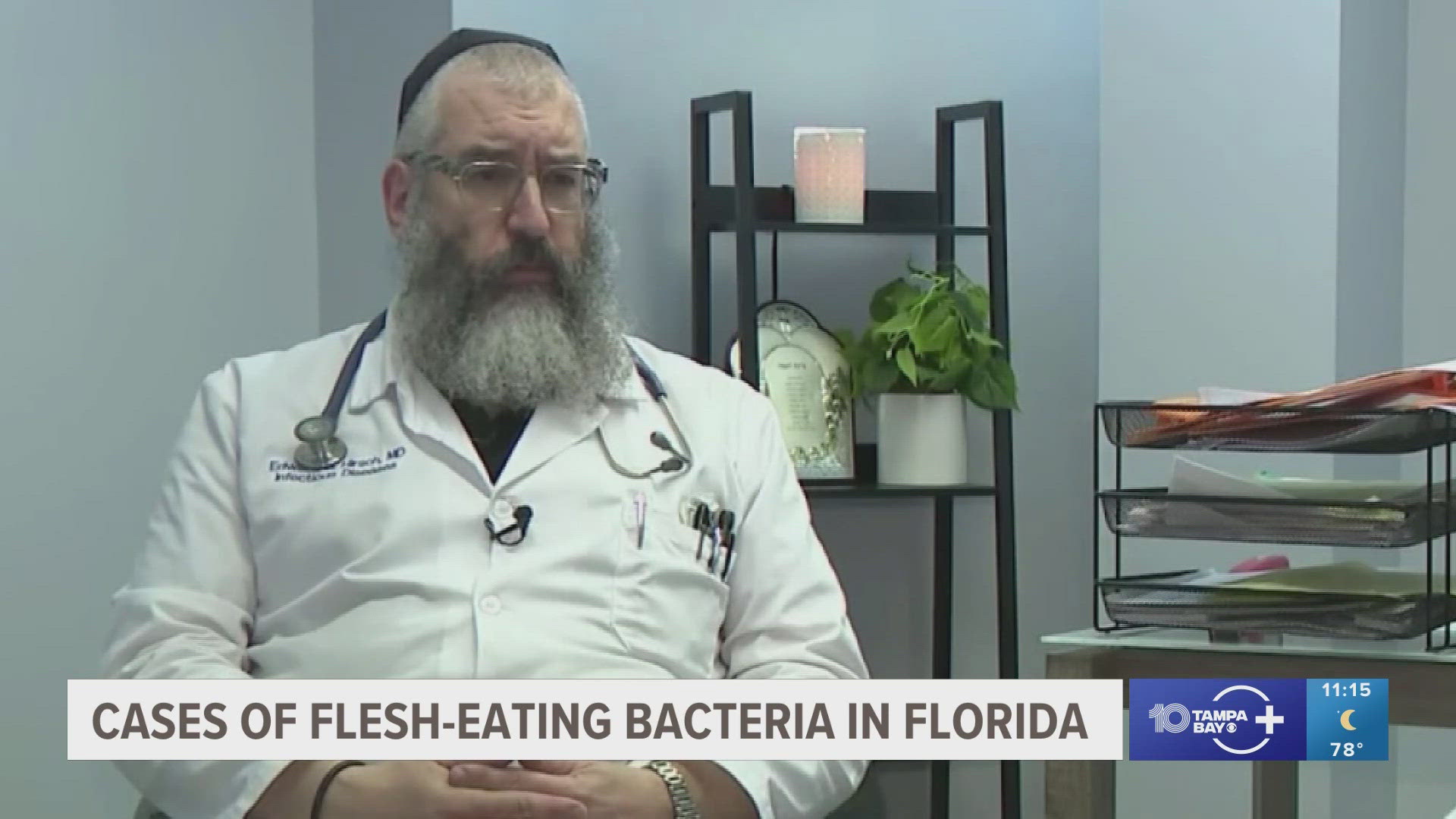
In the summer of 2019, public concern peaked following reports of individuals contracting severe infections after exposure to the waters in or near Myrtle Beach, South Carolina. These incidents, often linked in public discourse to Vibrio vulnificus—a bacterium naturally occurring in coastal waters—led to significant media scrutiny and discussions regarding legal liability, beach safety protocols, and the potential for litigation against local or state entities.
The 2019 reports of "flesh-eating bacteria" in Myrtle Beach captured national headlines, largely due to the severe clinical presentation of Vibrio vulnificus infections. For many visitors and residents, the primary question was whether any formal legal recourse existed against the city, county, or state for failing to provide adequate warnings about water quality. In the years since, the distinction between high-profile reports and actionable legal claims has become a central focus for those attempting to understand the intersection of public health and premises liability.
Identifying the Bacterial Agent: Vibrio vulnificus
To understand the scope of the 2019 situation, one must distinguish between common waterborne illnesses and the specific, albeit rare, dangers posed by Vibrio vulnificus. This bacterium thrives in warm, brackish, or salt water. When it enters the body through an open wound, it can cause rapidly progressing skin infections that may lead to necrotizing fasciitis—colloquially termed "flesh-eating bacteria"—though the clinical diagnosis is usually a Vibrio infection.
In 2019, several patients reported contact with coastal waters in South Carolina. While social media and news outlets highlighted these stories, the medical reality was that Vibrio bacteria are indigenous to coastal environments. The legal challenge in any such case centers on whether there was a breach of a "duty to warn" or a "duty to maintain" a safe environment. Because the bacteria are naturally present and not necessarily the result of sewage spills or specific environmental contamination caused by local governance, establishing liability is exceptionally difficult.
The Legal Framework: Premises Liability and Public Access
In South Carolina, as in most coastal jurisdictions, the legal standard for premises liability on public beaches rests on the concept of foreseeability and reasonable care. Generally, the state or municipality must know of a specific, non-obvious, and unreasonable danger to the public before they are obligated to provide a warning or restrict access.
Legal experts reviewing the 2019 timeframe noted that Vibrio is considered a natural occurrence in the ocean. Because the state and local municipalities cannot realistically "clean" the ocean of naturally occurring bacteria, courts have historically been reluctant to find government entities liable for infections contracted through recreational swimming. For a lawsuit to succeed, a plaintiff would typically need to prove:
- Negligence: That the entity acted or failed to act in a way that directly caused the injury.
- Duty: That there was a specific duty to warn swimmers of the presence of the bacteria at a specific time.
- Breach: That the entity failed to provide that warning despite having actual or constructive knowledge of a spike in risk.
Public Health Advisories vs. Legal Negligence
Throughout 2019, the South Carolina Department of Health and Environmental Control (DHEC) maintained consistent guidance regarding water quality. Their protocols involve regular testing for Enterococcus bacteria, which are used as indicators of fecal contamination. Importantly, standard beach water monitoring is not designed to screen for every possible naturally occurring organism, such as Vibrio.
The "lawsuit" aspect of the 2019 events was often characterized more by public outcry and investigative inquiries than by a single, definitive class-action settlement. Many individuals who suffered from infections found that their cases did not meet the stringent legal requirements to hold a municipality liable. Because Vibrio is widely recognized by the scientific community as a risk inherent to swimming in warm, salty waters, the burden of "assumption of risk" often shifts to the individual swimmer.
Comparative Analysis of Environmental Litigation
When examining the 2019 Myrtle Beach situation, it is helpful to contrast it with other types of environmental litigation. The table below outlines how liability is generally perceived in different coastal risk scenarios.
| Risk Factor | Source of Contamination | Likely Legal Liability |
|---|---|---|
| Vibrio vulnificus | Naturally occurring | Generally low; inherent risk |
| Sewage Discharge | Municipal system failure | Potentially high; negligence |
| Industrial Runoff | Chemical plant discharge | Potentially high; statutory violation |
| Debris/Hidden Objects | Improper maintenance | Moderate to high; premises hazard |
As shown in the table, the legal landscape shifts significantly based on the origin of the hazard. While a city may be held liable for failing to repair a pipe that leaks sewage into the surf, it is rarely held liable for the presence of natural, microscopic organisms that are a component of the local ecosystem.
Prerequisites for Filing a Claim
If an individual were to pursue a claim regarding a waterborne infection, they would typically follow a rigorous legal process. This does not imply success, but rather the standard procedure for such torts:
- Documentation of Exposure: Establishing a clear timeline and location of where the contact with the water occurred.
- Medical Evidence: Confirming the diagnosis through laboratory testing, specifically isolating Vibrio or other pathogens as the cause of the infection.
- Expert Testimony: Retaining an environmental scientist or infectious disease specialist to testify on the concentration of bacteria at the time of the incident.
- Compliance Check: Reviewing whether the government entity followed all established statutes regarding water monitoring and public notification.
Frequently Asked Questions (FAQ)
1. Was there a successful class-action lawsuit filed regarding the 2019 Myrtle Beach bacteria reports? No. There was no major class-action lawsuit that resulted in a public, successful outcome against the city or state specifically related to Vibrio infections in 2019. Most concerns were handled through public health advisories rather than litigation.
2. Why isn't there a "flesh-eating bacteria" test for all beach water? Current testing technology focuses on indicator organisms like Enterococcus. Testing for specific, naturally occurring bacteria like Vibrio is not a universal standard because these bacteria are rarely linked to a singular, preventable point source and can be present in varying concentrations across vast coastal areas.
3. Does the government have a legal duty to close beaches due to Vibrio? Generally, no. Unless there is evidence of an extraordinary, man-made hazard (such as a large-scale waste spill), local authorities are not legally required to close beaches for the presence of naturally occurring microbes.
4. What is the most common way to contract Vibrio? The most common methods of infection are consuming undercooked shellfish or exposing an open wound to warm, brackish, or salt water.
5. If I suspect I have a legal claim, what should I do? You should consult with an attorney specializing in personal injury or premises liability in South Carolina. They can evaluate the specific circumstances, including the timeline of exposure and the availability of medical records, to determine if a viable claim exists under state law.
Practical Guidance for Coastal Safety
For residents and tourists in 2026 and beyond, the best approach remains proactive risk mitigation rather than reliance on potential legal remedies. The following steps are recommended by health agencies:
- Check Water Quality Reports: Before visiting a beach, consult official DHEC or local municipal water quality websites for current alerts.
- Assess Personal Risk: Individuals with compromised immune systems, liver disease, or open wounds should avoid wading or swimming in warm coastal waters.
- Practice Wound Care: If you have an open cut or a fresh surgical incision, avoid contact with seawater until it is fully healed.
- Immediate Intervention: If a wound develops redness, swelling, or extreme pain after being exposed to seawater, seek medical attention immediately. Early antibiotic treatment is critical in preventing the progression of Vibrio infections.
The 2019 period serves as a historical case study in the tension between public perception of risk and the reality of environmental law. While the fear surrounding the bacterial reports was palpable, the legal path for recovery remains narrow and is heavily restricted by the definition of natural, inherent environmental hazards. Visitors should prioritize informed safety decisions over the assumption that legal recourse is a viable post-exposure solution.